A cosmetics Embroidered Baseball Caps Unit Cost Review should begin with the full landed cost, not the first number a supplier sends back. The sticker price matters, but it is only one layer in a stack that also includes embroidery setup, sample approval, packaging, freight, duties, and the cost of getting the cap through actual use without looking tired after one event.
Beauty brands ask more of a cap than a typical giveaway does. The same item may appear in influencer kits, retail staff uniforms, seasonal launches, pop-up activations, and internal events. It has to photograph well, fit a range of wearers, and keep the logo legible after handling, shipping, and storage. That is one reason embroidery often makes more sense than print for cosmetics programs: the decoration tends to age better, even when the first quote is a little higher.
The real comparison is not cheap versus expensive. It is whether the cap looks right for the brand, holds up under normal use, and can be reordered without a new round of guesswork. Buyers who understand construction, stitch count, MOQ, and freight structure usually make better decisions than those focused only on a unit price line.
Cosmetics embroidered baseball caps unit cost review and why the first quote is not the whole story
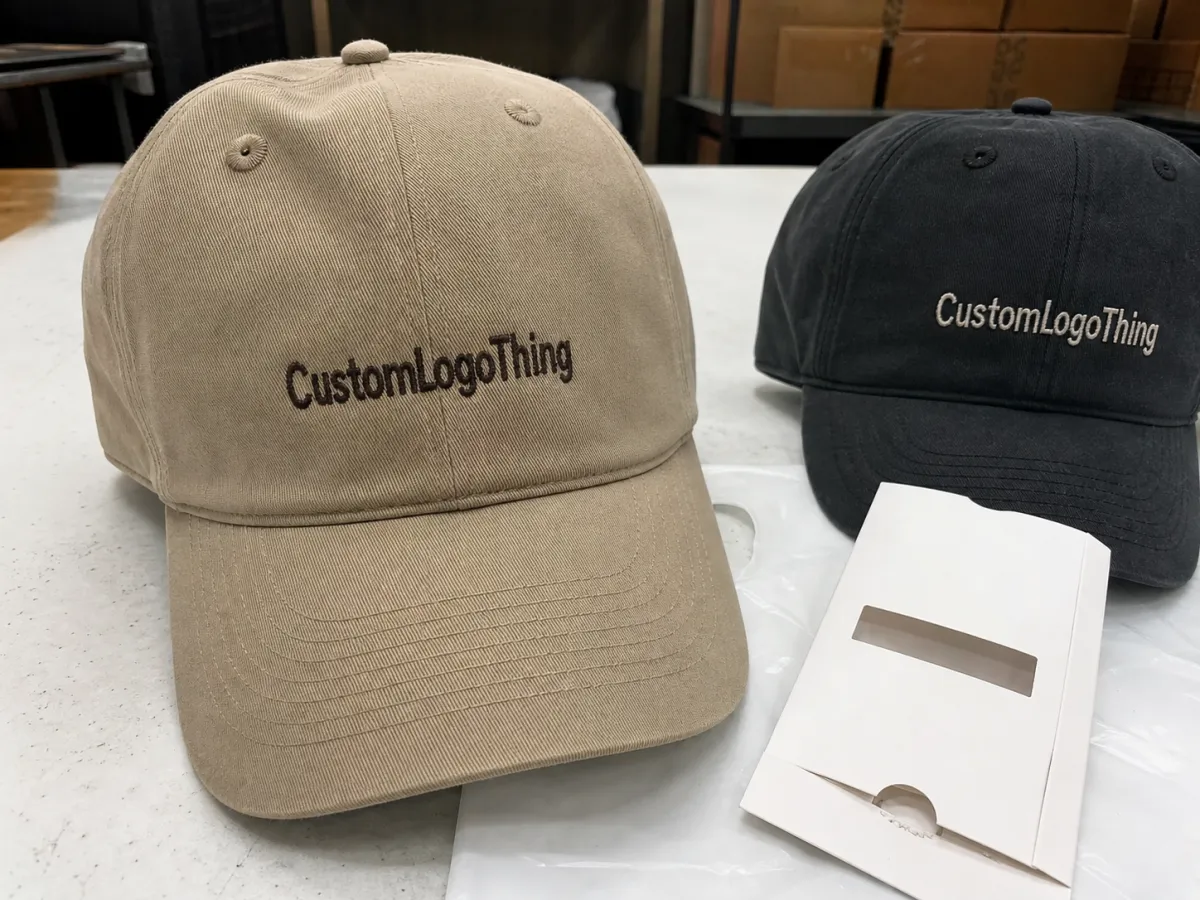
A useful cosmetics embroidered baseball caps Unit Cost Review looks at value under pressure. A printed logo can be fine on day one, but embroidery usually keeps its shape better when the cap is folded into a kit, pulled on and off repeatedly, or worn during a long event shift. That matters in beauty, where the product is often judged in photos before it is ever tested in the field.
Many buyers underestimate how much the cap's second life matters. A design that works for a launch mailer may also need to serve as staff uniform stock for months. Once that happens, the difference between a loose, lightly built blank and a structured cap with solid embroidery becomes obvious. The better cap does not just look nicer; it usually costs less to defend after complaints, rework, or replacement pieces are considered.
The first quote also hides a practical fact about repeat orders. If the artwork is stable, the cap spec is locked, and the factory stores the digitizing file correctly, the second run is often smoother and cheaper to manage. The value is not only in the piece price. It is in how much time the buyer spends correcting details that should have been captured the first time.
The cheapest decorated cap is not always the cheapest program. Better blanks, cleaner digitizing, and tighter proofing often save money once rework, damage, and inconsistent batches are counted.
Four cost drivers usually explain most of the quote:
- Cap build - structured or unstructured crown, fabric weight, closure type, and brim finish.
- Embroidery complexity - stitch count, logo size, thread changes, and whether there is more than one placement.
- One-time charges - digitizing, sample development, and any tooling fees tied to patches or special labels.
- Logistics - carton packing, freight method, duties, and whether the order ships bulk packed or retail ready.
That is why the quote should be broken into parts. A low piece price can hide setup costs that make the first order look attractive only on paper. If a buyer plans to reorder, the better question is whether the supplier already has the file history, spec notes, and color references needed to keep the next run efficient.
Base cap styles, embroidery placements, and brand fit
The silhouette shapes the result before a stitch is made. A structured six-panel cap gives the front panel enough support for a cleaner logo, while an unstructured cap feels softer and more relaxed. In cosmetics, that difference is not cosmetic trivia; it changes whether the item reads as premium retail merch, backstage staff wear, or a casual giveaway.
Brim shape matters too. A curved brim feels familiar and widely wearable. A flat brim pushes the cap toward a fashion or streetwear signal, which can work for younger beauty audiences or limited drops. Closure type affects both fit and cost. Snapback closures are common and easy to size. Strap-back or metal buckle closures usually cost more, but they can lift perceived quality if the cap is going into a premium kit.
Embroidery placement changes the whole presentation. A single front logo is usually the cleanest choice for cosmetics branding because it stays readable in photos and avoids visual clutter. Side embroidery can carry a small mark, event name, or campaign tag. Back embroidery works for a short line or sponsor reference, but text-heavy layouts start to look crowded fast.
For most beauty programs, the safest decoration options are:
- Flat embroidery - best for clean logos, small type, and a polished retail look.
- 3D puff embroidery - stronger visual impact for bold marks, but less friendly to fine detail.
- Patch application - useful when the artwork has gradients or lines that do not embroider cleanly.
- Secondary placements - side or back marks that expand brand presence, but add stitch time.
Complex artwork should usually be simplified before quoting. Embroidery rewards strong outlines, solid spacing, and readable type. Small details can be made to work, but they raise the chance of revision and can make the final piece look busier than intended. For beauty brands, a smaller front mark often reads more expensive than a large graphic that tries to do too much.
Materials, stitch density, and construction specifications
Fabric choice sets the tone before the logo is added. Cotton twill is the most familiar option because it has a stable hand feel and holds color well. Brushed cotton feels softer and can read a little more premium. Polyester blends improve shape retention and dry faster, which is useful for outdoor activations or higher-wear programs. Performance fabrics are practical in heat or active use, though they usually look less traditional than cotton.
The construction of the crown matters just as much as the fabric. A reinforced front panel helps keep embroidery from warping the cap. An inner sweatband improves comfort and can help the cap sit better during long wear. Eyelets may be embroidered or sewn, depending on the factory method. The visor board affects brim shape; a firmer board tends to give a cleaner retail finish and better photo results.
Embroidery quality is decided by a few technical choices that are easy to overlook. Digitizing converts the art into stitch instructions, and poor digitizing can cause puckering, gaps, or distorted edges. Stitch density affects both appearance and cost: higher density can make the logo look fuller, but it also increases machine time and needs better stabilizer support. Thread choice matters as well. Polyester thread is usually preferred for daily wear because it handles moisture and light well. Rayon can have a slightly smoother look in certain applications, but it is not always the first choice for caps that will be worn hard.
Buyer checks that save trouble later include:
- Minimum line thickness for logos with small text or fine icons.
- Color matching against PMS or Pantone references, while remembering that fabric and thread are matched separately.
- Interior labeling if size, care, or brand information needs to be inside the cap.
- Carton packing if the caps must arrive retail ready instead of loose bulk packed.
Packaging deserves more attention than it usually gets. A folded cap in a plain polybag is cheap to ship, but it can arrive creased, and the crease often shows up in the first product photos. A slightly better insert, tissue wrap, or shaped carton can raise unit cost a little while protecting the silhouette and reducing complaints. For shipping integrity, many buyers still use the same basic thinking behind package-testing standards, and ISTA is a useful reference point. If the program includes paper inserts or hangtags, FSC-certified stock from FSC can support cleaner sourcing claims.
Pricing, MOQ, and unit cost drivers
Good pricing starts with a complete cost map. For embroidered caps, the quote usually includes the blank cap, digitizing, setup, embroidery labor, sample approval, packaging, and freight. If a supplier only quotes the decoration charge, the number is incomplete. The buyer needs to know what is included and what is still waiting to appear on the invoice.
MOQ behavior is straightforward: as order quantity rises, bulk pricing usually improves because the one-time charges are spread across more units. A run of 300 pieces almost always carries a higher unit cost than 1,000 pieces, even when the cap spec is identical. That does not make the smaller order a bad decision. It just means the economics need to be judged honestly against the size of the campaign.
Here is a practical comparison framework:
| Decoration option | Typical one-time charges | Added cost per piece | Best use | Notes |
|---|---|---|---|---|
| Flat front embroidery | $25-$60 digitizing / setup | $0.55-$1.20 | Premium brand caps, staff wear, launch kits | Best balance of clarity and unit cost |
| 3D puff embroidery | $35-$80 setup | $0.80-$1.60 | Bolder logos, fashion-led campaigns | Less suited to tiny text or fine lines |
| Patch application | $40-$100 tooling / patch prep | $0.90-$1.80 | Detailed artwork, textured premium look | Improves artwork control, but can raise cost |
| Front plus side mark | $30-$70 extra setup | $0.20-$0.45 more | Campaign kits and event giveaways | Extra placements add stitch time quickly |
For a standard 500-piece run, a simple cotton twill cap with one-color front embroidery may land around $2.10-$3.40 per piece before international freight, depending on cap grade, packing, and local labor conditions. At 1,000 pieces, the same program can drop meaningfully if the artwork is stable and the factory is not rebuilding the file from scratch. Add a second placement, and the number rises quickly because embroidery labor is time-based.
Artwork complexity changes the math more than many first-time buyers expect. More stitch count means more machine time. More colors can mean more thread changes. Tiny lettering increases the chance of rework. If a logo can be simplified without hurting recognition, the cost per piece usually improves and the cap often looks cleaner anyway.
Ask every supplier for a quote that separates:
- Recurring unit cost - the price for each cap after setup is already handled.
- One-time charges - digitizing, sample work, and any tooling fees.
- Logistics - carton packing, freight, duty exposure, and delivery terms.
That format makes a cosmetics embroidered baseball caps Unit Cost Review much easier to interpret, because it removes the guesswork around hidden setup and freight costs. It also exposes whether two suppliers are actually quoting the same product, or just using the same words for different build standards.
Production steps and lead time from approval to shipment
The production path is simple on paper and less simple in practice. It starts with artwork review and spec confirmation, moves into digitizing, then a sample or proof approval, then bulk production, inspection, packing, and shipment booking. Suppliers that handle this well communicate in milestones. Suppliers that do not tend to answer with generalities while the schedule slips in the background.
Typical lead time for custom embroidered caps is often 12 to 18 business days after proof approval for a standard run, though seasonality, artwork complexity, and factory load can move that range. A simple logo on a standard cap can ship faster. A multi-placement design, unusual fabric, or special packaging request usually adds days rather than hours.
The delays that appear most often are not mysterious:
- Artwork files that need redraw work because the source file is incomplete.
- Changes after sample approval, especially to logo size or placement.
- Thread color requests that need a second pass.
- Late freight booking, which can push a finished order out of the loading window.
The fastest projects are the ones where the buyer sends a complete brief the first time. Include vector artwork, exact cap style, quantity, closure preference, decoration placement, packaging requirements, and target delivery date. If one person owns approval internally, the project usually moves faster because the factory is not waiting on multiple replies that land at different times.
There is also a cost lesson hidden in the schedule. A rushed approval can be expensive if the logo sits too low, the thread tension is too tight, or the panel is not supporting the stitch well. Fixing those issues after bulk production starts is much costlier than taking a little longer on the proof stage. The best buyers protect both the budget and the timetable by slowing down at the sample step and speeding up only after the details are right.
How to compare suppliers on quality, samples, and repeat orders
Not every quote deserves equal weight. Two suppliers may show nearly the same unit cost, yet one will produce a cleaner sample, hold tighter tolerances, and handle repeat orders without rebriefing the whole project. The difference shows up in file storage, stitch consistency, and whether the supplier can reproduce the same cap six months later without drift in color or placement.
Sample review should be practical rather than decorative. Check stitch tension, logo alignment, crown symmetry, and how the embroidery sits on the panel. A good sample tells you the factory understands the cap shape, not just the artwork file. If the front panel caves in under the logo or the edge of the fill looks rough, the sample is not ready for approval, even if the overall cap looks attractive from a distance.
Quality control should also be visible in the way the supplier talks about production. Ask where they check panel symmetry, how they count cartons, and whether they provide photo proofs before shipment. For larger orders, that documentation matters because a packing mistake is easier to solve before the goods leave the building. A supplier that keeps records well can also save time on repeat orders by reusing the digitizing file, thread references, and pack-out notes.
The warning signs are usually plain:
- Quotes that hide or omit setup charges.
- Proposals that never define the embroidery method.
- Samples that arrive without clear comments on revision limits.
- Vague answers about repeat-order file storage and color records.
If a supplier cannot explain how repeat orders are controlled, they may still be fine for a one-off campaign. They are just less predictable for an ongoing cosmetics program. In that case, the buyer should treat the relationship as transactional rather than assuming the next run will match the first automatically.
For a cosmetics Embroidered Baseball Caps unit cost review, repeatability is part of the price. A slightly higher quote from a supplier that stores files well, communicates clearly, and ships consistently can beat a cheaper source that needs to be rebriefed every time. The hidden cost of chasing corrections is usually larger than it looks at the quote stage.
Next steps for an accurate quote and order lock-in
A usable quote starts with a complete packet. The supplier needs the artwork file, target quantity, cap style, color preferences, decoration placement, packaging requirements, and required delivery date. The more complete the spec sheet, the faster the reply and the fewer assumptions buried inside the price.
Ask for a line-by-line quote that separates one-time setup from recurring unit cost. That one change makes supplier comparison far easier. It also reveals who is quoting honestly and who is packing extra costs into a vague total. If the answer is solid, the quote should show blank cap cost, embroidery charge, sample timing, and shipment assumptions clearly enough to compare side by side.
Before production starts, confirm four details in writing:
- Fabric and cap construction - so the blank matches the expected quality level.
- Embroidery method - flat, puff, or patch.
- Closure and packing - especially if presentation matters at retail or in kits.
- Approval milestone - so no one assumes the order is locked too early.
If multiple vendors are in play, use the same spec sheet for every quote. That keeps the review fair and prevents small differences in brief quality from skewing the numbers. The best outcome is not the lowest price on the page. It is the cap that balances appearance, durability, timeline, and landed cost without surprises.
A well-run cap program should look straightforward once it is approved: the artwork is clean, the crown holds shape, the embroidery reads clearly, and the order arrives with no last-minute adjustments. That is the standard worth using for any cosmetics cap purchase.
What affects cosmetics embroidered baseball caps unit cost the most?
The biggest drivers are stitch count, logo size, number of embroidery locations, cap fabric, and MOQ. One-time charges such as digitizing and sampling raise the first order more than repeat runs. Freight, packaging, and any special labeling also affect the final landed cost.
What MOQ is typical for embroidered cosmetics baseball caps?
MOQ varies by factory and decoration method, but the minimum usually drops when the design is simple and the cap style is standard. Higher MOQs usually reduce unit cost because setup charges are spread across more pieces. For small launches, ask for a short-run quote with every one-time charge shown separately.
How long does production usually take for embroidered caps?
Most schedules move from artwork review and digitizing to sample approval, bulk production, inspection, packing, and shipment booking. Lead time changes with artwork complexity, approval speed, and seasonal load, especially during busy promotional periods. Complete files and quick approvals are the easiest way to keep the timeline on track.
Can I match a specific brand color on the thread and cap fabric?
Yes, but thread and fabric matching are handled separately, so confirm both. Provide PMS or Pantone references where possible, and request physical thread or fabric approval if the color is critical. Small shade shifts can happen under different lighting, so review samples in the same conditions whenever possible.
What should I send to get the fastest quote for custom embroidered caps?
Send vector artwork, cap style, quantity, decoration placement, target delivery date, and any packaging or labeling requirements. Include whether you want flat embroidery, puff embroidery, or a patch so the supplier can quote the correct process. The clearer the spec sheet, the faster the supplier can return a precise price and realistic timeline.


