A tea subscription can look profitable until packaging, freight, and rework start chewing through margin. The fix is usually not a fancier design. It is a tighter spec, a realistic quantity plan, and a clear view of what the mailer must protect, print, and ship.
Tea soft touch poly mailers Bulk Order Planning works best when the buyer starts with the product dimensions, finish, print coverage, and lead time instead of the artwork. Tea is light, but a small pack can still create large shipping costs if the outer mailer is oversized or poorly chosen. A premium surface also means little if the seam is weak, the fit is sloppy, or the quote hides setup charges.
A mailer has to protect the product, support the brand, and stay economical enough to ship at scale.
If you are comparing Custom Poly Mailers, the specs below will make the quote easier to read and easier to compare.
Tea soft touch poly mailers bulk order planning: the hidden cost of guessing
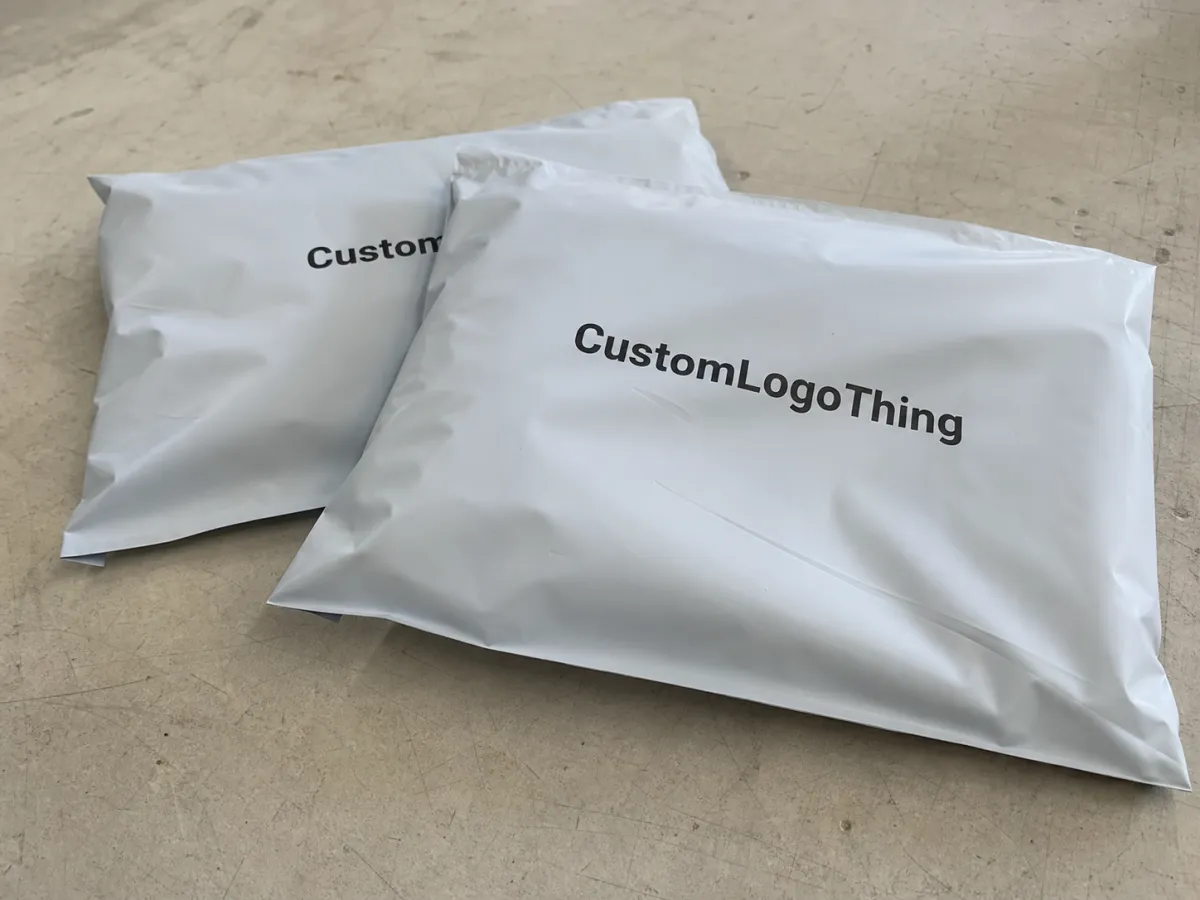
The biggest pricing mistake is assuming material thickness drives the whole quote. It does not. Size, print coverage, finish, and quantity usually matter more. A soft-touch surface raises perceived value, but it also adds production steps and can expose rub marks or color shifts if the base film is too light.
Tea brands notice this quickly because the contents are often lighter than the packaging around them. A refill pouch, sampler, or gift set may weigh less than the mailer and carton combined, so a small change in outer size can push dimensional weight up fast. That means the wrong mailer can cost more in shipping than in film.
Soft touch is useful when the order needs a calm, premium look. It reduces glare, softens color transitions, and gives the package a more controlled feel. That works well for subscription tea, launch kits, and seasonal gifts. It does not, however, hide weak structure or sloppy pack-out. If the mailer splits, curls, or arrives scuffed, the finish only makes the problem easier to notice.
So the quote should reflect the full shipment, not just the print. Fit, carton count, freight method, and reorder cadence all affect landed cost. A package can look refined and still be a poor buying decision if it slows fulfillment or increases returns.
Material and finish details that shape protection and shelf appeal
Soft touch usually refers to a coating or lamination that creates a low-gloss, velvety surface. The visual effect is simple: less glare, calmer color, more restraint. For tea packaging, that pairs well with earthy palettes and minimal layouts that should feel premium without looking loud.
The tradeoff is durability. A soft-touch surface can show scuffs sooner than a harder finish if the film is too thin or the print cure is weak. That does not make it a bad option. It just means the buyer should ask how the finish behaves in transit, not only how it looks in a mockup.
Good supplier conversations should include seal strength, tear resistance, and rub performance. If the discussion stays on appearance and skips mechanics, that is a warning sign. Tea mailers are often handled more than once before the customer sees them, especially when the order moves through fulfillment, distribution, and last-mile delivery.
Protection still comes first. A sensible starting point for many tea shipments is a co-extruded polyethylene film in the 2.5 to 4 mil range. Lighter refill packs and sample orders can often stay near the lower end, while heavier bundles, tins, or multi-item kits may need a thicker build and a stronger closure.
Color should also be proofed on this surface. Dark tones often look richer, while tiny type and fine rules can soften slightly. If the design depends on exact color separation or small legal copy, ask for a production sample or proof that reflects the real finish rather than a generic mockup.
For a practical benchmark on handling stress, ISTA testing guidance is useful when you want to discuss drop risk, vibration, and carton pressure with a supplier.
Size, thickness, and print specifications to confirm before quoting
Before a quote means anything, the base spec has to be fixed. That means flat size, usable opening, film thickness, seal style, and printable area. Tea brands commonly ship a few different pack types, so one mailer size rarely handles every SKU neatly.
- Flat size: Match the mailer to the filled pack, not the empty pouch.
- Usable opening: Confirm the real insertion width after the seal area is counted.
- Film thickness: Common planning points are 2.5, 3, and 4 mil, with heavier builds for bulkier kits or rougher transit.
- Printable area: Check where the artwork lands once margins, seal, and bleed are removed.
- Seal style: Verify whether the closure is peel-and-seal, tamper-evident, or another adhesive format.
As a planning baseline, tea mailers often start around 6 x 9 inches for samples, 7 x 10 inches for smaller refills, and 8 x 10 or 9 x 12 inches for larger assortments. Those are starting points, not rules. A gusseted pouch, insert card, or rigid tin can change the usable depth enough to require a larger outer pack.
Artwork specs need the same discipline. Ask for file format, bleed, safe zone, and ink count before design begins. Most suppliers will want print-ready files in layered PDF, AI, or EPS format with fonts outlined or embedded. If the art uses a very dark field or a saturated brand color, confirm how many passes are required and whether the print method can hold small type at speed.
Tolerances matter more than many buyers expect. A small shift in flat size, seam position, or shade may be normal. A seal failure, print drift, or carton count change is not. If a supplier cannot explain its tolerance range, the quote is not yet specific enough for a bulk order. Even a minor dimensional change can affect freight, storage, and shelf fit.
Also ask how the mailers are packed in the master carton. Flat, aligned, and clean is the baseline. If the pack-out is sloppy, mailers can arrive curled, scratched, or hard to run on the line.
Pricing, MOQ, and quote structure for bulk mailers
Bulk pricing usually comes from five levers: size, gauge, print colors, finish, and quantity. Soft touch adds process cost, and more coverage adds ink or production time. Larger mailers use more film. Lower quantities spread setup across fewer pieces. That is why two quotes can look close until the same exact spec is compared side by side.
MOQ depends on the print method. Stock-style orders can start lower because the base material already exists. Fully custom soft-touch mailers often begin around 5,000 pieces and move upward from there. Digital programs may go lower, but the unit price rises. Flexo or gravure can improve economics at scale, though they may bring plate or setup charges. Ask for those charges separately so they do not disappear inside a single bundled number.
Compare offers on the same basis: unit cost, setup fees, proof fees, freight, and sample charges. A quote that hides those items is hard to use for budget planning.
| Option | Typical unit cost at 5,000 pcs | Best for | Tradeoff |
|---|---|---|---|
| Stock poly mailer with label | $0.10-$0.18 | Fast replenishment, low design complexity | Lowest brand impact at delivery |
| Standard printed poly mailer | $0.18-$0.30 | Routine tea shipments and repeat SKUs | Less tactile appeal than soft touch |
| Soft-touch printed poly mailer | $0.28-$0.45 | Subscription tea, gift sets, premium launches | Higher setup and finish cost |
| Soft-touch with heavy coverage or specialty ink | $0.35-$0.55 | Hero SKUs and high-visibility campaigns | More testing and more proofing |
Those ranges are planning numbers, not promises. Freight, duties, cartons, and destination all change the landed cost. A useful quote should separate recurring cost from one-time cost so procurement can compare suppliers fairly.
If your tea brand orders on a repeating cycle, a structured wholesale program may matter more than a small first-order discount. Review the Wholesale Programs page to see whether reorder tiers, quantity breaks, and seasonal holds are built into the pricing model.
Production steps and lead time checkpoints for bulk orders
Production only starts cleanly after the quote is approved and the artwork is locked. The main delays usually happen between commercial approval and file readiness. A supplier can only print what it can actually use, so missing dielines, late revisions, and inconsistent files slow everything down.
A reliable order usually moves through these steps:
- Quote approval and specification lock.
- Artwork handoff with dieline, bleed, and copy checks.
- Digital proof for layout, color placement, and seal reference.
- Material allocation and print scheduling.
- Printing, curing, slitting, and sealing.
- Final inspection, carton packing, and freight booking.
For many bulk custom mailer orders, proof approval to shipment often lands around 12 to 15 business days. That is a planning range, not a guarantee. Heavy coverage, complex artwork, or seasonal demand can stretch it. Rush service may be available, but only if the material exists and the proof is approved quickly.
The same few issues cause most delays: missing dielines, late revisions, inconsistent artwork files, and freight decisions made too late. Build two buffers into the schedule: one for proofing and one for transit. Work backward from the in-market date instead of hoping the ship date will hold.
Seasonal tea launches should have their own timeline. They should not sit in the same queue as routine replenishment. Keeping evergreen SKU files separate from campaign files reduces errors and makes reorders faster. Packaging is not a good place to improvise under pressure.
If your order repeats on a predictable cycle, a packaging partner that supports repeat-buy workflows inside Custom Packaging Products can reduce proof back-and-forth and prevent avoidable version mix-ups.
Supplier checks that matter before you commit to a run
Before placing the bulk order, confirm whether the sample reflects the actual production process. A good-looking sample is not enough. You want to know where it came from, whether it used the same finish and seal system, and whether it matches the quoted spec.
Compliance support matters too. Tea mailers may not touch the product directly, but buyers still need clean documentation. Ask for material specs, ink details, and adhesive information. If the order includes paper inserts or cartons, FSC support for paper components may matter as well. For end-of-life messaging, use a reliable source such as the EPA recycling basics page instead of broad claims that do not help the buyer.
Communication is another useful filter. Good suppliers answer questions before the order, not only after the invoice. They should be able to explain revision timing, proof turnaround, and what happens if quantity changes after signoff. That kind of clarity saves money because it reduces wrong assumptions.
Ask these questions before you commit:
- What are the normal shade tolerances across a run?
- How does the finish hold up under rubbing and carton pressure?
- Can the supplier show a production sample, not just a mockup?
- How are the mailers packed so they stay flat and clean in transit?
- What happens if the order changes after proof approval?
Inventory handling matters more than it looks. Bulk mailers should arrive flat, stacked cleanly, and sealed so the adhesive strip stays usable. Dust, curl, and crushed corners all create work at receiving. The cleanest orders are usually the least dramatic ones.
If you need a quick way to pressure-test response quality, use the supplier's FAQ and support flow before you buy. For internal alignment, the FAQ can also help the team settle the basics before files are sent.
Next steps to finalize quantities, artwork, and ship dates
Before requesting the final quote, gather five items: exact flat size, target quantity, artwork files, delivery ZIP code, and the preferred ship window. If you also know whether the tea ships as a single pouch, sample kit, or gift set, the supplier can recommend a better mailer size without guessing.
Then ask for a line-item quote. Unit cost, setup fees, freight, and sample charges should all be visible. That format makes supplier comparison easier and keeps one-time costs from hiding inside the per-piece number.
Proof approval should be the final gate, not the first formality. Check thickness, finish, dimensions, print placement, and seal alignment against the actual tea format. If one mailer has to fit multiple SKUs, test the largest product and the fastest packing motion. A package that looks right but slows down fulfillment is the wrong package.
For most brands, tea Soft Touch Poly Mailers Bulk order planning works best when spec, artwork, and freight move together. Keep those three aligned and the order is easier to price, easier to produce, and easier to ship.
FAQ
What do I need to request a tea soft touch poly mailers bulk order quote?
Send the flat size, thickness, print colors, finish, and intended use, whether that is retail, subscription, or sample shipping. Include target quantity, ship-to ZIP code, and any artwork files or brand rules. Ask for a breakdown of unit cost, setup fees, freight, and sample charges so the quote is actually comparable.
How do soft touch poly mailers compare with standard mailers for tea brands?
Soft-touch mailers usually feel more premium and create a stronger first impression for giftable or subscription tea. Standard poly mailers often cost less, but they do not deliver the same tactile signal at delivery. The right choice depends on whether the shipment needs to protect, market, or do both.
What MOQ should I expect for bulk tea mailer orders?
MOQ depends on size, print method, and whether the order is stock-based or fully custom. Fully custom soft-touch programs commonly start around 5,000 pieces, while lower quantities usually carry a higher unit cost because setup is spread over fewer mailers. Ask for tiered pricing if you want to see the next break.
How long does production usually take after proof approval?
Many bulk custom mailer orders land around 12 to 15 business days from proof approval to shipment, assuming materials are ready and revisions are minimal. Complex artwork, busy seasons, or freight complications can stretch that. If the launch date is fixed, confirm the schedule before approving the final proof.
Can tea soft touch poly mailers be customized for different product sizes?
Yes, but it helps to keep the number of sizes under control. One base mailer can sometimes fit several SKUs if the internal pack-out is consistent. For seasonal or promotional runs, confirm the artwork version, minimum quantity, and fit against the largest product before splitting into multiple designs.
What should I do before I place the order?
Confirm the size, finish, quantity break, print count, freight destination, and proof timing one last time. Then compare the line-item quote against your launch budget and fulfillment plan. That final check is the difference between a tidy launch and a rushed reprint.


