Buyer Fit Snapshot
| Best fit | Scented Packaging Sleeves Work projects where brand print, material claims, artwork control, MOQ, and repeat-order consistency need to be specified before quoting. |
|---|---|
| Quote inputs | Share finished size, material target, print colors, finish, packing count, annual reorder estimate, ship-to region, and any compliance wording. |
| Proofing check | Approve dieline scale, logo placement, barcode or warning zones, color tolerance, closure strength, and carton packing before bulk production. |
| Main risk | Vague material claims, crowded artwork, missing packing details, or unclear freight terms can make a low unit price expensive after revisions. |
Fast answer: Scented Packaging Sleeves Work: Material, Print, Proofing, and Reorder Risk should be specified like a repeatable production item. The safest quote records material, print method, finish, artwork proof, packing count, and reorder notes in one written spec.
Production checks before approval
Compare the actual filled-product size with the drawing, then confirm tolerance on folds, seals, hang holes, label areas, and retail display edges. Reserve space for logos, QR codes, warning copy, and material claims before decorative graphics fill the panel.
Quote comparison points
Review material grade, print process, finish, sampling route, tooling charges, carton quantity, and freight assumptions side by side. A quote is only useful when the supplier can repeat the same color, closure quality, and packing count on the next order.
If you are sorting through tips for scented packaging sleeves, the goal is not to make the package smell louder. The goal is to make the scent feel deliberate: stable in transit, appropriate for the product, and consistent from sample to final delivery. A well-made scented sleeve can turn a plain carton into a sensory cue, but only when paper, coating, fragrance load, and shipping conditions are planned as one system rather than treated as separate decisions.
Scent shapes memory in a way packaging teams sometimes underestimate. Research on odor recall has long suggested that smell can trigger recognition more quickly than sight alone, which is one reason a scented sleeve can make a holiday launch feel more festive, a skincare line feel calmer, or a gift set feel more premium before the box is even opened. The catch is simple: scent is a material choice, not decoration, and it behaves differently from foil, embossing, or ink coverage.
For brand teams and packaging buyers, the smartest approach is to let the sleeve support the product instead of competing with it. With the right build, scented sleeves can strengthen package branding, lift shelf appeal, and add a sensory layer to Custom Packaging Products without tipping into gimmick territory. That balance matters more than many first-time buyers expect, because the wrong fragrance can make even premium packaging feel hurried.
Scented Packaging Sleeves: What They Are and Why They Stand Out
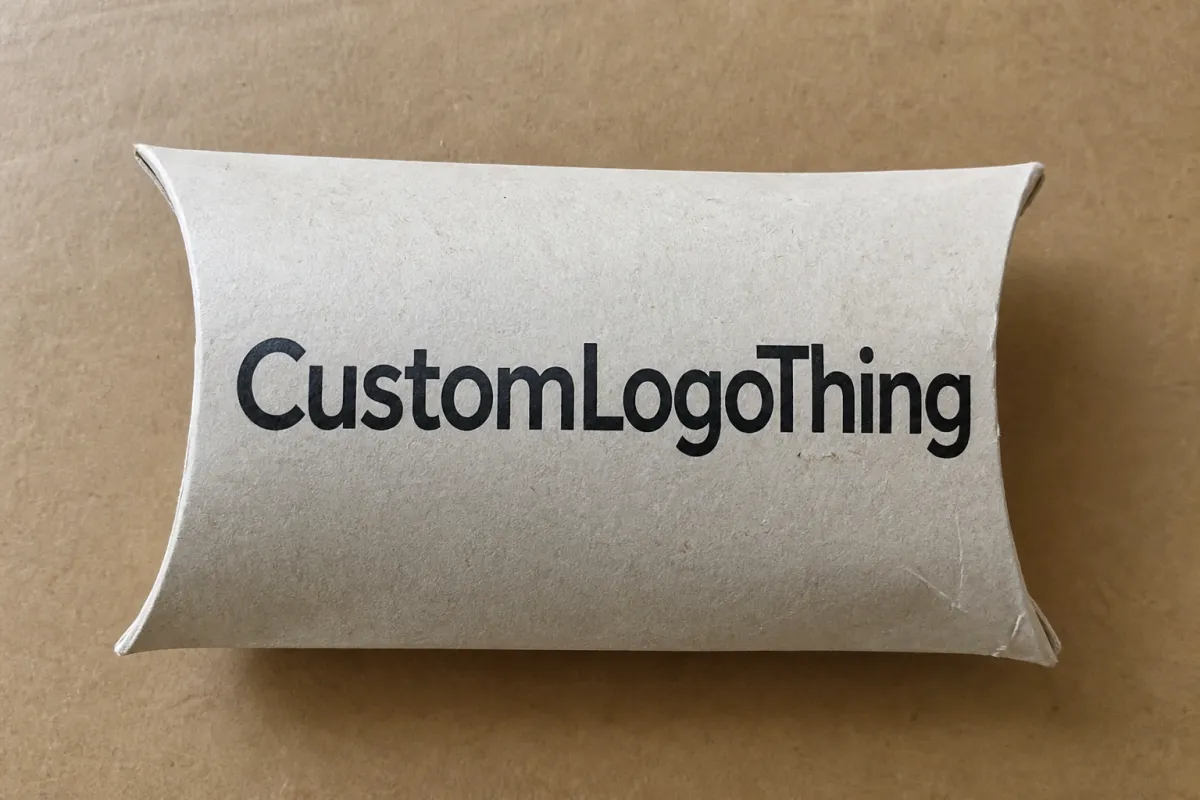
Scented packaging sleeves are printed outer wraps or slip-on bands that carry a controlled fragrance through the paper, coating, ink system, or a treated layer applied during production. They sit outside the product package and release a light scent cue before the customer lifts the lid or removes the wrap. That cue can be subtle, but it changes first impression in a way a visual design rarely can on its own.
Picture a skincare brand that wants its mailer to feel clean and calming, or a candle line that wants the outer packaging to echo the fragrance family inside. The sleeve creates that bridge early. It is a small surface area, yet it can carry real weight in retail packaging, subscription kits, and premium gift presentations where texture and fragrance shape the experience.
There is a clear upside. Scent can reinforce the product story, support a seasonal release, and make unboxing more distinctive. The downside is just as clear. A fragrance that is too heavy, too synthetic, or too inconsistent from one run to the next can make the package feel cheap instead of refined. From a packaging buyer's perspective, scented sleeves deserve the same discipline as any other production element.
A good scented sleeve should feel like part of the brand language, not like perfume sprayed on paper. If the smell is the first thing people notice for the wrong reason, the packaging has already lost the room.
That tradeoff is why the best sleeves are often the least theatrical. Strong scent memory helps, but shelf appeal still depends on clean graphics, stable materials, and repeatability. The strongest projects create a quiet link between the outer packaging and the brand promise, then hold that line from sample approval through final shipment.
How Scent Transfers Through Packaging Sleeves
The path scent takes through a sleeve is more practical than mysterious. Fragrance can be built into inks, varnishes, coatings, labels, inserts, or treated paper surfaces, then released by handling, warmth, or friction. That is why some sleeves smell stronger when rubbed, while others give off a softer headspace aroma that becomes noticeable only when the package opens.
Two behaviors matter most. Headspace scent gathers inside the package or around the sleeve and becomes noticeable when the box opens or the wrap comes off. Touch-release scent activates when the surface is handled or lightly pressed. Each route creates a different customer experience, and each route needs a different material plan.
Paper porosity changes the result more than many teams expect. Uncoated stock usually allows scent to release more readily, while coated or laminated paper can hold aroma longer but may need a different application method to make the scent noticeable. A soft-touch coating can make the sleeve feel plush and premium, yet it may also slow fragrance escape. Lighter uncoated board often releases scent faster, although it may not preserve the aroma as long in transit.
Barrier layers sit at the center of the decision. If the fragrance is meant for the outer sleeve only, the structure should stop it from migrating into the product or into nearby packaging components. That matters in cosmetics, food-adjacent retail packaging, and gift sets with multiple materials in one shipper. Uncontrolled transfer can create cross-contamination of odors, which is rarely the intended effect.
Fragrance families do not behave alike. Citrus notes can feel bright and short-lived on some stocks, while vanilla, musk, or sweeter accords often persist longer and read heavier. Herbal and botanical notes usually land somewhere in the middle, though dense coatings or heavy print coverage can mute them. That is why testing belongs on the actual stock, not a generic sample sheet.
From a production standpoint, scent is not just chemistry. It is packaging design. The same printed sleeve can feel fresh, warm, or flat depending on the fragrance route, finish, and handling conditions. A fragrance-controlled sleeve is closer to engineered product packaging than a simple printed accessory.
Key Factors That Shape the Look, Feel, and Scent
Substrate choice comes first because it sets the ceiling for how the project behaves. Uncoated paper usually offers a more natural scent release, while coated stocks often need a more deliberate application strategy. If the brand wants a smoother, more polished surface, coated board can still be the right choice, but the fragrance layer should be selected for that surface rather than forced onto it later.
Finish is the next major variable. Matte and soft-touch finishes signal a quiet premium tone, while gloss can make colors pop and hold attention on shelf. Foil adds contrast and supports higher-end branding, yet any finish that seals the surface more tightly can change how the scent travels. Aqueous coatings often sit in the middle, offering protection without the same barrier effect as heavier laminations. The right choice depends on how much fragrance should release, how long the sleeves will sit in storage, and how the product will be handled.
Scent strength deserves its own plan, because dosage is a design decision as much as a manufacturing step. Too little fragrance and the sleeve becomes forgettable. Too much and the experience turns crowded or chemical, especially in smaller retail spaces or tight shipping cartons. In many runs, the sweet spot is a light, controlled release that reads clearly in the hand but does not dominate the room.
Storage and distribution conditions can change the final result more than buyers expect. Heat can push a fragrance forward too quickly, humidity can affect the paper, and long warehouse dwell times can dull the top notes before the customer ever sees the package. If sleeves will sit in transit, distribution centers, or seasonal inventory, the build should account for that timeline from the start.
Compliance and safety belong early in the discussion. Different fragrance components may raise allergen questions, and some markets care more about disclosure or material compatibility than others. For brands using FSC-certified paper or building a more responsible packaging story, it helps to align the scent plan with the sustainability plan rather than treat them as separate choices. You can review paper sourcing standards through FSC, especially if the sleeve is part of a broader sustainability message. For cosmetics, food-adjacent items, or exports, ask for written confirmation on compatibility and any required disclosures before you approve the final run.
Here is a simple way to think about the key choices:
- Uncoated paper usually gives faster scent release and a more tactile, natural feel.
- Coated paper often improves print sharpness but may reduce scent release unless the application method changes.
- Soft-touch finishes strengthen premium perception, though they can soften fragrance intensity.
- Gloss and foil sharpen shelf presence, but they should be checked for compatibility with the scent layer.
- Heat and humidity can alter aroma performance during storage, shipping, and retail display.
One more practical point: the packaging buyer should ask how the sleeve behaves after it sits in a closed carton, not just how it smells on press day. A sample that seems ideal in the sample room can act differently after four weeks in a warehouse or a cross-country shipment. That is why this kind of packaging design work pays off only when testing matches real conditions.
Scented Sleeve Process and Timeline: From Brief to Production
A clear brief saves time on every scented sleeve project. Start by defining the product category, the emotion you want the package to create, the fragrance family, the target shelf life, and the budget range. A luxury candle sleeve, a spa gift wrap, and a men's grooming carton will all need different scent choices, different paper behavior, and different visual cues. If the brief is vague, the sample stage usually gets slower and more expensive.
Once the brief is set, the visual proof comes next, but it should never be judged alone. A sleeve can look excellent in PDF form and still underperform as a scented piece if the stock or coating is wrong. The better path is to review the print proof, the physical sample, and the scent sample together. That lets the team judge how the package will actually feel in the hand, not just how it appears on screen.
Drying or curing time matters too, especially when fragrance is applied through a coating, varnish, or treated layer. Freshly finished sleeves often smell stronger than they will after full stabilization. If the run is rushed, the scent may not settle evenly, and the odor profile can drift from one carton to the next. Production planning should include enough time for drying, quality inspection, and final packing so the fragrance reaches the customer in the intended state.
Lead time is usually driven by the number of variables, not just print quantity. Custom artwork, special coatings, scent testing, and extra approval cycles can each add time. A straightforward sleeve with one fragrance and a standard paper could move through production faster than a more complex build with multiple finishes, a specialty board, and a custom scent treatment. That difference matters when a seasonal launch or retailer deadline is fixed.
It helps to think of the process in stages:
- Briefing - define the product, scent family, budget, and required quantity.
- Material selection - choose paper, finish, and application method that match the fragrance goal.
- Visual proofing - review artwork, copy, and structural fit.
- Scent testing - confirm strength, release, and stability on the real stock.
- Production setup - lock in print, scent application, drying, and packing sequence.
- Final inspection - check odor consistency, appearance, and sleeve fit before shipment.
If you are planning a broader packaging program, coordinate the sleeve with other components such as Custom Packaging Products that share the same visual system or fragrance family. That keeps the brand experience steady across outer mailers, product boxes, and inserts.
For teams that need to stress-test transit behavior, industry transport protocols are useful reference points. The ISTA testing framework is a practical place to start when you want to understand how a packaging format may behave after vibration, drops, or environmental changes during distribution. Scented sleeves are not the only item affected by shipping, but they are often the first to show it when a package is not built with the full journey in mind.
Cost, Pricing, and MOQ Considerations for Scented Sleeves
Pricing for scented sleeves depends on more than quantity. Stock selection, fragrance method, finishing, packaging format, and testing all shape the final quote. A sleeve on simple uncoated paper with one fragrance treatment will usually cost less than a sleeve that combines premium board, soft-touch lamination, foil accents, and a custom scent system. Unit price should always be read alongside the production method, because a low quote can hide weak scent performance or inconsistent application.
MOQ is another practical concern. Specialty processes often need a higher minimum run because setup, test sampling, and scent handling all carry cost. That does not mean smaller runs are impossible, but the economics can shift quickly once fragrance and extra quality control enter the mix. A buyer who knows the intended run size early can avoid paying for a configuration that is too complex for the volume.
Comparing scented sleeves to standard sleeves can be misleading if print is treated as the only difference. Fragrance handling often adds separate steps for material approval, odor evaluation, drying, packing controls, and sometimes slower production speeds. Those steps protect the final unboxing experience, but they also push the project above the cost of a normal sleeve.
The table below gives a practical comparison of common approaches. These are planning ranges, not fixed quotes, because the exact cost will depend on artwork coverage, stock, size, and the fragrance process used.
| Approach | Typical MOQ | Relative Unit Cost | Scent Control | Best Use Case |
|---|---|---|---|---|
| Standard printed sleeve with no scent | 1,000 to 3,000 pcs | Lowest | None | Basic retail packaging and budget-led product packaging |
| Scented sleeve on uncoated stock | 2,500 to 5,000 pcs | Moderate | Good release, lighter barrier | Natural brands, gift sets, and lighter fragrance concepts |
| Scented sleeve with coated or finished stock | 5,000 pcs and up | Moderate to higher | More controlled, may need testing | Premium branding with stronger shelf presentation |
| Multi-finish custom scented build | 10,000 pcs and up | Highest | Most engineered | Launches, seasonal retail programs, and high-visibility branded packaging |
From a budgeting standpoint, the best comparison is not just unit cost. Look at how much the sleeve improves recall, how well it supports retail packaging, and whether it increases perceived value enough to justify the added spend. A sleeve that costs more but makes the product feel genuinely premium can be the better investment.
It helps to compare the sleeve against other packaging elements too. A scented insert or treated label may be a better economic fit than scenting the entire outer wrap. Other times, the sleeve is the right choice because it sits in the most visible part of the package and carries brand identity best. Good package branding starts with the customer experience and only then moves into pricing.
Common Mistakes to Avoid with Scented Packaging Sleeves
Over-scenting is the easiest mistake to make. Stronger fragrance does not mean a better result, and in packaging it usually backfires. A sleeve that smells too intense can read as cheap, synthetic, or disruptive, especially if the product inside already has its own scent profile. A lighter, more controlled release usually feels more intentional.
Picking materials before testing the scent system causes trouble later. Some papers mute fragrance too much, while others release it too quickly. If the buyer chooses a beautiful stock and only later asks the fragrance team to make it work, the project can become expensive and slow. Material compatibility belongs in the first sample round, not as cleanup work.
Another issue shows up when the brand story and the scent profile do not match. A clean skincare line needs a different note direction than a gourmet product, a holiday set, or a luxury candle. If the fragrance contradicts the artwork, the unboxing experience becomes confusing. Color palette, typography, and scent should all tell the same story.
Skipping storage tests can be costly. A sleeve that smells perfect when it leaves production may lose strength, shift character, or affect adjacent materials after shipping. If the sleeves will be boxed with other components, that effect matters even more. The right question is not just whether it smells good now, but whether it still smells right after freight, warehousing, and retail handling.
Art and scent should support each other, not fight for attention. Busy graphics, tiny legal copy, and multiple scent signals can make the package feel crowded. A cleaner design usually lets the fragrance do its job. That matters especially in product packaging where the customer only spends a few seconds with the outer wrap before moving on to the item itself.
- Avoid treating fragrance as decoration instead of a controlled material choice.
- Avoid approving artwork before checking scent behavior on the actual stock.
- Avoid using a scent family that conflicts with the product category.
- Avoid ignoring storage, shipping, and retail dwell time.
- Avoid overloading the design with print, finish, and fragrance all trying to be the hero.
One more practical note: if the sleeve is part of a larger Custom Printed Boxes program, the whole system should be reviewed together. A visually strong box with a poorly matched sleeve can weaken the impression, while a modest design with a well-controlled scent can feel surprisingly elevated. The goal is consistency, not complexity for its own sake.
Expert Tips for Better Scented Packaging Sleeves
Start with one clear scent concept. That sounds plain, but it is one of the strongest tips for scented packaging sleeves because it keeps the project from drifting into confusion. If the brand story is clean and calming, use a fragrance that feels fresh and restrained. If the product is festive or indulgent, the scent can be warmer or richer. One direction. One decision tree. Fewer chances to dilute the experience.
Test on the exact stock and finish you plan to run. Fragrance behavior changes with paper, coating, and thickness, which makes this one of the most useful tips for scented packaging sleeves. A sample on the wrong stock can push the team into over-correcting fragrance load. Real material, real finish, real result.
Balance scent intensity with touchpoints. The strongest impression is not always the most fragrant one. A subtle opening note that becomes noticeable when the sleeve is handled often feels more refined than a perfume-like hit that announces itself from across the room. In premium retail packaging, restraint often reads as quality.
Design for logistics as well as display. Sleeves need to survive packing, shipping, shelf handling, and storage without losing their shape or their scent profile. If the project moves through a long distribution chain, that should influence material choice, fragrance load, and packing method. A sleeve that performs beautifully in the studio but fades in transit is not doing its full job.
Use quality control checkpoints that cover smell, fit, and print accuracy. A sleeve should be checked for consistent fragrance, proper alignment, and the correct physical dimensions before full release. If the scent level varies across the run, the whole project can feel less premium. Consistency is part of the brand promise.
The best scented sleeves do not announce themselves loudly; they confirm the brand quietly. That quiet confirmation is what makes the package feel thoughtful instead of gimmicky.
A few more practical refinements can change the outcome:
- Choose a fragrance family that matches the product category and customer expectation.
- Ask for a sample that has had enough time to dry or stabilize before judging the scent.
- Check the sleeve again after a short hold period, because the aroma can shift once the stock settles.
- Confirm how the sleeve will be packed with other materials so fragrance transfer does not create unwanted odor mixing.
- Keep the visual design clean enough that the scent remains a supporting feature, not a competing one.
- Check whether the sleeve can be produced in a way that fits your sustainability goals, especially if FSC-sourced paper matters to the brand story.
If you want the packaging to feel premium without becoming fragile or difficult to run, these tips for scented packaging sleeves do the heavy lifting. They help you make a sleeve that looks sharp on shelf, holds up in production, and adds a sensory cue customers remember.
Actionable Next Steps for Your Scented Packaging Sleeve Project
Start by writing a short brief that covers the product, the customer emotion, the fragrance family, the shelf-life expectation, and the budget range. That one page can prevent a lot of back-and-forth later. It also helps everyone involved understand whether the sleeve should feel fresh, warm, luxurious, playful, or seasonal.
Then request sample materials and ask for both print and scent tests. Do not settle for a visual proof alone. The physical sample tells you how the sleeve fits, while the scent test tells you how the material behaves in reality. If possible, compare the sample after initial drying and again after a short hold period so you can see whether the fragrance stays stable.
Next, compare at least two production paths. One option might be direct scent application on the sleeve, while another could use a treated component or scented insert. Each path has different Cost, Lead Time, and performance implications. A slightly more expensive option may still be the better choice if it gives you more predictable results and fewer storage issues.
It is also smart to leave room in the schedule for compliance and distribution checks before artwork is finalized. Material compatibility, odor transfer, and packaging fit all affect the final run. Catch those concerns early and you reduce the chance of delays when the job is already in motion. That matters most for retail packaging programs with fixed launch dates.
If your project also includes printed cartons, outer wraps, or custom printed boxes, align those pieces at the same time. Consistent graphics and consistent scent cues make the whole package feel more deliberate. A cohesive system does more for brand recall than a single dramatic component ever could.
As a final check, ask whether the sleeve still supports the product after shipping, storage, and unboxing. If the answer is yes, you are close to the right design. The best tips for scented packaging sleeves are not complicated: keep the fragrance subtle, keep the materials stable, and keep the brand experience memorable from the first touch to the last fold.
FAQ
What are the best tips for scented packaging sleeves for small runs?
Keep the scent formula simple and use one material combination so the run stays consistent from sleeve to sleeve. Ask for a short sample batch first, because small runs are the easiest way to test scent strength, print quality, and fit before scaling up. That approach helps you spot problems without locking into a larger MOQ too early.
How do you stop scented packaging sleeves from smelling too strong?
Control fragrance load at the application stage and test the sleeve after drying, since fresh application can smell stronger than the finished piece. Match the stock and coating to the intended fragrance level so the scent releases gently instead of all at once. If the packaging is intended for retail display, err on the side of subtle rather than aggressive.
Which materials work best for scented packaging sleeves?
Uncoated and lightly coated papers often release scent more naturally, while heavier coatings may need a different application method. The best material is the one that supports your visual finish, scent behavior, and shipping conditions at the same time. In many cases, the decision comes down to whether you want quicker release or longer retention.
How much do scented packaging sleeves cost compared with standard sleeves?
They usually cost more because of fragrance handling, testing, and any specialty finish or stock required for the project. The most accurate way to compare cost is to look at unit price, MOQ, and the extra value the scent adds to brand perception. A sleeve that improves unboxing and recall can justify a higher price if the brand impact is strong enough.
How long does production take for scented packaging sleeves?
Timeline depends on proofing, scent testing, drying or curing, and approval cycles, not just print production alone. If you need a faster turnaround, simplify the material stack and fragrance plan early so fewer variables can slow the job. The more complex the finish and scent system, the more time you should leave for review and stabilization.


