For toy brands, toy retailer hang tags lead time usually gets squeezed by something far more ordinary than press speed: a late artwork change, a missing barcode, or one extra approval round that sends the job back to the start. I have watched a simple tag order slip by nearly a week because the legal line changed after the proof was already out. The press was ready. The file was not. That is the part people miss.
The print run matters, of course, but in practice toy retailer hang tags lead time is often controlled by the first clean approval cycle, not by how quickly sheets move through production. A hang tag is tiny compared with a carton or a shipper, yet it sits right in the middle of retail timing, packaging compliance, and seasonal inventory flow. If the tag misses the ship date by even a few days, a product can arrive without the right shelf presentation, and the buyer feels that gap immediately. The goal is not just faster toy retailer hang tags lead time; it is a schedule that can survive real-world changes without turning into a fire drill.
One more thing: people talk about lead time as if it were one fixed number, but it is really a chain of smaller timings. If one link gets weak, the whole order drifts. That sounds tidy on paper. In a real packaging calendar, it is usually a little messier than that.
What Toy Retailer Hang Tags Lead Time Really Means
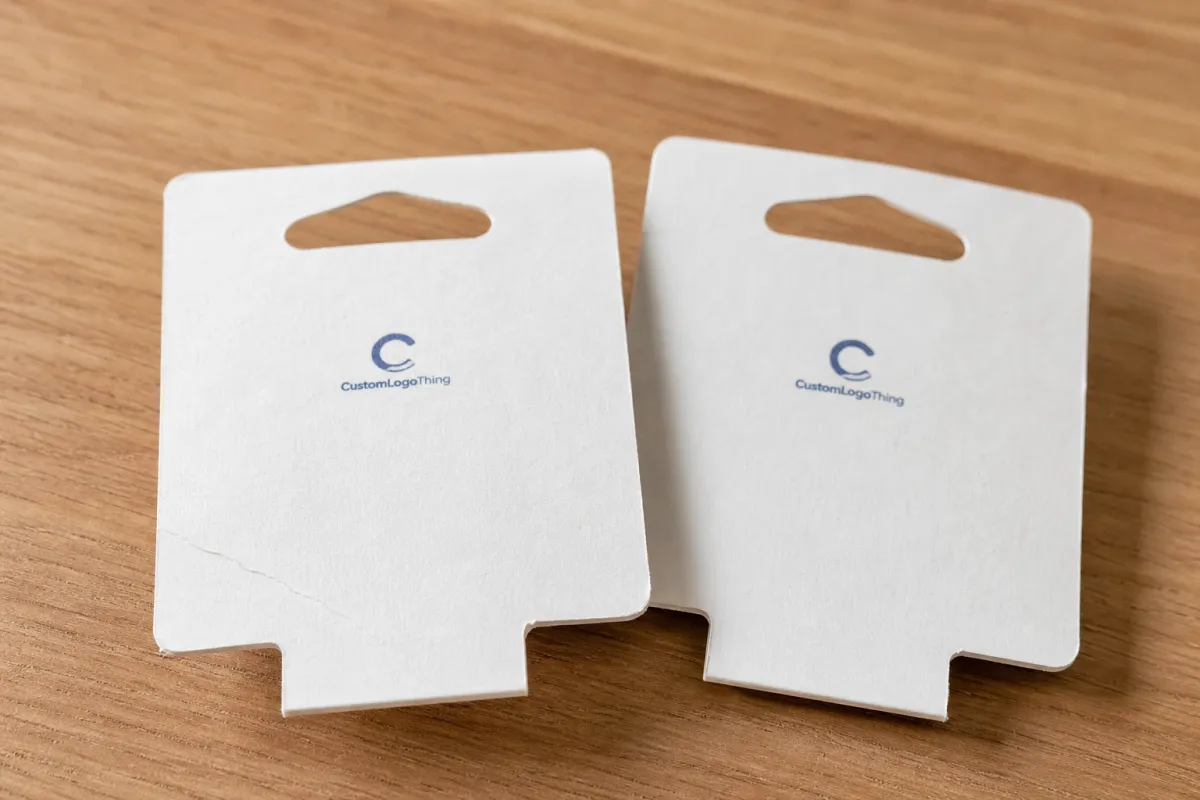
Toy retailer hang tags lead time is the total span from approved artwork and final specs to finished tags arriving at the buyer's dock, warehouse, or distribution center. It includes proofing, production, finishing, packing, and freight. Some teams only look at press time, but that is one slice of the clock. A job that prints in two days can still take two weeks if the proof loop stalls or freight is booked late.
Toy retail is different from many other categories because the packaging deadline is rarely flexible. Seasonal resets, promotional windows, and planogram dates leave little slack. Retailers want the tags on time because the product may be tied to a catalog release, a holiday display, or a replenishment cycle already loaded into their systems. That is why toy retailer hang tags lead time becomes a planning issue, not just a production issue.
It helps to separate four terms that often get blended together:
- Quote time - how long it takes to price the job after specs are received.
- Proof time - the time needed to review digital or physical proofs and approve corrections.
- Production time - printing, finishing, die cutting, hole punching, and packing.
- Transit time - shipment from the plant to the receiving dock.
When buyers say they need faster toy retailer hang tags lead time, they often mean they need fewer unknowns. Cleaner files cut down on proof cycles. Clearer specs reduce pricing back-and-forth. Early freight planning avoids shipping surprises. Faster lead times usually come from better information, not just faster equipment.
"If the art is still moving, the schedule is not real yet."
That line sounds blunt because packaging tends to be blunt about reality. One small edit to the age grade, barcode size, or legal copy can send a proof back into review. When a retailer is already waiting on merchandise receipts, that delay matters. A good supplier will flag risk points early so toy retailer hang tags lead time stays realistic instead of optimistic.
From a buyer's point of view, the smarter question is not "How fast can you print?" It is "What needs to be locked before this job can actually move?" That is where toy retailer hang tags lead time becomes predictable. The answer usually involves artwork, stock selection, and sign-off discipline more than anything else.
Toy Retailer Hang Tags Lead Time: How the Process Works
The process behind toy retailer hang tags lead time is usually straightforward, but every handoff adds risk if the information is incomplete. A typical job moves through inquiry, specs review, quotation, proofing, approval, production, finishing, packing, and shipping. Each stage depends on the one before it. If the size is unclear, the die line cannot be confirmed. If the quantity changes, the press plan may change. If barcode data is wrong, the proof loop starts over.
Here is how that flow normally looks in practice:
- Inquiry and specs - the buyer sends size, stock, quantity, print sides, finish, and delivery date.
- Quotation - the supplier prices material, setup, and finishing based on the exact request.
- Proofing - a digital proof or PDF is reviewed for layout, copy, and color placement.
- Approval - one person, or one coordinated team, signs off on final art.
- Production - the press runs, followed by die cutting, hole punching, and any special finishing.
- Packing and shipping - tags are counted, boxed, labeled, and handed to freight or parcel carriers.
The fastest toy retailer hang tags lead time usually comes from jobs where the buyer has already decided on the basics: finished size, paper or board choice, print side count, and attachment method. A 2" x 4" tag on 16pt C1S with a standard matte varnish is much easier to schedule than a custom shaped tag with foil, spot UV, and variable data. When the construction is simple, the timeline tends to stay simpler too.
Special elements can add steps. If the tag includes barcode sequences, multilingual copy, or toy safety and age-grading information, more people may need to review the proof. That can include brand management, legal review, retail compliance, and sometimes the packaging team. It is not unusual for the printing plant to be ready while the buyer is still collecting comments from three departments. In that case, toy retailer hang tags lead time is driven by internal approval speed, not by production capacity.
One useful habit is to treat the dieline as a control document. If the dieline changes after artwork has already been built, the whole file has to be rechecked. That is especially true when the hang tag has a reinforced hole, a fold, or a complex shape that must line up with graphics. A stable dieline keeps toy retailer hang tags lead time from drifting every time someone notices a small design issue late in the process.
If the order includes multiple SKUs, the process gets even more sensitive. Different toy lines may need different age grades, different UPCs, or retailer-specific copy. That means one job can branch into several proof sets. A supplier can manage that, but only if the buyer shares the full item matrix up front. Missing SKU details are one of the most common reasons toy retailer hang tags lead time stretches beyond the first estimate.
For buyers building a wider packaging program, it can help to coordinate tags with Custom Labels & Tags at the same time, especially if the launch includes stickers, warning labels, or matching retail callouts. Shared specs can reduce duplicate approvals, which often improves toy retailer hang tags lead time across the whole packout.
When the approval path is clean, the production path becomes much easier to forecast. That is why the best supplier conversations are not just about price. They are about what has to be locked before the job can move from quote to proof to press. The clearer that sequence is, the more accurate toy retailer hang tags lead time becomes.
Toy Retailer Hang Tags Pricing, MOQ, and Lead Time
Pricing and timing are tied together more closely than many buyers expect. Toy retailer hang tags lead time is often shorter on larger, repeatable runs because the setup can be spread across more pieces, but that does not always mean the job is cheaper in absolute terms. The real question is which run size gives the best balance of cost, calendar, and risk.
The biggest pricing drivers are quantity, stock choice, print sides, finishing, die-cut complexity, and whether the tag needs variable data. A simple four-color tag on 14pt C1S can price very differently from a soft-touch laminated tag with foil accents and a custom shape. If a supplier has to source a specialty stock, that may add both cost and calendar time. The same is true when the job requires an extra finishing pass after printing.
MOQ matters because setup time is not linear. A 500-piece run may still need the same proofing, plate or file prep, and finishing setup as a much larger order, so the unit cost rises. That is why the cheapest-looking quote can become expensive on a per-tag basis. Buyers planning toy retailer hang tags lead time should ask for tiered pricing so they can compare run sizes side by side before choosing the quantity.
Here is a simple planning table based on common retail tag builds. These are broad ranges, not promises, and actual quotes depend on artwork complexity, stock availability, and shipping destination.
| Run Size | Typical Unit Price | Typical Production Window | Best Fit |
|---|---|---|---|
| 500 pieces | $0.55-$1.10 | 5-8 business days after approval | Short test runs, sample programs, small retailer drops |
| 1,000 pieces | $0.30-$0.60 | 5-7 business days after approval | Limited launches, regional rollouts, early sell-in |
| 5,000 pieces | $0.09-$0.22 | 7-12 business days after approval | Core retail orders, multi-store distribution |
| 10,000 pieces | $0.06-$0.15 | 8-15 business days after approval | National programs, repeat SKUs, seasonal replenishment |
Those numbers also show why toy retailer hang tags lead time can affect budget decisions. If a launch date is fixed, a buyer might choose a slightly more expensive construction if it removes the risk of a late receipt. A lower price is only useful when the tags arrive before the merchandise ships. Missing the shelf date costs more than the extra cents on the print quote.
A rush job can raise cost in several ways: overtime, expedited stock sourcing, a premium finishing slot, or faster freight. That does not automatically make rush production a bad choice. Sometimes the schedule is already compressed and the only practical fix is to buy time. The point is to compare all-in cost, not just the print price. For toy retailer hang tags lead time, the cheaper quote is not always the smarter quote if it pushes the receiving date too close to launch.
It also helps to ask for pricing by tier. A good quote will show what happens at 500, 1,000, 5,000, and 10,000 pieces, because the break point may surprise you. One extra carton of tags can sometimes lower the unit cost enough to justify a slightly larger run, especially if the tags are likely to be reused on a second shipment. That kind of decision can improve both cost control and toy retailer hang tags lead time planning.
Key Factors That Stretch or Shorten Lead Time
The material choice is often the first hidden driver. Paperboard thickness, coating, and specialty stocks all affect how the job is sourced and finished. A standard 14pt C1S board is usually easier to schedule than a textured stock or a premium uncoated sheet that must be ordered in advance. When buyers ask about toy retailer hang tags lead time, the material spec is one of the first details worth locking down because it shapes both availability and finishing speed.
Die-cut shape is another major factor. Straight corners and standard rounded corners are efficient. Custom holes, angled cuts, tags with flaps, and unusual silhouettes take more setup and inspection time. If a design calls for string attachments or a reinforced eyelet, that adds another step. None of those details are impossible, but they do affect toy retailer hang tags lead time because every extra operation has to be scheduled, checked, and packed correctly.
Artwork complexity is just as important. Dense legal copy, safety warnings, multilingual content, and barcodes all increase proofing care. Toy packaging often needs age grading, country-of-origin details, and retailer-specific information, and if any of that is missing, the proof may have to be reissued. A clean layout with a well-prepared barcode is far faster to approve than a crowded tag with three departments making late edits. That is a common reason toy retailer hang tags lead time slips by several days.
Operational capacity matters too. Press queue length, seasonal demand spikes, and the ship date to the buyer all affect the schedule. A job approved on Monday can move quickly in a quiet week, but the same job may wait behind holiday packaging orders or a large carton program. The plant may be ready, but if the calendar is crowded, toy retailer hang tags lead time still stretches. That is why "How busy are you right now?" is a practical question, not just a polite one.
Compliance checks can create their own delays. Toy labels and hang tags must be accurate, especially when the tag carries age warnings, CE or UKCA-related details where applicable, or specific retailer copy. A missing field can send the proof back for correction. Good buyers understand that quality checks are not red tape; they are the safeguard that keeps a reprint from happening later. Rework almost always costs more than spending an extra day on proof review.
For shipments that need to survive distribution rather than only printing, transit testing can be part of the conversation. Industry references such as ISTA are useful when a buyer wants to understand how packaging performs in shipping, vibration, and handling conditions. Likewise, if the tag stock or paperboard needs responsibly sourced fiber, FSC certification can matter for brand requirements and retailer expectations. Those standards do not shorten toy retailer hang tags lead time by themselves, but they do shape the spec and the approval path.
Here is the practical takeaway: the more custom the tag, the more places the schedule can move. That does not mean custom is wrong. It just means toy retailer hang tags lead time should be discussed alongside stock, finish, shape, and compliance, not after the creative team has already built the art.
Step-by-Step Guide to Shortening Toy Retailer Hang Tags Lead Time
If you want to shorten toy retailer hang tags lead time, start with the spec sheet. Do not send a vague request and hope the quote fills in the blanks. A useful brief should include finished size, quantity, board or paper preference, print sides, coating, attachment method, delivery location, and due date. If the project has multiple SKUs, list them clearly. That one document can remove hours of clarification and shave days off the approval cycle.
Next, lock the dieline early. Treat it like the master file. If the team keeps redrawing the shape while artwork is already in progress, the job will keep slipping backward. A stable dieline protects toy retailer hang tags lead time because every artwork revision is compared against one fixed structure. Even a small shift in the hang hole can alter the final layout enough to require another proof.
File preparation matters more than many buyers realize. Send print-ready art with fonts outlined, images embedded, and barcode data verified. If the tag includes a UPC or another scan code, check quiet zones and contrast before the proof is issued. A lot of wasted toy retailer hang tags lead time comes from preventable file issues such as low-resolution logos, missing bleed, or text that sits too close to the edge.
Approval speed is another big lever. Assign one internal owner who gathers comments from merchandising, brand, legal, and compliance teams, then returns one consolidated response to the supplier. If four people send four separate rounds of notes, the timeline will expand fast. The best jobs usually move through toy retailer hang tags lead time with one clear voice, not a chain of competing edits.
It also helps to think backward from the retail ship date. Build the schedule from the dock date in reverse:
- Transit - reserve enough time for carrier delays and receiving windows.
- Production - allow for the print run, finishing, and final pack-out.
- Proof approval - set a hard internal deadline for comments.
- Artwork creation - leave room for copy, barcode, and compliance review.
That reverse calendar often reveals where toy retailer hang tags lead time is actually getting spent. A buyer may think the schedule is tight because production is long, but the real issue is that proof approval was only given three days before the target ship date. Once the timing is visible, it becomes easier to correct.
Freight planning deserves its own line item. Even a well-run print job can miss the shelf date if shipping is booked too tightly. Ground service, LTL freight, and air service all have different cost and transit profiles. If the receiving warehouse has strict appointment windows, book earlier than you think you need to. A few extra days of freight cushion can protect toy retailer hang tags lead time far better than shaving a small amount off the production window.
For repeat programs, reuse what already worked. Standardize approved tag sizes, keep recurring copy blocks on file, and reuse constructions that have already passed retailer review. That is one of the simplest ways to reduce toy retailer hang tags lead time because the team spends less time rebuilding the same decisions every cycle. Repetition, if managed well, creates speed.
You can also compare matching custom tag formats through Custom Labels & Tags if the launch needs multiple branded components. That can reduce coordination work, especially when the same product line needs a hang tag, warning label, and retail identifier. Shared planning tends to make toy retailer hang tags lead time more manageable across the whole order set.
Common Mistakes That Slow Toy Retailer Hang Tags Lead Time
The first mistake is sending incomplete artwork. Missing bleed, unconfirmed barcode values, or a logo that was pulled from a web file can stop production before it starts. A printer can sometimes fix small issues, but that adds time and usually means another proof. For toy retailer hang tags lead time, incomplete files are one of the most avoidable sources of delay.
Changing the quantity after quoting is another common trap. A shift from 1,000 to 2,500 pieces can affect pricing, material planning, and press scheduling all at once. That is not just a budget adjustment; it is a production change. If the buyer keeps moving the number, toy retailer hang tags lead time becomes harder to predict because the shop has to re-evaluate the run every time the scope changes.
Skipping proof review is risky too. Some teams assume a small tag is too simple to need a careful read, but toy packaging often carries a lot of information in a tight space. Age grade, warnings, barcode placement, country-of-origin text, and brand messaging all have to fit. A rushed proof can miss one line, and that one line can cause a hold. The more eyes involved, the better the chance of catching a problem before it reaches press, but those eyes need one coordinated response.
Another mistake is assuming every finish is available at the same speed. Foil, spot UV, soft-touch coating, and unusual die shapes often add setup or inspection time. A buyer may see two tags that look similar on paper and assume the schedule will be similar too. It usually is not. Specialty finishing can easily change toy retailer hang tags lead time by several business days, especially if the material must pass through more than one finishing stage.
Freight gets forgotten more often than it should. I have seen orders finish production on time and still miss the shelf date because the shipment was booked at the last minute. That is a painful miss, because the work was essentially complete. If the plant is in one region and the warehouse is in another, transit needs to be built into toy retailer hang tags lead time from the start, not treated as an afterthought.
There is also a softer mistake: too many decision-makers with no final owner. When everyone can comment but nobody can decide, the proof cycle drags. A single owner does not mean other stakeholders are ignored; it means the comments are collected and resolved quickly. That kind of discipline is often the difference between steady toy retailer hang tags lead time and a schedule that keeps slipping by a day here and a day there.
Finally, some teams underestimate the effect of seasonal volume. Holiday packaging, back-to-school programs, and promotional retail windows can crowd the queue. A quote given during a slow week may not reflect the reality of a busy production calendar two weeks later. That is why a current capacity check is so useful. Toy retailer hang tags lead time depends not just on the job itself, but on what else is already in the line.
Expert Tips and Next Steps for Toy Retailer Hang Tags Lead Time
The best planning habit is simple: build the timeline backward from the retail receipt date and then protect each step with its own deadline. If the warehouse needs the tags on the 18th, the freight date might need to be the 15th, the production completion date the 12th, and the proof approval date the 6th. That kind of reverse planning keeps toy retailer hang tags lead time grounded in the real calendar, not in hope.
Standardization helps more than many people expect. If your toy line uses the same tag size across multiple SKUs, keep that structure as the default unless there is a strong reason to change it. Reusing a proven dieline, a stable paperboard grade, and a consistent attachment method reduces rework. Over time, that can trim toy retailer hang tags lead time by removing the small decisions that usually consume the most energy.
It also helps to ask for a timeline that separates proofing, production, finishing, and shipping. A single "lead time" number is convenient, but it can hide where the actual pressure sits. If the proof stage needs two days and the freight window needs four, the buyer can manage expectations internally and avoid a late surprise. That clarity is especially valuable when toy retailer hang tags lead time has to align with a retailer launch calendar.
When comparing quotes, do not look at price alone. Compare the lead-time assumptions line by line. Ask whether the quoted material is in stock, whether the finish requires an extra pass, and whether the supplier is quoting standard freight or expedited shipping. A lower bid that misses the dock date is not a win. A slightly higher bid that protects the shelf date often saves money in the larger launch plan.
Honestly, the strongest buyers are not the ones chasing the fastest promise. They are the ones sharing complete specs early, approving quickly, and planning freight before the job leaves production. That habit turns toy retailer hang tags lead time into something manageable instead of something stressful. It also gives the supplier a fair chance to do the work without guesswork.
If you are building a new launch or cleaning up a repeat order, start with the final use case, not just the artwork file. Ask how the tag will hang, what information must appear, whether the retailer has any special copy requirements, and how the carton will move through the warehouse. Those questions sound basic, but they are the foundation of reliable toy retailer hang tags lead time. Clear specs, fast approvals, and freight booked on time usually beat every shortcut.
The practical next move is to send one complete brief that includes the finished size, quantity tiers, stock choice, finish, barcode data, SKU list, and delivery date, then ask the supplier to price the job against at least two timeline options. That comparison shows where toy retailer hang tags lead time is being spent and which choices actually matter. Once the calendar is visible, the order stops feeling vague and starts acting like a plan.
How long is toy retailer hang tags lead time for a standard order?
A standard order is usually fastest when the artwork is final, the stock is in house, and the tag does not need specialty finishing. In that case, production may fall in the 5 to 10 business day range after approval, plus transit. Toy retailer hang tags lead time gets longer when the order needs a Custom Die Cut, foil, variable data, or a larger quantity that takes more press time. The most accurate answer always comes from the supplier's current schedule, because capacity changes with season and queue length.
What information should I send to get an accurate toy retailer hang tags lead time?
Send the finished size, quantity, stock preference, print sides, coating, attachment method, and delivery location. Include final artwork or a clear content brief so the proof stage does not start from scratch. If the tag needs barcodes, multilingual copy, or compliance language, provide that up front. The more complete the brief, the more reliable the toy retailer hang tags lead time estimate will be.
Does special finishing increase toy retailer hang tags lead time?
Yes, specialty finishes usually add setup and inspection steps, which can extend the schedule even when the print run itself is straightforward. Foil, soft-touch coating, spot UV, and Custom Die Cuts may require extra materials or a separate finishing pass. If timing is tight, compare a standard finish against the upgraded version before you lock the order. That comparison often shows where toy retailer hang tags lead time can be saved without hurting the look of the tag.
Can rush production reduce toy retailer hang tags lead time without hurting quality?
Rush production can help when the files are already clean and approvals are complete, because it mainly changes the schedule slot. Quality stays safer when the buyer avoids late edits, provides clear specs, and approves proofs promptly. If the artwork is still changing, rushing the job can increase the chance of reprints or shipping delays. In other words, toy retailer hang tags lead time can be shortened, but only if the project is already organized.
How should I plan toy retailer hang tags lead time around seasonal toy launches?
Build the schedule backward from the retail ship date and give yourself time for artwork, proofing, production, and freight. Place the order earlier than you think you need to, because seasonal volume can lengthen queues and slow turnaround. Keep a backup plan for expedited shipping or a simpler finish if the launch date moves closer during the approval cycle. That kind of buffer is often what keeps toy retailer hang tags lead time under control when the calendar gets tight.
When the order is planned with complete specs, quick approvals, and freight booked before production ends, toy retailer hang tags lead time becomes much easier to control. The useful habit is boring but effective: lock the file early, keep one owner on approvals, and reserve transit time before the tags hit the press. That is the real lesson, and it holds up even when the schedule gets kinda messy.

