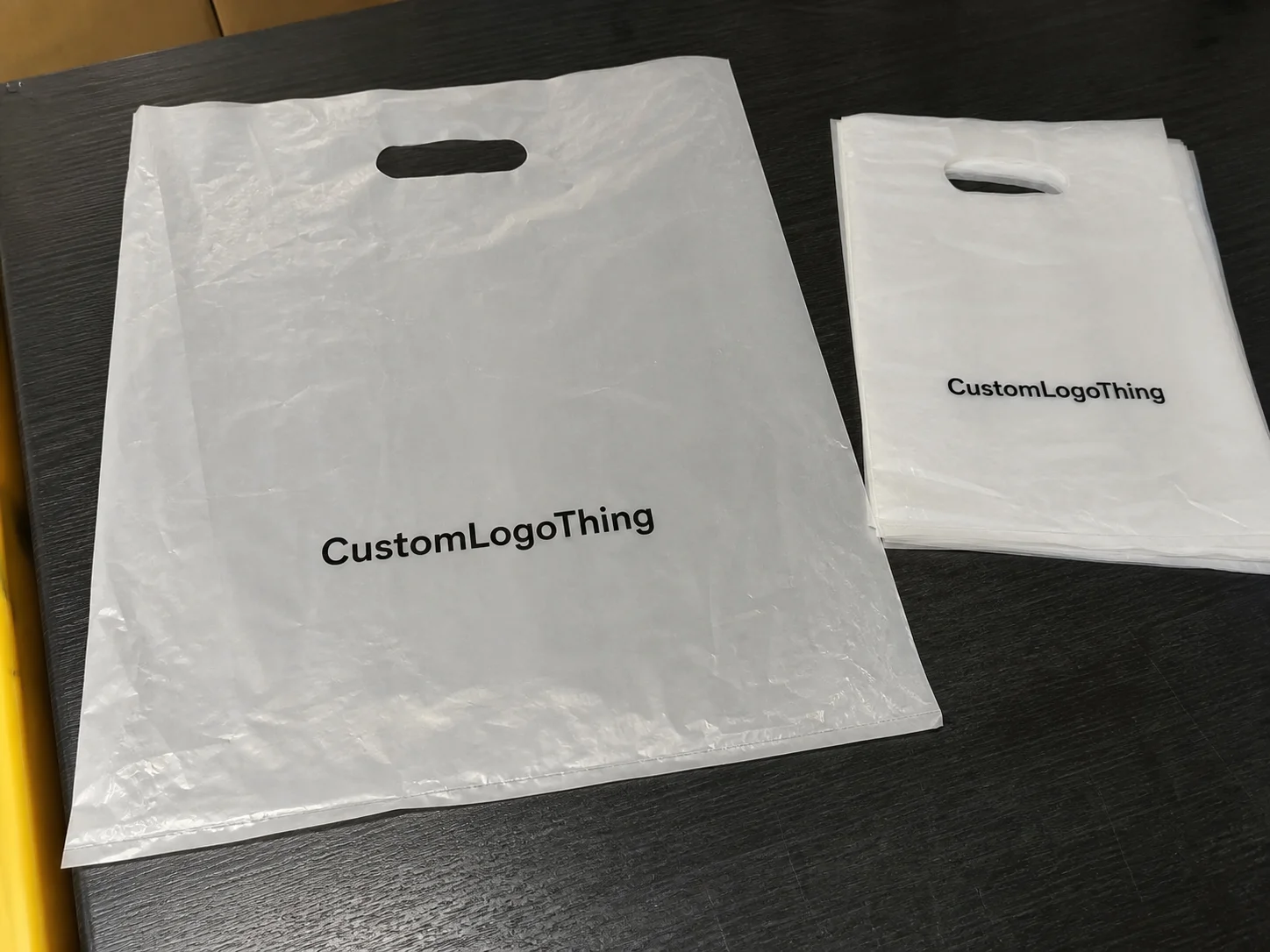
Beauty Samples Matte Poly Mailers Sample Order Guide
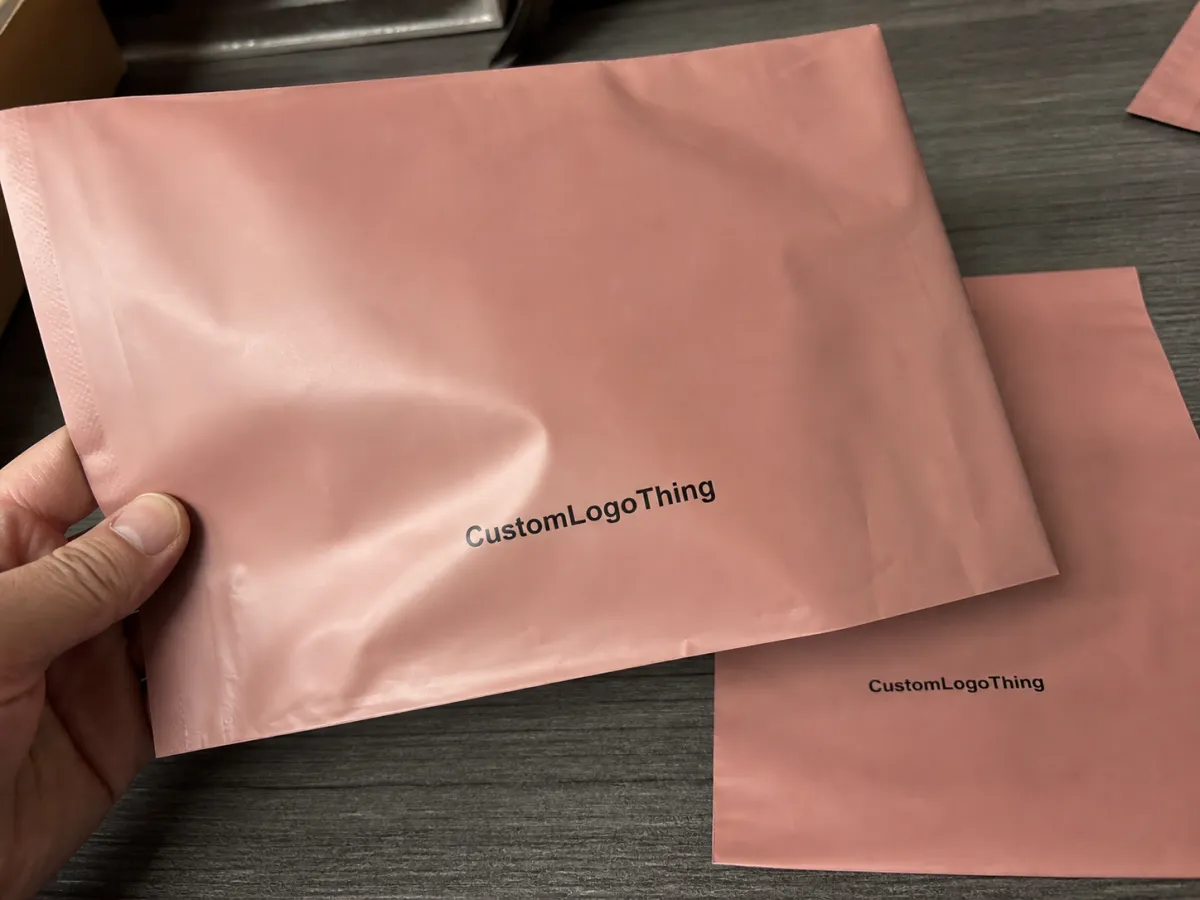
A 2-ounce serum sample can cost far more to replace than the mailer that failed it. That is why a beauty samples Matte Poly Mailers sample order guide should start with risk control, then move into brand presentation, print quality, and decoration.
Beauty sample campaigns ask a lot from a very small package. The mailer has to look polished in a customer’s hand, survive postal handling, slide through warehouse bins, support influencer or subscriber kits, and still photograph cleanly during unboxing. A flat sachet campaign may look simple on a planning sheet, but the shipping environment is not gentle: conveyor drops, compression inside sacks, label changes at fulfillment, heat in delivery vehicles, and rough carton handling all test the bag before the customer sees the product.
Matte Poly Mailers sit in a useful middle position. They are lighter than rigid boxes, usually stronger against moisture than paper envelopes, and visually cleaner than plain courier bags. For brands shipping sachets, minis, trial pouches, masks, fragrance cards, shade samplers, and small cosmetic bundles, that balance matters. Freight stays controlled. Branding stays visible. Packing speed stays realistic.
Most buyers are not trying to study packaging theory. They need to order samples, confirm dimensions, compare unit costs, and avoid a production delay that misses a launch window. The common failure points are rarely the logo itself. They are film thickness, opacity, adhesive closure quality, and size tolerance. Miss one of those, and a good-looking mailer can still split, wrinkle, reveal the contents, scan poorly, or slow the packing line.
Packaging buyer reality: the best sample mailer is not always the prettiest one. It is the one that protects the campaign budget, moves quickly through fulfillment, and arrives looking intentional.
The sections below explain how to choose dimensions, film gauge, finish, printing method, MOQ, pricing tiers, and production steps before requesting a quote from Custom Logo Things. If you already know your packed sample size, target quantity, and in-hands date, you are closer to a production-ready order than many brands that arrive with a polished mockup but no measurable specification.
What Makes Matte Poly Mailers Work for Beauty Sample Campaigns
Matte Poly Mailers are lightweight polyethylene shipping bags with a low-gloss exterior finish, a self-seal flap, and a printable outer surface for custom branding. The material is typically opaque or semi-opaque depending on film structure, pigment load, and color. The closure is usually a permanent pressure-sensitive adhesive strip intended for outbound parcel or postal handling.
Matte matters in beauty because glare changes perception. Glossy mailers can look bright and punchy, but they reflect light sharply, especially under studio lamps or phone cameras. Matte mailers photograph with less shine, feel more restrained, and pair naturally with skincare, fragrance, wellness, dermatology, and cosmetics branding. Soft black, warm beige, pale pink, cream, clay, sage, and clean white often look more considered on a muted surface than on a mirror-bright one.
Boxes still have a place. They add structure, stacking strength, and a more ceremonial unboxing moment. They also add storage volume, assembly labor, and dimensional-weight risk. A 6 x 4 x 2 inch carton may protect beautifully, but if the product inside is one flat sheet mask and two sachets, the brand may be paying to ship air.
Paper mailers carry a different argument. They can support certain fiber-based packaging goals and may fit brands that prioritize paper systems. Poly mailers, however, usually perform better against rain, humidity, tearing, and accidental leakage from a sample pouch. For environmental language, be precise rather than broad. The U.S. EPA’s guidance on reducing and recycling materials is a useful reference for avoiding vague claims: EPA recycling and waste reduction resources.
Good use cases include foil sachets, cleanser minis in secondary wrap, ampoules protected by inserts, lip samples, trial-size jars inside sleeves, sheet masks, fragrance cards, PR inserts, and beauty subscription teasers. Weak use cases include loose glass vials, fragile pressed-powder compacts, heavy jars, or any product that needs true crush resistance. Those products may need a padded mailer, molded insert, corrugated carton, paperboard sleeve, bubble wrap, or another protective inner layer.
Use a plain test before overcomplicating the decision. If the fully packed sample can survive a waist-high drop in its inner packaging, a matte poly mailer may be enough. If the cap cracks, the pump dents, or sample card corners punch through the film, upgrade the protection system before blaming the carrier.
Product Details Buyers Should Confirm Before Ordering
A serious quote request should include more than “small custom mailer with logo.” Buyers should confirm material type, film thickness, opacity, closure style, flap depth, side seam strength, and tear resistance. Those details decide whether the bag is fit for postal handling or merely attractive on a sample table.
Film thickness is one of the first cost and performance choices. Thinner films reduce unit cost and weight. Thicker films increase puncture resistance and often improve perceived quality. Many custom poly mailers for general e-commerce use sit roughly in the 2.0 to 3.0 mil range, with lighter or heavier structures possible depending on the product and supplier capabilities. A flat sachet campaign does not need the same film as a mixed sample kit with rigid mini tubes.
Opacity is not cosmetic. It affects privacy, theft perception, and perceived value. Beauty samples often include recognizable branded products, shade cards, or premium trial items. If the bag is too transparent, it can look cheap and expose the contents during handling. White, black, nude, and pastel films can all work, but light colors may need stronger opacity control if the inner product has bold graphics or dark printing.
Closure deserves more attention than it gets. A permanent self-seal adhesive is standard for outbound shipping because it discourages tampering and speeds packing. Resealable strips can be useful for sales rep packs, event use, internal sample kits, or influencer assortments that may be opened and rearranged before final handoff. For direct-to-consumer shipping, permanent adhesive is usually the safer default.
Temperature also matters. Adhesives can behave differently in hot warehouses, cold loading docks, or long-distance parcel networks. Not every campaign needs laboratory testing, but a buyer placing a higher-volume or high-value order should ask about adhesive performance and test real packed bags before approving full production.
Printing choices range from a one-color logo to full-surface artwork. Buyers Can Specify repeat patterns, QR codes, campaign messages, shade names, subscription prompts, or social handles. Protect one area carefully: the shipping label zone. A mailer needs clean space where postage, warehouse scan labels, and carrier labels can adhere properly and remain readable. Dense ink, heavy texture, low-contrast patterns, or soft-touch coatings under labels can create scanning and adhesion problems.
Packers care about speed, even if the design deck does not. If a mailer is hard to open, too tight for insertion, or difficult to seal consistently, fulfillment costs rise. Artwork should serve the line as well as the brand. Fast insertion, clean sealing, predictable stacking, and accurate carton counts are not glamorous details, but they keep a launch from turning into overtime.
Size, Thickness, Print, and Finish Specifications
Measure the packed bundle, not the product alone. A sample card, folded insert, tissue wrap, sleeve, coupon, or protective board can change the required mailer size by 0.25 to 0.75 inch in each direction. Then add clearance for insertion and sealing. A mailer that fits only in a perfect flat-lay test may fail on a real packing bench after a few thousand repetitions.
The adhesive flap must close without tension. Overfilled mailers wrinkle under labels, strain side seams, and can burst if compressed in transit. If the bundle creates a thick center mound, size up. A slightly larger bag often costs less than reshipping damaged samples, especially if the product is tied to paid media, influencer seeding, subscription acquisition, or a retail sampling deadline.
| Sample Campaign Type | Typical Mailer Direction | Common Spec Consideration | Buyer Watchout |
|---|---|---|---|
| Foil sachets and flat cards | Small flat mailer | Light to medium film, matte print, strong opacity | Sharp card corners can stress thin film |
| Sheet masks and trial bundles | Mid-size mailer | Medium film, label-safe zone, easy insertion clearance | Overfilling causes flap tension |
| Mini tubes or small pouches | Mid-size or larger mailer | Higher puncture resistance, secure adhesive | Caps and pumps may create pressure points |
| PR sample assortments | Larger mailer or padded solution | Premium matte finish, optional inner wrap | Poly alone may not provide enough crush protection |
Thickness should follow the risk profile. Light-duty film can work for flat sachets and low-weight cards. Medium-duty film is safer for mixed samples. Heavier-duty film belongs in conversations about thicker bundles, sharper edges, rougher transit, or higher-value campaigns. The correct answer depends on packed weight, shape, route, and the brand’s tolerance for damage.
Finish options vary more than buyers sometimes expect. Standard matte gives the muted look most brands have in mind. Soft-touch matte feels more premium but may show scuffs more readily and can add cost. Frosted effects create a softer visual impression, though opacity needs checking. Semi-matte finishes sit between glossy and flat, which can help if the artwork needs stronger color pop without a hard reflective surface.
Printing is usually driven by quantity and artwork. Flexographic printing is efficient for larger runs and repeat patterns. Digital or other short-run print methods may suit smaller tests, depending on the available production route, artwork complexity, and quantity. A clean one-color logo is almost always easier and cheaper to produce than full-coverage multi-color graphics, and for many skincare and wellness brands it also looks more refined.
Artwork files should be vector where possible: AI, EPS, or press-ready PDF. Include Pantone or CMYK references, bleed, safe zones, logo placement, barcode areas, label zones, and contrast checks for small text. Beige, nude, blush, black, and metallic-adjacent colors are especially risky if judged only on a screen. A physical proof or material sample can prevent expensive disappointment, particularly when the brand color is subtle.
Compliance is not limited to the product carton. Avoid unsupported claims on mailer copy, especially around recyclability, compostability, cruelty-free status, ingredient benefits, or certifications. If a claim belongs to the formula, a certification file, or the primary package, do not casually move it onto the shipping mailer without review. For paper-based claims or responsible sourcing language, buyers often reference FSC standards through the Forest Stewardship Council, though poly mailers follow a different material path.
Pricing, MOQ, and Unit Cost Drivers for Sample Orders
Price is shaped by size, thickness, print complexity, number of colors, finish, quantity, shipping destination, and whether the order uses an existing structure or a custom specification. A simple 6 x 9 inch one-color matte poly mailer at moderate volume will price very differently from a full-coverage soft-touch mailer with a custom size, heavy film, and dual adhesive strips.
MOQ exists because setup has to be paid for somewhere. Custom printed matte poly mailers usually require a minimum quantity because plates, ink preparation, material changeover, press setup, and production scheduling need to be spread across the run. The first portion of the order carries those fixed costs. Larger quantities distribute them across more pieces.
As a working estimate, Custom Printed Poly mailers often fall around $0.12 to $0.45 per unit, depending on quantity, size, film, print coverage, and finish. Smaller specialty runs may sit above that range. Larger repeat orders can move lower. Freight can change the landed cost sharply, especially when bulky cartons ship across zones or when a launch requires expedited delivery.
| Cost Driver | Lower-Cost Choice | Higher-Cost Choice | Practical Advice |
|---|---|---|---|
| One-color logo | Full-coverage multi-color artwork | Use strong logo placement before paying for heavy ink coverage | |
| Size | Existing standard size | Custom dimensions | Measure packed samples before sizing up |
| Film | Light to medium gauge | Extra-thick film | Match thickness to puncture risk, not just “premium feel” |
| Finish | Standard matte | Soft-touch or specialty finish | Reserve specialty finishes for high-value touchpoints |
| Production | Normal schedule | Rush order or split shipping | Late approvals are often more expensive than longer production |
Brands overspend in predictable ways. They choose a large mailer for a tiny sample because nobody measured the packed kit. They use four ink colors when one would carry the brand. They add a luxury finish to a disposable one-touch acquisition campaign. The result is a mailer that looks good in a deck and quietly eats media budget.
They also underspend. Thin film around sharp-edged cards can puncture. Weak opacity can make premium samples look exposed. A poor adhesive may open under heat or cold. Cheap packaging is not cheap if it increases replacement shipments, customer service tickets, product waste, or fulfillment interruptions.
Ask for tiered pricing at several quantities: the entry MOQ, a middle tier, and a likely reorder tier. For example, compare 2,500, 5,000, and 10,000 units if those volumes match campaign reality. Purchasing can then weigh cash flow, storage space, unit cost, reorder timing, and campaign risk instead of choosing a quantity from the lowest-looking line item alone.
A quote request should include the mailer size or packed dimensions, quantity, preferred film thickness, print colors, finish, artwork file, delivery address, required in-hands date, and whether physical samples are required. Custom Logo Things can also help buyers compare options through Custom Poly Mailers and broader Custom Packaging Products if the sample kit needs more than one component.
Process, Lead Time, and Production Steps From Quote to Delivery
The buying process is straightforward, but it is not automatic. A clean order usually moves through requirement review, quote, artwork preparation, digital proof, optional physical sample, production approval, manufacturing, quality control, packing, and shipping.
Lead time depends as much on buyer readiness as supplier capacity. Missing vector art, unclear color references, late approval, or a last-minute size change can add days before production starts. Many sample campaigns lose time before the press ever runs, sitting in email threads while dimensions, colors, or approvals remain unresolved.
During quote review, the supplier verifies size, material, print method, quantity, destination, and deadline. If any of those inputs are vague, the quote is only a loose estimate. A 7 x 10 inch mailer in 2.5 mil film with one-color print and standard matte finish is a usable specification. “Medium bag, nice finish, ASAP” is not.
Proofing is the control gate. Buyers should review logo placement, dimensions, seal direction, flap position, color callouts, label-safe areas, QR code readability, and any small text. If the mailer has front and back artwork, confirm orientation. It sounds basic because it is, but it prevents expensive production errors.
Physical samples matter for new launches, influencer mailers, premium campaigns, and any order where hand feel, opacity, or finish affects brand perception. A screen cannot show true matte texture. It cannot show whether blush ink shifts warmer on the selected film. It cannot confirm whether a black mailer scuffs during carton packing.
For testing, brands can borrow logic from transit standards. The International Safe Transit Association publishes widely used package performance test procedures; the details vary by product and distribution method, but the principle is consistent: test the packed system, not the component in isolation. See ISTA for more on transport packaging performance.
Quality control should check seal strength, print registration, ink adhesion, bag dimensions, opacity, count accuracy, and carton labeling. Count accuracy sounds dull until a fulfillment center receives 9,600 mailers for a 10,000-piece campaign. Then the missing 400 pieces become a launch problem, not a rounding error.
Typical custom production may take roughly 10 to 20 business days after proof approval, depending on quantity, print method, material availability, and shipping plan. That range is not a promise for every order; it is a planning baseline. Add time for internal approvals, receiving, kitting, carrier pickup, and warehouse intake rules. Factory completion is not the same as campaign readiness.
How to Place a Sample Order Without Rework or Delay
A good sample order starts with a ready-to-send request package. Not a mood board. Not a half-finished mockup. A purchasing-ready file set with dimensions, quantities, deadlines, and artwork direction.
- Confirm what goes inside. Measure the exact packed dimensions, total weight, and thickness of the bundle. Include cards, sleeves, wraps, inserts, coupons, and protective pieces. Note caps, pumps, rigid corners, or sharp sample cards.
- Choose the brand impression. Minimal skincare, bold cosmetics launch, clinical trial sample, eco-conscious wellness, and luxury PR seeding all suggest different finishes, opacity levels, and print coverage.
- Select a target quantity. Ask for tiered pricing around it. Compare MOQ, reorder economics, storage cost, and cash flow before choosing the cheapest-looking line item.
- Prepare artwork files. Send vector logos, color references, safe area requirements, barcode zones, label areas, QR codes, and campaign copy. If brand colors are sensitive, include Pantone references.
- State the required delivery date. Work backward from fulfillment, kitting, influencer send-outs, retail sampling events, or paid campaign launch dates.
- Approve proofing deliberately. Request a digital proof and decide whether a physical pre-production sample is worth the extra time. For small internal tests, maybe not. For a premium PR campaign, often yes.
Custom Logo Things can help translate those details into a clear quote for branded matte mailers, and higher-volume buyers can review options through Wholesale Programs. If you are still comparing packaging formats, the company FAQ can help clarify ordering basics before you send final specs.
The practical conclusion is simple: ordering custom matte poly mailers gets much easier when the product bundle, artwork, quantity, and deadline are already defined. A strong sample mailer does not need to be overbuilt, but it does need to be chosen with the real packed product in mind. Confirm the size, film, closure, opacity, print method, and proofing path early, and the order is far less likely to turn into avoidable rework.
FAQ
What size matte poly mailer should I order for beauty samples?
Measure the full packed sample bundle, including inserts, cards, wraps, sleeves, and any protective material. Add enough clearance so the product slides in easily and the self-seal flap closes without pulling tight. If the samples have rigid edges, caps, pumps, or thick folded cards, test a slightly larger size to reduce seam stress.
What is the usual MOQ for custom matte poly mailers for sample orders?
MOQ depends on size, print method, film type, finish, and customization level. Higher customization usually requires a higher minimum because setup, ink, plates, and production changeover costs must be covered. Ask for tiered pricing so you can compare the entry MOQ against a larger run with a lower unit cost.
Can matte poly mailers protect skincare and cosmetics samples in transit?
They protect well against moisture, dust, scuffing, and normal handling for flat or low-fragility samples such as sachets, cards, masks, and small pouches. They do not provide true crush protection for glass, compacts, or heavy jars unless paired with padding or inner packaging. A simple drop and compression test with the actual packed sample is the fastest reality check.
How long does a custom beauty sample mailer order take?
Lead time depends on proof approval, material availability, print complexity, order quantity, and shipping method. Many custom orders are planned in the range of 10 to 20 business days after proof approval, though that varies by specification. The most common delays come from incomplete artwork, late internal approvals, or changing specs after the quote.
What should I send to get an accurate quote for beauty samples matte poly mailers?
Send the mailer size or packed product dimensions, quantity, desired thickness, print colors, finish, and delivery address. Include artwork files or a mockup, plus Pantone references or brand guidelines if color accuracy matters. Share your required in-hands date and whether you need a physical sample before full production.