Trade Show Baseball Caps Bulk Order: Why Booth Wearables Outlast Flyers
A booth can burn through $15,000 before the first badge scan: floor space, freight, drayage, banners, lead scanners, hotel rooms, staff travel, and the unglamorous costs that appear once everything starts moving. Against that backdrop, a $4-$11 cap may seem minor. It is not. A well-planned trade show baseball caps bulk order custom booth gear program can act as booth apparel, attendee giveaway, sponsor gift, and post-show brand reminder long after printed literature has been discarded.
Brochures have a short life at crowded events. Many are folded into tote bags, left on lunch tables, or abandoned before the attendee reaches the hotel elevator. A comfortable cap has a better chance of leaving the venue and showing up later in airports, warehouses, dealer counters, pickup trucks, job sites, gyms, and follow-up meetings.
Caps work because they solve several small event problems at once. They are quick to hand out, easy to stack behind a booth counter, simple to size for most visitors, and visible in demo lines, networking areas, aisle traffic, and staff photos. They also give booth teams a more unified look without forcing everyone into the same shirt size or fit.
The buying decision should still be handled with discipline. A cap that looks good in a catalog can disappoint if the fabric runs hot, the embroidery puckers, the crown shape feels awkward, or the carton packing crushes the brims. Buyers comparing promotional hats for trade shows need to look at material, structure, decoration method, comfort, packaging, per-unit cost, lead time, and quality-control checks before approving the order.
Custom Logo Things helps turn that idea into a controlled production order: clear specifications, artwork proofing, sample options when needed, production checks, and delivery planning. Useful quality claims should be tied to fabric, construction, decoration, packing, and timing.
Cap Styles That Fit Trade Show Booths, Staff Kits, and Giveaways
The safest cap is not always the cheapest cap. The right style depends on who will wear it, where they will wear it, and whether the finished piece should feel like booth uniform, retail-style gift, contractor gear, or casual event merchandise.
Structured baseball caps give booth teams a cleaner, more consistent appearance. The crown holds its shape, the front panel presents embroidery well, and the cap photographs better than a floppy giveaway hat. For sales teams, product specialists, and booth greeters, that structure can make the difference between “promotional item” and “planned uniform piece.”
Unstructured caps sit lower and softer. They work well for lifestyle brands, food and beverage products, creative software, tourism, wellness, and customer communities that respond better to relaxed apparel than corporate-looking uniforms. The front logo may appear a little softer because the crown does not hold the same rigid shape, so logo scale and placement deserve extra review.
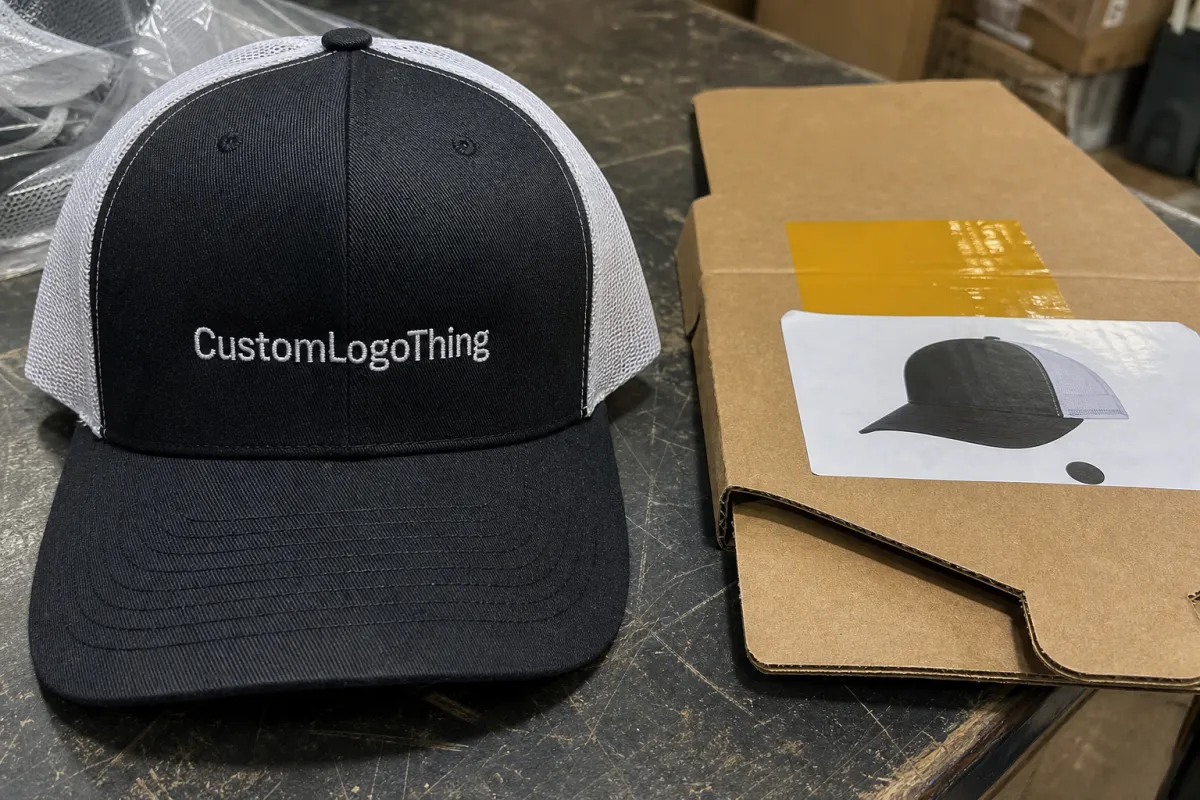
Trucker caps deserve serious consideration for construction, agriculture, automotive, logistics, equipment, marine, and outdoor categories. The mesh back reduces heat, the profile feels familiar to many field audiences, and the style often gets worn after the event. It may not be right for executive hospitality or a polished software booth, but for the right wearer it can outperform a more expensive cap.
Performance caps, usually made from polyester or polyester-spandex blends, make sense for outdoor demos, sports sponsorships, fitness brands, golf events, and field sales kits. They can offer moisture resistance, lighter weight, and faster drying than cotton twill. The decoration method has to match the material, especially if the fabric stretches or has a slick finish.
| Cap Style | Best Use | Typical Fabric | Buyer Watchout |
|---|---|---|---|
| Structured six-panel | Booth uniforms, broad giveaways | Cotton twill, brushed cotton, polyester | Higher crown may not suit every audience |
| Unstructured cap | Lifestyle gifts, casual attendee wear | Washed cotton, brushed cotton | Logo placement can look softer and less rigid |
| Trucker cap | Outdoor, contractor, equipment, agriculture shows | Foam or cotton front with mesh back | Not always right for executive giveaways |
| Performance cap | Sports, field teams, outdoor demos | Polyester, moisture-wicking blends | Decoration method must suit fabric stretch and finish |
Panel count and closure also affect the final impression. A six-panel cap feels classic and retail-ready. A five-panel cap gives a smoother uninterrupted front, which can help certain printed or patch designs. Metal buckles read more refined, hook-and-loop closures are easy for staff distribution, snapbacks add streetwear influence, and flex-fit sizing only works when the size breakdown is realistic. Buyers comparing five-panel options can review this guide to custom five-panel caps bulk order planning.
Start with the wearer rather than the catalog page. Contractors, distributors, SaaS buyers, dealership teams, healthcare staff, and outdoor brand fans do not respond to the same crown height, fabric, or logo treatment. A strong trade show baseball caps bulk order custom booth gear plan starts with audience fit, then moves into artwork and price.
Logo Decoration Methods: Embroidery, Patches, Printing, and 3D Effects
Decoration can change the cost of a cap order as much as the blank cap itself. Stitch count, patch size, thread changes, number of decoration locations, special backing, and setup work all influence the final price.
Flat embroidery is the default for many bulk baseball cap orders because it is durable, familiar, and textured. It survives repeated handling, looks credible on staff apparel, and works well for simple marks, bold lettering, and compact logos. Its weakness is detail. Tiny text, fine gradients, thin outlines, and complex icons often need simplification before the embroidery file is digitized.
3D puff embroidery is more assertive. It suits block lettering, short brand names, and bold marks that need to be seen across an aisle. It is not the right choice for delicate type, small registered marks, or logos with narrow gaps. Many buyers ask for puff because it sounds premium, then discover that flat embroidery would have looked cleaner and reproduced the brand more accurately.
Patches open up other options. Woven patches can hold fine detail better than direct embroidery. Leather patches add a warmer, more premium feel for sponsor gifts, executive handouts, or dealer programs. Rubber patches can fit tech, automotive, marine, and outdoor product categories because the surface feels molded and modern without relying on thread texture.
Printing has a place too. Heat transfer printing can reproduce sharper artwork on suitable materials, while screen printing can be cost-effective for simpler designs at scale. The trade-off is hand feel and wear behavior. A print that looks sharp on day one still needs to match the fabric, wash expectations, and how the cap will be handled after the event.
- Front center: best for primary brand recognition and booth visibility.
- Side embroidery: useful for event names, sponsor marks, product lines, or booth themes.
- Back embroidery: works for short URLs, slogans, campaign phrases, or staff-only details.
- Inside labels: a retail-style detail for higher-end promotional apparel and private-label programs.
Ask for quotes that separate cap style, logo method, stitch count or patch size, number of decoration locations, packaging, and freight. Bundled pricing can hide the cost driver that matters most. If the logo is complex, request a production opinion before committing to a method; a good-looking screen image does not guarantee clean stitching on a curved front panel.
Specifications Buyers Should Confirm Before Approving the Order
A production-ready quote should not read like a mood board. It should identify the cap style, panel count, fabric composition, fabric weight where available, crown height, brim type, closure, color, logo dimensions, decoration method, placement, and packing method.
Color control deserves more attention than it usually receives. Brand navy, safety orange, sponsor red, and charcoal gray can shift across fabric lots, thread charts, patch materials, and digital screens. A digital proof is useful for placement and proportion, but it is not a perfect color standard. If the shade is critical, define matching expectations early and ask how thread, patch, or fabric options will be selected.
Fit has a direct effect on whether the cap gets worn. Adjustable caps reduce sizing risk for anonymous attendees. Fitted or flex-fit caps can feel more retail-grade, but they require a size breakdown that is hard to predict on a trade show floor. For staff kits, fitted caps may work. For thousands of unknown visitors, adjustable closures are safer.
Comfort is where many low-cost giveaways fail. Sweatband quality, seam finishing, crown stiffness, brim curve, breathability, and cap weight all matter. A stiff, hot, scratchy cap may never leave the hotel room, which erases the value of the giveaway before the first follow-up email goes out.
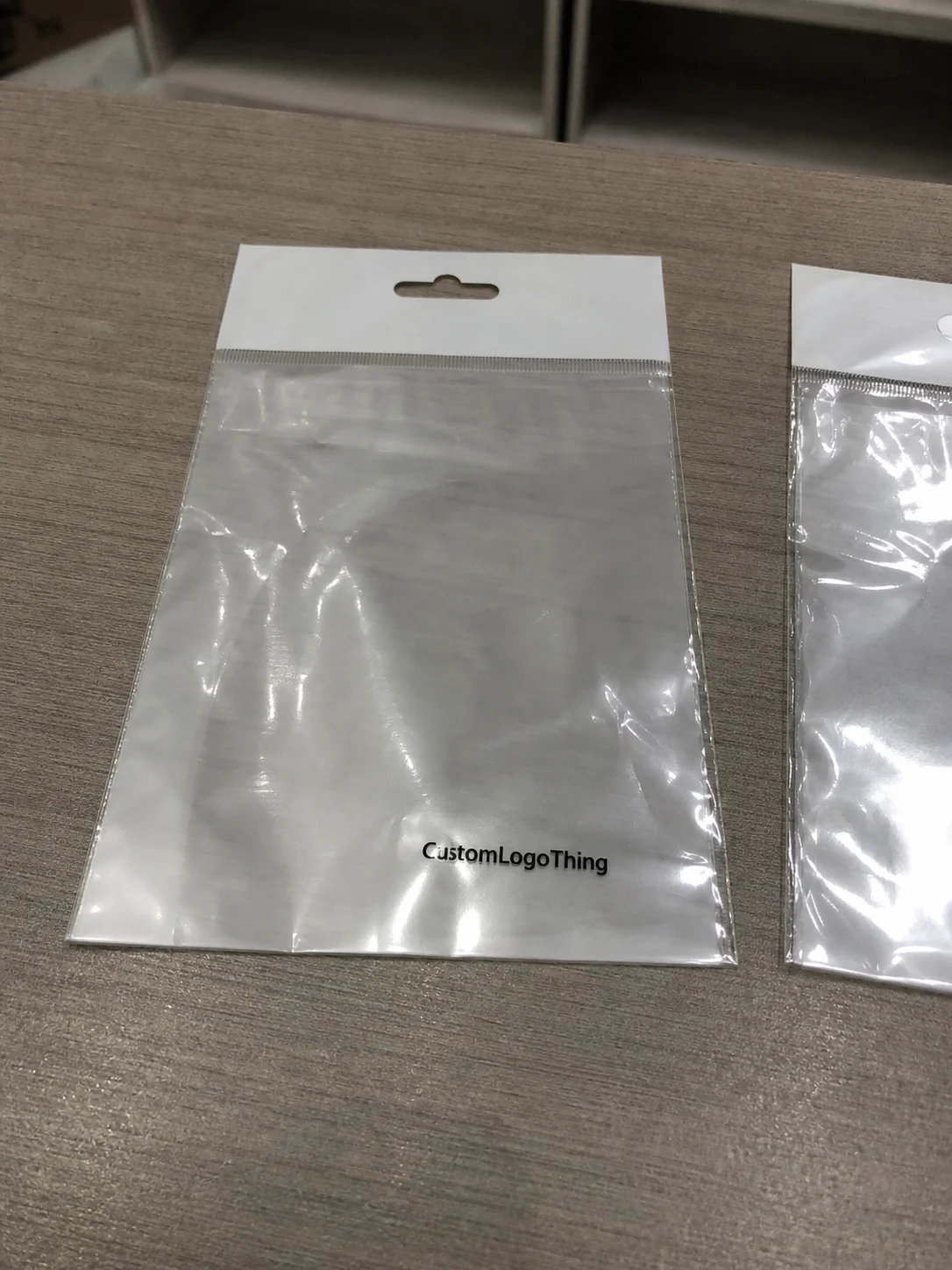
Packaging should match the handout plan. Bulk polybags are fine for simple booth distribution. Individual bags keep caps cleaner and help staff hand them out without lint, dust, or handling marks. Hangtags create a retail-style presentation. Kitted packaging is useful when caps ship with lanyards, tote bags, product samples, appointment gifts, or partner materials. For broader promotional product planning, Custom Logo Things also supports wholesale programs for repeat buyers and multi-event campaigns.
Buying note: approve the proof for size, placement, spelling, thread or patch direction, closure type, and packing method before mass production starts. A five-minute proof review can prevent a five-carton problem.
For larger or high-stakes orders, a physical pre-production sample is often worth the added time and cost. It lets buyers check crown shape, logo scale, thread density, patch edges, brim curve, and hand feel before the full run begins. If the event deadline is tight, be honest about whether sampling is still possible; rushed sampling can create its own risk if approvals are not handled quickly.
Pricing, MOQ, and Unit Cost Drivers for Bulk Baseball Caps
The unit cost of a trade show baseball caps bulk order custom booth gear project depends on quantity, construction, fabric, decoration method, logo complexity, number of decoration locations, packaging, sample requirements, shipping method, and deadline. A basic stocked cap with one-location embroidery sits in a different price band than a custom color cap with a woven patch, side embroidery, individual bags, and rush freight.
For 2026 planning, standard decorated caps often land around $4-$11 per unit at common event quantities, while more customized builds can move above that. Lower-cost options exist, especially at higher volume, but the better question is not only “Can the unit cost come down?” It is “Will people actually wear this after the show?”
Minimum order quantity varies by build. Standard cap styles with simple embroidery may have lower minimums because blank stock and decoration workflows are easier to manage. Fully custom colors, specialty fabrics, private labels, recycled materials, custom patches, and unusual closures usually require higher quantities because setup, sourcing, and production coordination become more involved.
Request tiered pricing at three levels: a conservative booth estimate, a likely order quantity, and a stretch quantity for regional shows or distributor use. For example, 500, 1,000, and 2,500 units may reveal whether the lower unit price justifies a larger buy. Sometimes it does. Sometimes storage, future logo changes, event-specific messaging, and internal distribution make over-ordering more expensive than the apparent savings.
| Cost Driver | Why It Matters | Typical Buyer Question |
|---|---|---|
| Decoration method | Embroidery, patches, and printing use different setup and labor | What is the cost difference between embroidery and a woven patch? |
| Logo complexity | Fine detail can increase stitch count or require artwork changes | Will small text reproduce cleanly at 2.5 inches wide? |
| Packaging | Individual bags, hangtags, and kits add labor and materials | Can we compare bulk packed versus individually bagged? |
| Deadline | Rush work can affect production queue and freight options | What date must artwork be approved to hit delivery? |
Hidden costs are usually small alone and irritating together: digitizing fees, setup fees, sample fees, rush fees, split shipments, duties where applicable, and special carton labeling. A fact-focused quote request should include final artwork, desired cap style, quantity, event date, delivery address, preferred decoration, color targets, packaging needs, and whether a sample is required.
Production Process and Lead Time From Artwork to Delivery
A reliable order follows a sequence: inquiry, specification confirmation, quote, artwork review, digital proof, sample approval if needed, bulk production, quality control, packing, shipping, and delivery. Skip steps and the risk usually moves downstream, where it is harder and more expensive to fix.
Lead time is not only sewing or decorating time. It includes artwork cleanup, buyer approvals, sample transit, production queue availability, carton packing, freight movement, receiving, and booth-kit distribution. For 2026 trade show calendars, many buyers are building in more buffer because freight networks and event receiving windows still create pressure close to show dates.
For stocked caps with straightforward decoration, many orders can be planned in a shorter window. For custom fabric colors, patches, private labels, multiple decoration locations, kitting, or international freight, a longer schedule is safer. The best timeline is built backward from the date the caps must be in staff hands, not from the first day of the event.
A practical schedule should include artwork approval deadlines, sample approval dates if applicable, the production completion target, ship date, arrival date, and a contingency buffer. If the caps are going to an advance warehouse, confirm labeling rules and delivery appointments. If they ship to a hotel or booth services desk, confirm whether receiving fees, package limits, or pickup windows apply.
One common mistake is approving a rush order without simplifying the build. A tight deadline may require fewer thread colors, one decoration location, stocked cap colors, bulk packing, or domestic decoration. Buyers who insist on every custom detail with no schedule flexibility usually pay more and carry more risk.
Quality Controls That Keep Booth Teams From Opening Bad Cartons
Quality control is not only a factory concern. It starts with a clear order brief and continues through proofing, production, packing, and final delivery. A vague order produces vague inspection standards.
Check the logo before checking the box count. The most visible issues are usually incorrect logo placement, embroidery puckering, loose threads, crooked patches, poor color contrast, misspelled event text, or artwork scaled too small for booth visibility. A cap can be structurally fine and still fail the marketing goal.
Physical construction also needs review. Brims should hold shape, seams should be clean, closures should work smoothly, sweatbands should be seated correctly, and crowns should not be crushed in packing. If caps are individually bagged, the bagging should not trap lint or distort the brim. If caps are bulk packed, cartons should be filled in a way that protects shape during transit.
From recent 2026 event programs I have reviewed, the avoidable problems usually appear in three places: artwork that was approved too quickly, rushed freight that left no inspection buffer, and carton plans that did not match booth distribution. The strongest orders had one person responsible for final approval, a written spec sheet, and a delivery date at least several business days before staff travel.
For high-volume orders, ask whether inspection can include random carton checks, logo measurement, thread trimming review, closure testing, and packing photos. These steps are not glamorous, but they reduce the chance that booth staff discover problems while wearing show badges and trying to set up a display.
2026 Trends for Custom Booth Caps
Several 2026 trends are changing how buyers plan trade show baseball caps bulk order custom booth gear. The first is a shift toward retail-inspired caps rather than generic giveaways. Attendees are more selective about what they carry home, so washed cotton, soft unstructured crowns, rope details, tonal embroidery, and clean patch designs are getting more attention than oversized logos.
Sustainability requests are also more specific. Buyers are asking about recycled polyester, organic cotton, lower-plastic packaging, recycled hangtags, and carton consolidation. Not every event budget can support a fully custom sustainable cap, but even simple changes such as bulk packing, useful color choices, and longer-wear designs can reduce waste.
Another trend is segmentation. Instead of handing the same cap to everyone, some exhibitors order one cap for booth staff, one higher-end style for booked meetings, and one cost-controlled style for general traffic. This approach helps protect budget while giving serious prospects a better gift. It also gives sales teams a reason to reserve premium items for qualified conversations rather than emptying cartons in the first hour.
Technology-driven follow-up is increasing too. QR codes are not ideal as the main front design, but they can work on hangtags, inside labels, or companion cards. A clean cap paired with a scannable product demo card often feels more useful than forcing a code onto the crown. Buyers planning a trade show baseball caps bulk order custom booth gear campaign should decide whether the cap is meant to carry the brand, trigger a scan, identify staff, or reward a booked appointment.
For teams comparing headwear styles beyond baseball caps, the custom snapback caps bulk order guide can help with crown shape, closure style, and audience fit.
Build a Quote-Ready Cap Order Brief
A quote-ready brief saves time and prevents assumptions. It should give the supplier enough information to price the real order, not a loose idea that will change three times after the first quote.
- Event details: show name, delivery deadline, booth location if known, and whether caps ship to an advance warehouse, office, hotel, or venue.
- Quantity: target quantity plus any pricing tiers you want compared.
- Cap style: structured, unstructured, trucker, performance, five-panel, six-panel, snapback, or other preferred build.
- Materials and color: fabric preference, brand color requirements, contrast stitching, mesh color, brim color, and closure type.
- Artwork: vector logo files, desired logo size, decoration method, thread or patch colors, and number of decoration locations.
- Packaging: bulk pack, individual bags, hangtags, carton labeling, kitting, or split shipments.
- Approval needs: digital proof only, physical sample, pre-production sample, or production photos.
If you do not know every specification, say which details are flexible. A supplier can often suggest a better cap, decoration method, or packing plan when the budget, wearer, and deadline are clear. For a trade show baseball caps bulk order custom booth gear project, flexibility in one area can protect quality in another. For example, choosing a stocked navy cap may free budget for better embroidery or individual bags.
The best orders feel intentional. The cap color supports the booth palette, the logo is readable from a realistic distance, the fit works for the audience, the packing plan helps staff distribute quickly, and the delivery schedule leaves room for inspection. That is how a simple cap becomes useful event gear instead of another giveaway item.
FAQ
How early should I order baseball caps for a trade show in 2026?
For standard decorated caps, start at least four to six weeks before the required delivery date when possible. For custom colors, patches, private labels, kitting, or large quantities, allow more time. If the order must ship to an advance warehouse, build the warehouse deadline into the schedule.
What is the best cap style for trade show booth staff?
Structured six-panel caps are a safe choice for a polished staff look. Unstructured caps work better for relaxed brands, while trucker and performance caps fit outdoor, field, automotive, construction, and sports audiences. The best choice depends on the wearer and the brand tone.
How much should I budget for a trade show baseball caps bulk order custom booth gear program?
For 2026, many standard decorated cap orders fall around $4-$11 per unit, depending on quantity, cap style, decoration method, artwork complexity, packaging, and freight. Premium patches, multiple locations, specialty fabrics, samples, and rush service can raise the unit cost.
Is embroidery or a patch better for booth caps?
Embroidery is durable and familiar, especially for simple logos. Woven patches handle finer detail, leather patches feel premium, and rubber patches suit modern product categories. The right method depends on logo complexity, cap fabric, budget, and the impression you want to create.
Can caps be packed for individual attendee giveaways?
Yes. Caps can be bulk packed, individually bagged, tagged, kitted with other event materials, or split shipped to multiple locations. Individual bags help keep caps clean during booth handling, while kitting can support appointment gifts, sponsor packages, or staff welcome kits.
What files should I send for a faster quote?
Send vector artwork when available, preferred cap style, quantity, event date, delivery address, logo placement, decoration preference, color requirements, and packaging needs. A complete brief makes pricing more accurate and reduces proofing delays.