Why a Custom Snapback Caps Bulk Order Beats Random Hat Buying
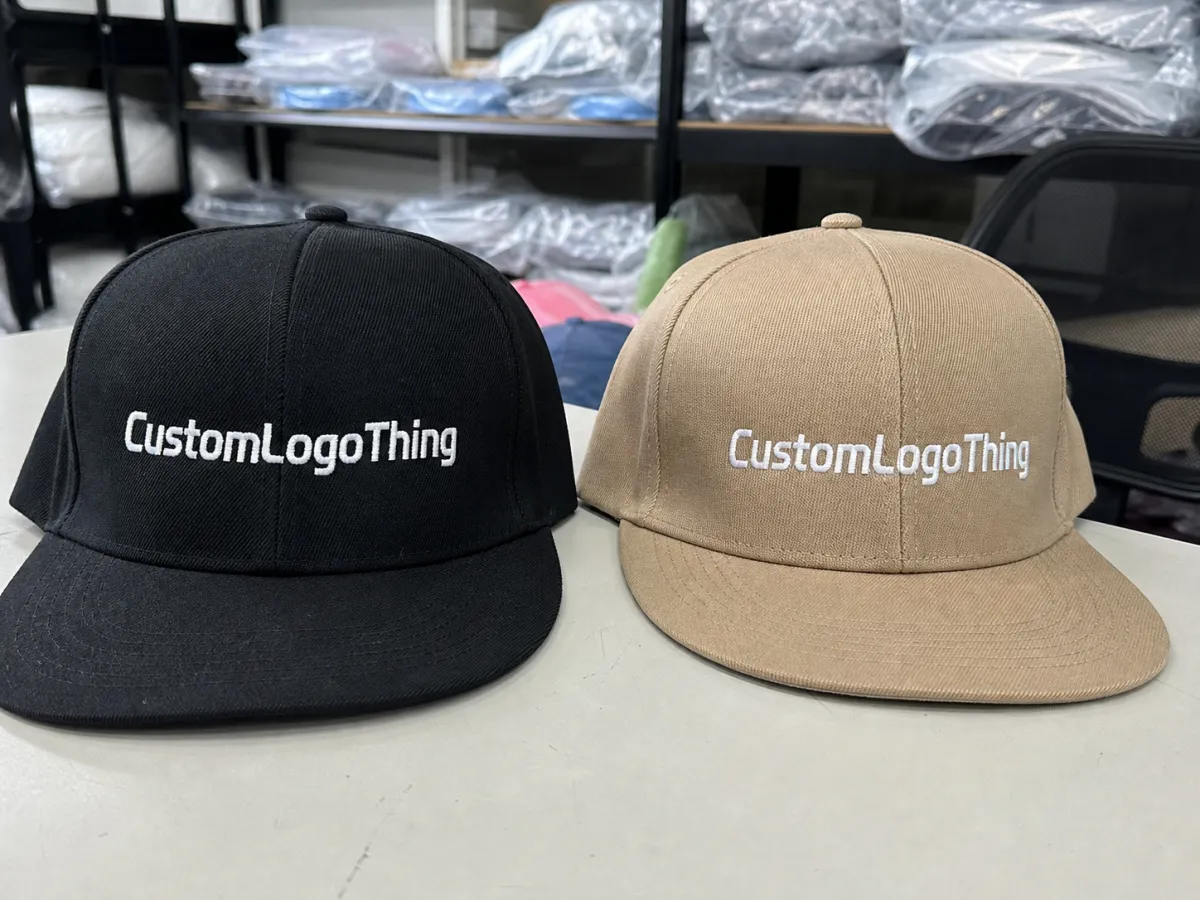
custom snapback Caps Bulk Order planning starts with one blunt truth: the cheapest cap on a spreadsheet often becomes the most expensive cap once decoration, rejects, delays, and freight get added. Funny how that works.
Bulk ordering is not just a discount hunt. It is a control move. You lock the crown shape, panel structure, stitching, visor curve, label placement, embroidery quality, packaging, and reorder specs before the sewing machines start. That matters if the hats will sit on a retail shelf, ship in influencer kits, or get handed to 400 people at a tournament.
Snapbacks work for merch drops, streetwear launches, golf tournaments, breweries, construction crews, gyms, schools, corporate giveaways, music tours, and capsule collections because one adjustable plastic closure covers a wide fit range. Less size drama. More usable inventory. Fitted caps can look sharp, but they also create leftover stacks of unpopular sizes. Nobody needs 78 extra smalls haunting the stockroom.
A proper custom snapback Caps Bulk Order also lets buyers approve materials, decoration method, sample details, shipping plan, and unit cost before production starts. Marketplace guessing is different. The sample might look fine, then the bulk run arrives with a cheaper crown, sloppy embroidery, weak snaps, or a visor that feels like laminated cereal box. Dramatic? Maybe. Common enough? Absolutely.
Custom Logo Things builds orders around practical inputs: specs, decoration choices, MOQ, pricing drivers, lead time, quote details, and production checkpoints. If you want broader buying support beyond caps, our Wholesale Programs can help line up repeat ordering, branded packaging, and related merchandise without rebuilding the quote from scratch every time.
Snapback Cap Details Buyers Should Lock Before Quoting
A snapback is not just “a hat with a logo.” The basic anatomy includes a structured or unstructured crown, flat or slightly curved visor, five-panel or six-panel build, eyelets, sweatband, top button, rear closure, and front decoration area. Each part affects cost, fit, and how clean the branding looks.
High-profile structured caps create a bold streetwear shape with a taller front panel. Mid-profile caps are safer for mixed audiences because they sit lower and feel more familiar. Unstructured caps are softer and casual, but they usually do not hold front embroidery as sharply. If the logo needs a crisp front presentation, structure matters.
Panel count changes the decoration surface. Six-panel snapbacks are classic for retail and corporate caps, though the center seam can interfere with fine logo detail. Five-panel caps provide a cleaner uninterrupted front area. Trucker snapbacks add mesh backs for outdoor events, breweries, landscaping teams, and hot-weather giveaways.
Fabric choice should match the use case. Cotton twill has a familiar hand feel and works well for casual branded caps. Polyester gives stronger color consistency and durability. Wool blends feel more premium for streetwear and paid merch. Nylon is lightweight for outdoor or travel programs. Mesh backs improve airflow, though they can feel more promotional unless the rest of the build is upgraded.
Visor details change the whole look. Flat brims fit fashion-forward drops. Pre-curved visors feel better for company hats and uniforms. A sandwich visor adds an accent stripe. Contrast under-visors create a more retail-finished look without adding another full logo placement.
Buyers also forget the small stuff until late: woven labels, printed sweatbands, interior taping, hang tags, barcode stickers, polybags, carton marks, and retail-ready folding. These pieces connect the cap to your product packaging and package branding, especially if hats are sold as merchandise rather than tossed out at a booth.
“Make it nice” is not a spec. It is a complaint waiting to happen. Send the crown height, panel count, fabric, color, decoration size, closure type, and packaging needs before asking for a serious quote.
Decoration Methods That Actually Work on Snapback Caps
The front panel shape decides what decoration will look clean. Caps are curved, stitched, and structured. They are not flat posters, despite what some logo files seem to believe.
3D puff embroidery works best for bold logos, initials, mascots, and short text. It needs thick shapes, enough spacing, and simplified detail. Thin outlines and tiny lettering can turn into a lumpy mess. Nobody ordered a logo pancake.
Flat embroidery is the standard choice for smaller logos, side marks, badges, and designs with more line detail. It is durable, familiar, and cost-effective across many bulk snapback orders. Still, small text has limits. A 3 mm tagline is not going to become magically readable because someone “really wants it.”
Woven patches are useful for complex logos, gradients, small type, and retail-style branding. They hold detail better than direct embroidery and can be sewn or heat-applied depending on the patch and cap material. Leather and faux leather patches fit lifestyle brands and premium uniform programs. Rubber, PVC, and silicone patches work for athletic, outdoor, and weather-resistant looks.
Screen printing and heat transfer can work on certain panels and materials, especially for flat five-panel fronts or lightweight performance caps. They are not automatic upgrades. Embroidery or patches usually feel more premium on structured snapbacks, while print methods make sense for specific artwork, tight budgets, or design effects.
| Decoration Method | Best For | Watchouts | Typical Bulk Fit |
|---|---|---|---|
| 3D puff embroidery | Bold letters, mascots, simple logos | Poor for tiny text and thin detail | Retail merch, sports, streetwear |
| Flat embroidery | Corporate logos, side marks, badges | Stitch count raises cost | Uniforms, events, giveaways |
| Woven patch | Small type, gradients, complex art | Patch size and edge finish affect price | Retail caps, capsule drops |
| Rubber or PVC patch | Outdoor, athletic, bold color branding | Mold charges may apply | Teams, gyms, outdoor brands |
Placement adds cost and handling. Front center is standard. Left side, right side, back arch, rear label, visor edge, under-visor, and interior taping all require separate setup and inspection. For a custom snapback Caps Bulk Order, ask for a stitch file preview, patch proof, or pre-production sample before full production. Approving a PDF is useful. Approving a physical cap is better.
Specifications, Materials, and Artwork Files We Need
Good quotes start with complete specs. The checklist is simple: cap style, panel count, crown height, structured or unstructured build, fabric, color, visor shape, closure type, sweatband, eyelets, and decoration placements. Add quantity, delivery address, and deadline. Now the quote has a fighting chance.
Color matching deserves a straight answer. Stock fabric colors are fastest and cheapest. Custom-dyed fabric gives tighter brand control, but it can raise MOQ, cost, and lead time. If exact brand color matters, provide Pantone references and expect more approval steps. If “close enough” works, stock colors can save real money.
Vector artwork is best: AI, EPS, or clean PDF. A high-resolution PNG can help for reference, but a screenshot is not production art. Yes, even if someone says it came from the marketing folder. Embroidery also requires digitizing, which converts the logo into stitch data that controls direction, density, pull compensation, thread color, and how the design sits on the curved crown.
Small details need discipline. Tiny taglines, thin outlines, gradients, and photographic artwork usually need simplification, a woven patch, or a printed label instead of direct embroidery. Standard thread colors cover most needs. Metallic thread can work, but it is stiffer and less forgiving. Tonal embroidery looks premium but needs enough contrast to stay visible.
Retail and institutional buyers should also confirm fiber content labels, country of origin, care labels, UPC or barcode stickers, carton labeling, and master carton counts. For broader retail packaging planning, Custom Packaging Products can help align hang tags, inserts, custom printed boxes, and shipping cartons around the same brand system.
Send reference photos if you have a favorite cap silhouette. One photo of the exact shape saves more time than five emails describing “premium but not too tall.” That phrase has personally aged many production people by several weeks.
Cost, Pricing, MOQ, and Unit Cost Tradeoffs
Snapback pricing depends on quantity, cap construction, fabric, decoration method, number of logo placements, sampling, packaging, and shipping destination. There is no magic universal price. There is only math.
Low-volume custom runs may start around 100 to 300 pieces for simpler stock-cap embroidery or patch orders. Fully custom fabric, private labels, specialty patches, custom-dyed colors, and retail packaging can push MOQ higher. A custom snapback caps bulk order for a retail launch usually needs more detail than a 150-piece company picnic order. Shocking, I know.
Quantity breaks often improve around 250, 500, 1,000, and larger quantities because setup, digitizing, sampling, and production handling spread across more caps. Decoration cost changes with stitch count, 3D puff setup, patch material, patch size, number of placements, thread changes, specialty backing, and manual positioning.
Ask about hidden cost categories before comparing quotes: digitizing fees, sample fees, mold charges for rubber or PVC patches, custom label fees, packaging upgrades, inspection costs, duties, and freight. A quote that hides freight until the end is not cheaper. It is just wearing a fake mustache.
Freight has tradeoffs. Air shipping is faster and more expensive, often used for launches, event deadlines, or replenishment runs. Ocean shipping is slower but better for larger orders. Split shipping can work if you need 200 caps for launch week and the balance later, though it adds handling and freight planning.
| Quantity Range | Common Use | Cost Behavior | Buyer Advice |
|---|---|---|---|
| 100-300 pcs | Small events, test merch, team caps | Higher unit cost; setup spread over fewer caps | Use stock colors and simple decoration |
| 500-1,000 pcs | Retail drops, campaigns, uniforms | Better unit cost; more options make sense | Consider patches, labels, and nicer packaging |
| 1,000+ pcs | Large programs, tours, multi-location teams | Best production efficiency | Plan freight, carton marks, and reorders early |
To request a clean quote, send quantity, cap style, colors, logo files, decoration locations, packaging needs, delivery address, and in-hands date. Do not choose the lowest quote unless the specs match line by line. A cheap quote with vague materials is not savings. It is suspense.
Process, Timeline, and Lead Time From Quote to Delivery
The ordering process usually moves through inquiry, spec review, quote, artwork cleanup, digital proof, sample or pre-production proof, deposit, bulk production, quality control, packing, shipping, and delivery. Skip steps at your own risk. The factory will not read minds, and your logo will not fix itself.
Quoting can take one to three business days when specs are complete. Artwork proofing may take several days if cleanup or digitizing review is needed. Sampling often takes one to two weeks depending on decoration. Bulk production can take several weeks after approval, especially for custom materials, patches, multiple placements, or private labels.
Lead time starts after approvals and deposit, not after the first casual email that says, “Can you do hats?” Calendars are rude. Production schedules do not care about panic.
Delays usually come from incomplete artwork, late approvals, custom-dyed materials, specialty patches, multiple logo placements, peak production periods, payment delays, and last-minute spec changes. Rush options exist for some stock-cap embroidery orders. Fully custom snapbacks with patches, labels, and special packaging need more runway.
Approval checkpoints may include a digital mockup, thread or material color confirmation, sample photo, physical sample, carton label approval, and final shipping details. For shipping and handling standards, buyers can reference ISTA testing resources, especially if caps ship as part of kits or retail bundles that also include boxed goods.
Work backward from the event, retail launch, or campaign date. Add buffer for customs, weather, carrier delays, and internal receiving time. A practical factory promise sounds like clear milestones, honest lead times, and no pretending a complicated custom snapback caps bulk order can ship tomorrow because someone typed “urgent” in all caps.
Quality Checks That Separate Good Caps From Giveaway Junk
Quality control is not looking at one pretty sample and calling it a day. The bulk run must match approved specs across panels, fabric color, crown shape, embroidery placement, stitch density, patch alignment, and closure function.
Inspection points should include front panel symmetry, visor centering, seam alignment, thread trimming, loose stitches, puckering, patch adhesion, snap closure strength, sweatband stitching, and overall cap shape after packing. A cap can look fine on a table and still arrive crushed if carton packing is lazy.
Embroidery problems show up fast: thread breaks, uneven puff height, small text filling in, outlines shifting, excessive stitch density, and color mismatch under different lighting. Material problems are just as annoying. Watch for flimsy buckram, warped brims, uneven crown height, inconsistent mesh tension, rough interior seams, and cheap snaps that crack or feel brittle.
Packaging inspection matters for paid merch. Check individual polybags, style labels, retail hang tags, carton count accuracy, barcode placement, and protection against crushing during transit. If sustainability claims matter, be careful and document them. The Forest Stewardship Council is a useful reference for paper-based packaging claims tied to hang tags, inserts, and cartons.
Premium upgrades are worth it for retail merchandise, influencer kits, sports teams, corporate uniforms, and paid fan merch. A one-day promo giveaway may not need the same fabric or patch detail. Not always. But if the hat feels cheap, people will not blame the factory. They will blame your brand. That is annoying, but accurate.
Custom Logo Things helps match the cap build to the use case, flag risky logo details, and quote based on production reality. That includes the cap, decoration, retail packaging, carton setup, and reorder plan if the program will repeat.
Next Steps Before You Place Your Snapback Cap Order
Start with the basics before asking for pricing: quantity range, cap style, crown height, fabric, colors, decoration method, logo placements, packaging requirements, budget range, and delivery deadline. This keeps quoting focused instead of turning it into a guessing contest.
- Quantity: choose a target and a backup range, such as 300 and 500 pieces.
- Cap direction: pick one primary build and one backup option for cost comparison.
- Artwork: send vector logo files, Pantone colors, and reference images.
- Packaging: confirm polybags, hang tags, barcode labels, carton marks, or retail packaging.
- Deadline: provide the real in-hands date, not the public launch date minus zero buffer.
Confirm whether you need a physical sample. Samples add time and cost, but they reduce risk on retail launches, high-visibility campaigns, and first-time cap programs. If this is a reorder with locked specs, a photo proof may be enough. If it is a new design with puff embroidery or a specialty patch, sample it.
Compare quotes line by line. Match fabric, panel count, decoration size, patch type, number of placements, packaging, freight terms, and production timeline before judging unit price. If one quote includes woven labels, polybags, and freight while another does not, those are not equal quotes. They are two different animals wearing the same hat.
Set an internal approval deadline. Most delays are not caused by sewing machines. They are caused by six people debating the logo size for nine days. If you still have process questions, the FAQ covers common ordering details before you send specs.
Ready to price the real order? Send the specs, logo files, quantity, and deadline so the factory can return a quote that reflects the real order, not a fantasy version of it: custom snapback caps bulk order.
FAQ
What is the typical MOQ for bulk custom snapback hats?
MOQ often starts around 100 to 300 pieces for simpler stock-cap embroidery or patch orders. Fully custom snapbacks with custom fabric colors, private labels, specialty patches, or retail packaging usually require higher minimums. The fastest way to confirm MOQ is to send the cap style, decoration method, and quantity target.
How much does a custom snapback caps bulk order usually cost?
Unit cost depends on quantity, cap material, decoration method, number of logo placements, packaging, sampling, and shipping. Higher quantities usually reduce unit cost because setup and production handling are spread across more caps. Ask for a line-item quote so you can see decoration, setup, packaging, and freight instead of comparing mystery numbers.
Can I get 3D puff embroidery on snapback caps in bulk?
Yes. 3D puff embroidery works well for bold logos, large initials, team marks, and short text. It is not ideal for tiny lettering, thin lines, heavy gradients, or highly detailed artwork. A stitch proof or sample is recommended before full production, especially for first-time designs.
How long does bulk snapback cap production take?
Lead time depends on order complexity, artwork approval, sampling, decoration type, material availability, and shipping method. Stock-cap decoration can often move faster than fully custom cap production. Production timing should be counted after artwork approval, sample approval when needed, and deposit.
What files do I need for custom embroidered snapback caps?
Vector files such as AI, EPS, or clean PDF are best for quoting and production setup. Embroidery also requires digitizing, which converts the logo into stitch data for the cap surface. If you only have a PNG or JPG, send it anyway for review, but expect possible cleanup before production.


