Trade Show Retail Merch Caps Unit Cost: Request a Quote
A cap can look inexpensive in a catalog and still turn into a frustrating purchase once the order is in motion. Setup fees, freight, packaging, and small production corrections often change the real number more than the base blank ever does. That is why trade show retail merch Caps Unit Cost should be read as a landed-cost problem, not a per-piece guess.
The cap category stays popular for one simple reason: people keep wearing caps after the booth closes. Flyers get tossed. A pen disappears into a desk drawer. A cap stays visible on a commute, in a gym bag, or on a retail rack if it feels good enough to keep. For exhibitors and retail brands, that gives the item a longer life than most trade show giveaways ever get.
The hardest part is not choosing a logo placement. It is deciding how much product quality the event actually needs. Some programs only need an honest, clean cap that survives a show weekend. Others need something polished enough to sell alongside retail goods without raising eyebrows. Those are different jobs, and they should not be priced the same way.
A cap that fails under bright booth lighting is not retail. It is a cheap blank with decoration attached.
Why Merch Caps Win When Booth Giveaways Need to Sell
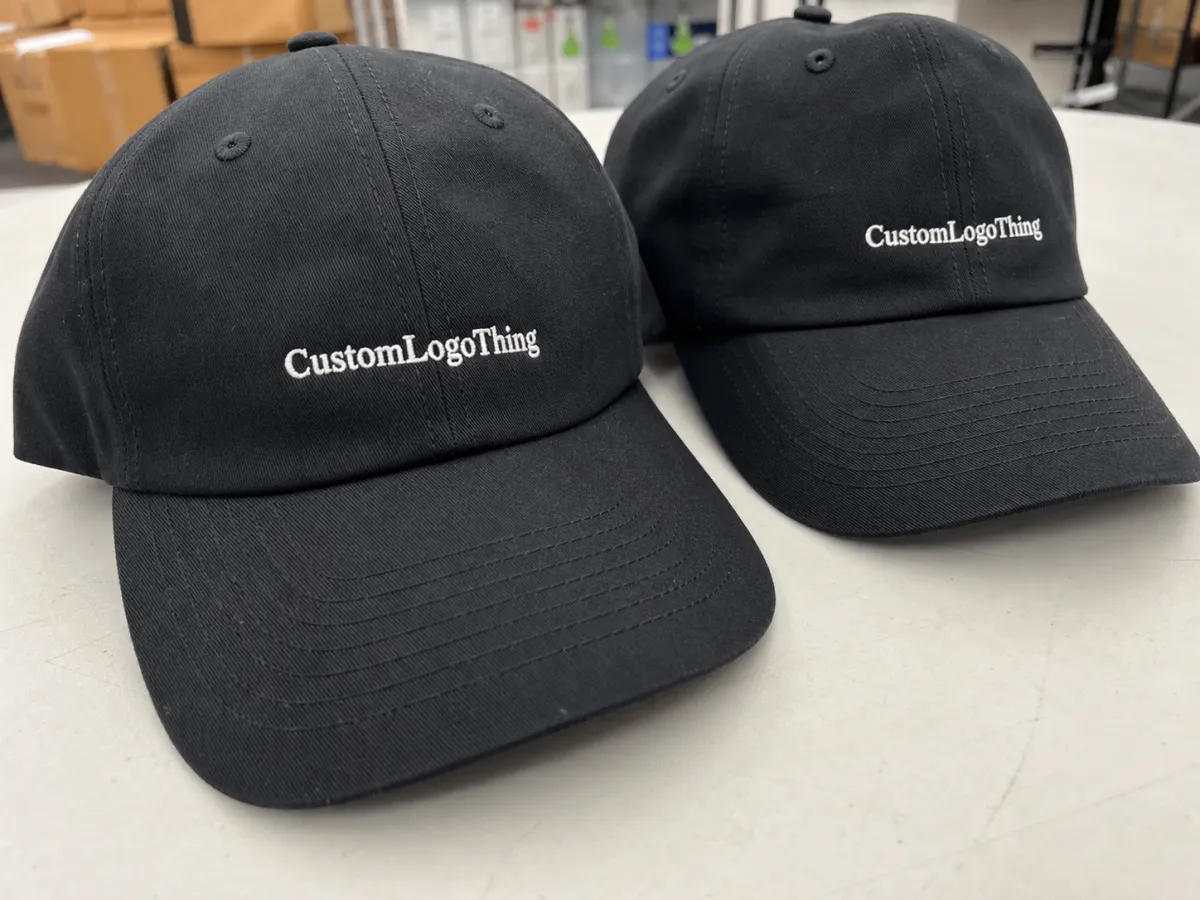
Caps work because they are visible, wearable, and forgiving on fit. T-shirts require broader size planning. Drinkware is useful, but it stays put. Caps travel, and that gives them more impressions per unit than most show-floor items. When buyers compare them with stickers, lanyards, or low-cost pens, the higher quote can still make sense if the cap leaves the event looking like merchandise rather than filler.
There is also a retail instinct involved. A decent cap can sit on a shelf, hang on a peg, or sit in a booth bin without feeling like throwaway swag. That is a useful trait for brands trying to bridge the gap between promotion and product. A retailer does not need a luxury build. A distributor does not need fashion-house details. They do need a cap that reads as deliberate.
Where the economics start to separate is in the construction. Crown shape, panel count, fabric weight, visor curve, and stitch density all affect how the piece feels in hand. A front panel that collapses too easily or a rough inner seam can make a cap seem cheaper than it actually is. That perception matters. People make purchase judgments fast, often before they have read the logo.
In practice, buyers usually end up in one of three bands:
- Entry value: stock caps with basic embroidery, aimed at keeping spend tight.
- Retail-adjacent: better fabric, cleaner finishing, and one or two upgraded details such as a woven patch or branded inner tape.
- Retail-ready: a cap that can be sold from the booth or shipped into a store program without apology.
The middle band is where many trade show orders land. It gives enough finish to protect the brand while avoiding the cost of overbuilding a piece that will still be handed out by the hundred.
Cap Styles, Fabrics, and Decoration That Change Perceived Value
Style is the first cue buyers notice. A structured snapback feels firmer and more streetwear-driven. A dad hat reads softer and more casual. A trucker cap is lighter and fits outdoor events well because the mesh back improves airflow. Five-panel caps tend to feel more contemporary and are common in fashion-leaning merchandise. Performance caps bring a technical look that suits sports and active lifestyle brands.
Fabric choice moves the price and the handfeel at the same time. Cotton twill remains the safest all-around option because it balances cost, structure, and decoration compatibility. Washed cotton gives a broken-in finish, but that softness can reduce the polished look some brands want. Polyester blends often hold shape well and can be easier to source at stable prices. Mesh lowers material cost and adds comfort in heat, though it is not always the right visual for a premium display. Technical fabrics can look clean and modern, but they usually increase complexity somewhere in the supply chain.
Decoration has the biggest effect on whether the cap feels retail or merely branded. Flat embroidery is usually the most controllable route. It is efficient, durable, and predictable on standard logos. 3D puff embroidery creates depth on a structured front panel, but it adds labor and depends on a crown that can support the raised stitch work. Woven patches and leather patches often look more finished, although they also add tooling, application time, and more points of failure. Screen print can be cheaper, yet it often reads less premium on a cap than embroidery or patchwork does. Heat transfer fits short runs and detailed graphics, but it is rarely the strongest choice for a cap meant to be worn repeatedly.
Fit and closure style are easy to overlook, but they matter more than many buyers expect. A high crown feels bolder. A lower profile feels more modern and less aggressive. Flat brims skew sharper; gently curved brims are easier for a broad audience to wear. Plastic snap closures remain the most cost-efficient. Fabric straps feel softer. Metal buckles can lift the finish, although they add cost and are not necessary for every brand.
Here is a practical comparison of common styles and the cost range buyers usually see before freight and any unusual packaging requests are added.
| Style | Typical Look | Common Decoration | Approx. Cost Per Piece | Best Use |
|---|---|---|---|---|
| Dad hat | Low profile, relaxed | Flat embroidery, small patch | $1.80-$4.50 | Lifestyle brands, lighter merch |
| Structured snapback | Firm front, retail-friendly | 3D puff, woven patch | $2.20-$5.80 | Booth display, streetwear drops |
| Trucker cap | Mesh back, casual | Embroidery, woven label | $1.70-$4.20 | Outdoor events, lower bulk pricing |
| Five-panel | Clean front, contemporary | Patch, print, embroidery | $2.40-$6.20 | Retail merch, fashion-forward brands |
| Performance cap | Technical, lightweight | Heat transfer, small embroidery | $2.80-$7.00 | Sport, outdoor, active promotions |
Those numbers are a market range, not a promise. Artwork size, thread count, fabric availability, and shipment method can move the final result quickly.
Specs Buyers Should Lock Before Requesting Samples
Quotes stay clean only when the spec is clean. If the build is vague, the sample may look fine while the production run drifts because details were never locked. That is a familiar problem on cap orders: the mockup gets approved, then the factory fills in the blanks in a way that saves time, not necessarily in a way that protects the design.
Before requesting samples, buyers should decide the core construction points. These are the details that actually shape price, fit, and finish.
- Panel count: five-panel or six-panel, plus any custom construction that changes sewing time.
- Structure: structured, unstructured, or lightly structured.
- Brim shape: flat, pre-curved, or gently curved.
- Closure: snapback, strap-back, hook-and-loop, or fitted.
- Sweatband: standard tape, printed tape, or comfort upgrade.
- Decoration size: enough to be visible without becoming stiff or bulky.
Decoration placement needs equal attention. Center-front art is the simplest and safest. Side embroidery can work, but only if the logo reads clearly at a smaller size. A back hit can support a secondary brand line or event detail. All-over repeat graphics are possible, but they belong in a different buying category and usually come with more fabric waste and more sewing complexity.
Color deserves a careful conversation. Pantone references help, yet fabric, thread, and patches do not always match perfectly across materials. A woven patch can hold color detail better than direct embroidery. Fabric dye lots can shift slightly. Thread sheen changes how a color reads in bright light. If exact matching matters, ask how close the supplier can get on each component and decide how much variation the brand can tolerate.
Samples should move in stages. A blank cap confirms base quality. A decorated proof checks placement and stitch behavior. A pre-production sample is the final check on fabric, trim, and artwork together. Skipping the intermediate steps saves a little time and often costs more in rework.
Packaging questions belong in the spec conversation too. If the caps are shipping into a show venue or a distribution center, ask whether the supplier can support carton labels, moisture protection, and recycled packaging options. ISTA publishes transit test standards, and FSC is the useful reference if certified paper packaging matters to the buyer. That kind of planning sounds minor until cartons are moving through multiple hands and one crushed shipment blows the schedule.
Trade Show Retail Merch Caps Unit Cost: Pricing, MOQ, and Quote Drivers
Trade show Retail Merch Caps unit cost is shaped by a stack of variables, not one headline price. The base cap matters. Decoration matters more than many buyers expect. Setup, packaging, freight, and any custom trim can turn a simple order into a more expensive one very quickly.
Quantity is usually the first lever. Tooling, digitizing, and other setup charges are spread across the run, so small orders carry a heavier burden per piece. A 150-piece run and a 1,000-piece run may use the same embroidery file and almost the same production steps, but the small order has to absorb the fixed cost much more aggressively. That is why low-volume quote sheets often look high even when the cap itself is ordinary.
MOQ is tied to production efficiency. Stock caps with a single decoration location can sometimes start around 100-300 pieces. Custom fabric, private labels, specialty closures, and retail finishing usually need 300-1,000 pieces, sometimes more, before the numbers settle into a reasonable range. A higher minimum is not always a bad sign. Sometimes it simply means the supplier is pricing the real labor instead of hiding it.
Decoration complexity is the other major driver. A one-color logo on the front panel is easy to quote. A front patch, side embroidery, woven label, hang tag, and branded inner tape create more touchpoints and more handling. Every added step adds labor. Every added handoff adds risk. That is where costs creep upward even if the cap body itself has not changed.
A clean quote should separate the major components:
- Base cap: the blank garment before decoration.
- Decoration setup: digitizing, patch tooling, screens, or transfer prep.
- Packaging: polybag, insert card, hang tag, sticker, or retail box.
- Freight: air, ocean, express, or domestic shipping after import.
- Allowance for waste: rework, sorting, or replacement if the artwork is dense or the trim is custom.
A useful reference point: simple stock caps with one embroidery location can sit in the low single digits per piece at moderate volume, while retail-ready builds with special labels, patches, and individual packing can reach the mid-single digits or higher. The faster the turnaround and the more polished the finish, the more likely the unit cost rises.
For a meaningful comparison, ask for tiered pricing at 300, 500, 1,000, and 3,000 pieces. That reveals where the cost curve flattens. If the next tier barely improves the unit cost, staying smaller may be the smarter call. If the jump drops the price materially, the larger run may justify itself.
Here is a practical pricing structure buyers can use as a baseline before requesting final quotes.
| Order Type | MOQ | Typical Setup Charges | Typical Cost Per Piece | Notes |
|---|---|---|---|---|
| Stock dad hat, 1-color embroidery | 100-300 | $35-$120 digitizing | $1.80-$3.20 | Lowest friction for fast quote turnaround |
| Structured snapback, woven patch | 300-500 | $60-$180 patch tooling | $2.70-$4.80 | Better retail feel, higher finish level |
| Five-panel, 3D puff logo | 300-1,000 | $45-$140 digitizing | $3.20-$5.90 | Needs a stable front panel and clean artwork |
| Custom fabric, labels, hang tag, polybag | 1,000+ | $100-$300 combined setup | $4.80-$8.50 | Retail-ready, but only if the brand can use the volume |
What usually drives quotes up fastest? Multiple decoration locations, custom dyeing, premium closures, rush schedules, and packaging that turns the order into a mini retail program. If the caps are being handed out at a trade show, be honest about whether the packaging needs to impress or simply protect the product. Those are different levels of spend.
Production Process, Timeline, and Realistic Lead Times
The cleanest order flow is straightforward: brief, quote, artwork review, spec confirmation, sample or proof, production, QC, and shipping. Skip a step and the project usually finds it later in the form of a correction.
Stock-based caps with basic decoration can move quickly once the artwork and deposit are approved. Many of those orders land in the 10-15 business day range before shipping, though that window depends on inventory and factory load. Fully custom builds with new fabrics, special labels, or retail packaging usually need 20-30 business days, and sometimes more if the design has several moving parts.
The delays that hurt most are rarely dramatic. They are usually small and predictable: missing Pantone references, late sign-off on placement, changes after sample approval, or a deposit that arrives too late to hold the production slot. None of that is mysterious. It still affects the calendar.
Shipping time belongs in the plan from the start. A cap is not useful until it lands where it needs to be. Air freight is faster and more expensive. Ocean freight lowers transportation cost on larger volumes, but transit time stretches and customs timing becomes part of the schedule. For a close-dated event, a simple cap that arrives on time is better than a perfect cap that misses the show.
The best way to hold cost and schedule in place is to lock the quantity early, approve artwork once, and freeze the spec sheet before the run begins. Every change after that point puts pressure on unit cost and adds the possibility of a slower ship date.
What a Reliable Cap Supplier Should Prove Before You Order
Photos are easy. Clear answers are more useful. A reliable cap supplier should be able to explain construction, decoration, and quote structure without hiding behind broad wording. If they cannot split the cost into recognizable pieces, the final landed number will be harder to trust.
Before approving an order, ask for the following:
- Exact cap spec: style, fabric, panel count, closure, and brim shape.
- Decoration method: embroidery, patch, print, transfer, or a combination.
- Setup breakdown: digitizing, tooling, screens, or other preparation costs.
- Pack-out details: polybag, insert, hang tag, carton count, and master carton size.
- Freight clarity: ex-works, FOB, or landed pricing to the final destination.
Direct manufacturing helps most when a reorder is due. Staff uniforms, recurring retail replenishment, and regional event drops all benefit from records that let the supplier repeat the original cap without rebuilding it from scratch. That saves time and reduces the chance that the second run looks like a near match instead of an exact repeat.
Strong suppliers also point out where price can move before the order is placed. That kind of candor is useful. A supplier who never mentions risk is often the one creating the risk.
One useful question is whether the supplier controls the blank body, the decoration, and the packaging in-house or whether those stages are split across different vendors. Outsourcing does not automatically hurt quality. It does tell you how much timing and repeatability depend on coordination.
What to Send for a Fast Quote and a Clean Reorder
Fast quotes come from specific briefs. The best requests include the cap style, quantity, logo file, decoration method, target date, shipping destination, and packaging preference. That is enough information for a supplier to price the job without guessing through three rounds of follow-up.
It also helps to explain the commercial goal. A trade show handout has different requirements from a retail shelf item. If the cap is meant to sell, say so. If it is meant to move in volume as a visitor giveaway, say that too. The supplier can then choose a base, trim level, and finish that match the use case instead of defaulting to the cheapest or most elaborate option.
Good quote requests usually include these details:
- Quantity tiers: 300, 500, 1,000, and 3,000 if you want to see the pricing curve.
- Artwork files: vector logo, patch art, placement notes, and color references.
- Finish level: plain polybag, retail hang tag, insert card, or shelf-ready packaging.
- Deadline: event date plus a realistic transit buffer.
- Target budget: the ceiling the trade show retail merch caps unit cost needs to stay under.
For a reorder, keep the approved spec sheet, sample photos, and exact decoration notes together. That is the fastest path to consistency. It also avoids the familiar problem where a second run is technically close to the first but not close enough to sit comfortably beside it.
If the next step is a quote, keep the brief focused. State the style, decoration, quantity, shipping location, and the unit cost target. That produces a response built for decision-making instead of a vague number that still needs interpretation.
FAQ
What affects trade show retail merch cap unit cost the most?
Decoration method, order quantity, and cap style usually move the price first. Extra touches like patches, custom labels, special packaging, and rush timing also raise the number. Simple stock styles with one embroidery location are usually the easiest way to control spend.
What MOQ should I expect for custom retail merch caps?
MOQ depends on the build, but simple embroidered runs are often lower than fully custom caps. Custom fabrics, special closures, and retail packaging usually need higher minimums to stay efficient. Tiered pricing is the best way to see whether a larger run actually improves the economics.
Which decoration method keeps cap pricing lowest without looking cheap?
Flat embroidery is often the best balance of price and finish for standard logos. Patches can look sharper, but they add setup and labor. The right choice depends on the brand position and how much wear the cap is expected to take.
How long does production usually take after sample approval?
Stock-based orders can move quickly, while fully custom caps usually need more time. Artwork delays and late changes are the biggest schedule risks. Shipping time should be included from the beginning, because production alone does not get the cap to the event.
Can I mix colors or styles and keep the same unit cost?
Usually not exactly. Mixed styles break production efficiency and can increase setup time. Some suppliers allow color splits within one base style, but every added variation can change the cost structure. Separate tiered quotes are the clearest way to compare options.


