Fitness private label Caps Unit Cost can shift quickly because the same base cap can price very differently once embroidery size, patch construction, closure hardware, packaging, and sample handling are added. A buyer who starts with a logo mockup instead of a spec sheet usually ends up comparing incomplete numbers. The better approach is to define the cap, the decoration, the quantity tier, and the delivery target before asking for a quote.
For Custom Logo Things, the decision is not whether the cap looks good in a render. It is whether the order can stay within target cost, produce consistent quality, and still support retail pricing after setup, freight, and inspection are counted. That is what makes a quote useful to a buyer.
Why fitness private label caps unit cost changes fast
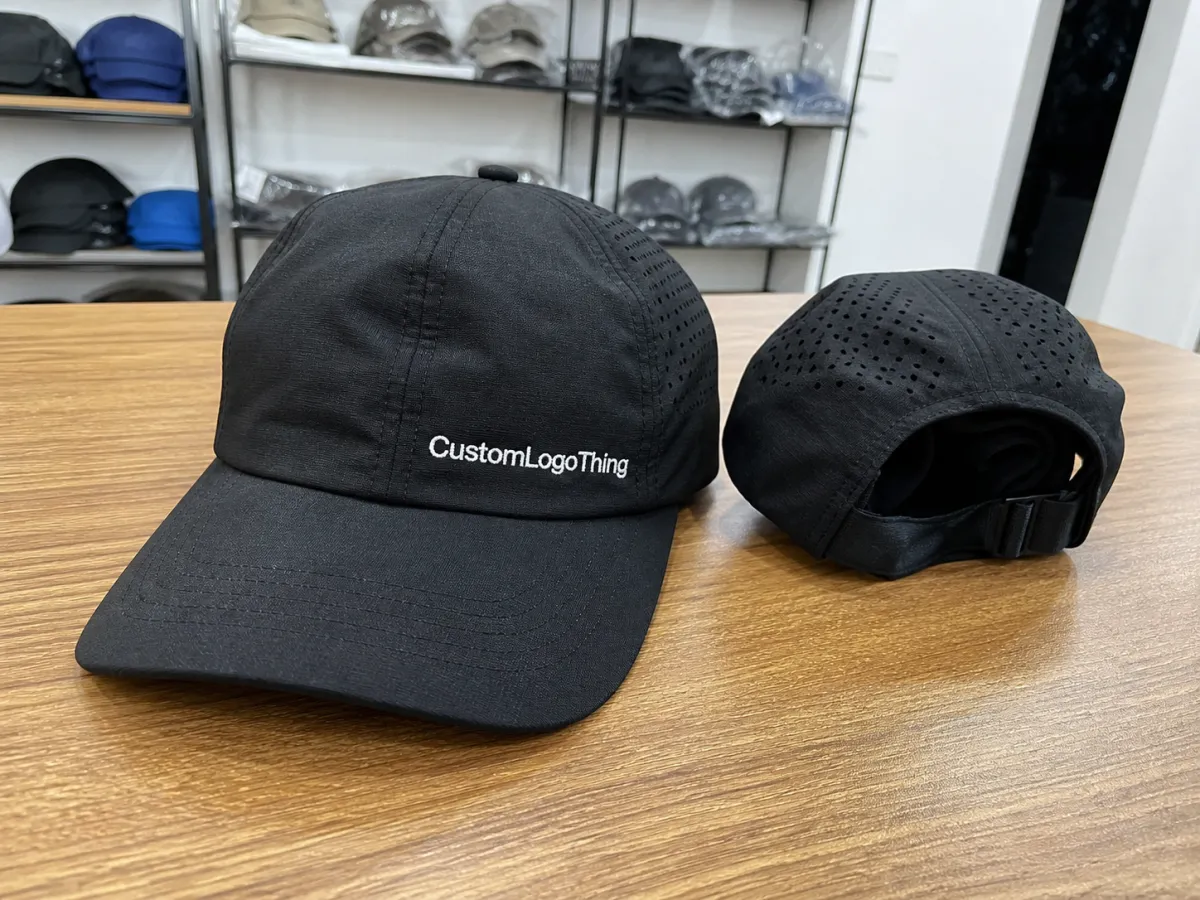
The price moves when the spec changes. A flat embroidered logo is one thing; a 3D puff build, a woven patch, a metal buckle, or a custom lining changes labor and material enough to move the quote. Unit cost is not just fabric. It is the total of sewing time, decoration time, setup, and finishing.
Fitness brands often need one cap program to serve several channels at once: retail, staff gear, and event giveaways. That makes the spec harder than it looks. A cap that is too promotional can miss retail buyers. A cap that is too premium can be hard to use in a low-cost bundle. The best spec sits in the middle, where the style feels current but the build stays efficient.
The biggest cost drivers are usually visible early. Cap structure matters because a structured crown and standard visor are easier to make than an unusual build. Fabric choice matters because cotton twill, washed chino, recycled polyester, and mesh-backed styles behave differently in sewing and decoration. Logo method matters because embroidery, patches, and heat-applied graphics do not take the same amount of machine time. Artwork detail also matters: more thread colors, tighter stitch paths, and small edge treatments raise labor.
A low sticker price is not the same thing as a low total cost. If digitizing, revisions, or packaging changes appear late, the cheapest quote can become the most expensive order.
Clean artwork and a simple approval path usually improve pricing more than buyers expect. One approved placement, one final file, and a practical margin target help the supplier quote the job without padding for unknowns.
Cap styles that fit retail, promo, and team use
Style affects both perception and cost. Structured dad caps remain a strong retail choice because they feel casual and easy to wear with gym and athleisure apparel. Trucker caps work well for events because the mesh back lowers material cost and gives the cap a familiar promo look. Five-panel caps fit youth-oriented fitness brands or streetwear-leaning launches. Performance caps make sense for training use when sweat control and light weight matter more than a fashion-forward hand feel.
Each silhouette changes how value is perceived. A cleaner front panel, better crown shape, and sharper visor curve can justify a higher retail tag even if the production delta is modest. That matters for buyers who need margin room. A cap can look like a $20 retail item without costing anywhere near that much to make, provided the spec is disciplined.
One cap line can often serve more than one use case if the design is broad enough. A single silhouette can support merch, onboarding, and pop-up event stock, which reduces dead inventory and makes reorders easier. Narrower or trend-heavy styles can sell well in the moment but create inventory risk if the channel changes.
There are also style mistakes that hurt sell-through. Overly niche shapes can date quickly. Bright color combinations can look good on screen but cheaper in store lighting. A logo that fills too much of the front panel can make the cap feel promotional instead of retail-ready. Buyers should judge the product in the actual sales environment, not only in a mockup.
For teams that want the whole program to read consistently, many buyers pair caps with Custom Labels & Tags so the finish feels aligned from packaging to wear. That kind of coordination helps even when order volume is split across channels.
Materials, closures, and decoration specs to lock in
The material list should be short and specific. Cotton twill remains a common default because it is familiar and easy to decorate. Washed chino gives a softer, relaxed hand feel. Recycled polyester supports sustainability claims when that message is part of the product brief. Mesh-backed styles improve airflow for outdoor training or event use, while performance fabrics matter when quick-dry behavior is part of the promise.
Closures affect comfort, look, and labor. Snapbacks are common and efficient. Strapbacks feel more premium but may take more labor to finish cleanly. Metal buckles can elevate the cap, but they also add cost and weight. Hook-and-loop closures are practical for team programs, though some retail buyers see them as less premium. On lower MOQ orders, even a small closure change can be noticeable in unit cost.
Decoration should match the logo, not fight it. Flat embroidery is usually the safest route for durability and clear brand recognition. 3D puff embroidery creates strong shelf impact on thicker lettering, but it works best on bold shapes. Woven patches can carry more detail than direct stitching. Silicone patches look modern and flexible, though they may bring tooling fees or other setup costs. Heat-applied graphics can work for lighter artwork, but they should be checked against wear expectations.
Buyers should lock in fit and finish before the first sample. Crown height, panel count, sweatband type, visor curve, stitch density, and color matching all affect the final result. A six-panel structured cap does not present like a low-profile washed cap, and a buyer who wants repeat orders needs measurements with tolerances, not guesses.
If the cap includes labels, hangtags, or inner branding, the finishing needs to match the rest of the package. A paired spec for private label labels and tags can keep the line looking intentional and reduce approval churn.
For sustainability-minded buyers, any recycled-content or forest-based packaging claim should be backed by a real standard. If the package or insert references those materials, review guidance from the FSC and confirm the claim before print. That keeps retail language credible.
Pricing, MOQ, and unit cost by order tier
MOQ changes the economics fast. A lower minimum almost always means a higher per-unit price because setup, sampling, and admin costs are spread over fewer pieces. That does not make small runs a bad idea. It just means the buyer should know what is driving the number. A supplier that can do 150 units may still be more expensive per piece than one that wants 500, but the small run may be the right fit for a launch test.
Each quote should separate the same buckets: blank cap price, decoration setup, digitizing, packaging, freight, duties, and rush fees. Buyers often compare only the headline number. That is where budgets slip. Setup charges can be modest on a simple logo, but they still matter when packaging, labels, and shipping are added on top.
Here is a practical comparison for a standard cap with one primary decoration method, not a fully custom fashion build:
| Order tier | Typical unit cost | Common setup impact | Best use case |
|---|---|---|---|
| 100-299 pcs | $4.20-$7.80 | Higher share of digitizing and sampling | Launch tests, limited drops, staff trials |
| 500-999 pcs | $2.80-$4.90 | Setup spread improves, artwork stays efficient | Retail runs, gym merch, event bundles |
| 2,000+ pcs | $1.70-$3.20 | Best spread of fixed costs and labor | Regional retail, larger promo campaigns |
The table only works if the comparisons are truly equal. A snapback with a small front logo is not the same as a structured cap with a front patch and custom inner labels. If one quote includes special packaging and another does not, the lower number is not the better one.
Digitizing fees for straightforward logos can run roughly $15-$60, while woven patch or silicone tooling fees may range from $25-$120 depending on size and complexity. Those figures are small on large runs, but they can matter on low MOQs. Buyers should also ask whether inspection, carton labeling, or rework protection is included.
For freight-sensitive shipments, it helps to think beyond the factory gate. The ISTA framework is useful when boxed headwear needs to arrive without crushed crowns or damaged packaging. That matters for retail-ready orders, especially when the cap is part of a larger branded shipment.
Production steps, timeline, and lead time checkpoints
The production path is usually straightforward: brief, artwork review, sample or proof, approval, mass production, quality control, packing, and shipment. The process only moves fast when the first step is clear. Most delays come from missing files, unclear instructions, or late changes after approval.
The biggest schedule risks are predictable. Missing artwork triggers redesign. Color changes after proof approval require fresh checks. Unclear sizing leads to sample revisions. Late decisions on labels, hangtags, or packaging create pauses. If the buyer changes logo placement after the proof is signed off, the schedule can reset even if the factory is already set up.
Timing depends on complexity. Simple stock styles with one-color embroidery can often move in roughly 12-18 business days from proof approval, not counting freight. More custom builds with patchwork, specialty trims, or layered decoration can stretch to 18-30 business days. Multiple cap colors, custom packaging, and large artwork changes can push the order longer. Freight should always be tracked separately from manufacturing time.
Sampling deserves its own timeline. A quick proto cap may take only a few business days, but a preproduction sample with the correct fabric, badge, and label stack can take longer. That extra time is worth it if the order is large or the art is dense. A bad sample is expensive; a clear approval sheet is cheap.
The best way to keep the schedule tight is to send a complete approval pack. Include the final artwork file, cap style, color references, labeling instructions, and delivery target in one message. That reduces follow-up and makes fitness private label Caps Unit Cost easier to control because fewer late changes enter the job.
Think of the timeline as a checklist, not a promise. The order is only as fast as the slowest decision, and most of those decisions happen before production starts.
What buyers should compare in a private-label cap partner
Price matters, but repeatability matters more. A low first quote is useful only if the supplier can deliver the same result again. Buyers should ask who handles digitizing, how fast samples move, what the QC process looks like, and how reorder consistency is maintained. Those details protect margin after the first shipment lands.
Transparent specs are non-negotiable. The quote should identify fabric weights, measurement tolerances, decoration placement, closure type, and packaging standard. If those details are vague, the order can drift. One run may arrive with a slightly higher crown or a different sweatband, and the buyer may not notice until the cartons are opened.
Operational support can save real money. Fast revisions shorten the approval loop. Reorder support helps when a bestselling cap needs a quick repeat. Clear communication on substitutions prevents surprises if a fabric shade is unavailable. In a private-label program, hidden cost often comes from confusion, not from the sewing machine.
There is also a difference between a partner that understands retail presentation and one that only understands promotional volume. Retail needs cleaner finishing, better consistency, and tighter inspection. Promo volume needs speed and cost control. The best suppliers can handle both without forcing the buyer to choose between polish and efficiency.
Many brands bundle cap programs with other branded items so the presentation feels complete. If the launch includes neck labels, hangtags, or packaging inserts, an internal finishing source like Custom Labels & Tags can help keep the brand language consistent across the order.
Before approving a partner, ask for photos of packed cartons, label placement, and carton counts. If the supplier cannot show how goods are packed, they may not be the right fit for a retail rollout. That is not pessimism; it is risk control.
Next steps to quote fitness private label caps unit cost
If you want a quote that is actually usable, gather the basics before you ask for pricing. Send the exact cap style, target quantity tiers, artwork files, decoration method, delivery destination, and any packaging requirements. A weak brief creates a weak quote. A clean brief lets the supplier price the job with fewer assumptions.
Request tiered pricing so you can see where the margin improves. A 250-piece run may be useful for testing, but a 750-piece tier might deliver a much better cost per piece. That is often the point where a retail program starts to make sense. Ask for total landed cost, not only the factory number, because freight and duties can shift the final margin more than buyers expect.
If the art is complicated, ask for a sample or preproduction proof. That step can prevent rework on stitch density, patch shape, or logo placement. It is cheaper to catch a problem in sample form than after a full run. The same is true for packaging. If the cap needs branded labels, insert cards, or wrapped presentation, approve that stack early.
For a cleaner quote cycle, send the spec sheet, quantity targets, and artwork together in the same message. That gives the supplier enough detail to lock in fitness Private Label Caps unit cost with fewer revisions, fewer assumptions, and less back-and-forth.
What lowers fitness cap unit cost the most?
Higher quantity usually lowers the per-unit price faster than any other factor. Simple decoration, fewer thread colors, and a standard blank cap also reduce cost. Avoid late artwork changes, because revisions can add hidden setup and sampling charges.
What MOQ should I expect for private label fitness caps?
MOQ depends on cap style, fabric, and decoration method, so there is no single number that fits every order. Simple stock-style caps often have lower minimums than fully custom builds. If you need packaging, labels, or special trims, the MOQ may rise with the added labor.
Is embroidery cheaper than patches for fitness cap pricing?
Not always; embroidery can be efficient on smaller logos, but large or dense designs increase stitch time. Patches can create a premium look and may reduce complexity on some artwork layouts. The best choice depends on logo size, detail level, and how much durability the buyer wants.
How long does custom fitness cap production usually take?
Timing depends on whether the order uses stock blanks or fully custom specifications. Sampling, approval, and freight are often the biggest variables, not just factory sewing time. A clear spec sheet and fast approval cycle are the easiest ways to shorten the schedule.
What do you need to quote private label cap pricing accurately?
You need the cap style, quantity tiers, decoration method, artwork files, and shipping destination. Packaging requirements, label details, and target delivery date also affect the final number. The cleaner the brief, the more reliable the quote and the lower the chance of surprises later, which is exactly how you protect Fitness Private Label Caps unit cost.


