Two caps can both be labeled “one size,” yet one sits cleanly while the other perches too high, bites at the temples, or feels oddly shallow after a few minutes. That gap is exactly why a trucker caps Fit and Sizing guide matters. Buyers are not just choosing a look; they are choosing crown depth, closure range, panel structure, and the way all of those details behave on an actual head.
Trucker caps are especially sensitive to small construction changes. The front panel, mesh back, sweatband, and rear closure do not work independently. If one part is off, the whole cap can feel wrong. For uniforms, retail programs, and promotional runs, that can mean avoidable returns, extra samples, and more time spent fixing what should have been locked in at the spec stage.
Trucker Caps Fit and Sizing: Why One Size Rarely Fits
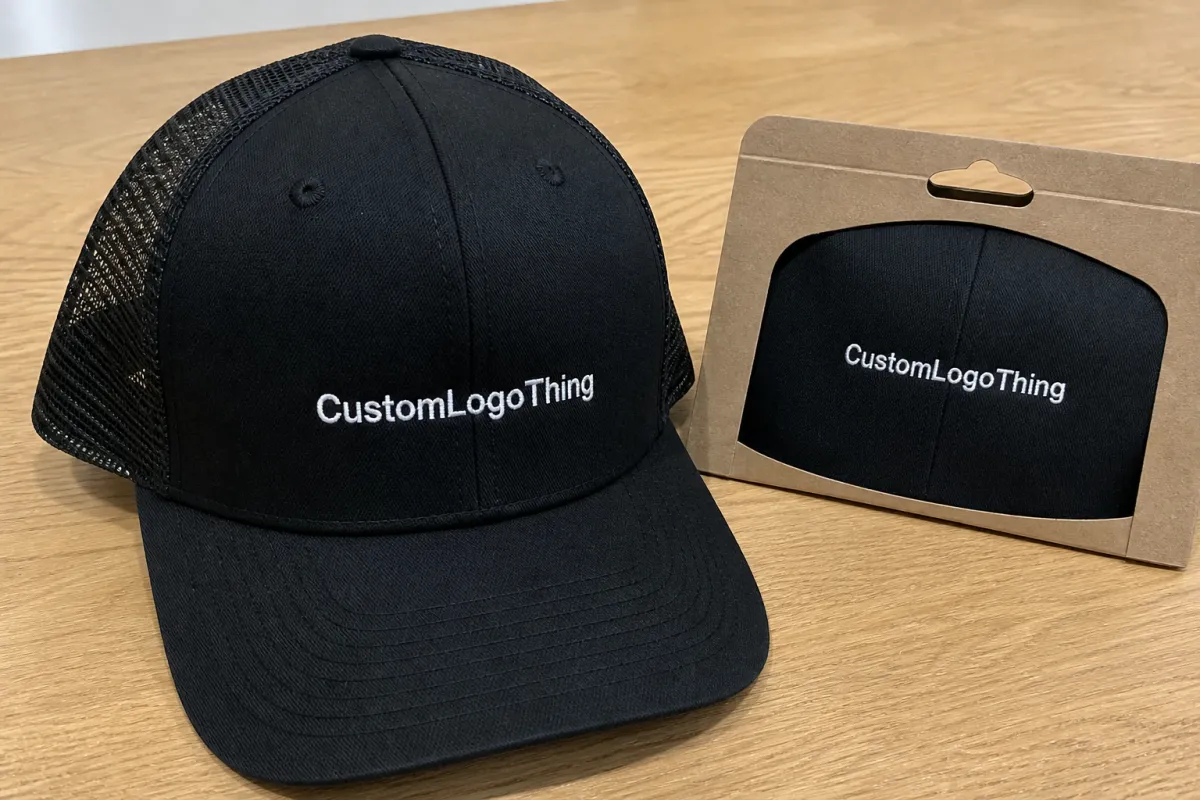
The phrase “one size fits most” sounds tidy, but it hides a real problem: trucker caps are built within a fit range, not a universal shape. A snapback with a tall foam front, a firm sweatband, and six or seven closure positions will wear very differently from a lower-profile cap with softer buckram and a shorter crown, even if both are sold under the same size label.
Most adult trucker caps are designed to work somewhere around a mid-50s to low-60s centimeter circumference, yet that number only tells part of the story. Two caps with the same circumference can still feel different because the internal band is tighter on one, the crown sits deeper on the other, or the front panel is more rigid. Buyers often focus on the number and miss the shape.
Fit problems usually show up in predictable ways. A cap can feel too shallow and ride high. It can feel tight at the temples even if the circumference looks correct. It can also feel loose at the back while still pressing the front of the head. Those are not cosmetic issues; they determine whether people keep wearing the cap after the first day.
For custom orders, the smartest approach is to treat fit as part of the product brief, not an afterthought. The goal is to match the cap to the wearer group, the decoration method, and the intended use. A giveaway cap for a mixed crowd needs more tolerance than a staff cap worn by a known team with a consistent size profile.
“A cap can be adjustable and still be wrong for the group. Structure, not just size, decides whether it wears well.”
That is the practical lesson behind any trucker caps Fit and Sizing guide: the label is only a starting point. The usable range, the head shape, and the internal build matter just as much as the nominal size.
How Crown Shape, Mesh, and Closure Change the Fit
The front panel is the biggest reason trucker caps feel different from soft caps. Structured foam or buckram keeps the crown upright and gives embroidery a clean surface, but it also changes where the cap touches the forehead. A stiffer front can make a cap feel larger, smaller, or more rigid than the measurements suggest. On paper, it looks straightforward. On-head, it is more complicated.
Mesh back construction adds breathability, but mesh is not all the same. A heavier mesh feels firmer and holds shape better. A lighter mesh has a little more give, though it may look less substantial. Stitch density, finishing, and how the mesh is joined to the side panels all affect the final feel. Even a few millimeters of difference can matter when the wearer sits near the edge of the size range.
Closure type shapes both fit and appearance. Snapback closures usually offer the widest adjustment range and are the most forgiving for mixed-size groups. Strapbacks tend to look cleaner at the rear and can feel less bulky, though they often have a narrower practical range. Velcro closes quickly, which is useful for utility or event use, but it is rarely the best choice for premium retail presentation. Fitted styles are the least forgiving and demand more exact size control.
Head shape matters more than most first-time buyers expect. Two people can share the same circumference and still experience the same cap differently because one has a rounder profile and the other is more oval. One wearer may feel pressure at the sides. Another may feel the cap sits too far forward. A spec sheet does not capture that by itself.
For comparison, the fit behavior usually looks like this:
| Style | Fit Flexibility | Typical Feel | Best For |
|---|---|---|---|
| Snapback trucker | High | Structured, adjustable, familiar | Retail, events, mixed head sizes |
| Strapback trucker | Medium | Smoother rear profile, slightly neater finish | Lifestyle brands, premium merch |
| Velcro trucker | High | Fast adjustment, less refined look | Promo work, field teams, utility use |
| Fitted cap | Low | Precise, less forgiving | Controlled size programs only |
For most bulk orders, a structured snapback with a known closure range is the safest starting point. It gives enough adjustability for a broad audience without collapsing into a loose, shapeless fit.
Measuring Head Size Before You Order
A soft tape measure is the right tool. Wrap it around the widest part of the head, just above the ears and across the forehead, then record the circumference without pulling too tight. That number is more useful than a generic size label because it can be compared directly with the supplier’s actual closed and open measurements.
It helps to record the result in both inches and centimeters. Production sheets are not consistent. Some factories spec caps in imperial units, others in metric, and a sloppy conversion can create a size mismatch that only shows up after production. A 57 cm head and a 58 cm head look close on paper, but in hat sizing, small gaps are real.
Basic circumference is only part of the picture. Hair volume, braids, undercaps, sweatband thickness, and personal preference all change the fit. A cap worn over a tied-up hairstyle often needs a little more depth or a wider adjustment range. If the wearer likes a close fit, the same cap may need to be trimmed tighter at the back than the measurements suggest.
Ask for the usable range, not just the marketing label. The useful numbers are the closed circumference, the open circumference, and the number of real adjustment steps. A snapback with seven rows is not the same as one with five. The difference can be enough to decide whether the cap is comfortable or annoying.
A solid trucker caps fit and sizing guide should answer four questions before the order moves forward:
- What head circumference range will wear this cap?
- How deep is the crown from brim to top button?
- How far does the closure open and close?
- Will the cap be worn over hair, liners, or other headwear?
That level of detail prevents a common mistake: approving a cap that looks right in photos but fails once it is worn for a full shift, a long event, or a hot afternoon outdoors.
Cost, Pricing, and MOQ Factors for Custom Trucker Caps
Blank price is only the beginning. A useful quote should separate the cap base, decoration, labeling, packaging, and any setup or digitizing costs. If those numbers are bundled together, it becomes hard to tell whether the quote is genuinely strong or just incomplete.
For a typical custom order, a blank trucker cap often lands around $1.20 to $3.50 per unit depending on fabric weight, crown construction, and the quality tier of the blank. Add embroidery and the price can move to roughly $2.75 to $6.50 at moderate quantities. Patches, woven badges, special trims, and premium finishing can push it higher. That is normal; decoration changes labor as much as it changes look.
Decoration also affects fit. Flat embroidery keeps the front panel relatively tidy, though it can still stiffen the crown. 3D puff embroidery adds height and makes the front feel firmer. Large patches and heavy appliques add more structure, and sometimes more weight, right where the cap rests against the forehead. That matters if the wearer already sits near the upper end of the fit range.
Here is a quick comparison of common decoration options:
| Decoration | Typical Cost Impact | Fit / Feel Impact | Best Use Case |
|---|---|---|---|
| Flat embroidery | Low to moderate | Clean look, slight front-panel firmness | Simple logos, team caps |
| 3D puff embroidery | Moderate | More stiffness and visible volume | Bold retail branding |
| Woven patch | Moderate to high | Less panel distortion than dense stitching | Fine detail, cleaner surface finish |
| Leather or PVC patch | High | Heavier feel on the front panel | Premium drops, lifestyle merch |
MOQ shifts the economics too. A lower minimum can be useful for testing fit or artwork, but the unit price is usually higher. Mix in multiple thread colors, custom labels, carton inserts, or assorted pack-outs and the quote changes again. Freight and rework are easy to ignore during sourcing, then very obvious if the caps do not fit and have to be replaced.
Packaging can influence cost more than buyers expect. Retail-ready boxes, polybags, hang tags, and shelf inserts all add labor and carton volume. If your program includes sustainability claims or retail presentation standards, it is worth checking the paper stock and packaging structure early. The Institute of Packaging Professionals has useful references for pack-out planning and presentation tradeoffs.
Process, Timeline, and Turnaround for Sample-to-Ship Orders
A normal cap order follows a familiar path: inquiry, quote, artwork proof, sample approval, bulk production, final inspection, and shipment. The sequence is not glamorous, but it is where fit gets protected or lost. The earlier a buyer resolves crown shape and closure range, the less likely the bulk run is to drift.
Lead time changes with complexity. A straightforward logo on a standard snapback can move quickly. Add a custom patch, special mesh, unique thread colors, or a revised closure, and the schedule stretches. Artwork revisions alone can add days if the logo keeps changing size or placement. On the production side, blank sourcing and trim approval can slow things down even when the artwork is already finished.
A pre-production sample is often worth the time if the order will be worn publicly, sold at retail, or shipped at scale. For a small reorder with a previously approved spec, a documented fit record may be enough to move directly into bulk. The question is not whether a sample exists. The question is whether the sample was tested on a real head and approved for the right reasons.
Typical timelines often look like this:
- Spec confirmation and quote: 1-3 business days
- Artwork proofing: 1-4 business days depending on revisions
- Sample approval: 5-10 business days if a physical sample is needed
- Bulk production: often 12-20 business days after approval
- Freight and delivery: depends on shipping method and destination
For shipments that need extra handling, packaging testing is worth considering. Cartons that are too large, too soft, or packed too loosely can create avoidable damage in transit, especially if caps are shipping across multiple distribution points. The ISTA test methods are a useful benchmark for understanding shipping stress and pack integrity.
A day spent checking the cap on an actual wearer is cheaper than a week spent replacing the wrong stock later. That sounds obvious, yet it is one of the most common failures in hat sourcing.
Step-by-Step Sizing Checklist for a Safer Order
Start by defining the wearer group. Staff, retail customers, event attendees, and promo recipients do not tolerate the same fit. A uniform cap for a tightly controlled team can be a little more specific. A retail cap needs to work across a broader range of heads and personal preferences.
Then move through a practical checklist:
- Measure a sample group of heads, not just one person.
- Confirm the cap style: snapback, strapback, Velcro, or fitted.
- Check crown depth and front panel height.
- Review the closure range in writing.
- Approve a decorated sample on a real person.
Do not limit the test to a still photo. Wear the cap while sitting, walking, bending, and turning the head. Those small motions reveal pressure points that are invisible on a table. If the cap will be worn over tied hair or under a hoodie, test it that way. A fit that feels fine for two minutes may turn irritating after an hour.
Document the approved spec. That sounds basic, but it prevents a lot of drift later. If the first order uses a seven-row snapback, a specific sweatband thickness, and a 3.75-inch crown, write it down clearly so the reorder matches. Without that record, even a good supplier can inadvertently shift the fit over time.
If your program includes retail labels or hang tags, FSC-certified stock can support a cleaner materials story. More importantly, it keeps the paperwork and packaging consistent across future runs. The FSC site is a useful place to verify certification basics before you finalize packaging language.
Common Fit Mistakes That Lead to Returns
One of the most frequent mistakes is assuming every snapback fits the same way. The number of closure rows matters, but so does band tension, sweatband thickness, and how the back opening is finished. Two caps from different factories can look almost identical and still wear differently enough to create complaints.
Another common miss is approving a cap without trying it on a real head. A cap can look balanced and sharp on a desk, then reveal its flaws once it is worn: a high crown, a hard forehead line, or a rear opening that is too loose on the smallest setting. Those are the problems that trigger returns.
Heavy decoration can create its own issues. Dense embroidery, layered patches, and thick backing materials make the front panel firmer. That can be useful for shape retention, but it also reduces forgiveness. If the wearer already needs the cap at the upper end of the size range, that extra rigidity may tip it from comfortable to tight. Sweat and heat can amplify the issue.
Skipping samples is another expensive shortcut. The order looks cheaper at the beginning, then freight, replacements, and customer complaints eat the savings. A sample does more than confirm color and logo placement. It verifies how the structure behaves under real wear.
For anyone using a trucker caps fit and sizing guide to reduce risk, the point is simple: fit is part of the product, part of the brand experience, and part of the total landed cost. Treat it that way.
Expert Tips and Next Steps for a Better Fit Order
Ask for a proper spec sheet before comparing quotes. It should list closed circumference, open circumference, crown height, closure type, panel structure, and any notes about the sweatband or interior finish. If a supplier cannot provide those details clearly, the order is already at risk.
Build a one-page fit record for repeat orders. Keep it simple: wearer group, head-size range, closure style, decoration method, sample approval notes, and any changes from the prior run. That record stops small variations from accumulating over time. A reorder should feel like a reorder, not a new experiment.
For a more reliable process, follow this sequence:
- Measure the intended wearer group.
- Request a sample or a documented spec approval.
- Check the decorated cap on a real person.
- Lock the written spec before bulk production starts.
That is the practical advantage of a careful trucker caps fit and sizing guide. It reduces returns, cuts rework, and gives you caps people actually keep wearing. More than that, it protects the difference between a cap that looks acceptable and one that feels right enough to become part of the rotation.
In this category, “close enough” usually costs more than getting the fit right the first time.
FAQ
How do I choose the right size in a trucker cap sizing guide?
Measure head circumference first, then compare that number with the supplier’s closed and open range instead of relying on a generic size label. After that, check crown depth and front-panel structure, because those details affect comfort even when the circumference appears correct. If the caps are for uniforms, retail, or a larger giveaway, approve a sample before placing the full order.
What fit range should I expect from a snapback trucker hat?
Most snapback trucker hats offer a broad range, but the usable fit depends on the number of closure positions and the tension in the band. A cap can be adjustable and still feel too shallow, too tall, or too tight for certain head shapes. Ask for the exact measurement range in inches or centimeters so the fit is clear before production starts.
Do trucker caps fit differently than fitted caps?
Yes. Trucker caps usually have an adjustable back and a structured front, while fitted caps depend on one fixed circumference. The mesh back adds some flexibility, but the crown shape and front panel can still create pressure points. That is why sample testing matters more when you are buying for a mixed group of wearers.
How can decoration affect trucker cap fit and comfort?
Thick embroidery, large patches, or dense backing materials can make the front panel feel firmer and less forgiving. A thicker sweatband or extra interior finishing can also narrow the comfortable range even if the closure stays the same. Ask for a decorated sample so you can judge the final cap, not just the blank version.
Should I order a sample before a bulk trucker cap order?
Yes, especially if the caps will be worn by staff, sold at retail, or shipped to customers who expect a consistent fit. A sample confirms the closure, crown height, and decoration feel before you commit to a larger run. One approved sample can prevent returns, rework, and replacement freight later in the order cycle.

