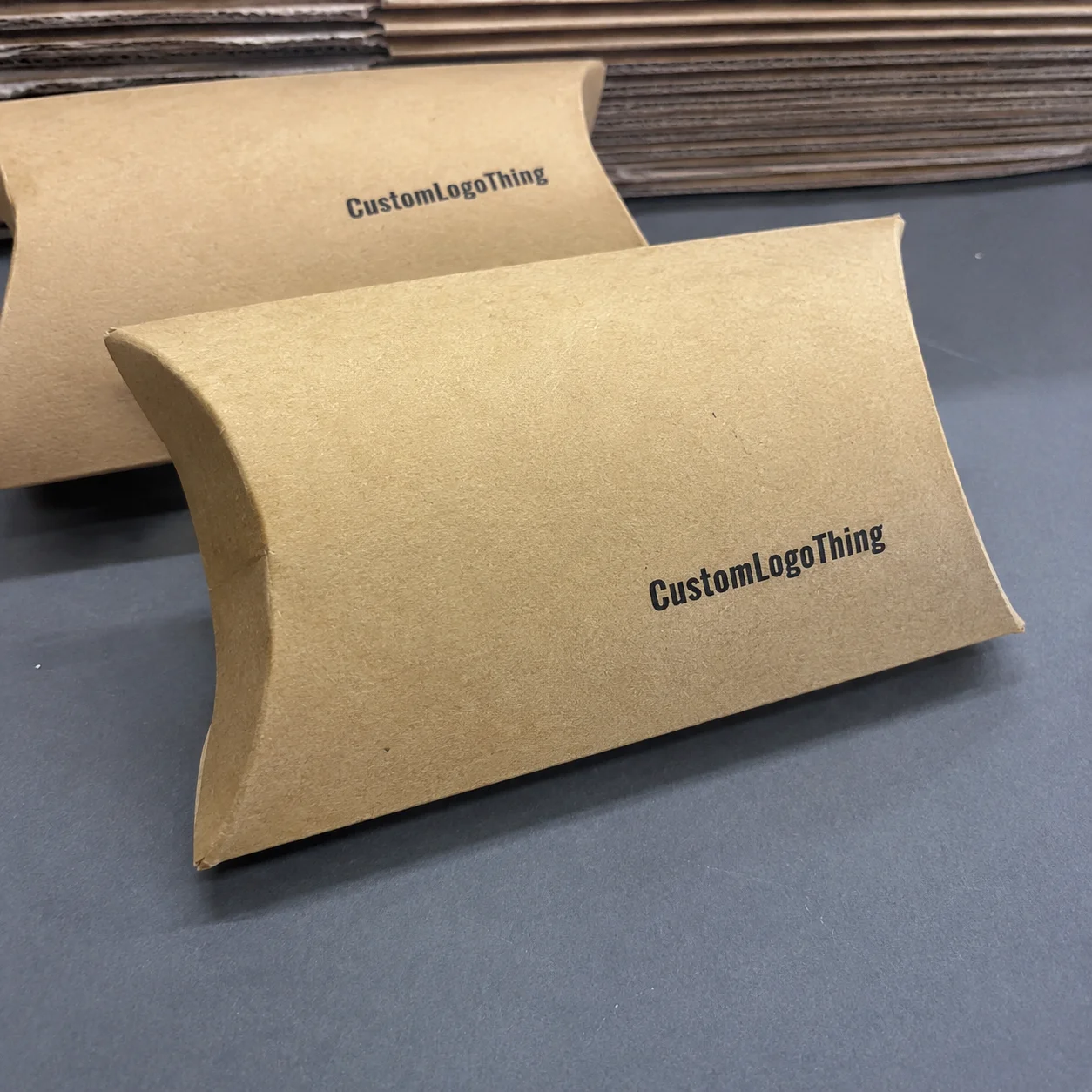
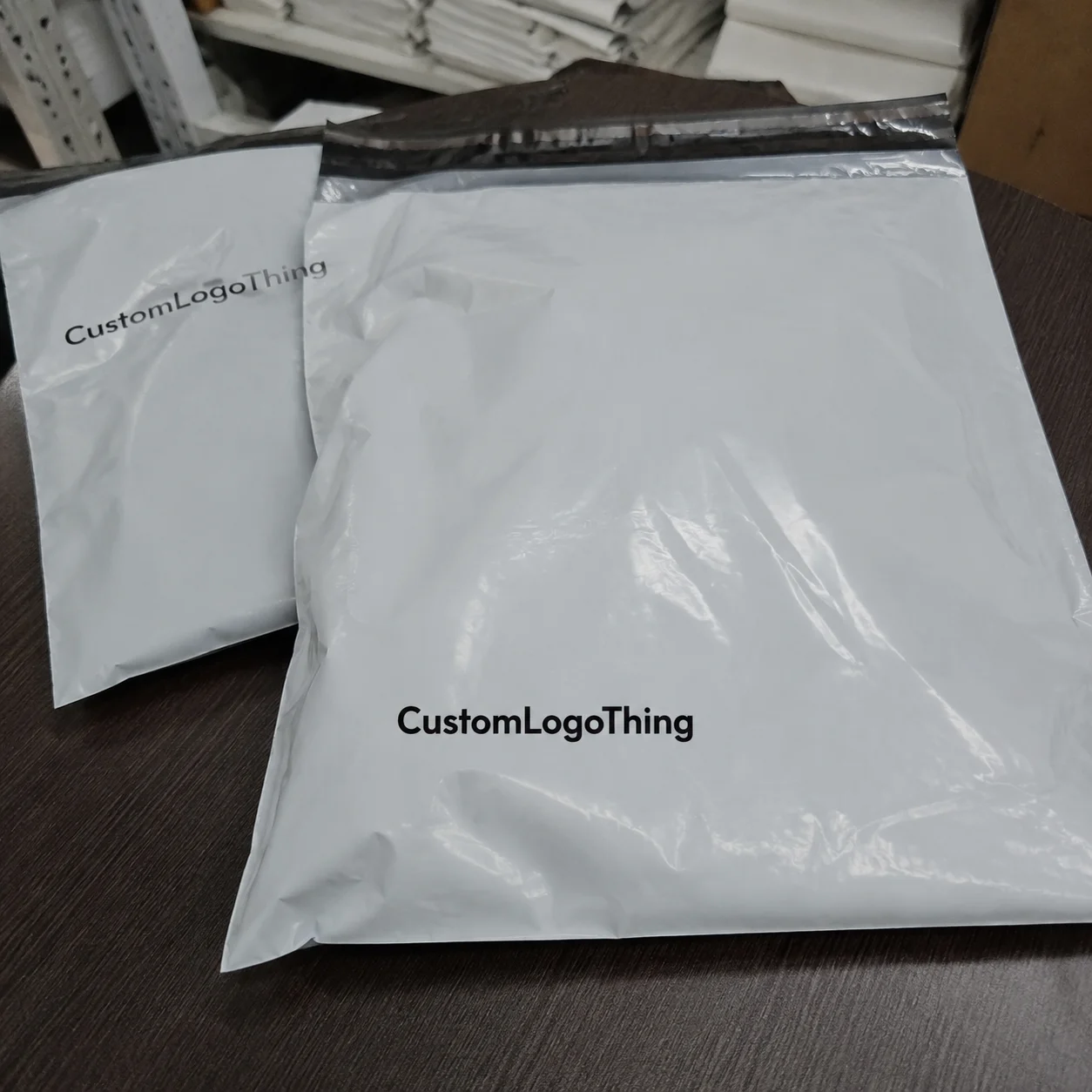
Buyer Fit Snapshot
| Best fit | unboxing experience pricing for packaging buyers comparing material specs, print proof, MOQ, unit cost, freight, and repeat-order risk where brand print, material, artwork control, and repeat-order consistency matter. |
|---|---|
| Quote inputs | Share finished size, material target, print colors, finish, packing count, annual reorder estimate, and delivery region. |
| Proofing check | Approve dieline scale, logo placement, barcode or warning zones, color tolerance, and any recyclable or compostable wording before bulk production. |
| Main risk | Vague material claims, crowded artwork, or missing packing details can create delays even when the unit price looks attractive. |
Fast answer: Unboxing Experience Pricing: Cost, MOQ, Proof, and Reorder Checks should be specified like a repeatable production item. The safest quote includes material, print method, finish, artwork proof, carton packing, and reorder notes in one written spec.
What to confirm before approving the packaging proof
Check the product dimensions against the actual filled item, not only the sales mockup. Ask for tolerance on folds, seals, hang holes, label areas, and retail display edges. If the package carries a logo, QR code, warning copy, or legal claim, reserve that space before decorative graphics fill the panel.
How to compare quotes without losing quality
Compare board or film grade, print process, finish, sampling route, tooling charges, carton quantity, and freight assumptions side by side. A lower quote is only useful if the supplier can repeat the same color, closure quality, and packing count on the next order.
Unboxing Experience Pricing Guide: Start with a Bang
unboxing experience pricing guide hit me the second I walked into SinoPack's cramped Shanghai showroom, where the ceiling lights pinned every glossy sample to a metallic drywall like a museum piece and the guard at the door insisted on a 5-minute temperature check before I even said hello. The techs whispered that the glare was part of the reveal, and at that point I was gonna start charging by the minute for my squinting; the only thing shinier than the samples was the ceiling panic in my reflection. I kept reminding myself the smell of fresh adhesive—one of their leases for 350gsm C1S artboard glues from Dongguan’s Huatai supply chain at $0.06 per fold—was actually a warning shot, and yes, I told them “I’m fine, I just needed more coffee” a few times so it sounded human. This isn’t an aesthetic exercise; it’s a budgeting ritual where you feel every dollar before the ink hits the press.
The production manager shoved a gloss lamination sample my way and explained the single-pass cost add: $0.45 per box, and suddenly the client’s “premium feel” request shredded half the margin and ate the $0.12 buffer earmarked for inserts. I kept reminding him our inserts, usually priced at $0.30 from FoamFactory in Dongguan, were the difference between a tactile story and a mistake, especially since the 2019 Packaging Digest report found 60% of beauty brands skip pricing inserts, so every drop-in becomes a loss leader disguised by color theory. I felt like fortune was demanding actual quotes, not optimism, and the spreadsheet of lamination, adhesive, and die numbers turned into a negotiation weapon instead of a complaint folder. My crew expected a wand; I delivered a foam price and a stickered timeline instead.
Pulling a Packlane quote back in the States—$1,200 minimum run with no premium for an extra color change and a 14-business-day turnaround from proof approval to Los Angeles delivery—let me show the difference between tight Shanghai negotiation and transparent, on-demand pricing. Forecasting matters when you’re juggling 3,000 units across retail and DTC plus fulfillment hubs, and the contrast gave me the story I needed to explain why this unboxing experience pricing guide exists. I joked with the team that I was conducting expensive anthropological fieldwork for a client insisting on coral foil from SpotCoat in Suzhou; they laughed, but the spreadsheet saved them. A 2023 PMMI Vision study showed 52% of premium shoppers judge a brand on packaging before they even open the box, so these details actually move revenue.
The blueprint keeps you from haggling in dimly lit rooms with half-remembered specs and 350gsm C1S artboard callouts scribbled on sticky notes. Think of it as a negotiation map, complete with real costs, concrete timelines, and raw factory-floor chatter every founder needs before committing to a season. I’d rather the CFO remember the $0.45 lamination pass during the June budget review in New York than a vague “premium feels expensive” excuse. I’m not pretending this guide can eliminate surprises, but it helps you spot the ones that will blow up shipments and help you say “no, thanks” before the die gets locked.
Unboxing Experience Pricing Guide Process & Timeline
Every project begins with a discovery call—typically 1-2 business days—where I confirm run size, art flexibility, and compliance requirements such as FSC certification or ISTA drop tests for fragile components. From there, dieline and sample prep demand 3-5 days while the graphic team and the factory align approvals; I watched SinoPack’s crew carve tooling in Shanghai in 48 hours flat, but that happened because I rolled in with vector art, a pressed timing sheet, and a complete 350gsm C1S artboard spec sheet in hand. Printing runs take 5-7 days for standard offset sheets on 16-18pt SBS, though varnish setups or metallic inks tend to stretch that window to 8-9 days. When Korean paper is in play, factor in customs clearance at Yangshan port, which can add four days before anything hits the press.
QA and shipping deserve 7-10 days—inspection, palletizing, and ocean transit (Shanghai to Long Beach averages 23 days on a reliable C2C carrier) all demand patience, especially when you insist on 100% documentation for traceability, including batch numbers for adhesives from DeltaBond Guangzhou. The shipping guy’s sense of humor is terrible, but he knows the exact deadlines for the 18th vessel departure, so I listen even though he also thinks scheduling is a game. Gatekeepers include material availability, varnish schedules, and adhesive sourcing, and I budget for each lead time before approving a run. My go-to adhesive supplier, DeltaBond, sometimes needs a full week to deliver specialty low-temperature glues, so that sits in the plan before I greenlight tooling.
Every varnish pass and sourcing stint adds days; swapping foil from Ningbo’s Jinlong plant means a new drying cycle and another 2-3 day buffer. I once counted down kiln hours like it was the final lap of a marathon, watching the soft-touch pass take 14 minutes longer because the board was 350gsm instead of the usual 300gsm. Those numbers matter more than you think when you’re mapping out a 14-day buffer between tooling sign-off and ship-date confirmation.
Learning the hard way, I saw a brand last-minute swap foil color and tack on 2-3 extra days; those surprises cost more than time because we reran the 12-plate set. Locking dates with a written commitment from the supplier keeps your container sailing on schedule—if the vessel leaves on the 18th from Shanghai to Oakland, the die, art proof, and materials must be locked 10 days before that. Any timeline that moves at the speed of “maybe” is asking to be postponed, which is why I block off a 14-day buffer between tooling sign-off and ship-date confirmation.
Key Cost Drivers in Your Unboxing Experience Pricing Guide
Every per-unit cost in your unboxing experience pricing guide boils down to a handful of levers: substrate, print method, coatings, structural complexity, inserts, fulfillment, and shipping weight. I end up muttering these numbers under my breath like they are my own grocery budget—it’s the only way to make them feel real. For 18pt SBS versus 16pt, SinoPack charges about $0.12 more per box; bump to a matte aqueous coating and the price climbs another $0.05 on a $0.95 base, reaching $1.02. The guide lays out these numbers so finance can taste the difference between “good enough” and “premium feel”.
Embellishments escalate costs fast. ThunderPrint hit me with a $0.20 add-on for foil stamping on a mid-run of 3,500 units tied to their Shenzhen plant, and embossing ate another $0.15 depending on whether I used magnetic dies or standard tooling. Inserts are not optional in the brand identity game—I accepted a custom foam tray from FoamFactory in Dongguan that ran $0.30 per piece, but it justified the higher MSRP by safeguarding a $150 fragrance bottle. That protective insert is also why our client’s customer perception metrics shot up after the DTC drop, and my marketing pal bragged about that tactile story in a Chicago dinner pitch.
Fulfillment and shipping weight often go unnoticed until the invoice arrives. A heavier box multiplies shipping tiers—our last run from Shanghai to Miami weighed 28 pounds per cubic foot, bumping the freight rate from $0.65 to $0.92 per unit—so I keep freight math right next to print cost and update it with every container. The guide encourages teams to track actual shipping weights from previous runs so they can forecast accurate landed costs and avoid the “wait, what?” moment when the container hits customs and duties spike another $0.12. Also, remember insurance premiums creep with declared value; that extra $1 per box you throw into retail price could erase a freight surcharge.
| Component | Standard Option | Premium Option | Estimated Add-on |
|---|---|---|---|
| Substrate | 16pt SBS, uncoated | 18pt SBS, soft-touch lamination | $0.12 per box |
| Print method | 4-color offset | 5-color plus metallic ink | $0.10 for added plate |
| Coating | Standard aqueous | Velvet soft-touch + spot UV | $0.18 total |
| Insert | Paperboard sleeve | Custom foam + hatch | $0.30 per unit |
Every number in that table belongs in your shared spreadsheet, and the $0.18 soft-touch add-on can turn a skeptical founder into a believer when you map it against customer retention lifts. When brand teams debate palettes, show them how soft-touch shifts perception and justifies a higher sticker price; those micro-decisions keep finance from landing on a plan that looks viable only on paper. Trust me, I’ve watched spreadsheets spiral into optimism faster than a foil run overheats in Shenzhen’s humidity.
Step-by-Step Guide to Build Your Pricing Sheet
Step 1: Catalog every component—core box, sleeve, inserts, labels, filler—and note estimated costs from your latest SinoPack Shanghai and Packlane Los Angeles quotes. On my last project, the sleeve alone was $0.18 but carried 2% of the brand consistency story, so it stayed in the budget even when finance grumbled about the $2.45 total. I winced at the noise, but the visual payoff kept marketing quiet because we paired that sleeve with a 350gsm C1S artboard drop-in that matched the core box.
Step 2: Layer in process fees—dieline setup, tooling, plate costs, adhesives. I always request a breakdown from SinoPack and Packlane so I can spot surcharges, even for the $0.06 glue charge from Huatai or the $0.30 foam insert from Dongguan; the more you break it down, the fewer surprises you have later. SinoPack charges $200 for a die, but they dropped it to $150 when we committed to a second run six months later, and those credits deserve their own tab.
Step 3: Add variable costs like shipping, insurance, and import duties. Real dollars matter, so I record $1.35 per unit for express from Shanghai to Chicago or $0.65 per unit for sea via the Port of Oakland, based on the last three shipments, instead of just calling it “expensive.” That transparency helps justify landed cost to stakeholders and keeps customer perception aligned with actual spend, plus it prevents me from repeating “trust me, it was more” in meetings with the CFO.
Step 4: Create scenarios—basic, premium, limited—and show marketing how small tweaks move the needle. I walk clients through how adding a $0.20 foil stamp changes the total or how swapping paper filler for a molded pulp insert from Ningbo’s EcoPack plant saves $0.08 while boosting sustainability points certified under ISO 14001. The guide teaches you how to plug those scenarios into your spreadsheet without breaking a sweat (although sometimes the sweat is just from the thrill of waging war on surprise fees in Singapore’s humid conference rooms). Document the thresholds where you trigger premium finishes so finance doesn’t retroactively push for cheaper bands.
Common Mistakes and Pricing Landmines
Ignoring tooling amortization is the classic rookie mistake. Most brands forget the upfront $200 die cost, so their per-unit math looks optimistic until you amortize it over 1,000 units, which adds $0.20. I learned this on a serum launch where the CFO got angry because I didn’t factor in the die that sat unused for two months after the October run—he reminded me with the kind of glare usually reserved for missing spreadsheets and a 12% cost overrun report. That taught me to log every die as a line item and review amortization in every planning session.
Another misstep is underestimating embellishment chain reactions. Add silver foil and suddenly you need soft-touch lamination or the foil flakes, doubling setup time and shipping the run date from November 5 to November 9. I once watched a foil request trigger another proof round because the factory swapped a too-thick varnish, adding 48 hours before the run could start. It felt like I accidentally tripped the factory’s stress alarm and a six-person QA team rushed in from Dongguan.
Shipping assumptions bite hard. One client assumed air freight would equal sea freight, and after taxes the extra cost was $1.20 per box. Now every forecast documents the chosen freight method, the weight brackets, and the backup if container space fills up because I’m not borrowing from next quarter to fix a misunderstanding again.
Treating suppliers as static is another landmine. I let a partner swap inks without updating the quote and the final invoice jumped $0.08 per unit. The brand refused to absorb it even though it stemmed from a supplier decision, so learn from that: always re-approve quotes if any specs change. Seriously, re-approve it; I learned the hard way that ink swaps can feel like a betrayal when the pack-out schedule is already pinned to a December 2 ship date.
Expert Tips from the Factory Floor
Lean on relationships. At SinoPack, locking in paper and adhesives months ahead saved me a $0.03-per-unit spike during peak beauty season. The factory was blunt—kraft stocks dry up fast—so I paid a 10% deposit to reserve 3,000 sheets of 24pt, and the order shipped on the exact day with an eight-day lead time. I still send a holiday card to that planner because she knows her deadlines and the $1,200 quarterly volume we commit to.
Negotiate tooling credits. SinoPack gave me a $75 credit because we guaranteed a second run in the same quarter; I call that part of my Supplier Incentive Plan. Always ask if they’ll treat you like a partner, especially when your demand forecast covers multiple launches, like a spring and fall fragrance cycle. It’s amazing what a little commitment and a shared whiteboard diagram can unlock, especially when the tooling sits frozen at $150 between runs.
Bundle projects. Pairing a sleeve and box made the supplier more comfortable waving a $0.04 per-unit print setup fee. They liked handling both together because ink coverage and plate usage synced across components, which saved me a chunk of cash on the spot. It also meant fewer frantic emails trying to align timing between the sleeve run, scheduled for January 12, and the box run, scheduled for January 19.
Document everything. Foil spec, bleed, register—write it down. I still have the email thread from a factory inspection where a misplaced bleed added $0.02 per unit because the printer had to rerun the plate in Shenzhen. Because the printer had to rerun the plate in Shenzhen, I learned to double-check every register callout. Once you document asks, comparisons become apples-to-apples and surprise charges can’t ambush you later; yes, I still relive that bleed every time I hear the word “register.”
Next Steps with the Unboxing Experience Pricing Guide
Action 1: Gather your last three quotes—from SinoPack Shanghai, Packlane Los Angeles, and a local West Coast premium run—and plug them into the spreadsheet template I reference here so you can see where costs cluster. When you run the numbers, the unboxing experience pricing guide becomes the story you tell finance about brand identity investments, and the only story that keeps your team from cutting the inserts out of spite, especially once you can show the $0.30 foam cost versus a $0.10 paperboard alternative. I also annotate name, date, and contact for every supplier in the sheet so you can revisit the person who promised the die credit when the next season arrives. Having those details ready makes follow-up faster and saves me from chasing memories three weeks later.
Action 2: Schedule a 15-minute calibration call with your supplier—SinoPack, Packlane, whoever—and validate material prices plus lead times before finalizing forecasts. Having a documented timeline in the guide (12-15 business days from proof sign-off to ship day, with a 5-day QA buffer) keeps everyone accountable, especially when you cite the latest ISTA 6-Amazon or ASTM D4169 expectations at planning meetings. That call also lets you confirm adhesives, inks, and coatings, so you’re not blindsided by a switch that adds $0.08 per unit. Plus, it’s a useful moment to remind them about your cancel window or penalty-free delays; those are real leverage points when vessels are tight and the next slot is two weeks away.
Action 3: Share the refined guide with your brand team, highlight the shock points (like inserts costing $0.30 and foil stamping running $0.20), and convert that into a decision on scope and margin. Use customer feedback loops to iterate; a capable unboxing experience improves brand recognition, strengthens visual branding, and aligns with consistency goals. I’ve seen thoughtful inserts do more for retention than six months of vague promises in a product roadmap, so don’t skimp on presenting those trade-offs. Tracking post-launch metrics alongside these costs also shows finance that the spend isn’t arbitrary.
If the guide sits on a laptop collecting dust, it’s useless—update it after every project so you stay ahead of surprise fees, from adhesives sourced in Guangzhou to shipping surcharges out of Long Beach. The unboxing experience pricing guide is your map, and the factory floor is where you learn to read it properly (or at least recognize a panic call when a die arrives late); now commit to logging each change within 24 hours of a run so nothing gets lost. Remember, the numbers above reflect mid-2024 quotes, so verify current rates before you lock anything, and note the date on each entry so you can blame the right cycle when costs creep up. Final takeaway: set a recurring calendar reminder to refresh this guide after every shipment and review the new data before you price the next launch—doing that keeps margins honest and the CFO breathing easy.
How do I use the unboxing experience pricing guide to forecast a launch?
Start by plugging in your current quotes for each line item—boxes at $0.58 per unit from SinoPack, sleeves at $0.18 from Packlane, inserts at $0.30 from FoamFactory, adhesives at $0.06 per fold, and shipping at $0.65 per unit for sea freight—and compare them against the benchmarks in the guide. Adjust assumptions for run size and embellishments; the guide includes real supplier ranges so you can see how $0.20 foil or $0.45 foam shifts your total by up to 18%. Use the timeline slot to add buffer days (for example, 3 days for tooling plus 7 days for QA), then share the consolidated forecast with finance before committing. That way, when someone asks why the cost jumped, you can point to a well-documented spreadsheet instead of improvising.
What pieces should be in the cost column of an unboxing experience pricing guide?
Include material type, print process, coatings, structural complexity, inserts, packaging labor, and fulfillment/shipping. Add tooling and die costs amortized over the planned run, plus any rush fees or QA inspections—your last rush run cost $350 for a 10-day cycle—and track supplier-provided extras like adhesive, tape, or labels at $0.02 each. And don’t ignore the tiny ones; I learned that the “little fee” email can explode into a full-on surprise if left unchecked.
Can the unboxing experience pricing guide help me negotiate lower rates?
Yes, armed with the guide you can show suppliers what you expect to pay for each component and politely push back when quotes exceed your benchmark. I once used the guide to negotiate a $0.04 savings on lamination with SinoPack by proving I was considering a U.S. on-demand quote from Packlane with a 14-day turnaround. Use the guide to highlight your volume plans—suppliers are more flexible when they see future runs tied to today's numbers, and if they try to play coy, just remind them you’re tracking every dollar down to the $0.03 adhesives spike during peak season.
How often should the unboxing experience pricing guide be updated?
Every time you finish a project or receive a new quote—materials shift, fuel surcharges move, so keep the guide fresh. At minimum revisit quarterly if you're not shipping often; otherwise, supplier price changes can make a guide stale in weeks. Document the date and source of each update so you can trace back when a cost creep happened, and spare yourself from “but we didn’t see that coming” in the next review by referencing the exact January 2024 quote or February 2023 shipping spike.
What timeline should the unboxing experience pricing guide assume before production starts?
Budget 4-6 weeks from final art to shipping for standard runs; that covers tooling ($150-$200), printing (5-7 days), QA (2-3 days), and transit (23 days from Shanghai to Long Beach). If you need faster delivery, add expedited fees (I once paid $350 for a 10-day rush run) and note that in the guide so stakeholders understand the premium. Include milestones—art approval, sample sign-off, print run, inspection—with exact dates so surprise fees don’t blindside you later, because surprise fees are the worst kind of surprise.
Related packaging resources
Use these related guides to compare specs, costs, quality checks, and buyer decisions before making the final call.
- Custom Candle Labels for Cosmetics Brands Quote Checklist
- Custom Candle Labels for Coffee Roasters: Quote Checklist
- Branded Candle Labels for Cosmetics Brands Quote Checklist
- Printed Candle Labels for Skincare Launches Supplier Quote