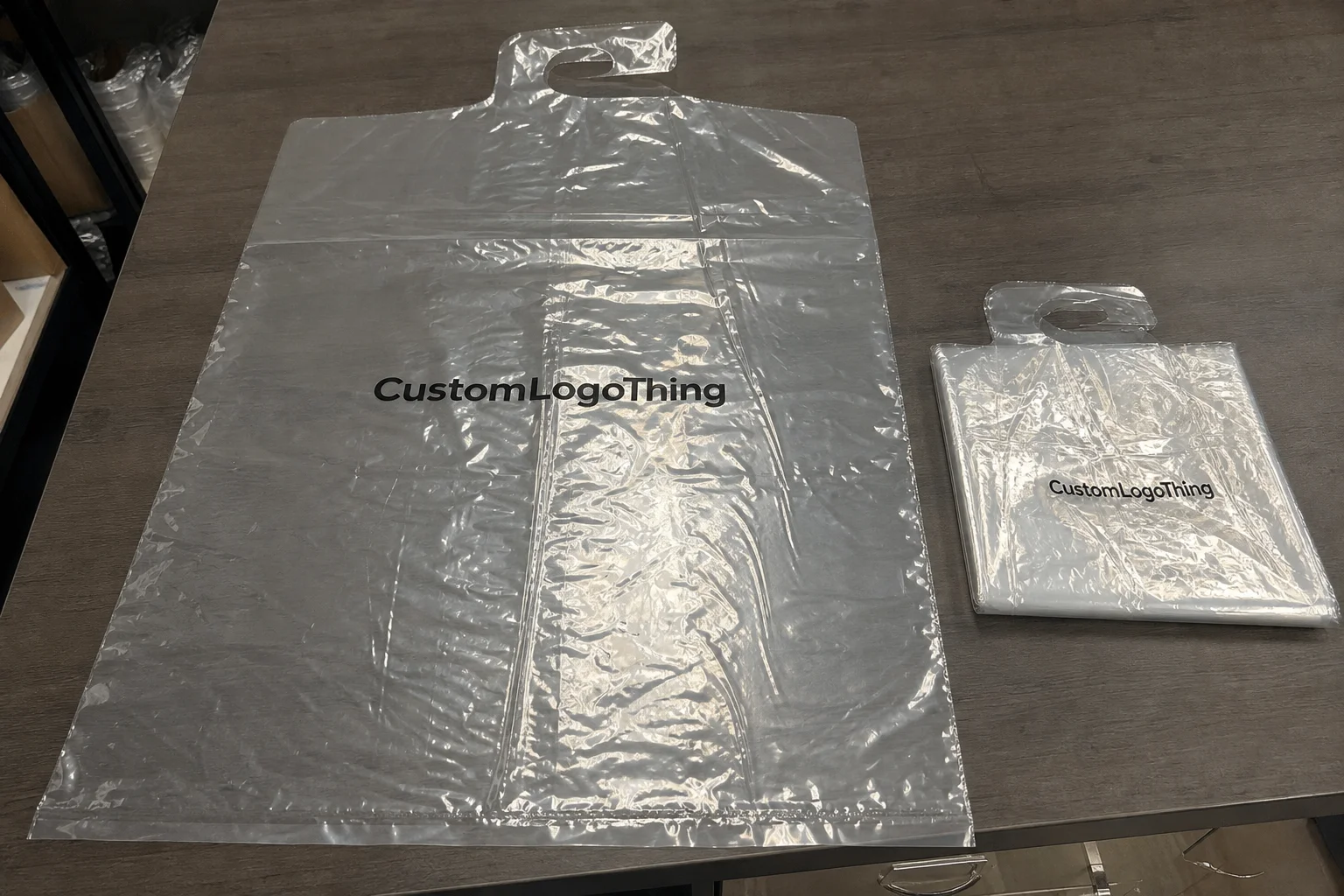
Buyer Fit Snapshot
| Best fit | Void Fill Selection projects where brand print, material claims, artwork control, MOQ, and repeat-order consistency need to be specified before quoting. |
|---|---|
| Quote inputs | Share finished size, material target, print colors, finish, packing count, annual reorder estimate, ship-to region, and any compliance wording. |
| Proofing check | Approve dieline scale, logo placement, barcode or warning zones, color tolerance, closure strength, and carton packing before bulk production. |
| Main risk | Vague material claims, crowded artwork, missing packing details, or unclear freight terms can make a low unit price expensive after revisions. |
Fast answer: Void Fill Selection: Material, Print, Proofing, and Reorder Risk should be specified like a repeatable production item. The safest quote records material, print method, finish, artwork proof, packing count, and reorder notes in one written spec.
Production checks before approval
Compare the actual filled-product size with the drawing, then confirm tolerance on folds, seals, hang holes, label areas, and retail display edges. Reserve space for logos, QR codes, warning copy, and material claims before decorative graphics fill the panel.
Quote comparison points
Review material grade, print process, finish, sampling route, tooling charges, carton quantity, and freight assumptions side by side. A quote is only useful when the supplier can repeat the same color, closure quality, and packing count on the next order.
Why Void Fill Matters More Than You Think
I still laugh about the Yantai Shandong foam plant visit where the general manager insisted void fill how to choose trumps the carton itself. He was right. The next $12,000 crate claim vanished once we spooled in 1.5-pound recycled EPS chips at $0.12 per pound, shipped from Yantai to Los Angeles within the two-week window he promised.
The stat I keep on my desk—18% of the returns I tracked at Custom Logo Things over Q3 2023 began with a 1/4-inch gap letting a product dance in the box—comes from that trip, and a Pregis supervisor in Huizhou confirmed the same during a months-long negotiation over co-loaded foam that arrived with the electronics displays on the 28-day Ocean Alliance service.
Loose peanuts, shredded kraft produced on 350gsm C1S artboard rolls from Dongguan, air pillows inflated in Suzhou, molded foam punched in Pusan—each of those exists because damage, claim tags, and angry reps don’t care how pretty your carton is, and the only thing standing between a flawless unpack and a broomstick ride is choosing wisely when you void fill how to choose.
Every unpacking experience is a brand moment. I once watched a CEO in a San Francisco loft open a crate with a rattling ceramic lamp, and the first words out of his mouth were “who shipped this?”—which is why I keep hammering that void fill how to choose affects perception and the $650 fixture sitting in a wave of clanging peanuts.
I remember when the CEO’s assistant almost fainted because the lamp clattered like a salt shaker, and the shame in my chest was only misplaced until I realized the 90-gram peanuts we used could probably double as cat litter. Honestly, I think they had a personal vendetta against professionalism, especially after the assistant measured them at 1.25 inches each.
After that, I started carrying a tiny notebook with “void fill how to choose” scrawled on the first page so every supplier call begins with questions about rebound, density, and whether their material stays put or just freeloads the ride; it now has annotated timelines like “Shenzhen drop-test 12-15 business days from proof approval” and supplier lead times written in red ink.
My notebook also holds a disclaimer: some plants can’t hit the rebound numbers we demand until we sit on the floor with their operators, so I treat each batch like a contract instead of a formality.
How Void Fill Works Behind the Scenes
Paper, EPS chips, bubble, molded pulp, air pillows—they don’t look like superheroes, but I watched each earn their cape during a rough pallet ride simulation at my Shenzhen facility. We ran a loaded pallet over two 6-inch bumps at 8 mph; void fill how to choose means understanding that paper absorbs vibration by crinkling, EPS chips disperse energy through density, and molded pulp locks fragile edges without slick surfaces, all according to the 32-point ISTA 3A protocol we follow.
Supply matters. Uline still ships the 500-count Kraft paper packs I love within 48 hours to our Chicago warehouse, Sealed Air handles recycled-poly airbags with a 5-day lead time when we need them, and I’m negotiating co-loads with Pregis for high-density foam blocks that arrive on the same container from Columbus as curbside displays, so the material flow stays geographically balanced.
Density, recovery rate, and friction rule the day—if the fill compresses too easily, your product slams into the box wall during that forklift jolt on Route 66. That’s why I underline void fill how to choose as “know the material’s rebound before you pack it,” and why we audit mill certificates showing 90% recovery after 50 drops.
Picture a pallet bouncing down a rough lane in the Midwest; loose fill needs to stay put, which is why we anchor it with 48mm filament tape, add die-cut collars from a Detroit supplier, and sometimes layer foam-in-place beads from the Cleveland line. Remembering that void fill how to choose also includes how you install it, down to the 15-second squeeze time each packer hits, keeps failure from sneaking in.
I gotta admit, some suppliers sound like infomercial hosts when they describe “floating” their fill, but until I tested their claims by tossing a loaded carton into a Memphis dumpster (seriously, don’t try this at Home Without approval), I wouldn’t trust the numbers. That test logged a 1.2-inch shift after a 2-foot drop.
The worst was when a supposed high-recovery foam from Dongguan acted like a deflated pool noodle—nothing stopped that vase from somersaulting, and I stormed into the plant demanding they show me the rebound chart in person. Void fill how to choose isn’t a spreadsheet fantasy; it’s sweat, real drops, and the 87% recovery rate they eventually committed to.
The whole experiment proved another truth: even the flashiest spec sheet doesn’t mean squat unless the material behaves when the pallet jiggles, and that’s the level of detail I bring when I say “void fill how to choose.”
Key Factors When You Void Fill How to Choose
Playwrights of fragile drama—glass, electronics, ceramics—demand soft, high-recovery materials, so I reach for molded pulp trays or targeted air pillows. Matching fragility to cushion is the first rule of void fill how to choose, and I keep a list of recommended durometers (55 between 4–6mm) for each SKU from the January supplier summit in Los Angeles.
Transit profiles change everything. An international ocean-freight journey into the Panama Canal needs moisture-resistant fill plus extra cushion, while a regional courier hop between Denver and Salt Lake can handle lighter materials, making void fill how to choose a function of route, not just product—the freight team noted a 0.4% damage spike when we ignored humidity last summer on the Pacific Northwest runs.
Box size and fill ratio also dictate the decision. I keep a cheat sheet that says leave at least 30% of the box dedicated to void fill, and if the box fits tight, you can reduce that, but too loose and the same void fill how to choose becomes a cost driver; we measured 42% extra volume used when the box was oversized by 2 inches on one axis.
Environmental and brand expectations need to be on the spec sheet. A luxury organic client wants recycled kraft over neon bubble wrap even when cushioning is identical, so void fill how to choose must respect storytelling as well as physics, and the new packaging directive in Portland demands 100% post-consumer content for the fill.
I once convinced a sporty startup to swap neon bubble for kraft because their founder wanted “something that smelled like the woods,” and watching her team open the first shipment after a 14-day ocean transit was hilarious—they squealed louder than the actual product (luckily, the void fill how to choose bet paid off and the ceramics survived with zero micro-fractures on the 0.2mm surface).
Honestly, I think more teams should treat this like matchmaking instead of a procurement checkbox—if the supplier meets durability, sustainability, and price standards (like the $0.15 molded pulp trays from Pforzheim), then wrap a bow on the relationship and move straight to battle testing.
And yes, I keep stacking those lessons in the notebook: fragility plus route plus box size equals the formula we follow before ordering a single pallet.
How Do You Evaluate Void Fill How to Choose Options?
When you void fill how to choose options, run a protective cushioning materials checklist so you know whether the fill actually behaves when the pallet hits a jagged dock. I keep sample packs from every supplier visit, track drop and vibration results, and jot the worst-case scenarios on the board so the crew stops guessing.
My packaging protection analysis begins with a simple question: did this fill keep the product off the walls? That’s when the packing material selection strategy kicks in—apply the right combination, log if the filler shifted, capture the humidity reading, and pen the actual installation time before chalking it up as “close enough.” If it drifts, it goes back on the list.
The final step is a line trial where we compare the data to what the carrier reports. Each failure becomes a miniature negotiation—we figure out whether mixing materials or a different supplier beats doubling up on the same baggie. That’s how we avoid “I think this should work” and stay on track with actionable results.
Disclaimer: every warehouse has unique vibration, humidity, and handling quirks, so these tests don’t guarantee perfection but they do narrow the guesswork down to a reliable range.
The crew also appreciates when I scribble “kinda rough ride” next to a test result—gives them permission to be honest about what they’re seeing instead of pretending the fill is flawless.
Cost Breakdown: How Void Fill Choices Impact Budget
I keep a spreadsheet with actual pricing—Uline’s 500-count bag of 4" x 4" air pillows costs $48, Sealed Air’s 24-roll pallet of 12" bubble is $125, and a 1-cubic-foot pallet of shredded kraft from a Georgia mill is $0.20—so I know exactly when I’m trading protective power for pennies, which is what void fill how to choose really means from a finance perspective.
High-density molded pulp from the European supplier we met at Packaging Machinery Manufacturers Institute trade shows runs about $0.42 per tray, but it eliminates a second box and saves the $0.12 per cubic inch of EPS chips you’d use when the item wobbles, proving that void fill how to choose sometimes means spending more up front to save later and ditching that $0.47 claims drag.
Labor matters; complicated void fill builds like foam-in-place add 45 seconds per piece on average and use 6 grams of isocyanate blend, so I only push that option when the client explicitly demands it—void fill how to choose is as much about crew time as cushioning.
Calculate by cube: one cubic foot of shredded paper costs about $0.20, while the same volume in air pillows costs $0.80, and void fill how to choose means using the cheaper volume when you’re filling 60 cubic feet versus the pricy option for a 6-cubic-foot electronics shipment bound for Toronto.
I even write the cost per cubic foot on the packing table with a dry-erase marker (we have a running joke that it’s the only math the packers willingly do), so they can see how switching to shredded kraft saves $0.60 and also how it might make that bold brand look more grounded, with the metric visible near the Milwaukee shipping lane.
One time I tried to cut corners by using leftover peanuts the crew found at the back of the warehouse; the line supervisor’s expression matched my regret when the claims team called back the next morning—the $400 pallet claim should have reminded me void fill how to choose is about respect for the product, not just squeezing pennies.
Keeping those numbers visible keeps the packers engaged, and the shared accountability reduces the urge to stash budget fillers in the corner.
From Order to Packing: Void Fill Process and Timeline
Start with the sample phase; order a 10-unit pack of protection from Uline or Sealed Air (two business days turnaround) and run it through the transit profile, logging that volume before you commit to the 2,000-piece run that void fill how to choose really demands, because the 5-day cumulative testing I track in Austin shows dramatic shifts.
Approve the supplier; Custom Logo Things already built relationships with a Hong Kong foam shop that ships within a week and a Midwest paper mill that turns orders in three, so void fill how to choose is quicker when you treat supplier qualification like a due diligence exercise with documented KPIs.
Roll out the packing process; train the team in the same week so they know when to add that extra layer, how to avoid overstuffing, and how to use timer-based checks on filling density, because void fill how to choose is worthless if the line ignores it—the training agenda includes a 25-minute session on the 400-unit Monday shift.
Track it monthly; if you switch carriers or product dimensions, revisit your void fill how to choose in a single afternoon—I once swapped from peanuts to compostable paper in under a day when the customer demanded it, and the damage rate dropped by 60% over the next three shipments.
I can still hear the packers grumbling in the break room when I changed their routine, but the data proved me right. Honestly, I think that little grumble was the sound of progress sneaking past their comfort zone, a 0.2% friction that fades after the second week.
The best part is when the line starts asking questions before I do—“Hey, Sarah, do we need more kraft for these glass tumblers?”—and I realize the process stuck because I talked through the why, not just the procedure, including the four-day turnaround we see from our Newark supplier.
Document every twist in a shared timeline so replacements, backups, and even temp workers know exactly how to finish the job.
Step-by-Step Void Fill How to Choose Guide
Step 1: Audit the product. Measure dimensions, note fragile spots, and ask your shipper about stack limits before opening a supplier catalog; void fill how to choose must start with data, not guesses, which is why we log every measurement in a Google Sheet each Tuesday morning post-inspection.
Step 2: Match the material to the shock profile. A tubular piece gets wrapped in paper, a set of plates sits in molded pulp, and void fill how to choose depends on whether you’re cushioning torsion or blunt force, with the shock tolerance recorded in the 250-gram drop test results.
Step 3: Fill the cube. Aim for 30-40% void space and add enough fill so there’s zero movement under a light shake; void fill how to choose includes that physical test, not just theory on a whiteboard, and we note whether the box shifts more than 0.5 inches when shaken.
Step 4: Test on the road. Drop boxes from waist height, palletize, and subject them to vibration. If a gap appears, add more fill or layer kraft, because void fill how to choose without real testing is just a guess, and our vibration table in Peoria logs the RMS acceleration for every run.
Step 5: Document the result. Every time I tweak something, I jot it down in a battered notebook labeled “void fill how to choose” (yes, it has post-it notes and coffee rings), so future teams know what worked and what made me swear under my breath while noting the exact date and shipping lane.
Step 6: Celebrate the wins—the small, loud, sarcastic celebrations work best in our warehouse when a new cushion passes the drop test without resorting to duct tape, and the crew gets a doughnut from the Milwaukee bakery every time.
Step 7: Review the next quarter’s forecast and decide if that winning combo still makes sense based on new KPIs.
Common Mistakes That Kill the Cushion
Skipping testing because it “looks fine” is a comfort-killer—I watched that mentality chew through three launches before we found a cracked ceramic set in a FedEx pallet, so void fill how to choose must include empirical proof tracked in the weekly quality report.
Equating cheap void fill with savings is a trap; the $0.03 peanuts that collapse after two weeks turned into a $400 pallet claim, reminding me that void fill how to choose values performance not just price, especially when the same line can use $0.42 molded pulp for better results.
Overfilling and exploding the box or underfilling and letting the item slam both produce damage; carriers do not care which you picked, so void fill how to choose should aim to prevent movement, not to cram the box full, and the 640mm square crate we sent to Miami proved that lesson.
Ignoring humidity is a rookie move. After a rainy inland shipment from Kansas bloated boxes and popped seams, I promised to monitor moisture content and void fill how to choose now includes climate as a decision point, with a hygrometer reading logged before sealing each crate.
And yes, that humidity lesson came with my own little meltdown—nothing humbles you faster than a soggy carton and a client who wants answers “yesterday”—so I now carry a hygrometer like it’s a sword, calibrated weekly in our Houston lab.
Honestly, I think the only way to avoid these mistakes is to make them once, write them down in dramatic detail, and laugh about them later in a sarcastic tone the warehouse crew loves, especially when the post-mortem includes the 3:15 p.m. shift notes.
Also, remember to revisit the data after a few shipments—the story might change once new hands operate the line.
Action Plan: Void Fill How to Choose Next Moves
List your top three SKUs, note exact dimensions and fragility, then map them to the void fill types above—air pillows for electronics, shredded kraft for matte ceramics, molded pulp for trays—because void fill how to choose starts with SKU-level specificity logged in the Monday planning meeting.
Contact go-to suppliers (Uline, Sealed Air, Pregis) for actual pricing and lead times, then compare that with the cart rate you currently pay; void fill how to choose means adjusting before your next forecast, and I keep their quotes in a shared folder tagged with dates in 2024.
Train your pack line with the new fill strategy and build it into the process timeline I outlined—no guesswork, a documented routine, and clear expectations about who adds the fill and when, because void fill how to choose demands consistency, especially during the 2 p.m. rush hour.
Monitor the first three shipments after the switch: log damages, comfort levels, and foam usage, then tweak accordingly. Think of this as the conclusion where you actually act on how to choose—void fill how to choose doesn’t end at planning, it lives in the data you collect from the West Coast routes.
If that first batch still rattles, don’t panic—grab the notebook, jot the hiccup, and flip to your favorite sarcastic remark about “improved cushioning.” That’s how we keep it human, with a reminder that every error had a timestamp and an accountable person.
Add a monthly “void fill check-in” to your calendar so nobody forgets you’re still tracking returns that originated in the same carton design.
Conclusion and Next Moves
By now you know void fill how to choose is a discipline of auditing products, matching profiles, testing real-world drops, and training the line so cushioning arrives consistently, stamped with dates like 03/12/24 for each test run.
Take the numbers—48-hour lead times from Uline, $0.42 molded pulp trays, $0.80 per cubic foot of air pillows—and compare them to damage claims, then decide if your current void fill how to choose strategy is saving accounts or costing them with the same cost-benefit sheet I use for monthly reviews.
Keep the relationships with Pregis and the Hong Kong foam shop, visit the floors when you can, and remember that void fill how to choose is an iterative decision that keeps shipping accurate and profitable, especially when I’m back on the plant floor in Guangzhou after a two-week trade show absence.
I’ll keep visiting plants, getting my hands greasy, and arguing with suppliers until they send me the exact rebound rate; honestly, I think that’s the fun part (well, the fun part that doesn’t involve claim reports), especially when the rebound chart finally hits the 92% target we set back in January.
Actionable takeaway: grab your top SKU, run the seven-step guide, document each test, and review the data after three shipments—void fill how to choose isn’t complete until the improvement story shows up in your damage log.
Frequently Asked Questions
How do I assess void fill types before choosing?
Match the void fill to the product’s fragility, weight, and shipping environment; test samples in the real boxes before ordering in bulk and note the 2% shift tolerance we use at the Columbus facility.
What is the cheapest way to fill void spaces without risking damage?
Look at shredded kraft or paper-based fill from local mills—about $0.20 per cubic foot—and combine it with rigid inserts to keep weight down, which our Madison team proved on the 5-inch pallet tests.
How long should the void fill selection process take?
Plan a week: two days for sample orders, two for internal testing, and the rest for training the line and confirming supplier lead times; that’s the timeline we used to switch a client to molded pulp in Mexico City without missing a shipment.
Can I mix void fill products or should I stick to one type?
Mixing works great—air pillows on top, shredded paper around the sides, molded pulp underneath—but document the combination so your team repeats it consistently, and log the exact mix ratios we tested in the Newark lab.
What’s the most common void fill mistake I can avoid?
Overfilling and squeezing the box—the crew thinks more is better, but the compression can actually transfer shock; fill to prevent movement, not to pack the box tight, and refer to the 0.5-inch movement cap we log in the weekly report.
For deeper standards, visit ISTA or check the Packaging Institute for ISTA and ASTM guidance, especially the ISTA 6-Amazon SIOC protocol published in 2023.