Buyer Fit Snapshot
| Best fit | Custom Padded Mailers for Jewelry projects where brand print, material claims, artwork control, MOQ, and repeat-order consistency need to be specified before quoting. |
|---|---|
| Quote inputs | Share finished size, material target, print colors, finish, packing count, annual reorder estimate, ship-to region, and any compliance wording. |
| Proofing check | Approve dieline scale, logo placement, barcode or warning zones, color tolerance, closure strength, and carton packing before bulk production. |
| Main risk | Vague material claims, crowded artwork, missing packing details, or unclear freight terms can make a low unit price expensive after revisions. |
Fast answer: Custom Padded Mailers for Jewelry: Film, Print, MOQ, and Carton Packing should be specified like a repeatable production item. The safest quote records material, print method, finish, artwork proof, packing count, and reorder notes in one written spec.
Production checks before approval
Compare the actual filled-product size with the drawing, then confirm tolerance on folds, seals, hang holes, label areas, and retail display edges. Reserve space for logos, QR codes, warning copy, and material claims before decorative graphics fill the panel.
Quote comparison points
Review material grade, print process, finish, sampling route, tooling charges, carton quantity, and freight assumptions side by side. A quote is only useful when the supplier can repeat the same color, closure quality, and packing count on the next order.
Custom Padded Mailers for Jewelry: A Smart Buying Guide
Custom Padded Mailers for jewelry are not about looking polished for the sake of it. They keep small, expensive problems from turning into refunds, complaints, and awkward re-shipments. Jewelry rarely gets wrecked in some dramatic movie-scene disaster. The damage is usually quieter: a bent prong, a snagged clasp, a scuffed finish, crushed corners, or a package that looks tired before the customer even opens it.
That is the practical value of Custom Padded Mailers for jewelry. They give you a lightweight outer layer with built-in cushioning, sized for small, valuable items without turning shipping into a bulky mess. For independent jewelers, DTC brands, Etsy shops, subscription sellers, and anyone mailing rings, earrings, bracelets, or delicate necklaces, the payoff is straightforward: fewer damages, fewer replacements, better first impressions, and packaging that looks planned instead of improvised.
What Custom Padded Mailers for Jewelry Actually Solve
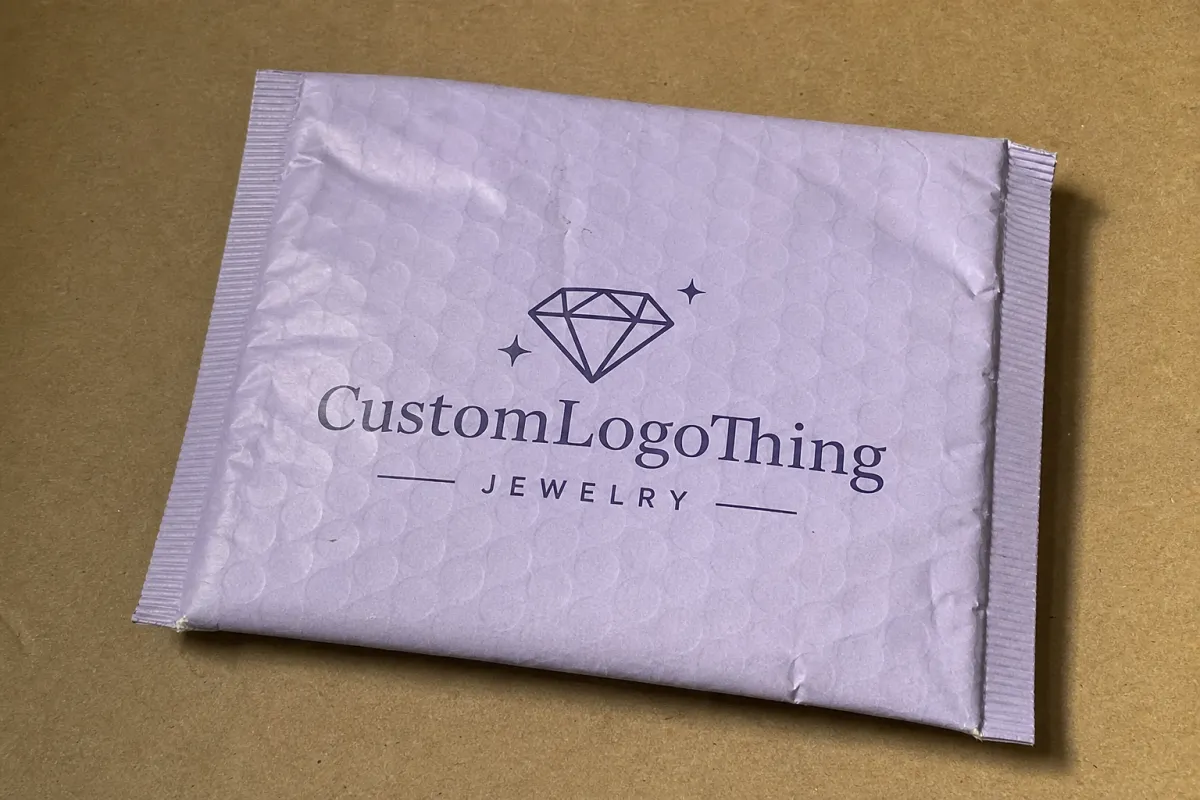
Jewelry shipping is a little weird. The items are small, but the risk is not. A ring does not need to survive a warehouse forklift drop to cause trouble. It only needs to arrive with a scratched finish, a bent card, a crushed box corner, or a clasp rubbed raw against the interior. That is enough to make a customer question the piece, the brand, and the price.
Custom padded mailers for jewelry are built for that reality. They protect products during sorting, stacking, and last-mile handling while staying light enough to avoid pointless postage. They also handle the brand side. A plain mailer says, "we shipped it." A printed mailer sized correctly for the product says, "this was packed with intent."
These mailers tend to fit Brands That Ship:
- Rings in slim boxes or pouches
- Earrings on cards or in small presentation boxes
- Bracelets with modest packaging depth
- Necklaces in rigid inserts or protective sleeves
- Small gift sets that need a tidy outer layer
The bigger business win is easy to miss because it is boring, and boring is usually where the money hides. Less movement inside the mailer means fewer scratches. Better cushioning means fewer returns. Cleaner presentation means fewer "this looked cheap" complaints. That is packaging doing its job instead of just showing up and collecting rent.
A package that arrives intact and looks considered does not just protect jewelry. It protects the customer's opinion of your price point.
The outer package matters even for lower-cost items. A tiny sterling silver chain can still feel premium if the retail packaging is tidy, stable, and branded well. Bad packaging can drag a good product down fast. Customers rarely separate the two. They see the arrival, then they decide how seriously to take the brand.
If you are comparing other formats too, Custom Packaging Products can help you line up mailers against boxes, inserts, and other branded packaging options before you commit to one direction.
How Custom Padded Mailers for Jewelry Work in Transit
Think of a padded mailer as a compact shock absorber. The outer layer takes abrasion. The internal padding softens impact. The closure keeps the contents from drifting around. The print layer, if you use one, handles the visual side of the package. Nothing fancy. Just a smart stack of functions that does not waste space.
Most jewelry mailers share the same basic structure:
- Outer stock: paper, coated paper, film, or a hybrid material
- Internal padding: bubble lining, paper cushioning, corrugated inserts, or foam-style protection
- Closure system: peel-and-seal adhesive, tuck flap, or tamper-evident seal
- Brand layer: logo print, spot color, full-coverage graphics, or matte/gloss finish
Once the package leaves your facility, the mailer has to absorb small impacts during sortation. The padding cuts down on friction, so metal parts or rigid boxes do not rub against the outer shell as much. A snug fit limits movement, and movement is what turns a minor bump into visible damage. Jewelry is light, but loose packing still causes problems. Light does not mean harmless.
A padded mailer is not a replacement for every other package type. It works well for light, compact, low-to-medium fragility shipments. It is a poor choice for heavy items, oversized gift sets, or highly breakable presentations that need a rigid outer box. If the product has sharp edges, glass, or a lot of empty space inside the package, a mailer alone may be asking too much.
Testing standards help here. For transit packaging, references like ISTA procedures and ASTM shipment simulation methods are useful guides, especially if you want to compare vendors on more than promises and polished mockups. A mailer that survives rough handling in a controlled test is far more trustworthy than one that only looked good in a photo shoot on a white table.
The presentation side matters just as much. Custom printing changes how the package feels before the customer opens it. A simple logo in the right place can make the shipment feel intentional. A bad print layout can make an otherwise decent mailer look like leftover stock. People notice proportions, contrast, and finish more than brands like to admit. Packaging has a way of exposing sloppy decisions.
Cost, Pricing, MOQ, and Quote Basics for Jewelry Mailers
The price of custom padded mailers for jewelry depends on more than size, and anyone who gives you one neat number without context is probably trying to make the quote look better than it is. Unit cost changes with material, print coverage, padding type, finish, order volume, and whether the mailer is standard or custom-sized.
For practical planning, this is the range most buyers should expect:
| Order Type | Typical Unit Cost | Best For | Main Tradeoff |
|---|---|---|---|
| Small test run, 500-1,000 units | $0.45-$1.10 per unit | Design testing, new launches, low-risk trial orders | Higher unit price, limited savings on scale |
| Mid-volume run, 2,000-5,000 units | $0.22-$0.55 per unit | Established SKUs, repeat sellers, brand refreshes | More cash tied up in inventory |
| Higher-volume run, 10,000+ units | $0.12-$0.35 per unit | Stable packaging specs, seasonal programs, growing brands | Less flexibility if the spec changes |
These are common packaging cost ranges, not a promise. Add-ons like soft-touch lamination, metallic ink, custom sizing, heavier padding, or full-coverage print can move the number quickly. Freight can do the same. A low unit price means very little if the shipment is poor, the spec is weak, or the damage rate climbs.
MOQ matters because the lowest order quantity often reveals how much risk the supplier is willing to take on your custom setup. Lower MOQ is useful for testing a new packaging design, but the per-piece price usually rises. Higher MOQ lowers the unit cost, yet it leaves you more exposed if the design changes later. That is the tradeoff. No magic trick. Just inventory math wearing a nicer shirt.
When you request quotes, ask for the same line items from every supplier:
- Base unit price
- Setup, plate, or print charge
- Custom sizing fees, if any
- Sample cost and sample lead time
- Production lead time
- Estimated freight
Then compare the quotes like an adult and not like someone shopping for a coupon. The cheapest quote is often cheaper because the spec is weaker. One supplier may quote a thinner liner, a smaller print area, or a less durable adhesive. Another may include better padding, tighter print registration, or an FSC-certified paper option. That matters if your brand talks about sustainability or premium packaging and expects the packaging to back up the claim.
For a paper-based route, certification matters more than marketing copy. The Forest Stewardship Council is a useful reference if you want responsibly sourced paper fibers. If waste reduction is part of your packaging brief, the EPA also has practical material-reduction resources at EPA Sustainable Materials Management. Those links are not decoration. They are the kind of references serious buyers use when they want procurement to make sense instead of just sounding green in a pitch deck.
If you also ship non-jewelry SKUs, it can help to compare against Custom Poly Mailers. Sometimes poly wins on cost and weather resistance. Sometimes a padded format is the better choice because the product is too delicate to trust to a plain shell.
Production Process, Timeline, and Lead Time for Jewelry Mailers
Lead time is where packaging projects usually go sideways. Not because production is mysterious, but because people underestimate how many small decisions sit between a quote and a finished mailer on a loading dock.
The typical process looks like this:
- Packaging brief and size target
- Dieline or structure confirmation
- Artwork setup
- Proof review
- Sample or pre-production check
- Manufacturing
- Quality control and packing
- Freight and delivery
That sounds simple. It almost never is. Time gets lost in artwork approval, dieline corrections, slow sample feedback, and print changes after someone notices the logo is too small or the closure flap interferes with the packed item. One unnecessary revision can add several business days. Two revisions can turn a clean schedule into a scramble.
For straightforward custom padded mailers for jewelry, a realistic timeline is often 12-15 business days after proof approval, plus freight. Custom sizes, specialty finishes, or low-MOQ production can stretch that to 18-25 business days or more. If the project needs multiple sample rounds, add more time. If the freight lane is slow, add even more. Packaging production is not a place to gamble on best-case timing.
That is why launch planning matters. If the mailers are part of a product drop, they need to arrive before inventory does. Not after. Not "close enough." Before. Otherwise the team ends up packing expensive jewelry into temporary materials while waiting for the real shipment, which defeats the point of branded packaging.
My advice is boring and effective: build a buffer. Leave room for one sample correction, one artwork change, and a transit delay you did not want but absolutely should have planned for. The schedule should survive a minor stumble without forcing a rushed approval. Rushing a print job is how brands end up with bad alignment, wrong shades, or a package that only looks great from ten feet away.
Buyers who want a cleaner process usually do better when they bring the packaging spec early. A solid spec sheet saves everyone time. It should define the size, closure type, padding level, material, finish, logo placement, and acceptable color range. If the supplier has to guess, they will guess differently than you did. That is how misunderstandings sneak in wearing a fake smile.
Key Factors to Choose the Right Mailer for Each Jewelry Type
Not every piece of jewelry belongs in the same mailer. A ring box and a bracelet pouch have different shapes, different pressure points, and different risks. The right choice depends on the packed item, not just the jewelry itself.
Start with size. The packed item is what matters. Measure the box, pouch, insert, and closure space, then choose the smallest mailer that allows clean insertion without forcing the seam. Too much slack lets the item bounce around. Too little creates crushed corners or a seal that barely holds.
Then judge the protection level. Lightweight earrings in a slim box may need only modest padding. A layered necklace set with a rigid insert needs more structure. If the product has a polished metal surface, the interior finish matters too, because abrasion can turn a clean shipment into a disappointment.
Match the packaging to the brand position. If the jewelry sells at a premium price, the mailer should not look like generic mailing supply. The package should support the price point. That is not vanity. That is brand consistency. Good packaging design keeps the customer from wondering why a high-value piece arrived in a low-value shell.
Check the closure and tamper resistance. Jewelry is small, easy to mishandle, and easy to lose if the package opens in transit. A secure seal matters. Peel-and-seal closures are common for a reason. They are fast, tidy, and usually more reliable than a closure that depends on perfect folding.
Think about material tradeoffs. Paper-based mailers often look better for premium retail packaging and can support cleaner print. Film-based or hybrid structures may perform better in damp conditions or rough handling. FSC-certified paper is a good option if you want the sourcing story to be credible. Just do not let the sustainability angle outrun actual shipping performance. Pretty claims do not pay for replacements.
There is also a useful rule of thumb by product type:
- Rings: prioritize snug fit and corner protection for the box
- Earrings: prioritize card stability and reduced surface abrasion
- Bracelets: watch for movement and package depth
- Necklaces: prevent chain shifting and clasp scuffing
- Mixed gift sets: use extra restraint or a rigid insert if pieces can collide
If your brand also uses custom printed boxes for some SKUs, keep the outer mailer and inner box visually aligned. Package branding works better when the outer shell and inner presentation feel like one decision instead of two separate departments arguing in public.
Common Mistakes That Make Jewelry Shipping Look Cheap
The fastest way to make jewelry packaging look low-end is to treat the mailer as an afterthought. Small items are unforgiving. Every bad choice shows.
The biggest mistake is choosing a mailer that is too loose, too thin, or too generic, then stuffing tissue paper inside and hoping for the best. Tissue paper is not structural support. It is decoration. If the package has room to move, the item will move. If the outer wall is flimsy, the customer will feel it before they see the jewelry.
Overpackaging is the opposite problem, and it is just as bad. Too much filler makes the shipment bulky, slows down fulfillment, and can make a small ring or pair of earrings feel strangely overengineered. That is not premium. That is a packing station trying too hard and failing loudly.
Sloppy branding is another easy miss. Low-contrast printing, poor logo placement, and awkward proportions can make a perfectly decent mailer look like a rushed sample. A logo that is too small reads as timid. A logo that is too big reads as desperate. The sweet spot is usually calm, centered, and readable from arm's length.
Then there is the hidden cost of weak specifications. If the package arrives dented, torn, or stained, customers often read that as a product quality issue, not just a shipping issue. That hurts trust. It also hurts repeat orders. People rarely say, "the package was bad but the product was probably fine." They just remember the bad arrival and move on.
Testing with real packing conditions is the part too many brands skip. A mockup on a clean desk tells you almost nothing. You need to see how the mailer behaves with actual items, actual inserts, and actual fulfillment handling. Sorting hubs, stacked cartons, and last-mile delivery put different pressure on the package than a photo shoot ever will.
That is why transit testing earns its keep. A simple internal protocol that mirrors common handling abuse is better than blind optimism. If you are scaling serious volume, ask for test references against ISTA-style methods or ASTM-based shipment simulation. Packaging that passes a rough test is usually a better bet than packaging that only photographs well.
Expert Tips and Next Steps for a Smarter Rollout
If you want to choose well the first time, start small and test with real products. Not three random samples. Three real scenarios: a ring box, an earring card, and a necklace or bracelet package. Those three will show you most of what you need to know about fit, seal performance, and presentation.
Then run basic handling checks:
- Drop test: simulate a few common impacts from waist height
- Compression test: stack weight on top of the packed mailer
- Shake test: confirm the jewelry stays centered and quiet
- Unboxing check: make sure the customer sees a clean reveal
That last part is easy to ignore and expensive to ignore. A package can protect the piece and still feel cheap if the interior is messy, the branding is off-center, or the opening experience looks improvised. Product packaging is part protection, part presentation. If one side fails, the whole thing feels weaker.
Compare two versions before you scale. One should be cost-lean. One should be more premium. That comparison usually exposes the real tradeoff. Sometimes the cheaper mailer is good enough. Sometimes the premium version lowers returns enough to justify the added unit cost. The right answer is not always the prettiest one.
Write the packaging spec Before You Order. Seriously. It saves time, money, and arguments. The spec should lock down size, padding type, print area, finish, seal style, and target packed item dimensions. With that in place, suppliers quote the same thing instead of six different guesses dressed up as offers.
For brands that are still deciding between formats, this is the moment to compare custom padded mailers for jewelry with boxes, poly options, and other branded packaging formats. If you need a broader packaging line, start with a small family of sizes instead of a dozen one-off SKUs. It keeps inventory sane and makes replenishment easier.
One last practical move: order samples of custom padded mailers for jewelry, pack your top-selling SKUs, and place the full order only after the real-world test passes. That is the cleanest way to protect your product, your margins, and your brand reputation without paying for avoidable mistakes.
FAQs
Are custom padded mailers for jewelry better than standard poly mailers?
Yes, when the jewelry has a box, hard edges, or delicate metal details that need more cushion and less movement. Poly mailers are cheaper, but padded mailers usually reduce scuffs, bends, and presentation problems for higher-value pieces. If the item is tiny and already in a rigid box, a padded mailer can be the cleaner choice without adding much bulk.
What size custom padded mailers for jewelry should I order?
Measure the packed item, not the jewelry alone, because the box, pouch, insert, and seal space all affect fit. Choose the smallest size that allows easy insertion without crushing corners or forcing the closure shut. Test with your bulkiest SKU first so one mailer size can cover as many products as possible.
How much do custom padded mailers for jewelry usually cost?
Pricing depends on size, material, print coverage, padding type, and order quantity, so there is no honest one-price answer. Lower MOQs usually raise unit cost, while larger runs bring the per-piece price down. The real comparison is total shipping cost plus damage rate, not just the sticker price of the mailer.
Do I need extra inserts inside custom padded mailers for jewelry?
Often yes for chains, mixed sets, or premium gift presentations, because inserts keep pieces from shifting. Use the lightest insert that still stops movement; overstuffing can make the package bulky and awkward. If the jewelry already sits securely in a box or pouch, you may only need tissue or a small separator.
How do I know if the lead time will fit my launch schedule?
Ask for the full production timeline, not just manufacturing time, because samples, proofs, and freight all add days. Build a buffer for artwork revisions and transit delays so the packaging arrives before inventory does. If the launch is fixed, approve artwork early and keep the spec simple to avoid timeline creep.
If you are buying packaging for jewelry, do not stop at "will it ship?" Ask whether it will protect the piece, support the brand, and hold up under real handling. That is the whole point of custom padded mailers for jewelry: fewer surprises, cleaner presentation, and a package that earns its keep instead of just taking up shelf space.
The cleanest buying decision is simple: match the mailer to the packed item, test it with real SKUs, and approve the version that survives handling without looking overbuilt. Do that, and the packaging stops being a problem you have to revisit every quarter.

