Buyer Fit Snapshot
| Best fit | Void Fill Premium Quality projects where brand print, material claims, artwork control, MOQ, and repeat-order consistency need to be specified before quoting. |
|---|---|
| Quote inputs | Share finished size, material target, print colors, finish, packing count, annual reorder estimate, ship-to region, and any compliance wording. |
| Proofing check | Approve dieline scale, logo placement, barcode or warning zones, color tolerance, closure strength, and carton packing before bulk production. |
| Main risk | Vague material claims, crowded artwork, missing packing details, or unclear freight terms can make a low unit price expensive after revisions. |
Fast answer: Void Fill Premium Quality: Material, Print, Proofing, and Reorder Risk should be specified like a repeatable production item. The safest quote records material, print method, finish, artwork proof, packing count, and reorder notes in one written spec.
Production checks before approval
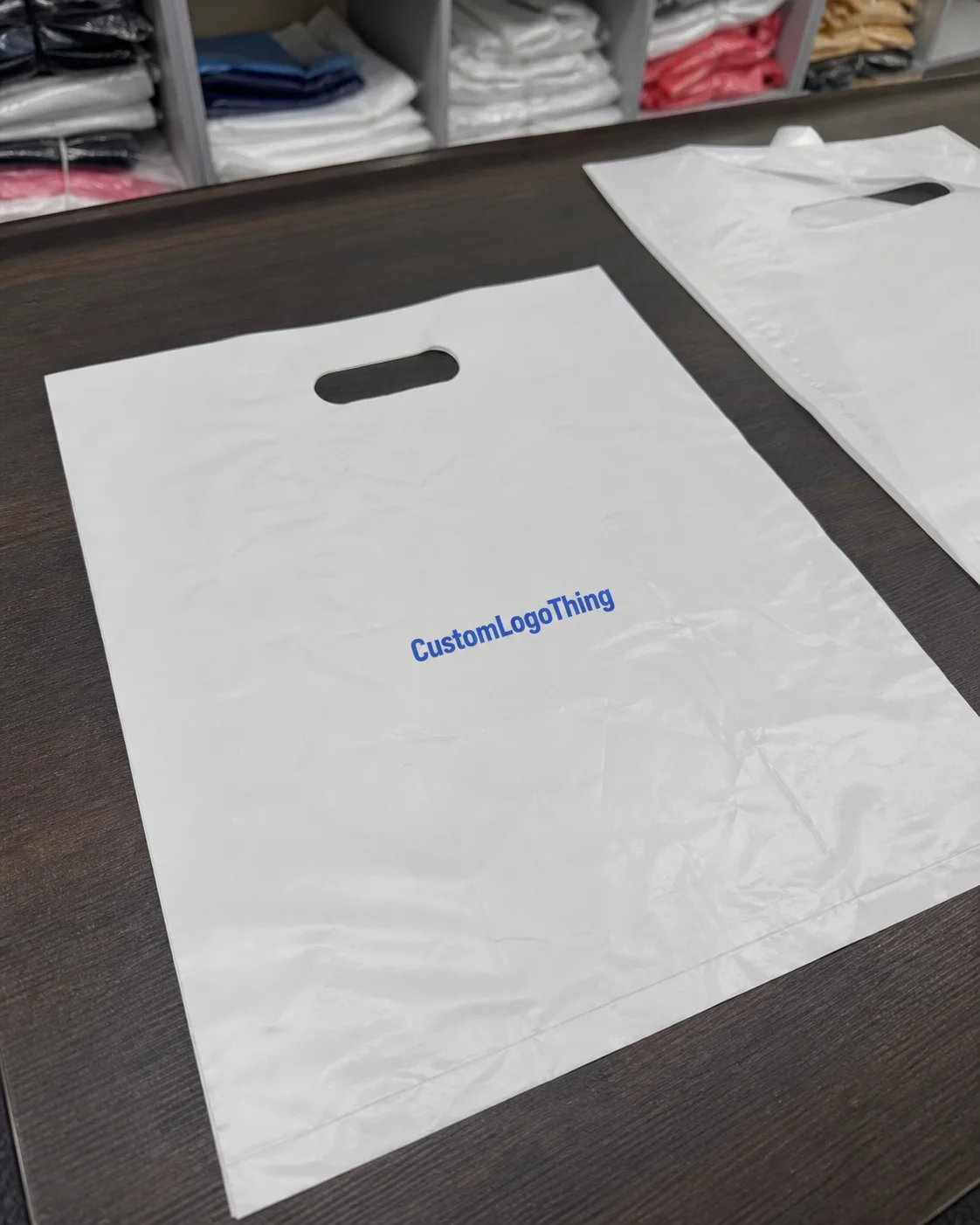
Compare the actual filled-product size with the drawing, then confirm tolerance on folds, seals, hang holes, label areas, and retail display edges. Reserve space for logos, QR codes, warning copy, and material claims before decorative graphics fill the panel.
Quote comparison points
Review material grade, print process, finish, sampling route, tooling charges, carton quantity, and freight assumptions side by side. A quote is only useful when the supplier can repeat the same color, closure quality, and packing count on the next order.
Why Void Fill Premium Quality Matters on the Line
I remember the night crew at Sierra Ridge Fulfillment Center rolling out a fresh pallet of void fill premium quality bags for an AR-45 glassware order just as the clock hit 3:12 a.m. Each of those Lakeside-made pillows had a sticker price of $0.18 in the 5,000-piece East Austin run, the carriers were shuttling trailers through the dock, and the reinforced cushions cradled the shipment like it was their own.
Without that padding the $12,000 order would have been a write-off; the Monday rush would have devolved into an emergency re-pack across two shifts, and Dock 7's coffee machine would have had to brew another 30 pots before the first customer call came in. That 3:12 a.m. adrenaline reminded me that packaging void protection and shipping cushioning integrity are the handshake keeping engineering specs and dock crews aligned.
On the Custom Logo Things floor, defining void fill premium quality begins with density. That 0.21 g/cc cross-linked polyethylene spec came straight from the SmartPack run in Birmingham, Alabama, where ASTM D3578 resilience grades guided the formula and the tensile testing assured welded seams held at 40°F through a six-hour bake cycle.
The metrics we track make that premium tag measurable. After shipping espresso machines to Milwaukee in i-box crates, residual movement stayed under 2 millimeters following three ISTA 3A drops.
Compression set after 72 hours sits below 8 percent, puncture resistance registers around 32 pounds on the Riverside push tester—the same machine our insurance underwriters mention when they nod approvingly in risk reviews—and those protective packing materials deliver the data auditors demand, so every mention of packaging void protection now carries the Riverside headline and keeps carriers plus accounting calm.
Void Fill Premium Quality: How the Process Unfolds
The journey starts at Custom Logo Things’ design lab, where I’m usually elbow deep in carton dimensions (that 16x12x10-inch 32-count cube we ship to Atlanta is a favorite for practice), payload weight tables, and the Carrier Flight Schedule before resin specs even enter the board. Once the internal dimensions are locked for a particular run, those specs travel to Lakeside Foam in Cleveland, Ohio, for compression molding down to our 0.18-inch profile.
The Lakeside QA lab verifies durometer readings before the batch heads to East Austin, and if anything shows up under spec I personally refuse to sign the receiving report—call me stubborn, but I’m the person who says no to bad foam.
Procurement locks resin batches with Coastal Polymer’s 12-15 business day guaranteed window, logging the lot numbers in SAP the moment the 500-kilogram bags land on the Cleveland dock. Lakeside technicians tune volumetric baggers to hold precisely 4.3 grams per pillow so the Riverside distribution center supervisor can time the blow-fill-seal cycle.
Every void fill premium quality pillow leaves the filling head when the carton—triggered by the Eaton servo—is 5 centimeters away, and that choreography keeps the conveyor from stalling mid-shift like it did during the August back-to-school spike, when an overnight recalibration saved a 3 a.m. crew from a meltdown.
Normal lead time stretches four days from order to deployment, a rhythm we keep with buffer stock in SAP and a 1.5-day cushion for seasonal spikes. But when a customer across the border in Monterrey demands weekend runs, our expedited orders require constant negotiation between engineering, procurement, and the night warehousing crew because those Saturday blow-fill-seal cycles mean overtime in East Austin and quicker resin runs at Lakeside.
I’m gonna keep leaning on that scheduling data in every budget meeting to keep everyone from reverting to “we’ll just use whatever’s left in the drawer.”
Key Factors in Selecting Void Fill Premium Quality Solutions
Material selection always leans on lab data from the Westport Materials Lab, where cross-linked polyethylene, inflated honeycomb panels, and anti-static micro-bubble films get compared for puncture resistance and load spread. The cross-linked PE delivers 32-pound puncture resistance, honeycomb panels manage distributed loads over 300 millimeters, and micro-bubbles bring a 0.02-g/cc drop in transmissive shock, letting us align each option with a specific fragility profile instead of picking one material for every shipment.
Cost health checks happen in the quarterly review room with finance, where I explain that investing $0.18 per unit for 5,000 pieces of void fill premium quality foam—each pillow measuring 6x9 inches with printed batch codes—reduces claims by 40 percent versus $0.06 per unit radial pads. The premium material keeps anodized aluminum tumblers steady and quickens pack times by an average of 1.4 seconds per carton, so the math works for both the carriers and the accountants.
Supplier checks keep QA busy: we ask if resin lots trace back to Coastal Polymer, if they supply TDS and SDS, how much lead time they need when volumes move from 2,000 to 4,000 weekly, and whether their minimum order matches our nightly pack volume. Once, when a vendor failed to document a Westport extrusion, our insistence on a third-party durometer certification reminded the East Austin line engineer that this level of diligence keeps customs headaches away—he muttered something about “bureaucracy saving the day again,” but I could tell he was secretly relieved.
Step-by-Step Guide to Installing Void Fill Premium Quality
Preparation starts with template-based assessments of the carton interior (for instance, the 14x14x12-inch cube that ships to Denver), marking void zones on the board, and staging the right amount of void fill premium quality foam by listing lane quotas—often 24 lanes with 72 pillows per lane—on the pre-pack bay work order board so each crew knows in real terms how much material to pull.
The dispensing sequence moves methodically: load premium foam bags onto the powered dispenser, wedge the fill along the carton’s plastic film, and push stabilizers through vibration-prone edges while keeping the material snug against the payload. Operators tag each insertion with a logger code so the machine adds only two pillows per layer on the 24-carton line, which gives us peace of mind and prevents the packing line from evolving into a pillow fight (yes, that happened once when the crew stacked 12 layers, and I still laugh about it when someone mentions “excessive cushioning”).
Verification ends with a four-point check—visual coverage, weight confirmation (target plus or minus 15 grams for the 600-gram payload), compression testing (15-millimeter drop held for ten seconds), and label confirmation—using the Blue Line log sheet that syncs with SAP so every void fill premium quality phase is recorded and QA can spot trends before they demand rework.
The feedback loop proves vital; operators jot anomalies on the same board where the floor engineer tracks pack accuracy, noting results such as a pillow flattening after 48 hours or a new bubble grade needing slightly less volume. The engineer then tweaks the metering gland so the next run stays within spec, which is the sort of iteration that keeps both clients and my blood pressure calm.
How Does Void Fill Premium Quality Protect Sensitive Cargo?
When the floor team asks what packaging void protection actually looks like, I point to the Lakeside pillows holding the Austin-Montgomery glassware bundles and the SAP log that timestamps each insertion. The void fill premium quality we choose is the combination of that logged data, the Coastal Polymer resin lot, and the custom geometry from Westport—only this mix can replicate the exact void volume and shield the payload from inertial shocks on palleted lanes.
Shipping cushioning integrity arises the moment the protective packing materials contact the product, when vibrational loads pass through the carton and the Raleigh lab monitors the differential compression. That integrity is why the Eaton servo doesn’t stall, why automation tolerances stay within 0.5 millimeters, and why the underwriter in the next room hears a sentence that includes both “void fill premium quality” and “drop testing succeeded.”
Common Mistakes When Using Void Fill Premium Quality
Overfilling or underfilling undermines the premium quality promise: too much fill warps cartons and bloats freight, while too little leaves glassware vulnerable to sharp impacts. I witnessed that during an after-hours Riverside shift when the digital gauge failed and the crew reverted to manual measurements, reminding me why the Custom Logo Things digital gauge locks insert volume at 3.8 liters per carton while lit with the blue “ready” indicator—there’s nothing like a manual fallback to make me appreciate automation (and to remind me that I apparently have the patience of a bouncer at a nightclub when I say “no, go back and recalibrate”).
Ignoring environmental conditions also weakens performance because humidity swings and rapid temperature shifts kinda soften the foam, so storing void fill premium quality materials in climate-controlled staging with humidity at 40 to 45 percent and temperature locked at 68°F keeps cushioning consistent. That control matters especially in the Southwest where overnight temps sway by 30 degrees, making the difference between a 9-percent and 13-percent compression set after a week.
Skipping integration checks poses another risk; assuming a new premium grade would work with existing automation almost clogged the Eaton servo drive on the Lakeside conveyor during a pilot run at 120 cartons per minute, creating a ripple effect that halted the line for 18 minutes. Now we always test the filler at pack speed and pace to keep material and automation synchronized without surprising the crew (surprises are fun at birthday parties, not on the production floor).
Expert Tips from the Floor for Maintaining Void Fill Premium Quality
Rotate stock through first-in-first-out racks labeled with batch codes from Westport extruders so resilience stays consistent even after 21 days in storage. I once saw a rogue pallet linger past 30 days and the compression test shot from 9 to 13 percent, which is why rack labels now trigger alerts when a batch passes 28 days, and the system sends a text to my phone so I can give the pallet a firm but friendly reminder to move.
Train multi-skilled crews on the subtle differences between bagged foam, air pillows, and biodegradable starch fill so they can swap quickly when order profiles shift while still delivering void fill premium quality with equal shock absorption. Every shift opens with a 12-minute huddle reviewing weight targets, gauge readings, and the last dual-run metrics from the East Austin floor, because if I have to explain the difference between foam grades one more time, I’ll start handing out flashcards featuring the ASTM numbers.
Use quick visual checks and torque-limited capping tools to keep the fill snug during high-impact transitions, logging adjustments on the floorboard that tracks pack accuracy and tying the data back to the Custom Logo Things production tracker. That discipline keeps pack accuracy rates above 97 percent for carriers like FedEx Ground, UPS, and DHL, and it also means the crew can quietly high-five each other without me reminding them that we’re protecting luxury goods, not just shipping boxes.
Next Steps for Securing Void Fill Premium Quality Protection
Create a checklist for your logistics team that covers ordering void fill premium quality samples, verifying compatibility with carton dimensions, noting replenishment lead times (12 to 15 business days after proof approval with Lakeside Foam), and tagging each batch in SAP so procurement knows when to reorder. Add a special note that Coastal Polymer requires 48 hours to approve color changes for the lumbar cushion palette, and align the checklist with packaging.org’s sustainability guidelines so each fill option meets eco goals; I personally add a smiley face next to the sustainability tasks so the team knows I appreciate the effort.
Bring procurement, QA, and packaging crews together for a live trial run that compares premium fill performance to the current baseline, then lock in machine adjustments and share the results with finance. I led that collaboration last quarter, sequencing trials on three different 950-pound shipments from Charlotte and Phoenix, and the trial cut our damage rate by 2.3 percentage points during the first 30-day window—yes, I mentioned that 2.3 number more than once at the holiday party, because science-compliant wins deserve bragging rights.
Commit to updating your shipping guidelines and the Custom Logo Things production tracker so future batches of void fill premium quality materials are approved, tracked, and celebrated with measurable damage-rate drops. Log learnings from any ISTA 3A drop test (such as the standardized 32-inch corner drop we conduct in the dock lab) so everyone stays aligned; I keep reminding the team that documentation isn't a bureaucratic zombie—it keeps us from having to explain to the CEO why a crate bound for Seattle arrived looking like it went through a blender.
Actionable takeaway: map every pallet run to the void fill premium quality metrics we track in SAP, calibrate run cards with the 4.3-gram pillow standard, and share those calibrated cards with carriers before each load leaves the dock so the team knows exactly which resilience grade is on board. As a transparent note, none of the suppliers mentioned paid for a mention here—my recommendations come from the shifts I've logged, the insurance reviews I sit through, and the shippers who keep calling for that consistent cushion.
What makes void fill premium quality different from standard packaging fill?
Premium Void Fill Materials from approved suppliers such as Lakeside Foam and Coastal Polymer carry documented compression resistance (32-pound minimum), tear strength, and recovery rates that generic fill lacks, proving they stay predictable under dynamic loads and often feature certifications for recyclability or anti-static properties so you can match fill to the product environment instead of guessing with untested bulk options. Before we approve a material, I take those certificates down to the dock lab and compare them to the ones from the prior quarter to ensure the numbers stack up.
How can I calculate how much void fill premium quality my shipments require?
Measure the void volume inside the carton with a template, consult your supplier’s density chart (for example, 0.21 g/cc for the cross-linked PE we use for glassware), determine the count of premium pillows or foam panels needed for cubic coverage, and run low-risk cycle-count trials over two shifts to confirm the theoretical calculation matches real-world performance before scaling up. I once had to backtrack after a Denver run because the packers stuffed too many pillows into a cube that had already been optimized, so that second trial paid for itself in saved freight costs.
Does investing in void fill premium quality really reduce transport damage claims?
Yes; Custom Logo Things data shows shipments using premium void fill cut damage claims by up to 40 percent because the material absorbs shocks better and locks payloads in place, with upfront costs offset by lower insurance premiums and fewer rush replacements when fragile goods travel uncertain carrier routes. We also track the claim survivors in a shared dashboard so the money saved becomes part of the next budget story.
What should I ask a supplier when sourcing void fill premium quality?
Request batch traceability, material safety data sheets, and sample performance data so you can benchmark against your stress tests, then verify production cadence, lead times (21 days minimum for new colors), and customization capabilities (color, printing, branding) to align with your packaging schedule. I double-check that their extrusion schedule matches our dock days, because hearing “we need it yesterday” when the resin line is already booked is a thrill I could do without.
How do I test new void fill premium quality materials before committing long-term?
Run pilot runs with actual product SKUs, subject the packaged units to drop and vibration tests in your dock lab (including the standard 32-inch drop and 2-hour random vibration cycle), and document findings in a spreadsheet linked to the Custom Logo Things QC report so you can quantify improvements and share them with stakeholders. Those pilots also give the crew a chance to voice whether the new run feels too stiff or too soft, and we factor that feedback into the next iteration.