Buyer Fit Snapshot
| Best fit | Void Fill Supplier projects where brand print, material claims, artwork control, MOQ, and repeat-order consistency need to be specified before quoting. |
|---|---|
| Quote inputs | Share finished size, material target, print colors, finish, packing count, annual reorder estimate, ship-to region, and any compliance wording. |
| Proofing check | Approve dieline scale, logo placement, barcode or warning zones, color tolerance, closure strength, and carton packing before bulk production. |
| Main risk | Vague material claims, crowded artwork, missing packing details, or unclear freight terms can make a low unit price expensive after revisions. |
Fast answer: Void Fill Supplier: Material, Print, Proofing, and Reorder Risk should be specified like a repeatable production item. The safest quote records material, print method, finish, artwork proof, packing count, and reorder notes in one written spec.
Production checks before approval
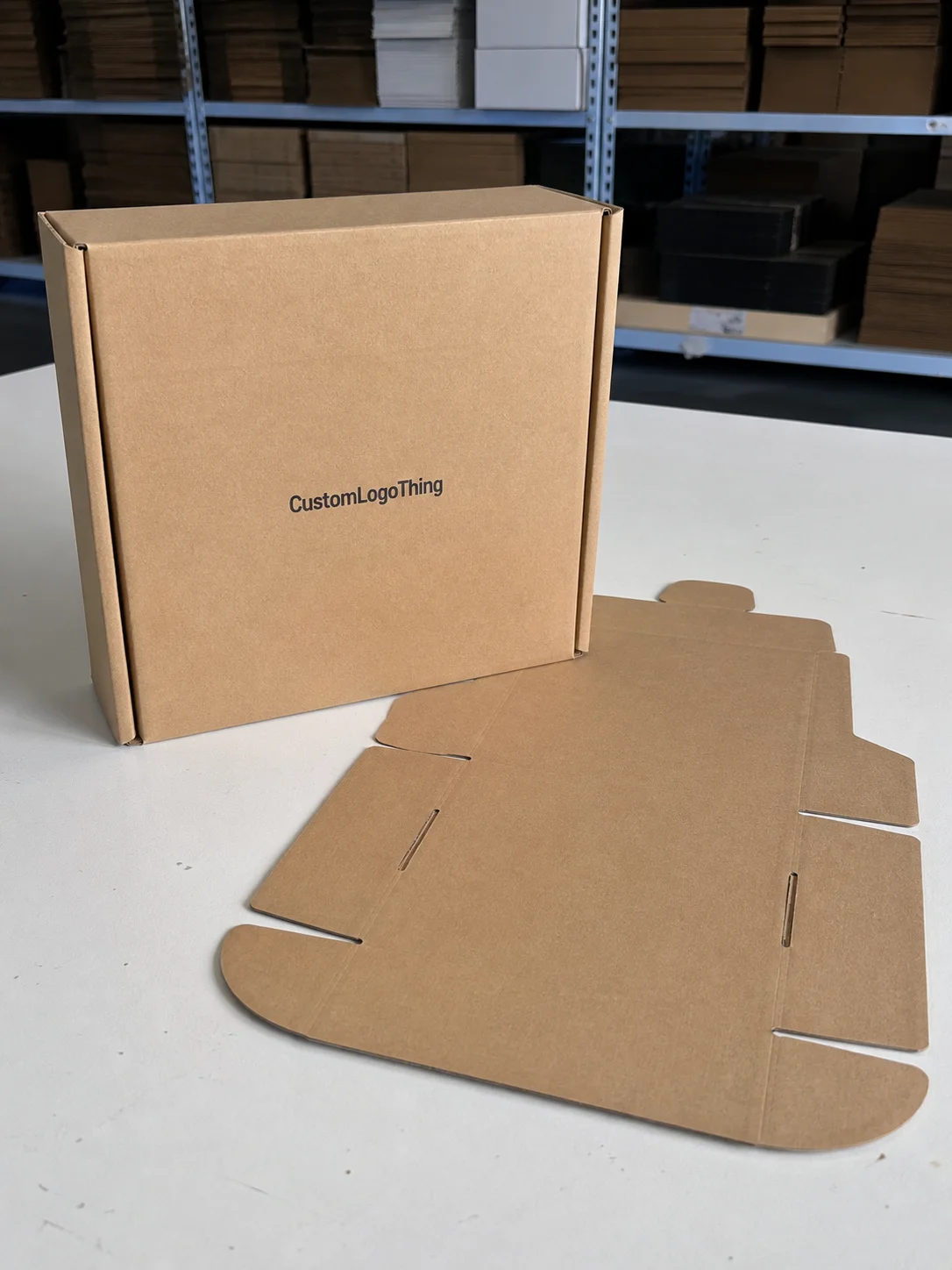
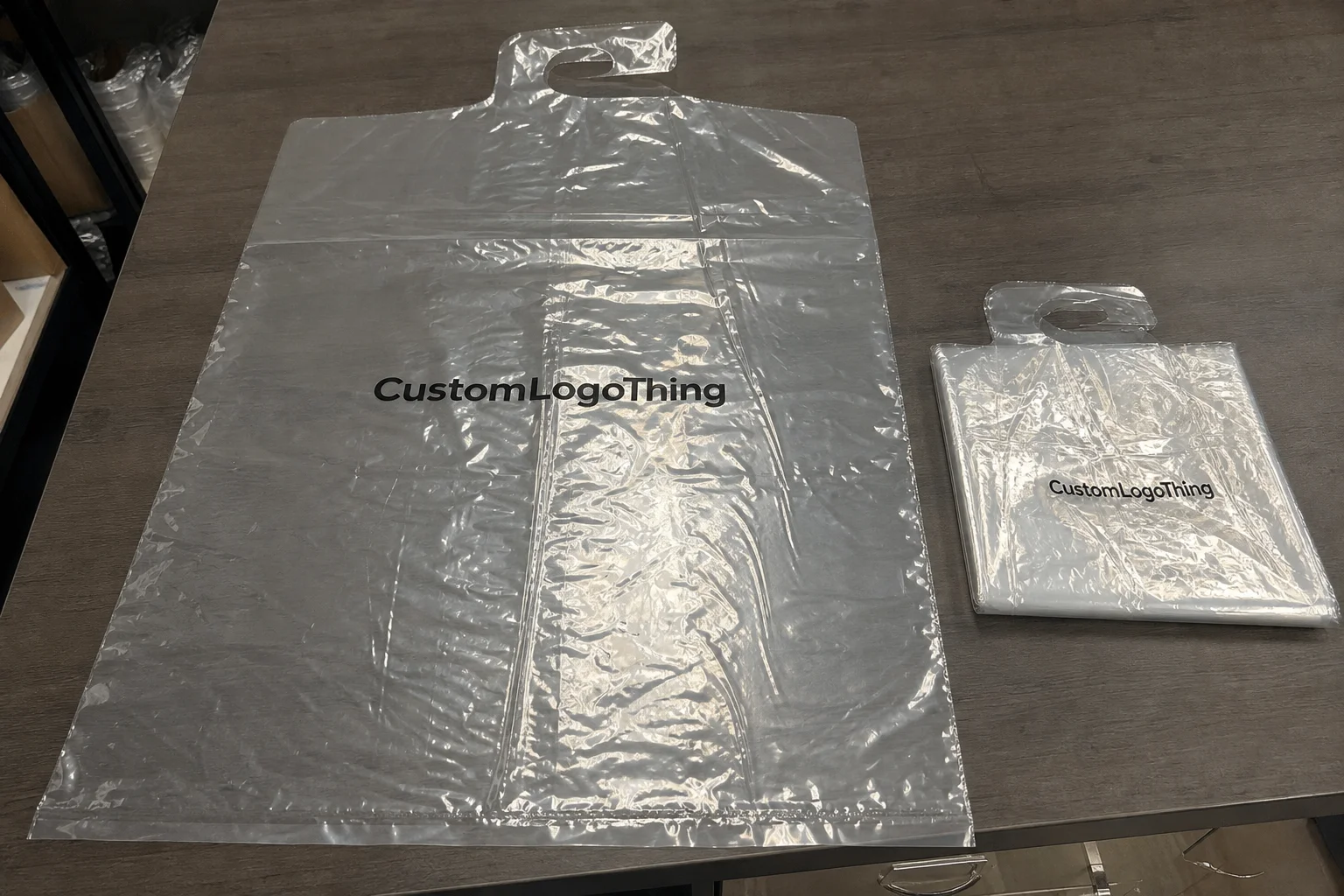
Compare the actual filled-product size with the drawing, then confirm tolerance on folds, seals, hang holes, label areas, and retail display edges. Reserve space for logos, QR codes, warning copy, and material claims before decorative graphics fill the panel.
Quote comparison points
Review material grade, print process, finish, sampling route, tooling charges, carton quantity, and freight assumptions side by side. A quote is only useful when the supplier can repeat the same color, closure quality, and packing count on the next order.
I’ve spent enough time on warehouse floors, from compact ecommerce packing tables in New Jersey to high-volume fulfillment lines outside Shenzhen, to see the same problem repeat itself: a carton can look full and still be a damage risk if the product can shift even half an inch. That is exactly where a void fill supplier guide earns its keep, because the right fill does more than occupy empty space. It stabilizes the carton, protects the product, and keeps pack-out moving at a pace operators can actually maintain. Choose the wrong supplier, and the apparent savings on unit price can disappear into returns, repacks, and customer complaints.
Most buyers begin in the wrong place. They ask, “What’s cheapest?” before they ask, “What is this package actually doing in transit?” A useful void fill supplier guide needs to answer both questions with real numbers, not hunches, which means looking at materials, labor, freight, and damage rates together. It also means understanding how the supplier sources paper, foam, molded fiber, or air dunnage so you can compare performance and availability with your actual shipping profile.
What a Void Fill Supplier Actually Does
In plain terms, a void fill supplier provides materials and systems that occupy unused space inside a carton so the product does not slam into the box walls during shipping. That can mean crinkle paper, kraft paper, air pillows, foam inserts, molded pulp, or loose fill, depending on the application. A proper void fill supplier guide separates this from primary packaging, which touches the product directly, and from cushioning or dunnage, which may absorb impact in a more structural way.
I once visited a cosmetics fulfillment center where the team was losing about 3.8% of orders to cracked jars, even though every carton looked full. The issue was straightforward: the jars were centered, but not stabilized, and the products were sliding against each other inside a 14-inch corrugated shipper. A better void fill supplier guide would have pointed them toward paper-based fill with tighter pack rules, not simply more bubble wrap or more loose fill.
Good suppliers do more than sell material. They help match fill type to carton size, line speed, and shipping profile. Some operate from paper converter plants, where large parent rolls are slit and converted into on-demand paper systems; others come from foam fabrication shops cutting polyether or polyethylene foam to size; many protective packaging warehouses stock loose fill, air pillows, and molded systems ready to ship by the pallet. A practical void fill supplier guide should make those sourcing paths easy to compare.
“We thought the product was fragile enough to need more cushioning, but the real problem was movement. Once we fixed the void fill, the claims dropped fast.”
That came from a packaging manager I worked with after a supplier audit in Ohio, and it still rings true. The lowest-cost fill is not always the best fit, and the best supplier is often the one that understands your product, your operators, and your shipping lanes. That is the heart of any useful void fill supplier guide.
How Void Fill Materials Work in Real Shipping Environments
Void fill works by reducing movement, absorbing vibration, and spreading impact forces before they reach the product. A carton riding on a conveyor may take dozens of small jolts before it ever reaches a truck, and then it gets stacked, compressed, and handled again at a sortation hub or last-mile carrier facility. A good void fill supplier guide has to account for all of that, not just a drop test on a clean floor.
Corrugated cartons behave differently from poly mailers and ecommerce cartons with built-in fitments. In a 32 ECT RSC box, paper fill can lock items in place nicely, while in a thin mailer the same paper may not create enough structural restraint. Air pillows can be excellent in lightweight shipments, but they are not always the right answer for heavy, sharp, or oddly shaped goods. That is why a serious void fill supplier guide should compare how materials perform under vibration, compression, and humidity, not just how they look in a sample photo.
I remember a food client in North Carolina that was using foam chips in humid summer conditions. The product itself was fine, but the fill shifted, compressed, and made a mess at pack stations when the pallets sat near a dock door. They switched to machine-made paper void fill, and the consistency improved because the material did not cling the same way and was easier for operators to dispense in 12-hour shifts. That kind of lesson belongs in every void fill supplier guide.
Supplier-side equipment matters too. On-demand paper systems can turn a 30-inch roll into a packed bundle of crumpled paper in seconds, and air pillow machines can inflate a carton’s worth of dunnage right at the station. Custom-cut foam conversion can bring precision to high-value products, especially when dimensions are tight and repeatability matters. A reliable void fill supplier guide should ask whether the supplier can support these systems with parts, service, and training, because a perfect material that stalls the line is not perfect at all.
Testing is non-negotiable. I like to see drop testing aligned to ISTA procedures, and for shipping and handling validation, the standards from ISTA are a sensible place to start. For sustainability claims and packaging waste reduction, EPA recycling guidance is also useful. A good void fill supplier guide does not promise performance without evidence; it asks for test results, then verifies them against your SKU mix. When recycled fiber, curbside recyclability, or FSC sourcing is part of the discussion, documentation should be easy to produce, not hidden behind a sales pitch.
Void Fill Supplier Guide: Key Factors to Compare Before You Choose a Supplier
Material selection is the first big fork in the road. Crinkle paper gives a premium presentation and works well for cosmetics, gift items, and subscription boxes. Kraft paper is often the practical workhorse for general ecommerce fulfillment, especially when the operator needs speed and the pack rules are simple. Foam can be ideal for delicate electronics or precision parts, molded pulp fits well where shape retention and fiber-based sustainability matter, air pillows excel in lightweight shipments, and loose fill still has a place in specialty cases. Any useful void fill supplier guide should make room for all of those, because the “best” option depends on the shipment.
Pricing needs to be studied as total cost, not sticker price. I’ve seen buyers celebrate a quote of $0.14 per unit for paper fill and then discover that the machine rental, pallet freight, and labor added another $0.09 to each order. A better comparison includes unit price, machine investment, storage footprint, freight lane, waste rate, and how long it takes an operator to pack one carton. That level of detail belongs in a practical void fill supplier guide, because otherwise you are comparing apples to foam blocks.
Sustainability deserves a hard look, too. If a supplier claims recycled content, curbside recyclability, or FSC sourcing, ask for documentation. For fiber-based materials, I like seeing FSC chain-of-custody language or equivalent proof, not just a green icon on a brochure. The Forest Stewardship Council is a good reference point when you want to verify sourcing claims. A credible void fill supplier guide should remind buyers that a material can look sustainable and still fail the real-world test if it tears, dusts, or needs excessive overfill.
Supply reliability is the part people regret ignoring. During a holiday rush, I watched a fulfillment team run short on paper rolls because the supplier had a 3-week lead time and only one warehouse on the West Coast. The line kept moving, but the team had to bring in emergency manual packing methods, and speed dropped by about 18%. A strong void fill supplier guide checks lead times, minimum order quantities, warehouse locations, and seasonal capacity before committing.
Operational fit is just as important. If your cartons range from 8 x 6 x 4 inches up to 16 x 12 x 10 inches, one fill format may not work across the whole range without wasted material. If your pack stations are narrow or your WMS prints carton labels after fill is added, you need a product that fits the workflow instead of forcing the workflow to fit the product. That is why I always tell buyers that a smart void fill supplier guide should ask how the fill interacts with station ergonomics, automation, and pack-line sequencing.
- Protection: Does it stop product movement in your real carton sizes?
- Cost: What is the landed cost after freight, labor, and waste?
- Sustainability: Can claims be documented?
- Availability: Can the supplier handle spikes and reorders?
- Fit: Does it work with your stations, equipment, and pack rules?
A Step-by-Step Process for Evaluating a Void Fill Supplier
Start with your own data. Pull damage claims for the last 90 days, note carton sizes, and separate fragile SKUs from durable ones. If you do not know your current pack-out method, a supplier cannot fix it for you. The best void fill supplier guide begins with an audit because the problem is rarely “we need more material”; it is usually “we need the right material in the right amount for the right carton.”
Next, ask for samples and small-run trials. I like real tests, not brochure promises. Put your own products in the carton, ship them through your normal lane, and check for scuffing, corner crush, settling, and operator feedback. One client in Texas tried three paper formats and found that the highest-expansion fill looked impressive but took too long to dispense for their 220-order-per-hour station. A solid void fill supplier guide should always recommend testing with your actual products, not generic cubes or dummy weights.
Build a scorecard. It does not have to be fancy, but it should be consistent. Score each supplier on protection, cost, sustainability, availability, and compatibility with your line. I usually recommend a 1-to-5 scale, with notes for anything unusual, such as dust, static cling, or operator fatigue. The value of a void fill supplier guide is not just deciding who wins; it is documenting why they won so the decision holds up later.
Ask direct process questions. What is the order cutoff time? Do they keep safety stock? Can they support a replenishment program or vendor-managed inventory? Is there technical support during implementation if the machine starts jamming or the paper roll path needs adjustment? A good supplier will answer without dancing around the details, and that is a strong sign you are following the right void fill supplier guide.
Timing matters more than many teams expect. Sample evaluation can take 2 to 5 business days. Testing may take another week if you are running multiple SKUs and transport lanes. Approval, training, and rollout can stretch into 2 to 4 weeks for machine-based systems, especially if you are modifying pack instructions or storage layouts. A realistic void fill supplier guide sets that expectation early, so nobody promises a three-day switch that turns into a three-month headache.
Common Mistakes Buyers Make When Sourcing Void Fill
The first mistake is chasing the lowest unit price. I have seen buyers save $0.03 per carton and then lose $1.20 per return when a fragile item arrives broken. That is not savings; that is deferring cost into another bucket. A practical void fill supplier guide reminds you to compare the whole cost structure, including claims, customer service time, and repack labor.
Another common error is choosing a material that looks eco-friendly but behaves poorly in use. Some materials do fine in dry, climate-controlled warehouses and fail badly in humid facilities or heavy-compression lanes. Paper may buckle, foam may create waste concerns, and loose fill can migrate during transport. A thoughtful void fill supplier guide checks the actual environment, not just the marketing sheet.
Storage gets overlooked too. Bulk fill can eat floor space quickly. I once saw a seasonal brand buy enough loose fill for four months, only to realize it blocked access to a pallet staging area and slowed outbound flow by 11%. On the other side, underbuying can create urgent reorders and forced substitutions. A seasoned void fill supplier guide accounts for storage dimensions, reorder points, and packing seasonality.
Then there is workflow. A fill that protects well but sheds dust, tangles, or requires two hands to dispense can hurt productivity. If the operator has to fight the material, they will naturally use less of it or pack it inconsistently. That is why a practical void fill supplier guide always includes pack-station observation, because the line tells the truth that a datasheet may hide.
Premium ecommerce brands also need to think about presentation. Customers opening a $75 candle or a luxury accessory expect a neat unboxing experience, not a box jammed with random filler that sheds all over the counter. Buyers get caught on this more often than they admit: they focus on protection alone and forget the customer’s first physical interaction with the brand. A strong void fill supplier guide balances both.
Expert Tips for Getting Better Performance and Lower Total Cost
Match fill to carton size ranges, not to every order as if all boxes were identical. A 10 x 8 x 6 carton and a 16 x 12 x 10 carton do not need the same behavior from a fill material, even if the product is similar. The best void fill supplier guide encourages segmentation by box family, because that is where consistency starts.
Standardize pack rules. If one shift uses a loose handful and another uses a full nest, your damage rate will bounce around. I prefer simple rules like “fill to the top edge for fragile SKUs” or “use two paper bundles per corner on SKU family A.” That kind of discipline belongs in a working void fill supplier guide because it protects quality across shifts and sites.
Ask suppliers about service, not just supply. Machine-based systems need maintenance schedules, spare parts, and operator training. If a supplier cannot explain roll-change steps, jam clearing, or daily checks, that is a warning sign. A well-built void fill supplier guide always asks about backup supply options, because a second source can save a holiday peak when one warehouse runs thin.
Reduce cost by right-sizing cartons and using internal dividers where they make sense. Sometimes the smartest way to use less fill is to make the void smaller in the first place. I have seen a simple carton change cut paper usage by 22% on a beauty line, with no damage increase, because the new box fit the product far better. A good void fill supplier guide does not treat fill as the only answer; it treats packaging design as a system.
If labor is your constraint, consider paper-on-demand. If product protection and presentation both matter, molded pulp may be worth the tooling conversation. If your shipping profile is light and high volume, air pillows can be efficient. The right answer is often different from what the catalog suggests, and that is exactly why a real-world void fill supplier guide is so useful.
Next Steps: Build a Supplier Shortlist and Test It
Start with three to five suppliers, no more. Request samples using the same products, the same carton sizes, and the same packing instructions so the comparison stays fair. Then run a small trial over a defined period, ideally long enough to capture at least a few hundred shipments. A clean void fill supplier guide always ends with a controlled test, not a gut feeling.
Measure what matters: damage rate, packing speed, material usage per order, and operator feedback. If the fill protects beautifully but slows the line by 9 seconds per carton, that time adds up fast. If the fill is fast but inconsistent, the savings may disappear in claims. A disciplined void fill supplier guide keeps the decision grounded in data.
Review total landed cost before you sign anything. Include freight, storage, labor, and any equipment expense, then compare that against your current claims and repack costs. Document the preferred material, reorder point, and pack-out method so the solution becomes a repeatable standard instead of a one-time experiment. That documentation is the part many teams skip, and it is one of the most valuable outputs of a complete void fill supplier guide.
I always tell clients to revisit the choice every so often, because product mix changes, carriers change, and customer expectations change. What worked for 500 orders a day may not work at 2,000. A living void fill supplier guide helps you adjust before small issues become expensive ones.
FAQs
How do I Choose the Best void fill supplier for fragile products?
Pick suppliers that will test materials with your actual fragile items, not just hand you a spec sheet. In a strong void fill supplier guide, I always look for support with drop testing, pack validation, and clear performance data tied to the real SKU.
What should I compare in a void fill supplier pricing quote?
Compare unit price, freight, minimum order quantity, storage needs, labor time, and waste. A good void fill supplier guide also asks whether pricing changes with volume, machine use, or custom sizing requirements, because those details can move the final cost a lot.
Which void fill material is most cost-effective?
The most cost-effective option depends on carton size, damage risk, labor availability, and shipping volume. Paper, air pillows, foam, and molded pulp each win in different settings, so a practical void fill supplier guide treats total cost as the real metric, not sticker price.
How long does it take to switch to a new void fill system?
A simple material swap may take only a short trial, while machine-based systems or custom formats can take longer. Allow time for samples, testing, operator training, and rollout across packing stations, which is exactly why a realistic void fill supplier guide builds timing into the plan.
What are the most common void fill supplier mistakes to avoid?
Avoid buying only on price, skipping testing, or picking a material that slows packers down. A useful void fill supplier guide also warns against ignoring sustainability claims, lead times, and how the fill performs in your actual shipping environment.
If you are building out your packaging program for Custom Logo Things, start with the product, then match the fill to the carton, the line, and the lane. That is the practical heart of any void fill supplier guide, and it is the difference between a box that merely ships and a box that arrives looking like it was packed by someone who truly understood the job. The next step is simple: document your current damage rate, test two or three materials in your real cartons, and choose the supplier that proves it can protect the product without slowing the line to a crawl. That’s the part that actually holds up in the warehouse, and it’s gonna save you a headache later.