Buyer Fit Snapshot
| Best fit | water based ink printed cartons for packaging buyers comparing material specs, print proof, MOQ, unit cost, freight, and repeat-order risk where brand print, material, artwork control, and repeat-order consistency matter. |
|---|---|
| Quote inputs | Share finished size, material target, print colors, finish, packing count, annual reorder estimate, and delivery region. |
| Proofing check | Approve dieline scale, logo placement, barcode or warning zones, color tolerance, and any recyclable or compostable wording before bulk production. |
| Main risk | Vague material claims, crowded artwork, or missing packing details can create delays even when the unit price looks attractive. |
Fast answer: Water Based Ink Printed Cartons: Sustainable Packaging should be specified like a repeatable production item. The safest quote includes material, print method, finish, artwork proof, carton packing, and reorder notes in one written spec.
What to confirm before approving the packaging proof
Check the product dimensions against the actual filled item, not only the sales mockup. Ask for tolerance on folds, seals, hang holes, label areas, and retail display edges. If the package carries a logo, QR code, warning copy, or legal claim, reserve that space before decorative graphics fill the panel.
How to compare quotes without losing quality
Compare board or film grade, print process, finish, sampling route, tooling charges, carton quantity, and freight assumptions side by side. A lower quote is only useful if the supplier can repeat the same color, closure quality, and packing count on the next order.
Water Based Ink printed cartons sound straightforward on paper, but the real value shows up on press and in the finishing room. In most print environments, water based ink printed cartons are chosen because they avoid a lot of solvent-heavy handling, behave well on the right board, and let brands tell a cleaner material story without turning the package into a marketing prop. The ink still needs the right settings, the right drying conditions, and artwork that respects what the stock can actually do. No amount of branding language changes that.
For buyers of custom packaging, that practical side matters. Water based ink printed cartons can work very well for folding cartons, retail packaging, mailer boxes, and food-adjacent packs where the surface needs to look sharp and the line needs to keep moving. Good results depend on the board, the press setup, drying control, and finishing choices all pulling in the same direction. Miss one piece and the carton can still look expensive in the quote, then ordinary on the shelf.
There is also a trust piece here that buyers sometimes overlook. If a supplier says every stock, every design, and every finish will work the same way, that is usually a signal to slow down. Carton printing is a material process, not a vibe check, and the jobs that go smoothly are the ones where the spec is grounded in reality from the start.
Water Based Ink Printed Cartons: What They Are and Why Brands Care
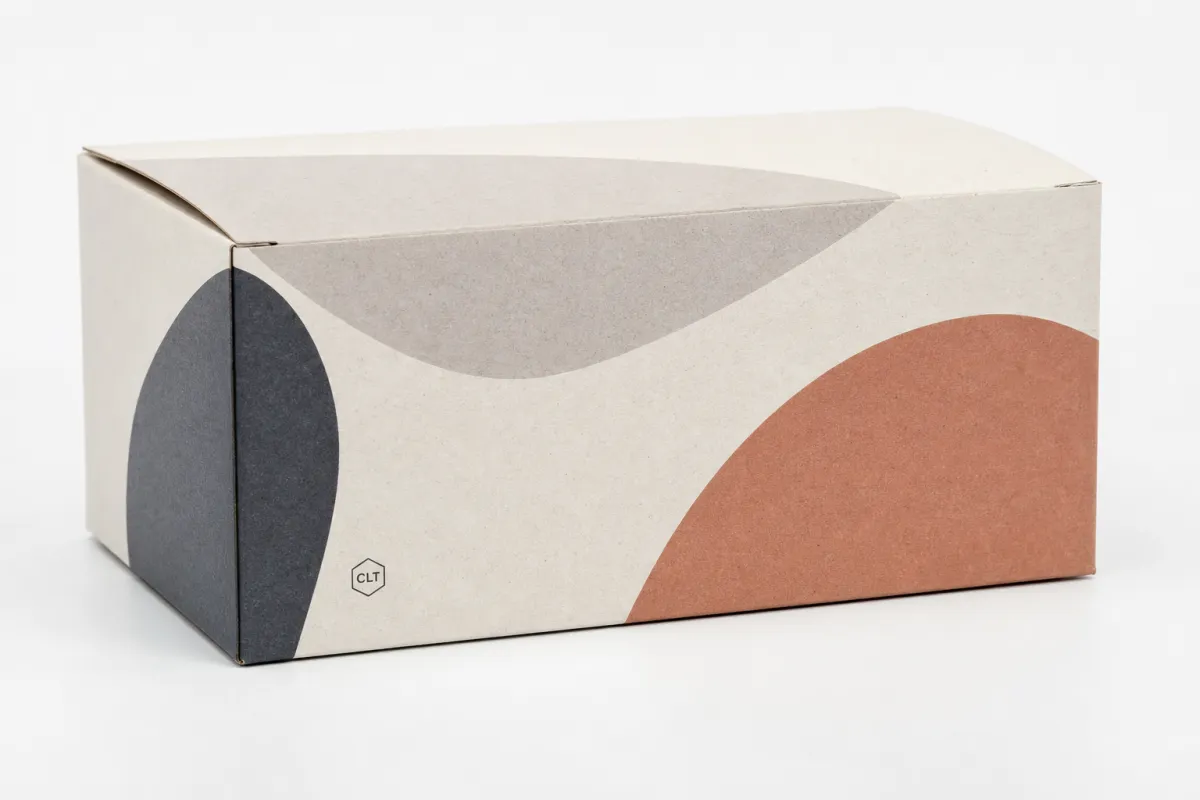
At the basic level, water based ink printed cartons use pigments carried in water rather than in a heavier solvent system. The water helps move the color, then leaves the sheet through evaporation, absorption, or both, depending on the press and the carton board. That sounds simple enough. Day to day, the difference is that the print environment usually feels less harsh, with less odor and fewer fumes that can make a production floor feel much longer than it is.
Brands care because packaging is more than a container. It is a physical expression of the product promise. For a skincare carton, a supplement box, or a premium mailer, water based ink printed cartons can support a cleaner brand image without forcing the design toward a bland, over-sanitized look. They also make sense for buyers trying to reduce certain print-related environmental concerns while keeping the carton printable at scale. That balance is why the format has stayed relevant: sensible production, respectable shelf appearance, and a cost structure that usually stays within reach.
Folding cartons are the most obvious fit. Retail boxes with crisp typography and moderate ink coverage also perform well. Mailer boxes can work nicely too, especially when the artwork is designed for the process rather than fighting it. Some food-adjacent packaging uses this route as well, provided the structure and compliance requirements are handled correctly. For broader sourcing context, the FSC site is a useful reference for board sourced from responsible forest management systems.
Water based ink printed cartons are not magic. They work well when the board, press, and artwork are all doing their part. If one of those is weak, the ink will not rescue the job.
They are also not the universal answer. A dense flood of dark color on an absorbent board behaves very differently from a light logo treatment on a coated sheet. Water based ink printed cartons can run into problems if drying control is weak or if the press team is trying to force a setup that the stock does not like. The better mindset is practical rather than promotional: this print method fits this board, this artwork, and this production plan, or it does not. That is usually the cleanest way to keep expectations grounded.
One more thing: if the package touches food directly, or sits close enough to create regulatory questions, you need a separate compliance review. The ink choice matters, but so do board migration, coatings, adhesives, and the final use case. A conscientious printer should be willing to talk through those details instead of hand-waving them away.
How Water Based Ink Printed Cartons Are Made
The production path for water based ink printed cartons starts before any ink touches the sheet. Artwork gets prepared, the dieline gets approved, and the printer decides whether the job is best suited to offset, flexo, or digital. The board is printed, dried, finished, cut, folded, and glued. It reads like a neat sequence on paper. In a real production schedule, each stage can introduce its own small delay, which is why experienced buyers ask for proofs instead of assuming the first file drop will survive unaltered.
Board choice changes a great deal. Coated boards tend to hold detail better and support brighter color, while uncoated boards absorb more ink and can soften the image. That absorbency affects dot gain, which is a print term for dots spreading more than intended. On water based ink printed cartons, that matters a lot. Too much absorption and the type loses sharpness. Too little absorption and the surface may dry slowly or scuff during stacking. The right balance depends on the stock and the finish the brand wants.
Drying is where a good run can become a bad one. Water has to leave the sheet quickly enough to avoid smearing, offsetting, and blocking, but not so aggressively that the print surface looks dusty or uneven. During a busy run, the operator is watching ink density, stack height, airflow, and dwell time. That is why water based ink printed cartons can behave beautifully on one press and cause headaches on another. Same ink family, different conditions, different result.
Finishing changes the final feel too. A varnish can add protection and lower rub risk. Lamination can give a carton a more premium surface, though it can complicate recyclability depending on the structure and local recovery systems. Soft-touch coating adds a velvety hand feel, but that is a separate finishing decision rather than an ink decision. With water based ink printed cartons, the finished piece is always the result of several layers working together rather than one material doing all the heavy lifting.
Printing method also shifts the outcome:
- Offset printing is well suited to image quality, steady color, and fine detail on smoother boards.
- Flexographic printing works efficiently for carton runs, especially when the artwork is built for the process.
- Digital printing fits short runs, samples, and quick revisions, though the economics change fast as quantities grow.
That is why one water based ink printed cartons brief can return three very different quotes. The ink is only one variable inside a larger production equation. Equipment, board surface, and the finishing stack all influence the result. The supplier that explains those tradeoffs clearly is usually the one worth listening to.
Cost, Pricing, and MOQ for Water Based Ink Printed Cartons
Money usually gets the most attention once the quote lands. The cost of water based ink printed cartons depends on board material, print coverage, finish complexity, tooling, setup, and freight. Ink by itself is rarely the main driver. Setup time, color calibration, drying control, and press waste usually move the number more than most buyers expect. Lower-toxicity ink does not automatically lower the bill, which would be convenient but unrealistic.
For practical budgeting, a few rough ranges are more useful than vague promises. A simple one-color mailer box on standard board may land around $0.20-$0.45 per unit at 5,000 pieces, depending on size and stock. A full-color retail carton with coating or a more demanding visual spec can sit closer to $0.35-$0.95 per unit at 5,000 pieces. At 1,000 pieces, the same jobs can rise to roughly $0.55-$1.40 per unit because setup costs are spread across fewer cartons. Water based ink printed cartons are not expensive by default; short runs just make every setup decision more visible.
MOQ is where many first-time buyers get surprised. A printer may quote a lower unit cost at 10,000 pieces, but if the actual need is 1,000 pieces, that lower number does not help. The real question is the minimum the supplier is willing to run without making setup painful. For water based ink printed cartons, a practical MOQ often falls somewhere between 500 and 3,000 units, though structure, print method, and finishing can push that range up or down. Smaller than that, and the project often starts looking more like prototype work than production packaging.
Here is a simple way to compare common options:
| Carton Type | Typical Use | Approx. MOQ | Indicative Unit Cost | Notes |
|---|---|---|---|---|
| One-color mailer box | Subscription, shipping, simple branding | 500-2,000 | $0.20-$0.45 at 5,000 | Good fit for straightforward water based ink printed cartons |
| Full-color retail carton | Shelf display, consumer goods, cosmetics | 1,000-3,000 | $0.35-$0.95 at 5,000 | More coverage and tighter color control |
| Premium carton with soft-touch finish | Luxury or high-margin products | 1,000-5,000 | $0.60-$1.50 at 5,000 | Finish and handling requirements raise cost |
| Short-run prototype carton | Sampling, launches, design testing | 25-250 | Project-based pricing | Best for proofing water based ink printed cartons before scale-up |
Always compare quotes on equal terms. Two suppliers can quote what sounds like the same carton, yet one may be using a lighter board, fewer print passes, no structural support, or a different finish. Ask whether dieline work is included, whether samples are included, and whether freight is part of the number. Without those details, you are not comparing quotes. You are comparing illusions.
Waste allowance is another detail buyers overlook. A printer may build in a setup allowance of a few percent for make-ready and color adjustment. That is normal. It is not a trick. For water based ink printed cartons, especially on color-sensitive jobs, transparency about waste handling matters. You want to know whether that allowance is already priced in and how it Affects Your Final quantity.
One practical rule: if the quote looks unusually low, ask what was removed to get there. Sometimes it is a finish. Sometimes it is a press pass. Sometimes it is freight. You do not want to discover the missing piece after production starts, because that is when the cheap number gets kinda expensive.
Process, Timeline, and Lead Time for a Water Based Ink Printed Cartons Run
Lead time is where planning saves money and stress. A typical water based ink printed cartons run starts with a brief, then dieline approval, then artwork proofing, then production, drying, finishing, and shipment. If the supplier is organized and the files are clean, a simple run can move in 10-15 business days after approval. If the carton uses multiple finishes, custom board, or several proof rounds, the schedule can stretch to 20-30 business days or more. Production has a way of reminding everyone that optimism is not a schedule.
Sample stages matter more than many buyers expect. A digital proof helps with layout and copy checks, but it will not always show true color on the final stock. A press proof gives a better reading of how water based ink printed cartons will look in production. If the brand depends on exact color matching, ask for a pre-production sample or at least a controlled press proof on the actual board. Guessing here usually costs more later, and discovering a warm gray where you expected a cool black is not a pleasant surprise.
Delays usually start with artwork changes. Color approval can stall if a brand team keeps debating shade names instead of approving a swatch. Board sourcing can also slow the job, especially if the spec calls for a particular coating or recycled content target. Then there is finishing: die cutting, gluing, and coating queues can back up quickly during busy periods. With water based ink printed cartons, the print may be fast while the rest of the line still has to flow.
Shipping windows matter too. If the cartons are being tested for transit strength, standards and test methods like ISTA guidance for packaging distribution testing can help frame the right questions. That does not replace supplier judgment, but it does give you a stronger reference point. A carton that looks great on the press sheet and collapses after transit is just expensive confetti.
Use this checklist to keep the schedule moving:
- Carton dimensions and style, including the dieline or exact structure.
- Print count, color expectations, and whether PMS matches are required.
- Board type, coating preference, and any sustainability requirements.
- Finish details such as varnish, lamination, embossing, or soft-touch.
- Quantity, target delivery date, and shipping destination.
- Approval workflow, including who signs off on proofs and samples.
Once those details are locked, water based ink printed cartons become much easier to schedule. When they stay vague, the printer has to guess, and guesswork is usually how timelines drift.
It helps to think of lead time in two buckets: press time and everything else. The press time can look short and tidy, but board procurement, drying, folding, gluing, packing, and outbound freight are the parts that usually stretch a calendar. If a supplier only quotes the first bucket, you are not getting the whole picture.
Step-by-Step Guide to Ordering Water Based Ink Printed Cartons
Start with the product, not the box. What does the carton need to do: protect the item, sell the item, fit a shelf plan, ship well, or all of the above? The answer changes the spec. A carton for a lightweight serum bottle has different demands than a carton for a heavy candle. That is why water based ink printed cartons should be ordered as a functional packaging decision rather than a decoration exercise.
Step one is choosing the board. You need to know whether the carton will be foldable, rigid, or mailer-style, and whether you want coated, uncoated, recycled, or specialty stock. That choice affects how water based ink printed cartons take color, how they feel in hand, and how well they hold fine detail. Picking the board after the artwork is backwards, and it happens more often than suppliers like to admit.
Step two is file setup. Packaging files are not social media graphics. They need proper bleed, safe zones, dieline alignment, and realistic color expectations. If there are sustainability claims on the carton, those claims need to be accurate and defensible. Overstating recycled content or recyclability can create real problems with legal review. Water based ink printed cartons do not excuse sloppy messaging. They only make the print method cleaner.
Step three is proofing. Ask for a digital proof first, then a press proof if the design uses exact brand colors, metallic effects, or dense coverage. For water based ink printed cartons, a proof on the wrong stock can be misleading, especially with pale tints and fine text. If the carton is going into retail, request a physical sample whenever possible. Screens are useful. Paper is honest.
Step four is supplier review. Before production, confirm the following:
- Final quantity and acceptable overage or waste allowance.
- Material grade and any certs, including FSC if needed.
- Finish type and whether it changes recyclability or feel.
- Packing method, carton count per master case, and pallet pattern.
- Delivery terms, destination, and who owns freight risk.
Step five is approval. This is where many people get nervous and begin changing small details that should have been settled earlier. Don’t. If the proof matches the intent, approve it and move forward. The strongest water based ink printed cartons orders are the ones where the buyer controls the basics early and stops improvising after the quote is signed.
One practical extra: keep a spec sheet for each carton family. Include the stock, print method, finish, approved color references, quantity bands, and vendor notes. Repeat orders become far easier when nobody has to dig through old emails for the one attachment that matters. It also prevents the familiar “Why does the second run look slightly different?” conversation, which no one enjoys.
If you are ordering for a new launch, build a little buffer into the schedule. A first run almost always finds one small thing that needs adjustment, even if the artwork is solid. That extra day or two can save you from rushing an approval that should have had more breathing room.
Common Mistakes With Water Based Ink Printed Cartons
The biggest mistake is assuming any carton board will print well. It will not. A highly absorbent board can mute color, while a slick coated sheet can change drying behavior and affect rub resistance. Water based ink printed cartons need the board to match the artwork. If a supplier says, “we can print on anything,” that is not a reassuring line. That is a line that invites trouble.
Ignoring drying time is another common failure. A buyer approves a clean-looking press proof, then the production run smears because the stack was handled too quickly or the press ran too aggressively. That is not the ink being bad. That is the process being mismatched. With water based ink printed cartons, drying belongs in the specification, not in the afterthought pile. If the production team rushes the stack, the carton will show it.
Heavy ink coverage can become a trap too. Deep solids look rich, but they also increase drying load, rub risk, and cost. If the design uses large flood coats, ask whether the visual gain is worth the production tradeoff. Sometimes the stronger answer is a cleaner layout with sharper contrast and less ink. Not every carton has to shout. Some of the best water based ink printed cartons rely on restraint instead of volume.
Artwork mistakes create their own trouble. Files built for digital ads or screen display often rely on colors and line weights that do not behave well in packaging. Tiny serif type, hairline rules, and low-contrast gradients are all risky. If the carton is retail-facing, those details need to survive printing, folding, and handling. A packaging designer knows this instinctively. A brand manager looking at a laptop usually does not, and that is normal. Production work lives by different rules.
Skipping a physical proof is another expensive habit. The proof may cost a little, but it is cheaper than reprinting 2,000 cartons because the fold line clips the logo or the color sits one step too warm. Water based ink printed cartons reward discipline and punish wishful thinking.
Here is the short list of mistakes to avoid:
- Choosing stock before thinking about print behavior.
- Ignoring drying and stacking time in production.
- Using dense artwork without testing the cost and finish impact.
- Sending non-packaging artwork and expecting clean results.
- Approving a quote without checking finish, MOQ, and freight terms.
Another mistake is treating the carton as a one-time purchase instead of a repeat system. If you plan to reorder, lock the spec now. Future-you will be very grateful when the second run matches the first without a scavenger hunt through old emails and forgotten PDFs.
Expert Tips for Better Water Based Ink Printed Cartons
If you want better results, simplify the job where it matters. Fewer colors often print more consistently than complex builds with lots of tonal variation. Strong brand systems do not need every carton to look like a festival flyer. For water based ink printed cartons, a limited palette can actually make the package feel more premium because the details land with more control.
Match the artwork to the board, not the other way around. A warm kraft stock will make certain colors feel earthy and muted. A bright coated stock will hold sharper contrast. That is not a flaw. It is a design input. The strongest water based ink printed cartons are built around stock behavior from the start, so the print process supports the visual intent instead of fighting it.
Ask direct questions about press calibration. What ink density targets does the printer use? How do they check drying? How do they measure color consistency across the run? Good suppliers have actual answers, not vague confidence. That matters because water based ink printed cartons can vary more than buyers expect if setup control is loose.
Treat sustainability as a system, not a sticker. Board choice, ink type, finish, transport, and end-of-life all matter. A carton with a responsible board source and water based inks can still be a poor environmental choice if it ships inefficiently or uses a heavy non-recyclable laminate. For a broader environmental reference point, the EPA site has useful material on waste, recycling, and packaging-related topics. The basic point is simple: water based ink printed cartons are one part of the package story.
Keep a master spec sheet. Include the approved board, finish, color references, tolerances, carton count, and supplier notes. Repeat orders become much more predictable when nobody has to hunt through old email threads for one missing attachment. For brands ordering quarterly or seasonally, this is one of the cheapest ways to protect consistency in water based ink printed cartons.
One more practical tip: ask for a production window that includes drying and finishing, not just print time. A printer can often get a job onto press quickly, but the finishing line is where schedules get jammed. A buyer who understands that difference usually gets fewer surprises and better outcomes from water based ink printed cartons.
When a carton is supposed to communicate quality, it helps to keep the design honest. Clean typography, controlled color, and a stock that suits the brand often do more than flashy graphics. That kind of restraint is not boring. It is usually what makes the box feel intentional.
What to Do Next Before You Place an Order
Before you request quotes, write down the carton size, structure, print count, finish, and monthly quantity. That is the foundation. If you skip those details, suppliers have to guess, and you end up comparing random numbers rather than real offers. A clear brief makes water based ink printed cartons easier to price and easier to produce.
Then ask each supplier for the same basics: sample availability, lead time, MOQ, unit cost breakdown, board grade, and freight terms. If one quote includes design support, finishing, and shipping while another leaves those out, the numbers are not comparable yet. That is a common buyer mistake, and it wastes time. Water based ink printed cartons should be compared on full landed cost, not just the cheapest line item.
Decide what matters most for this project. Is it lowest cost, fastest turnaround, a cleaner sustainability story, or the strongest shelf impact? You rarely get all four at once. Pick the top two and stay honest about the tradeoffs. A brand using water based ink printed cartons for a premium launch may accept a higher unit cost if the carton looks and feels right. A brand shipping replenishment inventory may care more about unit economics and repeatability.
Check the files against the dieline before final approval. Then confirm the production steps with the printer: print method, drying time, finishing, folding, gluing, and packing. If any part feels vague, ask again. Vague specs create expensive packaging. That is not dramatic. It is simple production math. The better the brief, the more likely water based ink printed cartons will arrive exactly where you want them.
Here is the practical decision tree I would use:
- If the carton is a short run or prototype, prioritize proof quality and turnaround.
- If the carton is a shelf item, prioritize color control, board selection, and finish consistency.
- If the carton is shipping-heavy, prioritize structure strength and transit testing.
- If sustainability is a core message, review board sourcing, ink choice, and finishing together.
Water based ink printed cartons are not a buzzword. They are a spec decision. The best result comes from matching the print method, stock, finish, and timeline to the product instead of chasing a feel-good label and hoping the press cooperates. That is the boring answer, which is usually the correct one.
The most reliable next move is simple: lock the carton spec, ask for a proof on the actual board, and confirm the drying and finishing window before production starts. Do that, and the job stops being a guessing game and starts behaving like a real packaging project.
Are water based ink printed cartons better for sustainable packaging?
They can be a better fit when you want to reduce solvent-heavy printing inputs and keep the carton story cleaner. The full sustainability picture still depends on board choice, coatings, shipping, and how the package is disposed of. So yes, water based ink printed cartons can support a more responsible packaging strategy, but they do not automatically solve every environmental issue in the box.
Do water based inks cost more on printed cartons?
Sometimes they do, especially when drying control, setup, or special board requirements add production time. For simple runs, the bigger cost driver is often MOQ and setup, not the ink itself. Ask for a quote that separates board, print, finish, and freight so you can see what is actually moving the price on water based ink printed cartons.
What cartons work best with water based ink printing?
Folding cartons, mailer boxes, and retail packaging usually work well when the board and finish are matched correctly. Uncoated or lightly coated stocks often behave differently than glossy boards, so testing matters. The best carton depends on the artwork, folding style, and the print method used by the supplier. That is why water based ink printed cartons should always be specified with the final material in mind.
How long is the lead time for water based ink printed cartons?
Simple runs can move quickly, but proofing, drying, and finishing can stretch the schedule. Complex cartons with multiple finishes or custom structures usually need more time than standard stock boxes. The fastest way to shorten lead time is to finalize size, artwork, quantity, and finish before requesting production for water based ink printed cartons.
What should I check before approving a quote for water based ink printed cartons?
Confirm the carton spec, material grade, print count, finish, and whether samples are included. Check MOQ, unit cost, production timeline, and shipping terms so the quote is not missing the expensive part. Make sure the supplier understands your sustainability goals and can print to the quality level your brand needs. If any of that is fuzzy, water based ink printed cartons will probably cost more than they should.
If you want a straightforward path, keep the brief tight, the proofing disciplined, and the expectations realistic. That is how water based ink printed cartons stay useful instead of becoming a marketing slogan with a box attached.


