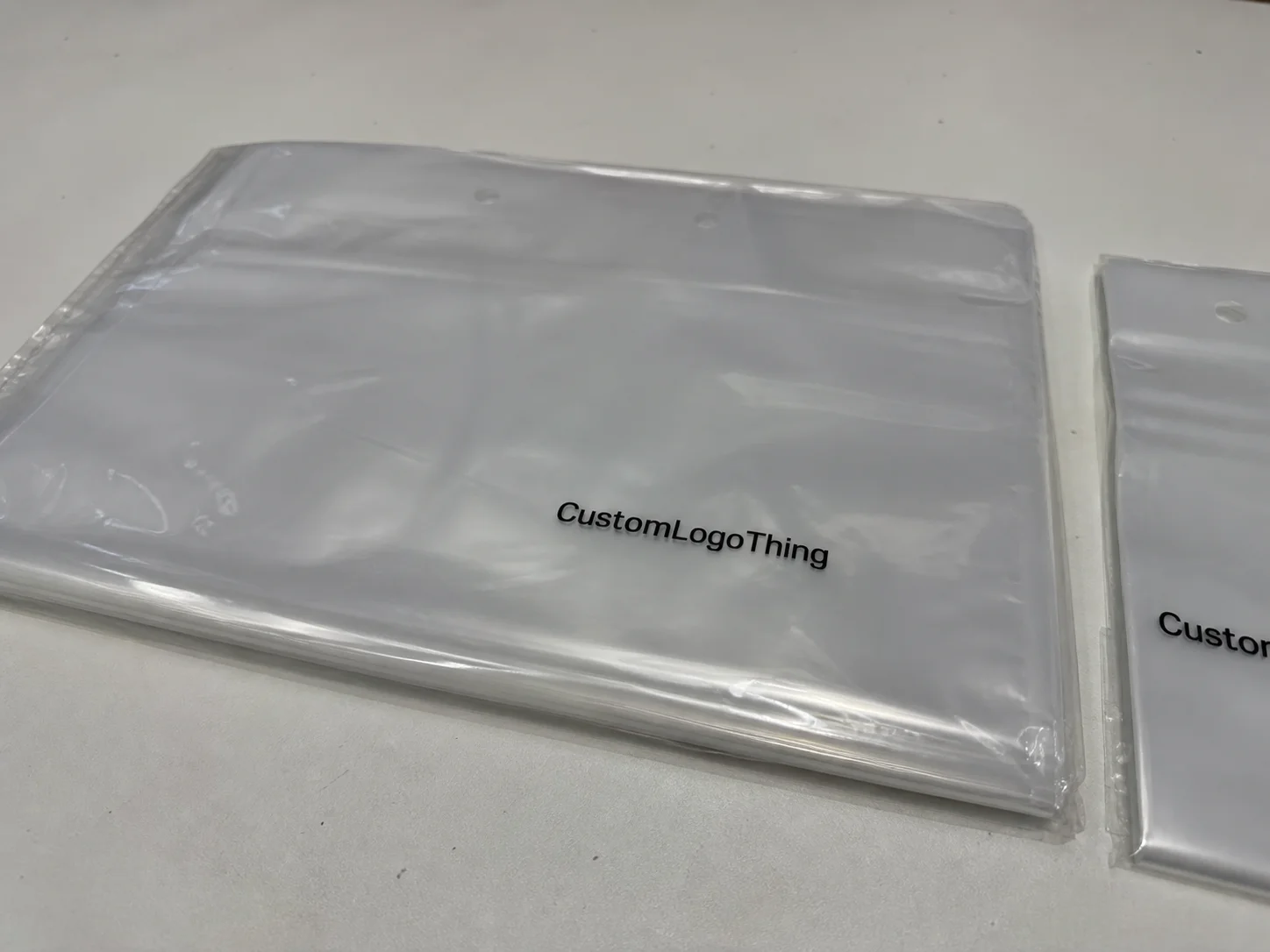
The Waterproof Apparel Mailers reorder planning guide matters most after the first purchase. Launch orders are usually handled under pressure, but the second or third run is where the real cost shows up: a film that feels softer, a seal that lands narrower, a carton count that no longer fits the warehouse flow, or a print file that no longer matches the approved proof.
Repeat orders are less about topping up stock and more about protecting throughput. A mailer that adds even a few seconds to pack time can quietly raise labor costs across thousands of orders. That is why a good reorder process works like a control system: it keeps the packing line moving, prevents emergency freight, and helps avoid mismatches that only show up after cartons are already on the dock.
Why reorders reveal packaging drift
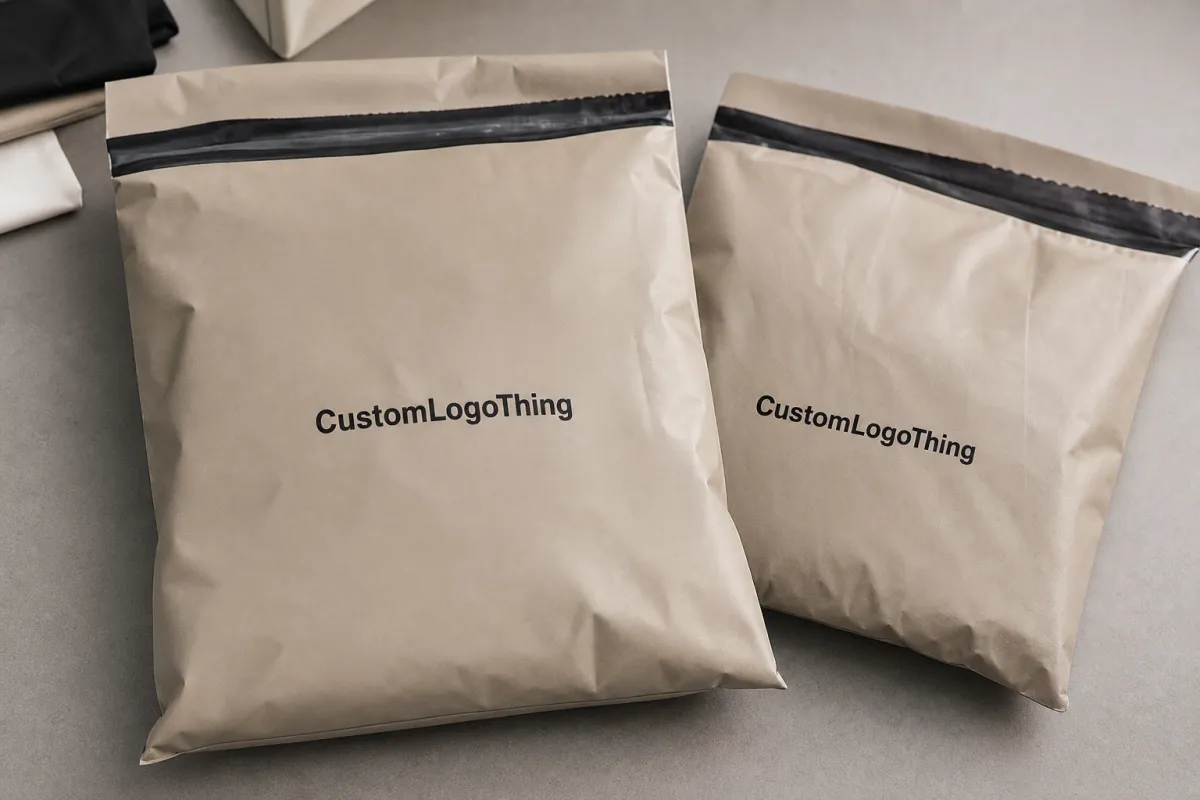
The first order often hides problems because everyone is working from a fresh sample, a current artwork file, and a clean approval path. On the next order, small changes creep in. A tee-only mailer can turn into a tight fit once hoodies or bundled items enter the mix. A seal that held under light handling may fail if a shipment is repacked, compressed, or routed through a rougher lane.
That drift is easy to miss because each change looks minor in isolation. Put them together and the result is slower pack-out, more rework, and a higher chance of damage claims. A buyer comparing repeat options should treat the last approved sample, the current warehouse workflow, and the latest product mix as one system. If any part changed, the mailer spec deserves another look.
There is also a timing issue. A spec that worked at 500 units may not perform the same way at 5,000, especially if the warehouse changed insert cards, tissue, or a return insert that adds thickness. What looked generous on paper can become tight in practice. Repeat orders expose those hidden margins because they remove the novelty and leave only the mechanics.
For transit-testing context, the ISTA standards library is useful, and packaging.org offers plain-language packaging resources that help teams compare materials and shipping expectations without relying on marketing claims.
Film, seal, and print choices for apparel mailers
Most Waterproof Apparel Mailers use polyethylene film, usually LDPE or an LLDPE blend. LDPE tends to offer good flexibility and a softer hand feel, while LLDPE usually improves puncture resistance and stretch. The right choice depends on the product mix: lightweight tees can do well in thinner constructions, but heavier garments and multi-item packs put more pressure on corners and seams.
Surface finish also changes how the mailer behaves in the real world. Gloss improves color contrast and makes print pop, but it can show handling marks. Matte hides scuffs better and usually feels less reflective at unboxing, though it can mute certain colors. Opaque white is common for branding and privacy. Gray or black backing does a better job masking garment color when the contents might show through under bright light.
Seal style deserves more attention than it usually gets. A peel-and-seal strip is standard for apparel, but the adhesive width and tack level matter if the mailer is expected to survive compression, return handling, or higher-touch parcel networks. For operations that repack often or ship through multiple touch points, a second adhesive strip can be worth the added cost.
Print choices affect repeatability as much as appearance. One-color or two-color art is usually easier to keep consistent across runs. Full-bleed artwork, metallic effects, and fine registration details look strong on a proof, but they increase the chance that a later batch will land slightly off-center or show a color shift. Buyers who want stable repeat orders should keep the approved art file, print zone, and ink specification with the PO record.
- Plain mailer - lowest setup risk and usually the fastest repeat approval.
- Single-color print - useful for brand recognition without much production complexity.
- Multi-color print - stronger visual impact, but tighter press control and longer review time.
- Special finish - useful for premium positioning, though it typically raises cost and approval sensitivity.
Gauge, size, and carton specs
Gauge is one of the most discussed specs and one of the easiest to oversimplify. Thickness should be matched to product weight, folding method, and shipping stress rather than treated as a universal upgrade path. A 2.5 mil mailer can be adequate for a lightweight tee, while 3 mil to 4 mil constructions are more common for hoodies, fleece, denim, or multi-item packs.
| Apparel pack-out | Common gauge range | What to watch | Buying note |
|---|---|---|---|
| Single tee or lightweight top | 2.5-3 mil | Fold consistency, seal width | Lower cube and lower freight weight |
| Hoodie, fleece, or denim | 3-4 mil | Puncture resistance, seam durability | Better protection where corners press against the film |
| Multi-item apparel pack | 4 mil+ | Compression, stretch, closure strength | Often worth the higher cost if claims are a concern |
Size selection needs the same discipline. Flat width and usable length should match the current fold pattern, not the one used in launch. If the pack includes a return card, hangtag, or tissue, that extra thickness changes the fit. The mailer must allow enough slack for insertion without leaving so much room that the contents slide around in transit.
Carton configuration matters too. Stable case counts help receiving move faster, and manageable carton weights reduce warehouse strain. If master cartons are too heavy, they slow down handling and can cause repacking. If counts vary too much, the receiving team spends time verifying boxes one by one. Mixed SKUs, pallet labeling, and dock appointment requirements should be built into the reorder before the PO is released.
The safest comparison is against the last production record, not just the sample. A hand-approved sample may look right while the production run shifts in seal width or carton pack. For repeat business, the production record is the document that actually matters.
Pricing, MOQ, and quote comparisons
Pricing moves in layers. Film gauge, dimensions, print coverage, color count, carton pack, and quantity all affect unit cost. A straight repeat of the same spec is usually the lowest-friction option because the supplier is not rebuilding the job. Change the size, change the film, or refresh the artwork, and setup cost rises quickly.
The cleanest way to compare quotes is to make sure the inputs are identical: same gauge, same size, same print coverage, same case pack, same freight assumption. A quote that looks lower may simply leave out freight, proofing, or a setup charge that appears later. Ex-works and landed pricing should never be compared as if they were the same number.
| Order type | Typical MOQ pressure | Common unit range at 5,000 pcs | What changes the price most |
|---|---|---|---|
| Straight repeat | Lowest | $0.11-$0.18 | Film gauge, print coverage, carton pack |
| Repeat with artwork refresh | Moderate | $0.13-$0.22 | Color count, proofing, registration control |
| New size or film change | Highest | $0.16-$0.30+ | Material change, tooling, lead time |
Those numbers are working ranges, not promises. Resin pricing moves. Freight moves. Print complexity moves. Still, the spread is useful because it shows how fast a small update can become a different buying event. If a business can keep one or two mailer families in circulation across multiple replenishment cycles, unit economics usually improve and approval time gets shorter.
MOQ is where inventory discipline and budget discipline collide. Larger orders often lower unit cost, but they also raise storage needs and cash tied up in stock. Smaller reorders protect cash flow, yet can trigger more frequent production cycles and a greater risk of buying under pressure. For teams that buy across multiple packaging lines, Wholesale Programs can help coordinate volume planning, but the real decision still comes down to sell-through, shelf space, and the cost of running short during a peak period.
Lead times and production steps
A repeat run usually follows a familiar sequence: file review, spec confirmation, proof approval, production, inspection, packing, and outbound shipping. If the artwork and construction are already approved, the turnaround is generally faster than a new custom project. For many repeat orders, a planning window of 12-15 business days from proof approval is a realistic benchmark, though larger quantities, a busy production calendar, or more complex print work can push that longer.
Delays usually come from ordinary things rather than dramatic ones. A buyer discovers the garment fit changed. A proof needs one more round of revision. A file arrives without cleanup. The warehouse adjusts the fold method, and the previous spec no longer fits. A supplier that asks for a signed sample is trying to lock the reference point before production starts.
Lead time planning should work backward from stock-out risk, not forward from a single day’s inventory balance. If a sales event is coming, or if the item has a history of sharp demand spikes, the reorder needs a safety buffer for production and freight. That buffer matters more than it seems when the order is tied to a promotion or seasonal drop.
A practical workflow looks like this:
- Confirm the latest approved sample and production spec.
- Check whether garment size, fold method, or insert count changed.
- Approve artwork and note any print-position tolerances.
- Lock quantity, case pack, and ship-to instructions.
- Set the dock date with a buffer for freight and receiving.
If product support or basic order questions come up during planning, the FAQ page is a practical reference point.
What to check on every repeat run
A dependable supplier treats a reorder as a controlled production run, not a duplicate file. The match should be exact across the details that affect performance: film gauge, dimensions, seal style, print file, carton pack, and pallet pattern. That also means checking color registration against the last approved proof and confirming that adhesive performance or closure strength still meets the shipping requirement.
Recordkeeping is part of quality control, not administrative noise. Prior order notes, signed samples, and approved artwork should stay linked to the SKU or PO history so the next buyer does not have to reconstruct the spec from old email threads. If someone has to search three folders to find the approved shade or carton count, the process is already too fragile.
- Spec match - dimensions, gauge, seal, and artwork match the last approval.
- Production control - color, registration, and adhesive strength are checked against the reference sample.
- Packaging control - case pack, pallet count, and labeling fit the warehouse process.
- Communication - revisions and delays are flagged early, not after shipment.
- Documentation - approved files and sample records are easy to retrieve.
Testing language can be useful here, but only if it is tied to the application. Many buyers reference ISTA methods for transit validation, while film properties may be evaluated using ASTM methods such as D882 for tensile properties or D1709 for impact resistance. The goal is to confirm that the material and seal were specified in a way that matches the lane, the pack-out, and the handling load.
Some buyers also prefer to standardize across related packaging items so the repeat order does not happen in isolation. A consistent setup through Custom Packaging Products can keep mailers, cartons, and inserts aligned, which shortens review time on the next round and reduces the chance of version drift.
Next-order checklist
Before the next purchase order goes out, confirm the current sample, verify dimensions and gauge, approve the artwork, lock quantity, and set the target dock date. Those are the points where most reorder mistakes hide. A mailer that is 10 mm too short, a seal strip placed where the pack team does not expect it, or a case count that does not fit the receiving process can cost more than a slightly higher unit price ever would.
Do not wait until the shelf looks empty. By the time inventory feels tight, production and transit are already eating the buffer. A better habit is to reorder before the anxiety starts. That matters even more for apparel lines with seasonal spikes, promotional drops, or changing size curves.
A practical rhythm for repeat buys looks like this:
- Review the last six to twelve months of usage.
- Set a safety stock level based on lead time and demand spikes.
- Use the approved reorder spec instead of a remembered version.
- Confirm case counts and pallet needs before the PO is released.
- Track landed cost so freight and packaging changes do not slip past review.
Keep every repeat run documented in one place and compare it before the next PO is released. Keep the spec stable, compare quotes on the same basis, and watch lead time as closely as unit cost.
What should I confirm before reordering waterproof apparel mailers?
Check the exact dimensions, film gauge, seal style, print version, and carton count from the last approved order. Then confirm whether the garment mix, fold method, or insert count changed, because even a small shift can make the old spec too tight.
How do MOQ and repeat orders affect each other?
MOQ usually follows setup cost, print complexity, and production efficiency. A straight repeat is often easier than a new spec, while a size change or artwork refresh can raise setup cost or minimum quantity.
How long does a repeat run usually take?
A repeat order is typically faster than a new custom project because the construction and artwork are already approved. Many repeat jobs fall in the 12-15 business day range from proof approval, although quantity, queue load, and freight method can lengthen that.
How should I compare pricing across suppliers?
Compare the same gauge, same dimensions, same print coverage, and same carton pack across every quote. Then check whether setup, proofing, freight, and testing are included so the landed cost is being compared, not just the base unit price.
What reorder quantity makes sense for apparel mailers?
The right quantity depends on monthly usage, safety stock, lead time, and the cost of running out during a demand spike. Larger buys can improve pricing, but the order still has to fit warehouse space and cash flow.
For apparel teams, the best reorder decisions are the ones that keep the line moving, preserve the packing spec, and avoid surprises at receiving.