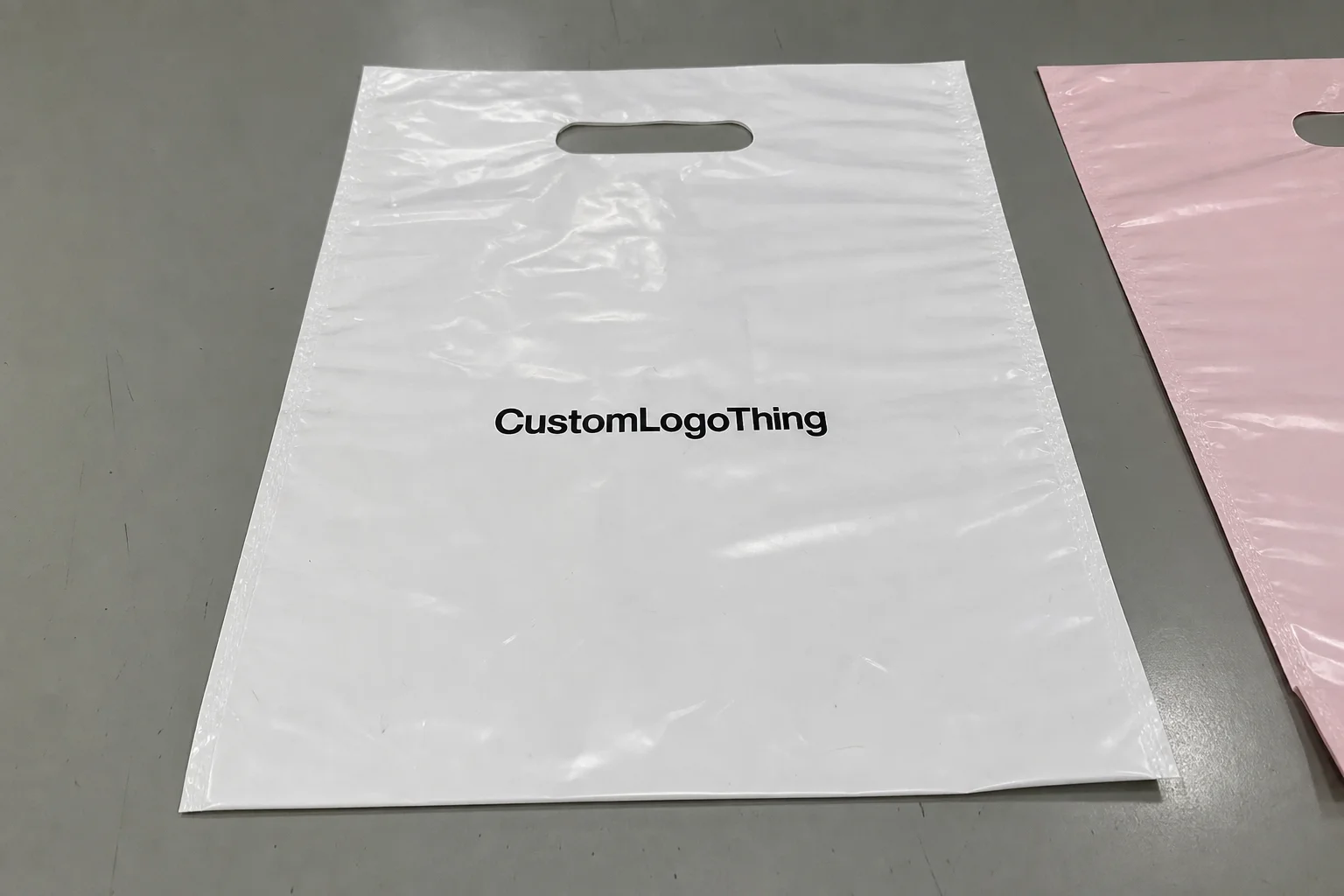
Waterproof Apparel Mailers Sample Approval Checklist Guide
Approving packaging for shirts, hoodies, or folded sets is where small spec mistakes become real costs. A Waterproof Apparel Mailers Sample Approval Checklist is less about paperwork and more about catching the failures that a PDF cannot show: weak closure, a tight fit, print scuffing, or a moisture claim that does not match the actual film.
Flexible mailers fail in ordinary ways. A seal can look fine and still open after a few packing cycles. A size can work for a tee and fail for a sweatshirt. A print proof can look sharp on screen and still scuff once cartons move across rough surfaces. Those are the problems that drive reorders, returns, and extra labor.
For DTC, retail replenishment, and subscription apparel, the sample is cheaper than the mistake. If the mailer slows packing by even a few seconds, that turns into measurable labor on every run. The checklist should focus on the details that affect specs, cost, MOQ, lead time, decoration, and inspection.
Start With the Failure Points That Cost Reorders
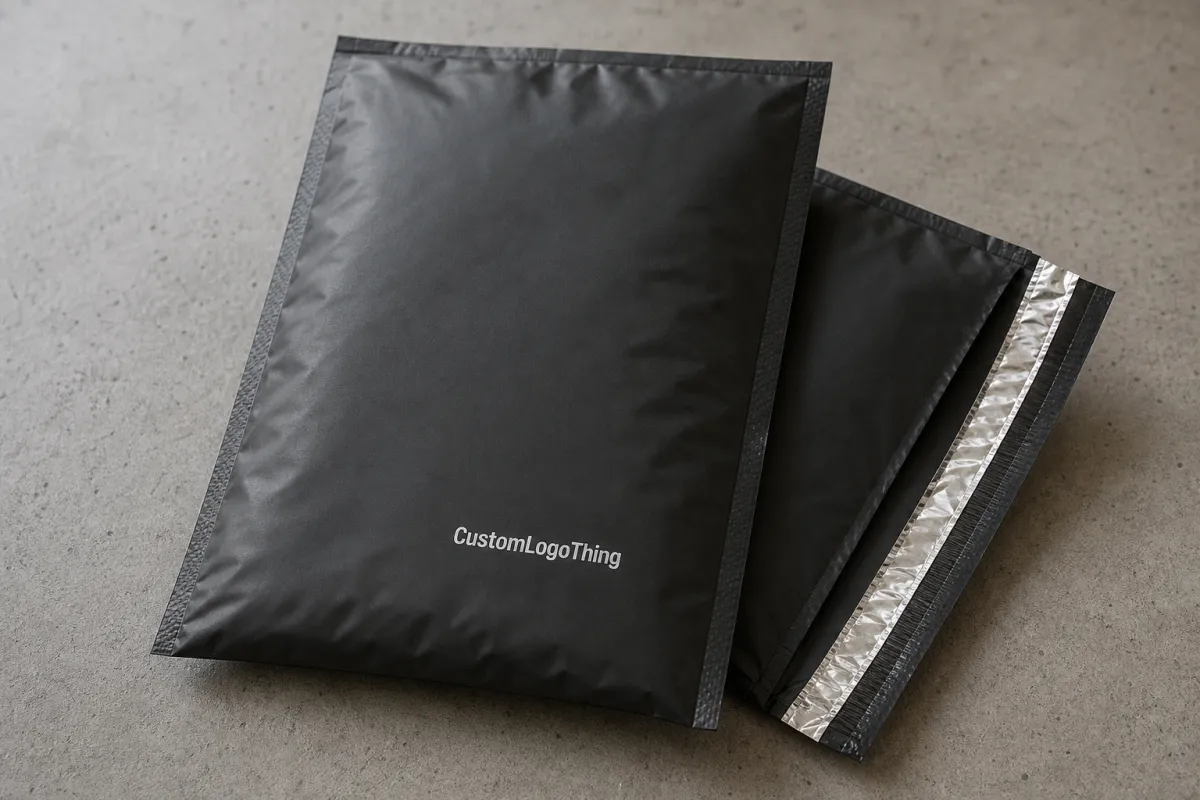
Do not treat a waterproof mailer like a standard poly bag. Apparel changes the load. A folded cotton tee is forgiving, but a hoodie, sweater, or mixed garment set can push the same bag past its comfortable range.
Weight is only part of the equation. Fold shape, loft, and how the item sits inside the bag matter just as much. A product that looks light can still require more internal room than expected once it is packed for shipping. That is usually where reorder pain starts: not with a dramatic failure, but with a spec that was almost right.
The common trouble points are predictable. Adhesive can grab too early and slow packing. The seal margin can be too narrow. The finished size can work for one SKU and fail on another. Print can land too close to a fold line and distort after loading. These are basic mismatches between the sample and the actual item.
A sample is not a display piece. It is a test case. If it does not survive warehouse handling, production will not fix it.
Start the review by asking what happens when the mailer is squeezed, stacked, rubbed, dropped, or exposed to damp handling. If the answer depends on ideal conditions, the sample is not ready. For teams comparing formats, it can help to review adjacent options such as Custom Poly Mailers or broader assortments in Custom Packaging Products.
What the Waterproof Apparel Mailers Sample Approval Checklist Covers
The checklist should cover three things: the artwork proof, the physical sample, and any revised sample after changes. If one of those is missing, approval is incomplete. A good proof does not prove the closure works. A good sample does not prove the print transferred correctly.
Most buying teams separate approval into cosmetic review and functional review. Cosmetic approval covers color, logo placement, finish, and presentation. Functional approval covers size, closure strength, moisture resistance, puncture resistance, and pack-out performance. Keeping those separate prevents a mailer from being approved because it looks right but ships wrong.
Different teams usually focus on different risks. Brand cares about appearance. Procurement cares about price and consistency. Fulfillment cares about load speed, seal reliability, and whether the bag behaves well on the line. If one group approves in isolation, surprises usually show up in the warehouse.
Request these sample types for a clean review:
- Artwork proof: verifies layout, copy, colors, and scaling before build.
- Pre-production sample: checks structure, film feel, closure, and fit.
- Revised sample: confirms any change to size, print, or sealing details.
That sequence matters because each step removes a different risk. Teams still skip it and approve from a PDF, then discover that the white ink is thinner than expected or the finished bag is slightly off in a way that affects packing.
Key Specs to Lock Before You Approve the Sample
Start with usable dimensions, not catalog dimensions. The folded garment needs enough tolerance for real packing conditions. If the bag is too tight, closure gets awkward and seams take stress. If it is too loose, the package shifts in the carton and looks sloppy.
Material specification matters just as much. For waterproof apparel packaging, confirm film type, gauge, puncture resistance, opacity, and moisture barrier. A supplier saying “waterproof” is not enough. Ask whether the mailer is splash resistant, moisture resistant, or built to keep contents dry through wet handling and transit exposure.
Most apparel mailers use polyethylene or a coextruded structure, often in the 2.5 to 4 mil range for everyday retail use. Heavier programs may need more thickness, but thicker is not always better. It can improve durability and also add stiffness, raise cost, and slow packing.
Closure performance should be tested, not assumed. Check how the adhesive behaves after liner removal, during dry-hand handling, and after any intended open-close cycles. A strip that bonds too aggressively slows the line. A weak strip creates returns and damage claims.
Print details need the same attention. Confirm PMS values, white ink coverage, placement, and rub resistance. A crisp proof can still fail once it is stacked, touched by gloved hands, or slid against rough board. Packaging print lives in friction, not in a mockup.
Also verify any feature that changes how the bag performs:
- Tear strip: should not weaken the body or interfere with sealing.
- Return strip: adds convenience, but also adds cost and another failure point.
- Vent detail: helps if trapped air affects pack-out density or carton closure.
- Recycled-content claim: should match supplier documentation, not just a sales line.
For formal testing language, buyers often reference ISTA and ASTM. Those standards do not replace a fit test with the actual garment, but they help define the inspection frame. For general packaging guidance, the ISTA and Institute of Packaging Professionals are useful starting points. Sustainability claims should be checked against supplier documentation and, where relevant, the EPA recycling guidance.
| Check Area | What to Confirm | Why It Matters |
|---|---|---|
| Dimensions | Finished size, usable interior space, tolerance | Prevents tight fits and packing jams |
| Material | Film type, gauge, barrier, puncture resistance, opacity | Determines durability and water protection |
| Closure | Adhesive strip, reclosure strip, seal behavior | Controls security and packing speed |
| PMS, placement, rub resistance, white ink coverage | Protects brand appearance in transit | |
| Claims | Waterproof wording, recycled content, compliance support | Avoids unsupported marketing claims |
If the sample misses the paper spec and the physical feel, stop there. A good quote does not cancel out a bad bag.
Process and Timeline: How Samples Move From Proof to Approval
A clean sample workflow starts with an artwork proof, moves to a sample build, then shipping, testing, revision if needed, and final approval. That order matters because each earlier stage is cheaper than the next one. Problems usually show up when artwork changes after the sample is already in transit or when approval happens before the warehouse tests fit.
Timing depends on complexity. A stock-size mailer with simple print may move from proof to sample in about 7 to 10 business days. Shipping can add another 3 to 7 business days depending on location and freight method. A custom size, special closure, or multi-step print build usually takes longer. Two to four weeks from first proof to final approval is a realistic planning window when responses are prompt.
Late artwork files, missing Pantone references, vague spec notes, and last-minute claim changes are the most common delays. Most of those delays come from unclear internal instructions, not the factory.
A practical approval calendar should include four dates:
- Approval date: when the final sample is accepted.
- Revision deadline: the cutoff for requested changes.
- Production start window: when the supplier may begin the run.
- Freight target: when cartons need to reach the warehouse.
A checklist only works if someone owns the schedule. Without a deadline, “approved” becomes “almost approved,” which is a slow way to miss launch.
Pricing, MOQ, and Unit-Cost Checks Before You Approve
Packaging cost is more than the unit price on the quote. It includes print colors, gauge, closure style, setup fees, sample charges, freight, and the cost of getting the spec wrong. Lower-volume orders usually carry a higher per-unit cost because setup is spread across fewer pieces.
MOQ changes both price and risk. A lower MOQ lets you test the design without overbuying, but unit cost usually rises. A higher MOQ can lower unit cost, but it increases the pain if the sample is wrong. Buyers should choose that tradeoff deliberately.
When comparing suppliers, the assumptions need to match:
- Same finished size
- Same material gauge
- Same print coverage
- Same pack count per carton
- Same freight term
On apparel mailers, pricing varies widely because structure and volume matter so much. A simple stock-style run at scale might land around $0.10 to $0.18 per unit, while a smaller custom run with heavier film, special print, or reclosure features can move into the $0.20 to $0.40 range or higher. Sample charges may be nominal, or they may include tooling and freight.
A proper quote should show landed cost, setup or plate charges, sample charges, freight, and reprint terms. If the supplier will not define what happens when the sample fails, that matters. It shows who carries the cost of correction.
If your program uses more than one packaging format, compare the mailer against broader options in Custom Packaging Products. Sometimes a small structure change saves more in packing labor than it adds in material cost.
Common Approval Mistakes That Blow Up Apparel Orders
Approving from a mockup only is the first mistake. A mockup shows design intent, not how the mailer behaves under load. The second mistake is testing an empty sample. Empty packaging is flattering because nothing is asking anything of it.
The more useful test is practical. Load the mailer with the actual folded garment weight and size, then check seal closure, handling, and crush resistance. Do a shake test, a drop test, and a rub test against itself and a rough carton edge. If the product ships in humidity or cold storage, test there too.
Verification of claims is another weak point. If a supplier says waterproof, recycled content, or compostable, ask for supporting documents. Marketing language is not enough. Environmental claims need to match the actual material and any proof the supplier can provide.
Internal alignment fails often as well. Brand approves the print. Fulfillment finds the closure awkward. Procurement celebrates the price. A packaging order is only truly approved when appearance, function, and production speed all hold up on the same sample.
If one team signs off on appearance and another team has to live with the packing rate, the order is not really finished.
Do not ignore the second-order effect on the supply chain. A bag that adds width can change carton fill. A heavier film can change freight weight. A clingy adhesive can slow packers enough to require another station. Packaging decisions often show up as labor decisions.
Next Steps After Approval: Lock Specs and Place the Order
Once the sample passes, turn it into a locked spec sheet. Include finished size, film gauge, print art, closure type, carton count, tolerance, and any handling notes. The approved sample should become the reference for production, not a loose example.
Ask for a signed approval record so the factory, sourcing team, and warehouse all work from the same document. That simple step avoids the most common post-approval dispute: someone remembered a detail differently.
Then schedule production with realistic buffers for freight, customs if relevant, and a backup sample if the warehouse wants a line check before receiving. Apparel packaging orders often slip because the ship date is treated as a wish instead of a constraint.
Keep the Waterproof Apparel Mailers Sample Approval Checklist in the reorder file, not in one person’s inbox. Reorders drift when teams rely on memory. Files get renamed, art gets resaved, and the first version that worked well starts to feel hard to reproduce.
What should a waterproof apparel mailers sample approval checklist include?
Include dimensions, film type, gauge, closure type, print placement, adhesive performance, and a real-world fit test with the actual folded garment. Record who approved the sample so later changes do not create production confusion.
How many sample rounds are normal before approval?
One round is common for straightforward stock-print work with clear specs. Two or three rounds are normal when structure, material claims, or print complexity change. If the first sample fails warehouse fit tests, expect another round.
What tests should I run on a mailer sample for apparel?
Load the mailer with the real garment weight and size, then check seal closure and handleability. Do a shake, drop, and rub test to see whether the adhesive, seams, and print hold up. Test in humid or cold conditions if that is how the product ships.
How does MOQ change the approval decision on custom apparel mailers?
A lower MOQ lets you test the design without overbuying, but it usually costs more per unit. A higher MOQ can reduce unit cost, but it raises the risk if the sample is not right. Ask for price breaks so you can choose between risk and savings deliberately.
What do I confirm before final sign-off on the sample?
Confirm final artwork, Pantone references, dimensions, and closure specs against the approved sample. Confirm freight timing, reprint terms, and who owns the approval record internally. Do not sign off until brand review and fulfillment testing both pass.