If you are asking for a Waterproof Apparel Mailers supplier quote for electronics sellers, you are usually solving a packaging problem with more than one moving part. The mailer has to protect soft goods, survive damp handling, look presentable at the door, and stay light enough that freight does not eat the margin. A corrugated carton can do some of that, but it also adds weight, storage volume, and often more cost than a soft-pack format needs.
For electronics sellers, these mailers are not limited to apparel. They work for bundled merch, promo wear, cable kits, soft accessories, return kits, and fulfillment inserts that need a moisture barrier without the bulk of a box. That is why the quote matters. A Waterproof Apparel Mailers Supplier Quote for electronics sellers becomes useful only when the supplier understands the actual packed item, transit conditions, and print expectations instead of pricing a generic bag.
There is a reason this category keeps showing up in buyer conversations: one damp delivery can create a packaging problem that looks minor on paper but is expensive in practice. A customer may still keep the product, yet the brand impression is already damaged. Replacements, complaints, and re-shipments add up quickly.
Why electronics sellers use waterproof mailers for apparel returns and accessory shipments
A wet porch, a cross-dock transfer in bad weather, or a warehouse stack sitting near a loading bay can leave an outer pack looking careless before the customer even opens it. Electronics brands are especially vulnerable to that first impression because the packaging often acts as a stand-in for product quality. If the mailer arrives limp, stained, or torn, the customer may assume the rest of the experience will be equally sloppy.
Waterproof mailers are a practical answer when the contents are soft goods or compact accessories rather than fragile hardware. The outer pack can resist light rain, splashes, and humid storage better than a paper-based alternative, while remaining lighter than a carton. That matters on shipping programs that run by the thousands, because a few grams per unit can become a noticeable freight difference across an entire quarter.
There is also a workflow angle. Soft packs are faster to seal, easier to store, and less expensive to handle in tight packing areas. For apparel returns, distributor-issued promo shirts, wrist straps, cleaning cloths, or small accessory bundles, a well-sized waterproof mailer can reduce rework. It keeps the item protected without forcing the team into oversized packaging that wastes space and tape.
One distinction buyers often blur is water-resistant versus waterproof. Water-resistant films may shed moisture for a short period, but a more protective multi-layer structure and tighter seal design do a better job of blocking liquid ingress. That distinction matters if the packaging will be exposed to weather, humid storage, or repeated handling before the customer receives it. It also matters if you are making any internal quality claim that depends on a consistent barrier.
From a packaging buyer’s point of view, the best mailer is the one that reduces exceptions. Fewer damaged presentations mean fewer replacements, fewer returns triggered by ugly outer packaging, and less time spent fixing orders that should have shipped cleanly the first time. That is where a precise Waterproof Apparel Mailers Supplier Quote for electronics sellers stops being a buying exercise and starts functioning as a cost-control tool.
“If the mailer survives the sort center, the rain, and the shelf stack, you usually save money twice: once in fewer damages and again in fewer complaints.”
Product details: film structure, sealing, and print options for branded mailers
Most waterproof apparel mailers begin with polyethylene film. In custom programs, buyers will often see PE film, co-extruded polyethylene, or multi-layer film specifications. The choice is not cosmetic. Single-layer PE can be adequate for lighter applications, while co-extruded film usually offers a better balance of flexibility, puncture resistance, and moisture control. Multi-layer structures may add stiffness, improve barrier behavior, or create a more stable print surface depending on how the layers are designed.
Film thickness is where many buying mistakes start. A thin bag may look fine on a sample table and still underperform in a crowded warehouse lane. A heavier gauge improves toughness and often feels more premium, but it also raises material cost and can make folding or sealing slightly less forgiving. The right thickness depends on the load, not on a universal rule. A garment mailer used for lightweight merchandise does not need the same construction as a mailer carrying denser accessory kits or multiple inserts.
Closure design matters just as much as the film. For outbound shipments, buyers commonly choose self-seal adhesive strips or peel-and-seal closures because they are fast on the line and produce a consistent close. If returns are part of the workflow, a dual-seal or tamper-evident setup may be more practical. That is particularly relevant for electronics sellers that include apparel or soft accessories in a program where the same pack may travel out, then come back through the system. If that is the use case, it should be stated in the quote request rather than added later.
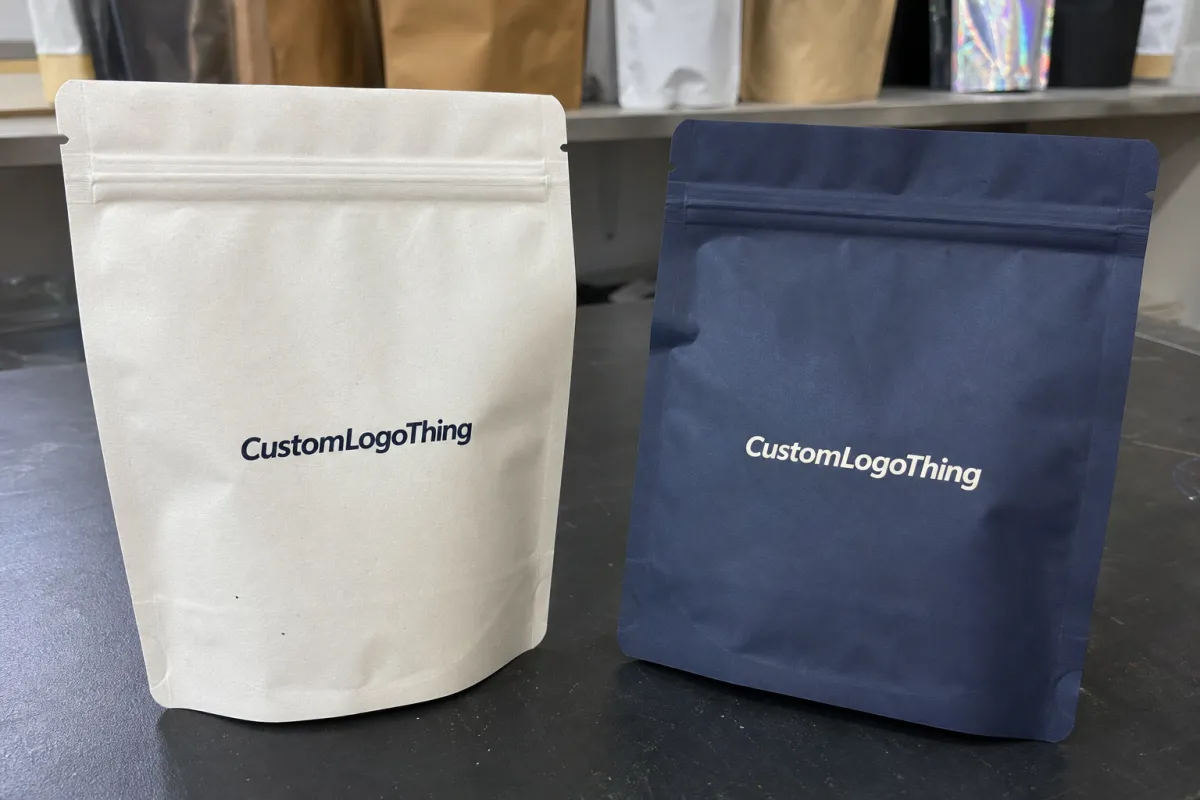
Print options are more flexible than many teams expect. A custom mailer may carry a one-color logo, a spot-color brand mark, a handling message, a QR code, or a barcode zone. Some buyers go with a full-surface graphic if the film and print method support it. For electronics brands, that can be useful on mailers used for launch kits, membership gifts, or soft-merch orders tied to a product release. Keep in mind that a more complex print layout adds setup and proofing time, and sometimes increases scrap risk if the artwork is crowded.
Opacity also deserves attention. A high-opacity or solid-color film can improve privacy and give the package a cleaner retail appearance. A translucent finish may be acceptable for internal fulfillment, but it does less for presentation and content concealment. If the product mix includes branded apparel and small accessories, most buyers prefer the more opaque route because it improves the look of the shipment and reduces what can be seen through the bag.
Size should follow the packed profile, not the flat item dimensions. This is one of the most common places where quotes go wrong. Too much empty space makes the bag look sloppy and can lead to inconsistent seals or awkward handling. Too little room can stress the closure and make packing slower. A supplier can price correctly only if they know the actual folded or bundled item, including any inserts or inner packaging.
Specifications buyers should confirm before requesting a quote
A clear quote starts with accurate measurements. At minimum, collect the width, length, flap allowance, and usable interior space after the seal is applied. If the item is a folded garment, a soft accessory bundle, or a return kit with inserts, describe the shape as well. Suppliers can estimate from a photo, but they cannot quote responsibly from a vague guess.
Film thickness is usually listed in microns or mils. The number is not just technical noise. Thickness affects puncture resistance, seal stiffness, and how the mailer feels in hand. A lightweight promotional mailer might work at a thinner gauge, while a heavy accessory kit or mixed-item bundle may need something more substantial. If you are comparing a Waterproof Apparel Mailers Supplier Quote for electronics sellers across multiple vendors, make sure the thickness is identical before you draw conclusions from the price.
Seal performance is another point that deserves direct confirmation. Ask about edge weld quality, closure adhesion, and whether the design needs a tear strip, a return strip, or a reinforced seal area. A bag that performs well on the first close may still be a poor fit if the pack flow requires repeated opening, re-closing, or internal reuse. The quote should reflect the actual handling pattern.
Artwork details can create delays if they are not sorted early. Ask which file formats are acceptable, where the logo will sit, how much bleed is required, and whether there are any limits on ink density or fine text. Thin outlines, small type, and low-contrast designs can become hard to read on dark or glossy films. That is not a design flaw so much as a production reality.
Compliance and material documentation should also be part of the request. If your team needs recycled-content information, sustainability claims, or specific handling notes, confirm whether the supplier can document those points clearly. If broader packaging references are useful during internal review, the Packaging School and industry resources at packaging.org are a practical starting point. For paper-based components or certification checks, the Forest Stewardship Council at fsc.org is relevant where paper is involved.
| Spec Area | What to Confirm | Why It Matters |
|---|---|---|
| Dimensions | Width, length, flap, usable interior space | Affects fit, seal quality, and freight efficiency |
| Film | PE, co-extruded PE, or multi-layer film; thickness in microns or mils | Drives moisture resistance, puncture performance, and feel |
| Closure | Self-seal, peel-and-seal, tamper-evident, return-ready | Impacts pack speed and return handling |
| Logo colors, coverage, barcode zones, bleed, file format | Changes setup, proofing, and production time |
Cost, pricing, MOQ, and what changes your unit cost
Most buyers want a quote that is fair, comparable, and free of surprises. The main drivers are material grade, film thickness, bag size, print complexity, and order quantity. A stronger adhesive, a more detailed print layout, or a special finish will raise the unit price. That is expected; the real question is whether the added cost is tied to a real operational benefit.
MOQ, or minimum order quantity, is part of the economics of custom packaging. Setup work, print preparation, and run efficiency all need to be spread across the order, which is why larger runs lower the per-piece cost. As a rough buyer reference, a simple stock-size custom-printed mailer may land around $0.18-$0.28 per unit at 5,000 pieces, while a heavier or more customized build can move higher. Smaller runs usually cost more per unit because the fixed costs are being absorbed by fewer pieces.
Fully custom dimensions usually cost more than stock sizing. That is not arbitrary. The bag size affects material yield, tooling, and sometimes the converting process itself. Artwork coverage has a similar effect. A one-color logo in the corner is a very different job from a full-surface print with tight registration and more setup steps. If you are comparing a waterproof apparel mailers supplier quote for electronics sellers from several vendors, line up the exact dimensions, material, and print assumptions before you compare prices.
Closure style and special features can also move the number. Tear strips, dual adhesive lines, perforations, and tamper-evident details add material or handling steps. They may be worth the extra cost, but only if the program uses them. Freight matters as well. A low unit price is less attractive if the delivery terms are unclear or the cartons are oversized and costly to move. A quote that excludes freight is not wrong, but it is incomplete.
One buyer habit saves a lot of time: compare like-for-like. If one supplier quotes a 50-micron bag, another quotes 70 microns, and a third includes setup but not freight, the lowest number may not be the best value. Ask for a line-item breakdown so you can separate unit cost, tooling, proofing, freight, and optional features. That is the cleanest way to judge a waterproof apparel mailers supplier quote for electronics sellers without getting misled by the headline figure.
For teams narrowing the packaging spec, it can also help to review Custom Packaging Products or compare with Custom Poly Mailers if the construction decision is still open.
Process and timeline: from quote request to production approval
The quoting process should be straightforward, but it only works if the inputs are specific. Start with dimensions, quantity target, material preference, print requirements, and delivery destination. If the mailer is intended for outbound apparel, accessory kits, or return use, say that clearly. A supplier can price more accurately when the use case is obvious.
Artwork review usually follows. The supplier should check file quality, confirm whether the logo will reproduce cleanly on the selected film, and send a proof before production begins. If color matching is sensitive, ask how the proof will be handled and whether a pre-production sample is advisable. For brand-facing shipments, that extra step is often worth the time because it catches issues before they become full-run mistakes.
Fit verification matters too. If the packed item is unusual, or if the same mailer will be used across several SKUs, a sample can reveal problems that a dimension chart will miss. This is especially true for a waterproof apparel mailers supplier quote for electronics sellers where the same bag may need to handle both soft goods and compact accessories inside one fulfillment operation.
Production usually follows a predictable sequence: film sourcing or extrusion, printing, sealing or converting, inspection, packing, and freight coordination. The exact route depends on whether the supplier is working from stock film or making a fully custom build, and whether the order includes special features. Timeline varies, but a straightforward custom run often takes 12-15 business days after proof approval. More complex projects can take longer if they require special tooling, additional sampling, or a layered print specification.
If the schedule is tight, say so early. Suppliers can often adjust the run plan, but only if they know the deadline before artwork and sample approvals become bottlenecks. Late artwork changes, unclear size calls, and unapproved samples are the most common reasons a quote turns into a delay.
What makes a supplier dependable for electronics packaging programs
Responsiveness is not a soft skill in packaging; it directly affects production control. A dependable supplier answers quote questions quickly, spots missing information before it becomes a mistake, and keeps status updates clear during proofing and production. For buyers managing multiple SKU lanes, that kind of communication helps keep replenishment predictable.
Consistency matters just as much. You want stable dimensions, uniform seals, and repeatable print registration from one run to the next. A mailer that is slightly off size may not sound serious, but on a busy pack line it can slow everything down. The same is true for adhesive performance. If seals vary too much, teams start checking every bag by hand, and labor costs creep up in places the spreadsheet does not always catch.
Documentation is another sign of a serious supplier. Clear spec sheets, approved proofs, carton counts, and packing details help receiving teams inspect the shipment without guesswork. If the warehouse wants one carton count per SKU or a specific outer label format, that should be stated early. Clean paperwork is part of a dependable waterproof apparel mailers supplier quote for electronics sellers because it reduces intake friction downstream.
Flexible support also matters. Seasonal promotions, product drops, and mixed-size programs often create short windows where the packaging has to be ready on time and in the right quantities. A supplier that can support stock-based items and custom runs gives the buyer more room to manage demand swings. That flexibility is useful for electronics sellers because the packaging need often shifts between apparel, accessories, and inserted promo materials.
For buyers who track standards, it helps if the supplier speaks plainly about testing and material control. Depending on the program, references may include ISTA transit testing expectations, adhesive or film performance checks, and material certification requirements. If the packaging will be tested under a formal distribution protocol, ask about that early rather than after approval. The International Safe Transit Association at ista.org is a useful reference for shipment testing and transit performance frameworks.
Dependability shows up in the small things: an accurate proof, a clean pack list, a correct carton count, and no surprises on the invoice. Those details make a packaging program feel controlled instead of improvised.
How to prepare your request and move to next-step approval
Before you request pricing, gather the exact dimensions, quantity target, artwork files, and desired delivery window. If you can send a reference sample or even a photo of the packed item, do it. That simple step helps the supplier verify fit, seal behavior, and print placement. For a waterproof apparel mailers supplier quote for electronics sellers, those inputs often separate a vague estimate from a usable buying quote.
Ask for a line-item quote. You want to see unit cost, setup, tooling if applicable, freight, and any optional features separately. That makes comparison easier and helps finance or procurement understand where the money is going. If one supplier includes sampling while another bills it separately, you can still compare the true landed cost.
It also helps to confirm your internal approval path before the quote arrives. If artwork needs marketing review, if compliance notes need sign-off, or if purchasing needs a PO threshold approved, handle those in parallel. Otherwise, a ready-to-order quote can sit untouched while people wait on signatures.
If the project is moving forward, request a formal sample or spec-based quote as the next step. That is the most reliable way to lock the structure, confirm the print, and move toward production without guesswork. Teams that want to begin with a direct inquiry can use Contact Us.
FAQ
How do I compare a waterproof apparel mailers supplier quote for electronics sellers?
Match the same bag size, film thickness, closure style, and print coverage across each quote. Then confirm whether freight, proofing, tooling, and setup fees are included or listed separately. Also check MOQ, unit price breaks, and sample availability before you decide.
What material is best for waterproof apparel mailers used by electronics sellers?
Multi-layer polyethylene film is common because it balances moisture resistance, flexibility, and puncture performance. Choose a thickness that fits the product weight and shipping conditions, not just the lowest price. Ask for the exact material spec so you can compare bids accurately.
What MOQ should I expect for custom waterproof mailers?
MOQ varies by size, print method, and whether the bag is stock-based or fully custom. Higher quantities usually lower unit cost because setup and production are spread across more pieces. If you need multiple sizes, ask whether the supplier can combine SKUs to improve pricing.
Can I get printed branding on waterproof apparel mailers without sacrificing performance?
Yes, printing can be added while keeping the same protective film structure if the supplier uses the right inks and process. Keep artwork simple if you want sharper registration and better readability on dark film. Request a proof to confirm logo placement, color, and seal area before production.
What information should I send to get an accurate quote quickly?
Send finished dimensions, quantity, print details, preferred material, and delivery location. Include any performance requirements such as opacity, tamper evidence, or return use. If possible, attach a sample or reference photo so the supplier can verify fit and structure.
If you are sorting out the final details, the next step is practical: request a formal sample or spec-based estimate, compare the line items carefully, and make sure the quote reflects the actual use case. A well-prepared waterproof apparel mailers supplier quote for electronics sellers should give you a clear read on material, size, MOQ, pricing, and lead time before an order is placed.