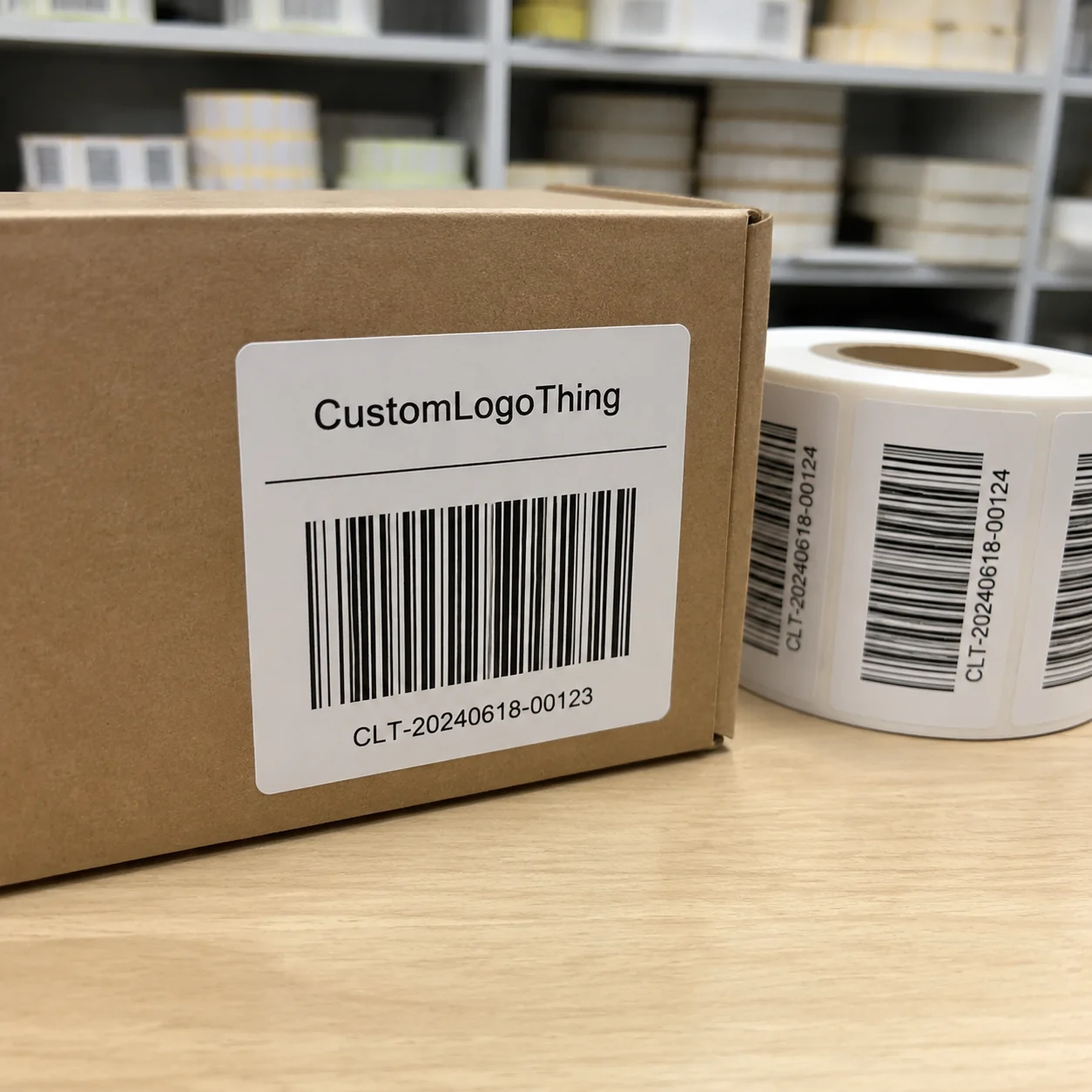
When a branded hoodie, polo, or welcome set leaves the packing table, the package has already been through one fragile stage: folding, inserting, sealing, and labeling. The next stage is less forgiving. Warehouse dust, carrier handling, temperature swings, and the occasional damp loading dock can all affect how the gift arrives. That is why a Waterproof Apparel Mailers supplier quote for corporate gifting teams should begin with protection, not just artwork.
For corporate gifting programs, packaging does more than hold clothing in place. It shapes the first impression, influences the perceived value of the gift, and determines how much time the team spends correcting avoidable damage. A good waterproof apparel mailer keeps garments clean, resists scuffs and moisture, and gives the parcel enough structure to look intentional on arrival. Compared with rigid cartons, it can also be lighter and easier to store, which matters when the order volume climbs.
The mistake many teams make is treating the mailer as a commodity with a logo on it. In practice, packaging choice affects rework costs, shipping dimensional weight, and brand consistency. A damaged mailer can trigger replacement garments, reprinting labels, re-kitting the order, or a second shipment. On a campaign with hundreds or thousands of units, those errors compound quickly.
Why corporate gifting teams need waterproof mailers that arrive presentation-ready
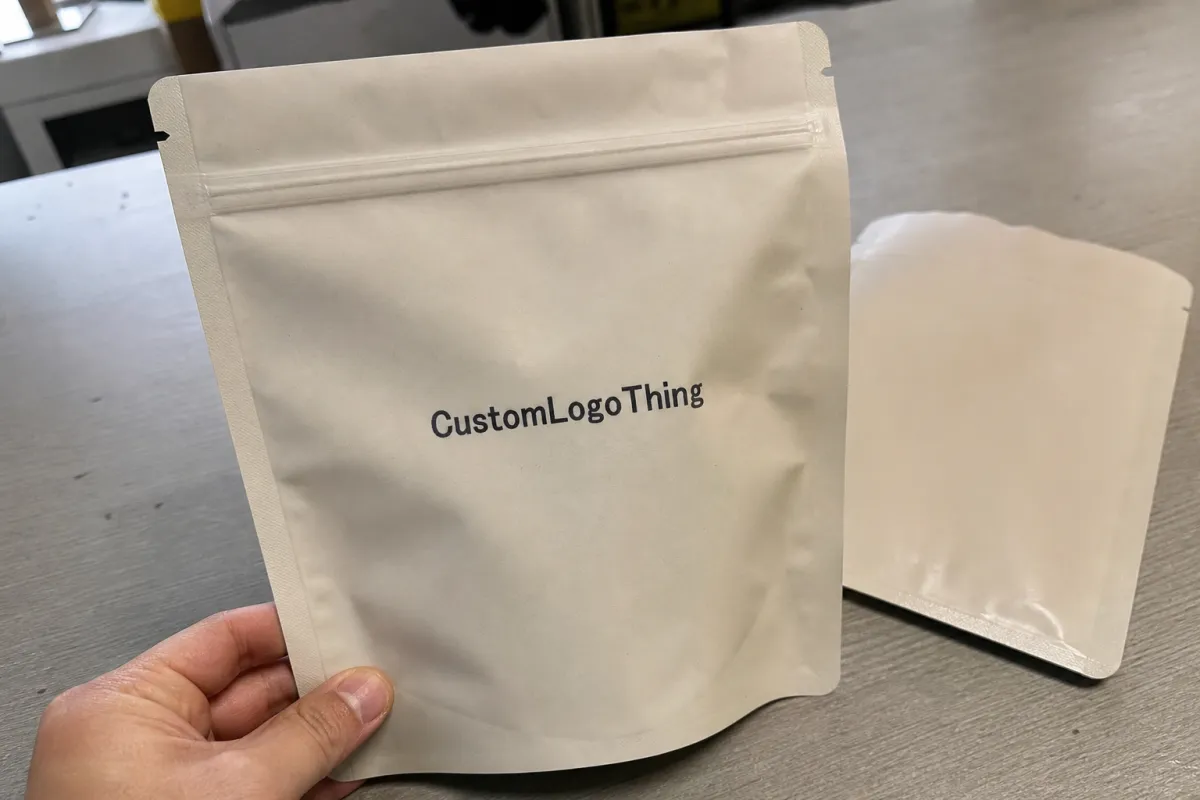
Branded apparel often moves through a rough chain. It may be packed in bulk, sorted by a third-party fulfillment team, loaded onto pallets, trucked to a distribution center, and finally handed to an office mailroom or home address. That journey exposes the package to moisture in ways that are easy to underestimate. Sometimes it is not rain in the dramatic sense; it is condensation, a wet curb, or a parcel that sat outside for ten minutes longer than expected. Even a small exposure can wrinkle fabric, dull a printed box, or make a premium kit look tired before the recipient opens it.
That is why buyers asking for a Waterproof Apparel Mailers supplier quote for corporate gifting teams usually care about two things at once: barrier performance and presentation. The mailer has to protect the contents, but it also has to fit the brand tone. For employee welcome kits, client gifts, sales incentives, and event giveaways, the outer package is part of the gift. If it feels flimsy, oversized, or underfinished, the whole experience loses weight.
Most budget pressure shows up later, not at the quoting stage. A low-cost mailer that tears in transit is expensive in disguise. The real cost includes replacement garments, labor spent reworking the order, and delayed delivery to recipients who expected the gift to arrive on time. For procurement teams, that is not abstract waste; it is a measurable operational failure.
“The best apparel mailer is the one nobody has to troubleshoot after shipping. It protects the contents, carries the brand, and stays out of the way.”
For teams comparing options, a custom poly mailer or laminated apparel mailer often sits in the middle ground between a plain shipping bag and a full carton. It can deliver better presentation than a basic envelope while staying more cost-controlled than rigid packaging. If you need a structure reference before you request formal pricing, Custom Poly Mailers are usually the closest Fit for Apparel campaigns.
If the sourcing conversation needs to include other packaging formats, the range on Custom Packaging Products can help internal buyers compare options before lock-in. That comparison is useful because the same gift can look polished in several formats, but the cost profile and production complexity are not the same.
Product details: material options, closure styles, and print formats
Most Waterproof Apparel Mailers are built from polyethylene film. In practice, the common choices are LDPE, co-extruded poly, or laminated constructions. LDPE is flexible and familiar, which makes it practical for standard apparel shipments. Co-extruded film can improve strength and tear behavior without making the mailer feel overly stiff. Laminated structures are used when the campaign needs a more premium appearance or a heavier barrier profile.
Material choice has a direct effect on handling. A softer film folds more easily and may be better for flat garments. A stronger film can better resist puncture from zippers, buttons, or accessory edges inside the package. For premium kits, buyers often want both a clean look and enough stiffness that the mailer does not collapse into a wrinkled pouch. That balance is where the spec has to be precise.
Closure style matters more than many buyers expect. A peel-and-seal adhesive strip is the most common option because it is fast, clean, and suitable for high-volume fulfillment. For controlled distribution or multi-use programs, tamper-evident or dual-strip closures may be more appropriate. If the order includes return handling or reusability, a second adhesive strip can be worth the added cost.
Printing is where branding becomes visible. Flexographic printing is common for larger quantities and simple artwork, especially one- to three-color logos. Gravure may be considered for demanding print quality or larger-scale runs, but setup requirements are higher and the economics make more sense at volume. For some gifting programs, a one-color logo on black or white film is enough to create a polished result, provided the proportions are right and the placement is deliberate.
Finish changes the impression more than many teams expect. Matte films tend to read as modern and understated. Gloss surfaces reflect more light and can feel brighter, though they may show scuffs more readily. White film looks clean and minimal. Black film tends to hide contents better and can feel more premium when the recipient should not see what is inside before opening.
Size is equally important. A mailer that is too large creates dead space, looks wasteful, and can increase dimensional shipping costs. A mailer that is too tight stresses the closure line and makes packing slower. For folded apparel, the dimensions should reflect the garment type, not just the logo layout. A folded T-shirt, a hoodie, and a two-piece kit do not belong in the same envelope size unless the fit is confirmed in advance.
Gussets, QR codes, and interior branding can add value, but each should have a reason. A gusset helps with thicker garments or small kits. A QR code can route recipients to a landing page, redemption form, or welcome message. Interior print can add a surprise element, though it raises print complexity and should be reserved for campaigns where the added cost is justified by the brand value.
| Mailer option | Best use | Typical price impact | Notes |
|---|---|---|---|
| Stock-size LDPE mailer with one-color print | Employee apparel drops, basic event giveaways | Lowest setup cost | Works well for standard folded tees and simple branding |
| Co-extruded custom poly mailer with matte finish | Client gifts, onboarding kits, branded merchandise | Moderate | Better feel and stronger presentation without heavy carton cost |
| Laminated custom mailer with dual adhesive strip | High-value gifting, reuse programs, return-ready kits | Higher | Useful when closure performance and appearance matter most |
For a useful quote, the supplier needs more than artwork. They need to know the actual gift format. A folded T-shirt has a very different bulk profile from a fleece hoodie. A polo, beanie, and card insert behave differently inside the same envelope. That is why a Waterproof Apparel Mailers Supplier Quote for corporate gifting teams should be based on the packed contents, not a logo and a guess.
Specification checklist for branded apparel mailers
Before anyone asks for pricing, the spec sheet should be concrete. The most useful starting points are width, length, gusset depth, film thickness, seal strength, print coverage, and finish. That may sound basic, but ambiguity here is exactly how quotes drift. If one person is thinking 12 x 15 inches and another is thinking 14 x 19, the resulting numbers will not be comparable.
Thickness deserves close attention. A thinner film lowers cost, but it may feel less substantial and can be more vulnerable to puncture. A heavier film usually improves durability and handling, though there is a point where the buyer pays for strength they do not actually need. For many apparel mailers, the useful range sits in the middle: solid enough to survive handling, light enough to remain economical.
Film thickness is often discussed in mils or microns. Buyers should ask for the exact measurement rather than vague labels like “standard” or “premium.” Those words mean different things across suppliers, which makes it difficult to compare quotes or reproduce the same product in a later run.
Fit is the other major variable. A folded T-shirt needs less room than a hoodie or jacket. A one-size-fits-all spec can leave too much air in the package, which hurts presentation and raises shipping costs. Corporate gifting teams should decide early whether the mailer must hold one item, a two-piece set, or a curated kit with inserts and printed cards.
- Dimensions: confirm finished width, length, and gusset depth.
- Film thickness: specify microns or mils, not broad labels.
- Closure: peel-and-seal, tamper-evident, or dual-strip if reuse is needed.
- Print: number of colors, print side, coverage area, and file format.
- Finish: matte, gloss, opaque white, opaque black, or custom tint.
- Fulfillment details: carton pack count, pallet layout, and whether kitting is required.
Artwork readiness affects the schedule more than buyers sometimes expect. Suppliers usually want vector files, accurate brand colors with Pantone references if available, and clear placement instructions. Low-resolution logos slow proofing and can distort the final print. Color consistency matters especially in corporate gifting because the outer package often has to match guidelines already used for apparel tags, signage, and digital assets.
For multi-site distribution, ask whether the mailers are being packed for direct ship or for internal kitting. The answer changes the carton count, protective packout, and sometimes the way adhesive strips are handled during assembly. A mailer that works well in direct-to-recipient shipping may not be the best fit for a warehouse team assembling thousands of units by hand.
Cost, pricing, and MOQ factors that affect your quote
The main drivers of price are material type, size, print coverage, number of colors, finish, adhesive upgrades, and total quantity. A stock-size mailer with one-color print will almost always cost less than a custom-sized opaque laminated mailer with full coverage artwork and a dual adhesive strip. That is expected. The real question is whether the higher spec is justified by the use case.
Minimum order quantity follows production math. Setup costs for plates, press time, color matching, and waste are spread over the whole run. When the order is small, those fixed costs hit each unit harder. Buyers sometimes interpret that as a markup, but it is simply how print production works. If the goal is to reduce unit cost, the main options are to increase quantity or simplify the build.
One practical way to control spend is to remove unnecessary complexity. Fewer print colors help. A stock size helps. A standard finish helps. If the brand can accept a smaller print area, that can trim cost without weakening the presentation. The target is not the cheapest possible bag; it is the strongest balance between appearance, protection, and budget.
Freight and packout details also matter. A quote may look favorable on unit price and then change once carton configuration, pallet count, zone shipping, or rush handling is added. Ask for landed-cost clarity whenever possible so you are not comparing one supplier’s ex-works number to another supplier’s delivered price. Procurement reviews often go sideways because those two numbers are treated as though they mean the same thing.
For planning purposes, it helps to think in tiers:
- Low complexity: one-color logo, stock size, standard adhesive, moderate MOQ.
- Mid-range: custom size, matte finish, two-color branding, stronger film.
- Premium: opaque film, custom print coverage, dual strip, higher barrier feel.
If you are gathering multiple quotes, the specifications must be identical. Otherwise you are not comparing suppliers; you are comparing different products. A tighter procurement note would read: “Request waterproof apparel mailers supplier quote for corporate gifting teams using the same dimensions, film thickness, print coverage, and delivery terms.” That gives the numbers meaning.
Process and lead time from quote to production
The workflow is straightforward, but every step depends on the one before it. First comes inquiry review. Then the supplier confirms dimensions, material, print method, and quantity. After that, artwork is checked and a proof is prepared. Once the proof is approved, production starts, followed by inspection, packing, and shipment. Delays usually happen when one of those inputs is still uncertain.
If faster turnaround matters, send the essential details upfront: target quantity, bag size, film preference, print files, delivery address, and due date. That lets the supplier assess whether the order fits stock materials, whether custom tooling is needed, and how much scheduling room exists. Custom-printed mailers often need more lead time than stock-plus-label solutions, especially if the artwork is detailed or the film has to be sourced to match a specific spec.
Lead time depends on volume and complexity. A simple run with existing materials can move relatively quickly after proof approval. A custom build with special sizing, multi-color printing, or a unique finish generally takes longer. Freight time must be treated separately from production time, because a parcel shipment and a pallet shipment move on very different schedules. Buyers sometimes assume “ship date” means “delivery date.” It usually does not.
Internal approval speed matters too. In corporate gifting, the packaging may need sign-off from branding, procurement, marketing, and sometimes sustainability or legal teams. If those reviews happen one after another instead of in parallel, the schedule stretches. Concise procurement briefs help because they reduce the number of revision cycles.
Seasonal campaigns and onboarding waves need extra planning. A holiday gift campaign, an employee appreciation program, or a conference merchandise drop can move from calm to urgent very quickly. If the mailers are part of a broader kit, build in buffer time for receiving, kitting, verification, and outbound shipment.
Testing references can also help when the order is shipping through rougher routes. Depending on the route and the product, packaging teams may ask about ASTM-style material checks or ISTA transport considerations. For general transport-test context, the ISTA organization is a useful reference point, while PMMI offers broader packaging industry context.
Quality control, compliance, and shipping considerations
Quality control is less about slogans and more about repeatable checks. For apparel mailers, that usually means seam integrity, adhesive performance, print registration, color consistency, and carton pack accuracy. If one of those slips, the buyer may not notice until the order is already in the field, which is the wrong time to discover it. A pre-production sample or reference piece is often worth the extra review step.
Moisture resistance should be treated as a real property, not a marketing claim. A glossy finish does not automatically mean waterproof. A strong-looking outer surface does not guarantee a reliable seam. The build has to be judged as a complete system: film, closure, seals, and handling conditions. For destinations with frequent rain, high humidity, or long outdoor handoffs, that distinction matters.
Some teams also need documentation for sustainability reporting, recyclability claims, or internal compliance review. If the packaging crosses borders, shipping labels, carton markings, pallet wrap, and destination-market rules should be checked early. For sustainability context, the EPA recycling guidance is a sensible starting point, though local rules may differ by region and material.
Shipping damage can often be reduced with better carton packing and pallet discipline. Proper carton counts, secure stacking, clear labeling, and enough overwrap or edge protection all help prevent crushing. If the product is being sent to multiple offices, think through how the cartons will be received and stored. A neat pallet is easier to handle; a poorly wrapped one invites trouble before the mailers are even used.
Sample approval is especially useful for corporate gifting teams because it reveals issues that specification sheets cannot show. A sample lets you check the hand feel, opacity, closure strength, print quality, and the visual fit of the branding before the full order is released. That small checkpoint can prevent a much larger correction later if the finished mailers do not match the intended brand tone.
What to prepare before requesting a supplier quote
A strong brief saves time and gets a better number. Before requesting a waterproof apparel mailers supplier quote for corporate gifting teams, gather the core inputs: quantity, finished dimensions, film preference, finish, number of print colors, closure type, delivery destination, target date, and artwork files. If any of those are missing, the quote is likely to be a placeholder rather than a buying tool.
Context helps too. Are these mailers for employee welcome packs, client appreciation gifts, event merchandise, or internal distribution? That detail tells the supplier whether presentation, returnability, or shipping durability should lead the recommendation. A good supplier will often suggest a practical alternative if the first spec is either overbuilt or underbuilt for the job.
It often helps to ask for three options if the timeline allows. A good-better-best comparison can be useful: one stock-size option, one custom-size option, and one premium finish option. That makes it easier for procurement and marketing to align on cost versus presentation and reduces back-and-forth because the team can see how the unit price changes with the specification.
Before sending the request, check the basics:
- Confirm the garment type and folded size.
- Specify the film thickness or performance target.
- Provide vector artwork and brand colors.
- State the exact shipping destination and required arrival window.
- Clarify whether the order is for direct ship, kitting, or handout use.
If the team wants a reliable starting point and a quote built around real packaging inputs, Contact Us with the details above and ask for a formal review. Exact specs produce more accurate pricing and lead times.
The practical path is simple: prepare the specs, request samples if needed, submit artwork, and ask for a quote that reflects the real use case rather than a generic mailer request. That is what keeps the packaging dependable when it leaves the mockup file and enters the shipping line.
Frequently asked questions
What details should I include in a waterproof apparel mailers supplier quote request?
Include quantity, size, film preference, print colors, finish, closure type, delivery address, and target ship date. Add artwork files and the type of apparel being mailed so the supplier can recommend the right dimensions. Mention whether the mailers are for direct mail, kitting, or handout gifts, since the use case affects the spec.
How do waterproof apparel mailers compare with paper envelopes for corporate gifting?
Poly mailers provide better moisture resistance and tear protection than paper-based options. They are often lighter than rigid packaging, which can help control shipping costs. They can still deliver a premium branded look when print, finish, and sizing are chosen carefully.
What MOQ should corporate gifting teams expect for custom apparel mailers?
MOQ varies by material, print complexity, and supplier setup, but custom printed runs usually cost less per unit at higher volumes. Simplified designs and stock sizes can sometimes support smaller runs with more manageable pricing. Ask for multiple quote tiers so you can compare unit cost at different quantities.
How long does production usually take after artwork approval?
Lead time depends on material availability, print method, quantity, and whether tooling or custom sizing is required. Once proofs are approved, production usually moves faster when artwork is finalized and specifications are locked. Ask the supplier to separate production time from freight time so the delivery window is clear.
Can these mailers support premium corporate gifting without looking like shipping bags?
Yes. With the right finish, opaque film, sharp print, and properly fitted size, they can look polished and intentional. Matte surfaces, clean branding, and consistent color control help elevate the unboxing experience. A good supplier will recommend structure and print choices that match the gift value and brand tone.