Wedding woven label Beanies Bulk Order Planning looks niche, but the buying logic is straightforward: choose a favor guests will actually keep, make the branding small and readable, and lock the production spec before proofing. A beanie works because it is useful after the event, and a woven label makes it feel intentional without adding bulky decoration.
For planners, the order only makes sense if it stays aligned with four decisions: spec, cost, MOQ, and lead time. The rest is execution. If the yarn, label, packaging, and inspection plan are clear, the bulk order is much easier to price and approve. In 2026, wedding woven label beanies bulk order planning for buyers also means checking sustainability claims, freight timing, and packaging waste before the final quote is signed.
Why a Woven Label Beanie Beats a Generic Favor
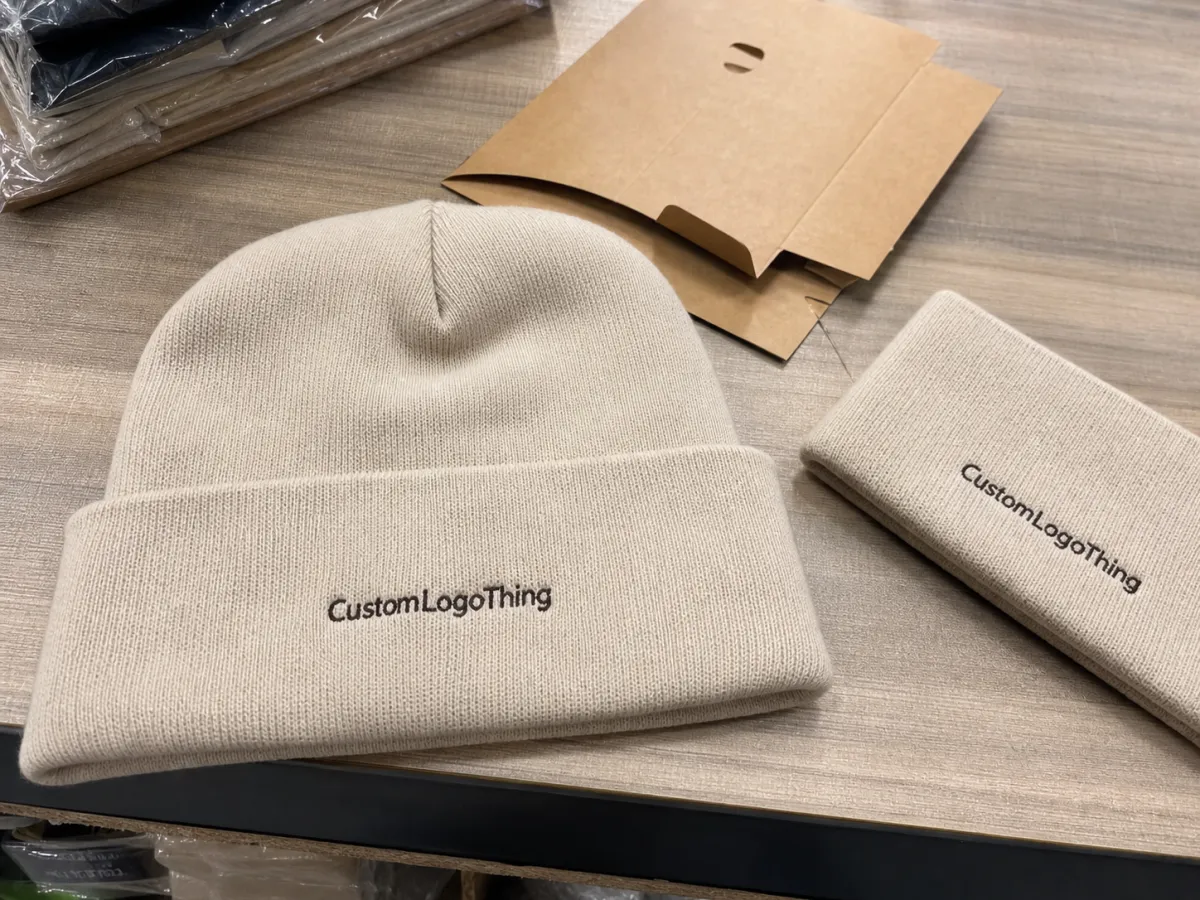
Most wedding favors are remembered for a day and stored for years. A beanie is more practical: it gets worn, photographed, packed, and reused. That makes it a stronger choice when the goal is to give guests something they will not toss after the reception.
The woven label matters because it adds identity without overwhelming the knit. Compared with a large print, a small woven label usually looks cleaner, ages better, and keeps the favor from feeling disposable. This format is useful when buyers want both value and a polished finish.
- Usefulness: a cold-weather favor gets worn instead of displayed once.
- Memory value: initials, names, or a date stay visible without dominating the design.
- Production control: one core item is easier to manage than a mixed favor set.
- Less waste: fewer leftovers and fewer emergency replacements.
If the item still makes sense after the wedding, the rest of the order is easier to justify. For outdoor ceremonies, ski-destination weddings, welcome bags, and late-night send-offs, the beanie can also solve a real guest comfort problem instead of acting only as a souvenir.
Woven Label Styles That Match the Wedding Look
Label placement changes how the beanie reads in photos and in hand. A cuff label is the most visible, a side-seam label is quieter, and a front-fold label works well when the monogram needs to sit squarely in the frame. The best placement is the one that still looks right after the beanie is folded, packed, and worn.
Placement should be chosen for the real product, not just the mockup. If the label is too close to the edge, cuff stretch can distort it. If it sits too high, it may disappear once the beanie is folded. Even a small shift can change how the label reads from across a room.
Artwork style
Simple layouts usually work best: a monogram, a short couple name, or a date with initials. Woven construction can carry detail, but small script fonts, thin serifs, and long taglines often lose clarity at label size. Clean type and strong contrast are safer than crowded artwork.
Damask weaves are usually the best choice for small text because they hold finer detail. Satin labels can feel smoother and more premium, while taffeta is often the more economical option. For 2026 orders, buyers are also asking for softer recycled polyester labels, muted thread palettes, and low-sheen finishes that photograph better under warm venue lighting.
Color and contrast
Color should be checked against the yarn, not guessed from a monitor. A cream label on oatmeal knit can disappear, while a charcoal label on black knit can blend in. The safest combinations create contrast without looking loud, which is why physical swatches are worth requesting.
For teams that want the beanie to match other wedding materials, the label can coordinate with a hang tag, insert, or note card. The beanie label should do the main branding work; the other pieces should support it, not compete with it. Custom Labels & Tags is a useful reference if the packaging system needs to stay consistent across multiple items.
The strongest bulk orders are the ones where the label looks designed for the beanie, not added after the fact.
Beanie Specs Buyers Should Lock Before Proofing
Approving artwork before the product spec is fixed is one of the easiest ways to slow a bulk order. The beanie itself drives fit, comfort, appearance, and price, so start with knit gauge, cuff depth, crown height, and stretch range. Then decide whether the order is one size or a size range.
Material choice changes both cost and hand feel. Acrylic is common because it holds shape, comes in many colors, and keeps pricing predictable. Acrylic-poly blends add softness, while merino and other premium fibers improve perceived value but raise the unit cost. Recycled blends can support sustainability goals, but texture and dye consistency still need confirmation.
Based on recent buyer reviews of custom beanie orders, the most common production issues are not dramatic failures. They are small mismatches: labels that sit 3-5 mm off center, date formats copied from an old proof, or yarn shades that look warmer than the wedding palette. A short pre-production checklist catches most of these problems before they become a full-carton issue.
For a wedding favor, the question is not what sounds best in a quote. It is what will still look good after handling, transit, and a few hours of wear. A favor that will be mailed, worn outside, or paired with a polished unboxing experience may justify better materials than a favor handed out on-site.
Lock these specs before proofing:
- Knit gauge: finer gauges look cleaner in photos; looser knits feel more casual.
- Cuff depth: usually the main display area for the woven label.
- Label size: many buyers stay around 25-40 mm wide for readable small-format branding.
- Label construction: damask, satin, or taffeta depending on detail and texture needs.
- Attachment method: sewn-in, folded into the cuff, or stitched externally.
- Care note: include washing instructions if the beanie is meant to be used repeatedly.
Color confirmation deserves more care than most buyers expect. Ask for named references, not only screen images. A beige on a monitor may arrive as a cooler stone tone, and that difference becomes obvious next to linens, envelopes, and place cards.
If the order will be distributed in person, inspect one full pre-production sample; if it will be mailed, inspect a sample with packaging included. The beanie can be right and still fail if the box compresses the cuff or scuffs the label. Buyers planning a fuller apparel gift set can also compare decoration options in the custom embroidered beanies bulk order planning guide.
Branding Details That Keep Bulk Orders Consistent
Woven label artwork works best when the design is simple and production-friendly. Vector files are the safest starting point. Strong contrast, simplified typography, and minimal color counts usually produce better results than dense line art or crowded copy.
That matters because woven labels are built from thread, not pixels. A design that looks sharp on screen can lose legibility once it is reduced to cuff size. Thin letterforms can close up, small borders can merge, and over-detailed graphics can become muddy. Buyers who simplify early usually get cleaner results later.
Packaging also affects consistency. A plain fold, a clear polybag, glassine bag, recycled paper band, or small insert can protect the knit and make distribution easier. If the order is being shipped to guests, the package has to survive compression and transit. A crushed cuff on arrival can undo an otherwise good specification.
Pack-out control matters just as much as artwork. A 300-unit order with a 5% packing error means 15 missing or duplicated pieces, which is enough to disrupt seating tables, mailers, or venue setup. A good supplier treats count verification and carton labeling as part of the product.
Proof discipline protects the order. Lock spelling, date format, logo proportions, and label position before production starts.
Pricing, MOQ, and Unit Cost Signals to Compare
Per-unit price is only part of the picture. The final cost usually reflects material, knit complexity, label weave, number of colors, packaging, sample requirements, and shipping. A stock acrylic beanie with one-color label art prices very differently from a premium fiber beanie with an insert card and custom packaging.
MOQ changes with customization. If the body color is stock and the label art is simple, the minimum can stay relatively low. Add custom yarn, multiple label colors, or special packaging, and the floor rises because each extra variable needs more setup and quality checks.
| Option | Typical MOQ | 2026 Estimated Unit Cost | Best For |
|---|---|---|---|
| Stock acrylic beanie + one-color woven label | 100-250 units | $3.75-$6.80 | Budget-conscious wedding favors with clean branding |
| Blended yarn beanie + two-color label | 250-500 units | $5.65-$9.25 | Mid-range orders that need stronger texture and color depth |
| Premium fiber beanie + woven label + insert card | 500+ units | $9.50-$16.25 | Higher-touch event favors with stronger keepsake value |
Those bands are planning numbers, not quotes. Ask for landed cost, setup charges, sample charges, and freight separately, because a quote that looks cheaper on line one can become more expensive once packing and shipping are added. It is better to compare breakpoints than chase the lowest headline number.
Tiered pricing deserves attention because a small change in quantity can affect the whole budget. Going from 200 to 250 units may lower the unit cost enough to offset the extra pieces, while going from 450 to 500 may do the same. Good quoting should explain why the price changes at common break points.
For 2026, many buyers are budgeting slightly more for recycled yarn blends, plastic-free packaging, and split shipments to planners, venues, or guest addresses. These choices can improve the guest experience, but they should be quoted as separate lines so the team can decide which upgrades carry real value. This is especially useful for wedding woven label beanies bulk order planning for buyers where the budget may be shared across favors, welcome bags, and day-of stationery.
Process and Timeline: From Artwork to Delivery
The order flow should be simple enough to track in one spreadsheet: quote request, artwork submission, digital proof, sample or pre-production check if needed, production, inspection, packing, and shipment. Each step can move quickly, but vague specs create delays.
For wedding favors, timing is shaped by seasonality as much as material. Straightforward runs often take 12-18 business days after proof approval, then extra time for transit. Complex jobs, premium fibers, recycled yarn sourcing, or custom packaging can take longer, especially during peak wedding or cold-weather seasons.
Three decisions speed up the process: keep the artwork clean, keep the product spec simple, and keep the shipping plan narrow. A single beanie color, one label placement, and one delivery address reduce the chance of error. If the order is being mailed to guests, allow more buffer for address cleanup and rework.
Build in slack before the event date. A 2-5% quantity buffer is often enough to cover minor packing loss, late additions, or a damaged carton. If inserts are included, the timeline should also account for paper sourcing, trimming, and assembly.
Why Buyers Choose a Supplier That Catches Errors Early
The main value of the supplier is error detection. The best partner catches color mismatch, unreadable text, or misaligned labels before the full run is cut. That matters more than a polished sales sheet because a wedding order has little tolerance for a bad batch.
A useful supplier should be able to show actual measurements, proof images tied to the production build, and batch photos of the final packed item. One person should own the communication chain, since orders that bounce between departments tend to lose detail.
Quality control should cover stitch alignment, label centering, yarn shade consistency, count verification, and carton condition. Even the folding method matters, because a cuff that is too tight may crease and a cuff that is too loose may not hold the label straight in the bag.
Quality control is not an extra on a wedding favor order. It is what protects the budget.
Ask how the supplier checks stitch alignment, label placement, and packing count, and whether the proof is tied to the final production spec or only a mockup. For repeat runs, confirm that color continuity will be managed across yarn lots, thread lots, and packaging ink.
Next Steps to Turn Specs Into a Ready Order
The fastest way to move from idea to production is to lock the buying list in order: quantity, delivery date, beanie color, label text, packaging needs, and shipping address. If those five items are fuzzy, the quote will be fuzzy too.
Gather artwork files, brand colors, and reference photos before requesting pricing. Then decide whether the order needs only a woven label or a fuller package with inserts and tags. Before approval, check spelling, date format, label size, and label placement against the final beanie color.
Wedding woven label Beanies Bulk Order Planning works best as a sequence of controlled decisions: material first, decoration second, packaging third, shipping last. That order keeps the order practical, readable, and easier to inspect before it reaches guests. For larger planners and event buyers, wedding woven label beanies bulk order planning for buyers should also include a signed proof, a packing map, and a final carton count before shipment.
What makes wedding woven label beanies better than printed wedding favors?
They are wearable, so guests keep them longer than most disposable favors. The woven label stays crisp after repeated wear and washing, and the beanie fits naturally into cold-weather weddings where practical gifts often feel more thoughtful.
What MOQ should I expect for a wedding woven label beanie bulk order?
MOQ usually depends on stock availability, color count, and label complexity. Simple one-color labels often allow lower minimums than multi-color artwork, so ask for tiered pricing at your target quantity and the next break point.
How long does the process and timeline usually take for custom wedding beanies?
Proofing can move quickly if the artwork is clean and the text is finalized. Straightforward production often takes 12-18 business days after proof approval, and shipping should always be added separately so the event date has a safe buffer.
Can I use our wedding monogram or date on the woven label?
Yes, as long as the design is simple enough to reproduce at small scale. Short text, clear type, and strong contrast usually produce the best result, and vector artwork with exact color references helps keep the label accurate.
What details should I confirm before placing a wedding beanie bulk order?
Confirm quantity, color, label text, and delivery destination first. Then review packaging, overrun policy, sample charges, and shipping method before approval, and make sure the final proof matches the wedding date format and exact spellings you want.


