Why Clear Garment Bags Can Be a Smart Buy for Cosmetics Brands
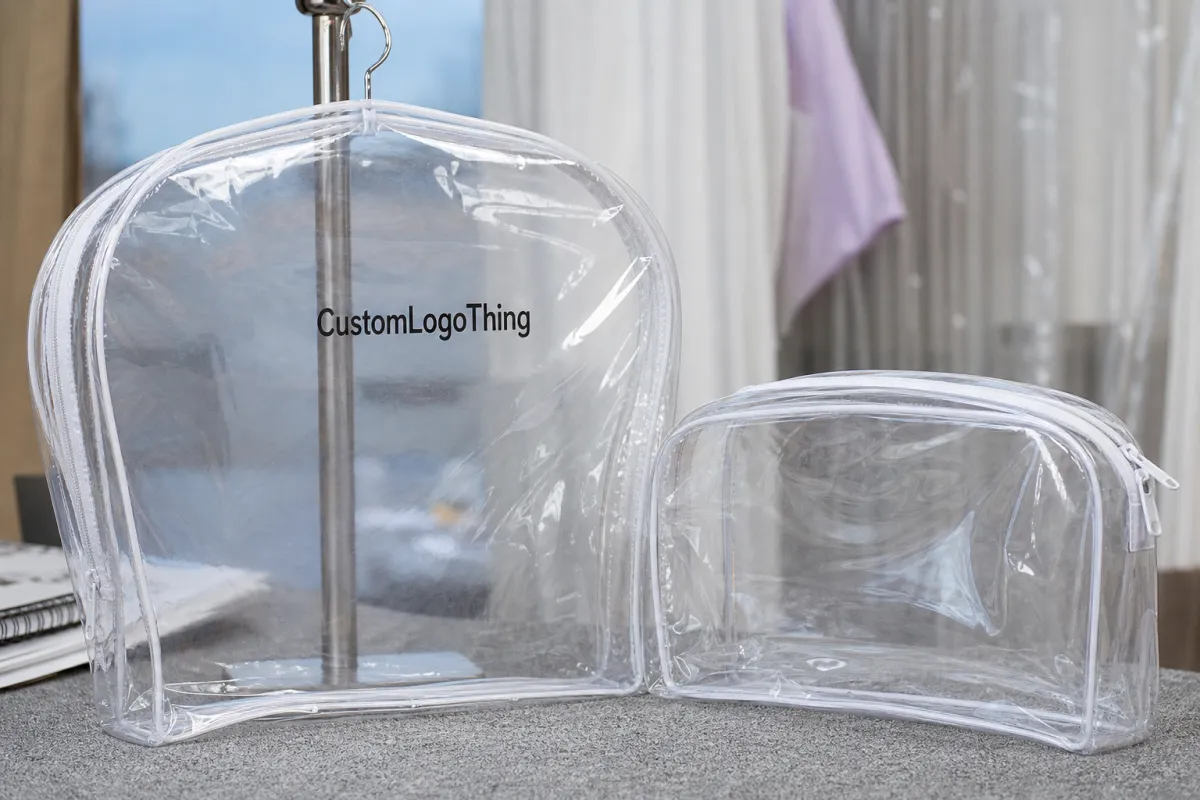
The Clear Garment Bags unit cost breakdown for cosmetics brands starts with more than the bag price. It includes the cost of bad sizing, weak clarity, rework, and delays. A bag that looks cheap can become expensive if it arrives hazy, undersized, or hard to pack.
Cosmetics teams use clear garment bags in launch kits, influencer mailers, showroom samples, retail setups, and event uniforms. In each case, the bag has to protect the item and present it cleanly. If it fails on either point, the savings disappear quickly.
That is why buyers should look at landed cost, not just factory price. Freight, packing labor, and any repack work can easily outweigh a small unit discount. A lower quote only helps if the bag fits the use case and reaches the team ready to use.
A low unit price is not a savings if it creates repacking, damage, or a weaker presentation.
For cosmetics brands, the bag is a small component with an outsized impact on handling time and brand perception. The right spec often saves money where the quote does not show it.
What the Bag Needs to Do in Cosmetics Operations
A clear garment bag has to do two jobs at once: protect the product and make it look presentable. It should keep garments, robes, tees, aprons, or fabric inserts free from dust and handling marks, while still looking neat under bright light and in photos.
Clarity matters because these bags often show up in trays, cartons, and press kits. Clean seals, even corners, and consistent sizing make the whole program look more controlled. If the film is too soft, the bag collapses. If it is too stiff, it can look bulky and feel overbuilt.
There is also a workflow side. A bag that is easy to identify and easy to pack saves time at fulfillment. Lightweight film can reduce freight weight, while low odor is useful when bags are stored near scented products or printed inserts. Some structure is still helpful because it helps the bag hold shape during packing.
- Protection: keep garments and textile items free from dust, fingerprints, and minor handling marks.
- Visibility: let teams identify contents quickly without opening the package.
- Presentation: maintain a clean look for launch kits, retail setups, and sample deliveries.
- Labor control: reduce straightening, repacking, and replacement work at the packing station.
The most useful way to judge unit cost is against the time the bag saves and the risk it removes. A slightly better spec can pay for itself if it reduces rework or keeps a launch on schedule.
Specs That Move the Price: Material, Gauge, Size, and Closure
The biggest price swings usually come from film type, thickness, dimensions, closure style, and extras like gussets, hanger openings, or venting. Each one changes material use, yield, and how many units fit into a carton or pallet.
Material is the first choice. Clear PEVA and LDPE usually offer flexibility, decent clarity, and a softer feel. PVC can look very clear in some builds, but buyers often ask more questions about odor and material preference. For cosmetics brands, clean appearance and low odor usually matter more than extra features that do not improve performance.
Thickness affects both feel and price. A lighter build in the 40 to 60 micron range may be enough for short-term presentation and handling. A heavier 70 to 100 micron bag can improve puncture resistance and reduce wrinkling, but it also uses more material and adds freight weight.
Size is where quotes quietly change. Even a small oversize can reduce how many pieces fit in a master case, which raises delivered cost. Oversizing is a common budget leak because the added material looks minor until it is multiplied across thousands of units.
Closure changes the economics too. A flap is cheaper than a zipper. A zipper may be worth it if the bag will be reused for storage or frequent handling. Gussets add shape and capacity, but only pay off if the product actually needs that extra room.
For a practical buying process, start with the use case: storage, display, or shipping protection. Then choose the lightest construction that still performs. Industry references such as packaging.org can help teams frame those tradeoffs before a quote request goes out.
It also helps to compare the bag against the carton it ships in. A slightly thicker bag that forces a larger carton can raise freight more than the bag itself. On larger programs, that can shift landed cost enough to matter.
Clear Garment Bags Unit Cost Breakdown, MOQ, and Quote Inputs
The clear garment bags Unit Cost Breakdown for cosmetics brands is easiest to read when the quote is split into raw material, converting, print or branding, closure hardware, packaging format, and order volume. A supplier quote is rarely just a bag price.
MOQ matters because setup costs do not shrink much on small runs. A 1,000-piece order can cost more per unit than a 5,000-piece order even if the film is the same, because line prep, testing, and approval are spread across fewer pieces.
| Option | Typical MOQ | Estimated Cost per Piece | Best For | Main Cost Drivers |
|---|---|---|---|---|
| Plain stock clear bag | 500-1,000 | $0.22-$0.40 | Basic storage, fast replenishment | Film grade, carton pack, freight |
| Stock bag with logo print | 1,500-3,000 | $0.34-$0.62 | Retail kits, branded samples | Print setup, ink coverage, proofing |
| Custom size and closure | 3,000-5,000 | $0.45-$0.85 | Launch programs, influencer drops | Cutting, tooling fees, closure hardware |
| Heavy-duty presentation build | 5,000+ | $0.70-$1.10 | Premium display, repeated handling | Thicker film, zipper, gusset, premium packing |
These ranges are directional and move with resin price, film grade, print coverage, carton configuration, and freight method. A bag that looks affordable at the factory gate can become much less attractive after transportation, customs, and secondary packaging are added.
Send a complete brief before asking for pricing. Include dimensions, quantity, material preference, closure style, artwork files, sample reference, and delivery date. If the bag must match an existing look, add photos from the front, side, and open view. The clearer the brief, the fewer assumptions the supplier has to make.
There is a difference between quoted cost and true cost. Compare three numbers: bag price, freight, and the cost of fixing errors. That is usually what explains why the lowest quote is not the best buy.
Production Workflow, Proofing, and Lead Time Planning
A clean workflow lowers cost because it limits corrections. The usual sequence is brief, quote, artwork review, proof or sample approval, production, inspection, and shipment. If any step is vague, the schedule slips.
Most delays come from missing measurements, late artwork, or a scope change after the proof has already been approved. That is why lead time should be planned around both the production window and the approval window, not just the machine time.
Stock items can move quickly, often in 7 to 12 business days if inventory is available. Stock-to-custom work usually needs more time. Fully custom programs often fall in the 12 to 20 business day range after proof approval. Rush orders are possible, but they usually carry a premium.
For cosmetics launches, that timing matters. Seasonal drops and press events leave little room for drift, so it helps to leave time for one round of proofing and a small revision buffer. That extra time can prevent an expedite fee later.
It is also smart to separate production time from freight time. They are not the same. Air and sea have very different budgets, and even domestic freight can shift if cartons are bulky. If the bags are shipping alongside filled product, ask whether the supplier can support transit testing under ISTA methods.
For larger programs, the plan should include sample approval, production, inspection, and shipping windows. A few days saved early can matter more than a slightly lower unit price if the launch date is fixed.
How to Vet a Supplier Before You Commit
Supplier vetting is where a lot of hidden cost control happens. Start with consistency. If one sample looks crystal clear and the next has a slight haze or different feel, the product may still be usable, but it may not be right for a cosmetics brand that depends on visual polish.
Ask how quality is checked. Does the supplier inspect seal strength, edge finish, print alignment, and closure performance? Are those checks documented, or are they only discussed after a problem appears? The answer tells you whether you are buying a managed process or just a low price.
Reorders are another test. A second run should not feel like a different product. Even a minor shift in clarity, thickness, or zipper action can make the new batch incompatible with the first. For cosmetics brands, that inconsistency becomes a labor issue as much as a visual one.
Communication matters too. If the supplier cannot explain a spec change clearly, the risk usually shows up later as corrections, delays, or replacement cost. Good packaging suppliers do not just quote. They help the buyer understand the tradeoffs before the order is placed.
That matters most for custom sizes and branded finishes. Small errors in the brief can turn into real waste in production, so a reliable supplier will ask for measurements, usage context, and proof files up front.
Practical Buying Rule Before You Place the Order
Before placing the order, lock the fundamentals: dimensions, material, closure style, quantity, print requirements, and target delivery date. If the bag needs to support retail display, say so. If it sits inside a launch kit or apparel drop, say that too.
Gather reference images, packaging measurements, and labeling notes before the first request goes out. If you already have a sample, send it with measurements taken flat and open. That is the fastest way to keep the spec honest and avoid revision loops that add both time and cost.
The rule is simple: choose the lightest construction that still holds the product, looks clean under store lighting, and survives the handling it will actually see. For a short-term sample program, that might mean a plain stock bag. For a retail-facing drop, it may mean a heavier film, cleaner closure, and tighter sizing.
That is the most practical way to read the clear garment bags Unit Cost Breakdown for cosmetics brands. Not as a race to the lowest quote, but as a balance of material, freight, labor, and presentation risk. Get those pieces aligned, and the order is easier to manage.
What drives the clear garment bags unit cost breakdown most for cosmetics brands?
The biggest drivers are film grade, bag size, closure type, print requirements, and order volume. Freight, packaging format, and sample or proof costs can also change the landed cost. Smaller runs usually carry a higher unit cost because setup charges are spread across fewer pieces.
What MOQ should I expect for custom clear garment bags?
MOQ varies by material, printing, and whether the bag is stock-based or fully custom. Printed or custom-sized runs usually need a higher minimum than plain stock options. Ask about MOQ early so your budget and timeline stay aligned before artwork is approved.
How long does production usually take after proof approval?
Lead time depends on whether the order is stock, custom, printed, or requires special packaging. Proof approval starts the clock, so late artwork changes usually push shipment dates back. Build in extra time for peak seasons, sampling, and freight booking.
Which specs matter most when choosing clear garment bags for cosmetics packaging?
Size, film thickness, clarity, closure style, and hanging format matter most for presentation and protection. If the bag will be displayed, optical clarity and seal quality usually matter more than extra features. Choose specs based on the actual shipping and retail use case, not just on appearance.
What should I send to get an accurate quote quickly?
Send dimensions, quantity, material preference, closure type, print needs, and target delivery date. Include reference photos or a sample if you want the quote to match an existing package spec. The more complete the brief, the faster the vendor can return a usable price and timeline.


