Buyer Fit Snapshot
| Best fit | Clamshell Packaging projects where brand print, material claims, artwork control, MOQ, and repeat-order consistency need to be specified before quoting. |
|---|---|
| Quote inputs | Share finished size, material target, print colors, finish, packing count, annual reorder estimate, ship-to region, and any compliance wording. |
| Proofing check | Approve dieline scale, logo placement, barcode or warning zones, color tolerance, closure strength, and carton packing before bulk production. |
| Main risk | Vague material claims, crowded artwork, missing packing details, or unclear freight terms can make a low unit price expensive after revisions. |
Fast answer: Clamshell Packaging: Spec Review should be specified like a repeatable production item. The safest quote records material, print method, finish, artwork proof, packing count, and reorder notes in one written spec.
Production checks before approval
Compare the actual filled-product size with the drawing, then confirm tolerance on folds, seals, hang holes, label areas, and retail display edges. Reserve space for logos, QR codes, warning copy, and material claims before decorative graphics fill the panel.
Quote comparison points
Review material grade, print process, finish, sampling route, tooling charges, carton quantity, and freight assumptions side by side. A quote is only useful when the supplier can repeat the same color, closure quality, and packing count on the next order.
If you have ever picked up a product, turned it in your hands, and still felt confident enough to buy it, the packaging did some real work. That is why what is clamshell packaging matters. It is not just clear plastic. It is Product Packaging That can display, protect, and discourage tampering without making a big speech about it. In retail packaging, that combination pulls more weight than people like to admit.
Buyers like clamshells because one format can solve several problems at once. A decent shell keeps a tool from rattling, holds a cosmetic kit in place, and lets shoppers see the item without opening the pack. For brands trying to balance branded packaging with practical protection, the appeal is obvious. The downside is just as real: the wrong shell can push up cost, annoy customers, and create waste fast.
I think people flatten what is clamshell packaging into a generic clear case. That misses the part that actually matters. Resin choice, wall thickness, closure style, sealing method, and line handling all change how the package performs. That holds true for hardware, electronics, toys, food, and small accessories that need a clean retail presentation. If your lineup includes Custom Packaging Products, clamshells may sit beside cartons, sleeves, and Custom Printed Boxes as one piece of a broader package branding plan.
A good clamshell does three jobs at once: it sells the product, protects the product, and makes the product harder to walk away with unnoticed.
What Is Clamshell Packaging? Definition and Uses
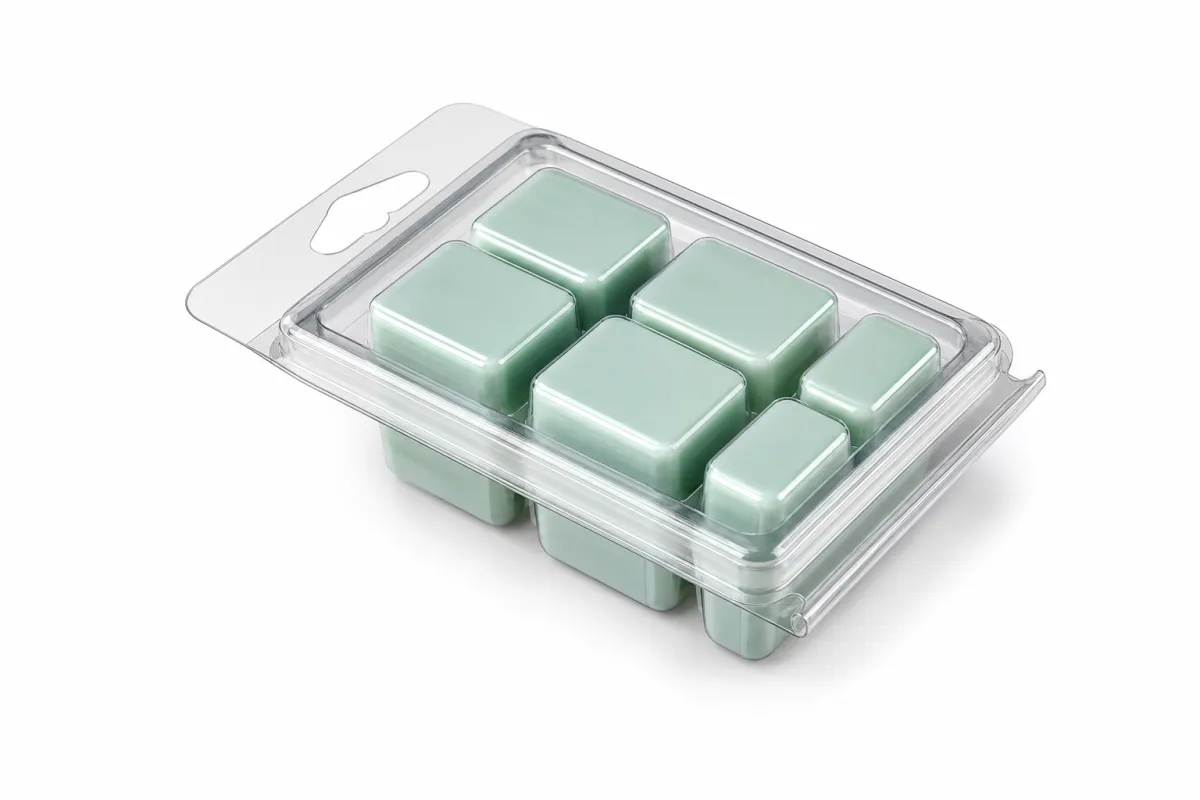
What is clamshell packaging in plain language? It is a rigid package made from two connected halves, usually hinged on one side, that fold together around a product. The halves are often clear, though tinted or opaque versions show up too. Depending on the use case, the closure may be a snap fit, a heat seal, an adhesive seal, a label seal, or a welded seam. Once closed, the package becomes a compact shell around the item inside.
That simple setup carries real value. A clamshell can act as a shelf display, a protective shell in transit, and a deterrent against tampering or casual theft. For consumer goods that need to stay visible, what is clamshell packaging becomes less of a definition question and more of a retail decision. Clear visibility lowers friction, especially for products shoppers want to inspect before buying.
Common uses show up everywhere. Electronics accessories, drill bits, batteries, cosmetics, disposable medical kits, toys, and collectible items often rely on this format because the product needs structure as much as presentation. In food packaging, smaller sealed shells can hold bakery items, fruit, or prepared snacks, though the material and food-contact requirements need real attention. In more technical product packaging, a shell can also keep parts organized and cut down on abrasion.
From a commercial angle, what is clamshell packaging worth? Plenty, if the product has to do more than sit there. It can reduce the need for extra cartons, keep items aligned for scanning, and create a cleaner retail packaging presence than loose product or bulk bins. It also supports faster visual merchandising, since shoppers and staff can identify the item without opening the pack.
Here is the cleanest way I can separate clamshells from other formats. A blister pack usually seals a formed cavity to a backing card or board. A carton gives you print space and branding, but less all-around impact resistance. A flexible pouch often costs less, yet it cannot match the rigidity of a shell. If you are comparing what is clamshell packaging with those options, you are really comparing protection, shelf presentation, and consumer experience.
That distinction matters for brands that care about package branding. A clamshell does not offer the same printable storytelling surface as a carton, so some teams pair it with a paperboard insert, label, or branded sleeve. Others go with a hybrid approach through Custom Packaging Products, then let the visible shell make the product itself part of the presentation. That works especially well for items where shape, color, or components help sell the value.
One detail gets missed constantly: what is clamshell packaging is not a single standard. It is a family of formats. Some are stock shells built for common shapes. Others are custom thermoformed pieces made around exact product dimensions. A simple hinged shell for a small tool behaves very differently from a deep, lockable shell used for a high-value accessory. The basic idea stays the same, while the engineering changes quickly.
Another reason the format sticks around is inspection. Customers can confirm size, color, count, or fit before purchase. That trims returns in some categories. It also helps on crowded shelves, where a clear shell can beat a paper-heavy pack by showing the item immediately. The question of what is clamshell packaging starts with structure, but the real value is how that structure supports selling.
How Clamshell Packaging Works in Retail and Shipping
The mechanics are pretty simple, and that is part of the charm. Two molded halves are formed to match the product footprint, then joined around a hinge line or a wrap-around edge. The closure line keeps the item fixed in place. If the design is right, the shell resists crushing, limits dust exposure, and protects the contents from minor moisture and handling damage. That is why what is clamshell packaging keeps coming up in retail and shipping conversations.
In retail, the package has to do more than survive the trip from warehouse to shelf. It has to hang on peg hooks, stack neatly, and stay readable from a few feet away. A shell with a header hole or hang tab can move through display systems quickly. A flat-bottom design can sit on a shelf with less wobble. Good packaging design starts with how the item will be merchandised, not just how it will be stored.
Opening and resealing behavior is another big variable. Some clamshells use a snap-close edge that the consumer can reopen. Others are heat-sealed or welded so the customer has to cut or tear the pack open. Label-sealed shells split the difference by giving a visible tamper indicator without fully locking the user out. What is clamshell packaging worth if the customer cannot get into it? Not much. The right choice depends on the product value, theft risk, and expected consumer experience.
Security and convenience usually pull in different directions. Stronger seals improve tamper evidence and theft resistance, but they can also increase frustration. That tension is why retailers often test packaging with real staff and shoppers before approval. If the shell is too hard to open, the brand may pay for negative reviews, damaged product during opening, or returns that never belonged in the original cost model.
Shipping performance deserves its own callout. Clamshells are not magic, but they do help absorb the everyday abuse that happens in parcel networks and retail backrooms. They can protect against light compression, rubbing, and incidental contact with other items. For extra protection, many brands pair the shell with an outer carton or master shipper. If the item is especially fragile, testing to ISTA protocols is worth discussing with a supplier; the International Safe Transit Association publishes useful resources at ista.org.
One subtle advantage is inventory control. Clear shells make counts, visual checks, and barcode placement easier. A warehouse associate can identify the item without opening the package. That cuts handling, which lowers the chance of damage. From a packaging buyer's point of view, that matters because a small drop in damage rate can offset a higher unit price. What is clamshell packaging if not a small system built to reduce friction across multiple touchpoints?
There are also different closure levels to consider:
- Snap-close shells work well for reusable consumer items and lower-security displays.
- Heat-sealed shells provide better tamper evidence and are common in retail packaging.
- Label-sealed shells add a visible break point and can reduce sealing equipment needs.
- Welded shells create a more permanent closure for higher-security applications.
Every one of those choices shifts the balance between speed, security, and customer convenience. That is why what is clamshell packaging is really a design and operations question, not just a shape question.
What Is Clamshell Packaging Cost? Materials and Pricing Factors
People usually ask what is clamshell packaging cost before they ask anything else, and fair enough. Material choice drives a large part of the answer. PET, rPET, PVC, PP, and other plastic resins behave differently in clarity, stiffness, sealing, recyclability, and price. A simple shell made from standard PET may cost less than a recycled-content version with tighter sourcing requirements, but the details depend heavily on volume and geometry.
For a simple mid-size custom shell, indicative unit pricing at around 5,000 pieces can land roughly in the range of $0.18 to $0.40 per unit before freight and secondary packing, though larger runs may move lower. That range is not a quote; it is a working benchmark. Tooling is the bigger swing factor. A custom mold or thermoforming tool can add anywhere from about $1,500 for a simple setup to well over $10,000 for more complex work. Deep draws, undercuts, and unusual shapes push that number higher.
Size matters more than most people expect. A wider footprint needs more resin. A deeper cavity usually means slower forming, more scrap, or a thicker starting sheet. Sharp corners and complex contours can create weak points or slow the cycle. If the product is irregular, the shell often needs extra clearance, and that adds material cost plus packaging volume. What is clamshell packaging worth if the product slides around inside? The answer drops fast.
Finishing adds another layer. Printing, labels, inserts, tamper-evident seals, and manual assembly all affect total landed cost. If a packaging line needs an operator to place the product by hand and close each shell individually, labor can eat the material savings alive. That is why a low unit price on paper can be misleading. The real question is what the package costs once it is filled, sealed, shipped, and handled in the real world.
Here is a comparison that buyers usually find useful. The figures below are broad planning ranges for common retail packaging, not universal quotes. They are meant to show how the material stack changes the economics.
| Material | Typical Clarity | Recycled Content Potential | Indicative Unit Cost at 5,000 Units | Notes |
|---|---|---|---|---|
| PET | High | Good with rPET blend options | $0.18-$0.32 | Common choice for clear product packaging and strong shelf visibility. |
| rPET | High to moderate | Very good | $0.20-$0.35 | Often selected when sustainability claims matter and clarity still matters. |
| PVC | Very high | Lower | $0.16-$0.28 | Can be attractive on cost, but environmental positioning is more complicated. |
| PP | Moderate | Good | $0.17-$0.30 | Useful where toughness and chemical resistance matter more than ultra-clear viewing. |
Those numbers shift with order volume. A run of 25,000 units usually beats a 2,000-piece pilot on unit price, because tooling amortizes better. Freight can also reshape the total. Clamshells are lightweight, but they are bulky. That means a truck can fill up by volume before it fills up by weight, which raises per-unit transport cost. It is the classic packaging tradeoff: light does not always mean cheap.
There is also a sustainability cost dimension. Material selection can affect brand positioning, retail acceptance, and recycling communication. If the pack includes a paperboard insert or sleeve, sourcing from a certified chain can matter. The Forest Stewardship Council explains certified fiber sourcing at fsc.org, which is useful for any brand using paper elements alongside a shell. If the package needs more recycling clarity, EPA guidance on recycling behavior can help inform on-pack instructions at epa.gov/recycle.
From a buyer's angle, what is clamshell packaging cost? It is a stack of five things: resin, tooling, labor, freight, and waste. Waste matters more than many teams want to admit. A shell that cracks during forming, ships with scratches, or causes returns because the product moves around can be more expensive than a better-designed unit at a higher quoted price. That is why comparing packaging suppliers on unit price alone usually misses the real cost picture.
Some brands compare shells to paperboard or custom printed boxes and assume the box is cheaper because it uses less resin. Not always. A carton may reduce tooling but increase print complexity, inserts, and assembly steps. That is why Custom Packaging Products should be evaluated as a system, not as a shelf of disconnected options. The right answer depends on protection, display, and the labor needed to get each package out the door.
Clamshell Packaging Process and Timeline: From Concept to Samples
The process usually starts with product intake. A packaging engineer or buyer measures the item, checks fragile points, and figures out what the shell needs to do. Does the pack need to hang? Must it survive parcel shipping? Is it for retail display only, or does it also need tamper evidence? Once those questions are answered, what is clamshell packaging becomes a design brief rather than a theory question.
Next comes the structural concept. A designer builds a CAD model or dieline that matches the product dimensions and closure style. That phase matters more than many teams realize. A package can look perfect on screen and still fail if the hinge is too stiff, the cavity is too shallow, or the closure line interferes with the product shape. Good packaging design treats tolerances as a real constraint, not a footnote.
Then sampling begins. This is where bad assumptions get exposed. A mockup may show that the product rattles inside the shell. A first sample may reveal that the seam is too weak. A second revision may fix the fit but create a line-speed problem because the closure is awkward for operators. What is clamshell packaging in the sample stage? It is a test of how the product, the package, and the production line behave together.
Sampling usually includes a few checks:
- Fit test to confirm the product sits securely without excessive compression.
- Closure test to verify snap force, seal quality, or label adhesion.
- Display test to confirm readability, hanging position, and shelf presence.
- Handling test to see whether the shell cracks, flexes, or scuffs during movement.
There is a useful lesson here: the first sample is rarely the final one. Two or three rounds are common for a custom shell, especially if the product is irregular. A stock shell can move faster, but even then the insert, label, or outer carton may need adjustment. Teams that plan for revision avoid late-stage surprises. Teams that treat the first version like a finished package usually pay for it later in returns, line delays, or emergency rework.
Production readiness adds another layer. Material thickness, sealing equipment, labeling, barcode placement, and compliance all need to line up before the order is released. For food-contact applications, check the relevant material requirements. For retail security, confirm the seal break behavior. For shipping, test the package under stress that reflects reality, not an ideal lab condition. ISTA testing can help here, especially for small consumer goods that ride through parcel networks.
Timeline is usually shaped by three things: tooling, approval speed, and supply availability. A stock shell with a standard insert may move from concept to samples fairly quickly. A custom mold with a new closure or special dimensions takes longer. Once the samples are approved, simpler jobs can often move into production in roughly 2 to 3 weeks, while more complex builds may take longer depending on run size and factory load. What is clamshell packaging in timeline terms? Usually a disciplined sequence of measurement, fit, revision, and launch.
Brands focused on branded packaging sometimes use this stage to refine package branding as well. A clear shell can carry a printed insert, a hanging card, or a sleeve that explains features and sets the product apart. That is especially useful where custom printed boxes are not the chosen format. The package still needs a story, even if the product stays fully visible.
One practical tip: request samples before locking in the outer shipper. A shell that performs well in hand may behave differently inside a master carton with 24 or 48 units. That sounds kind of minor on paper. In production, it can change the whole line setup.
Common Clamshell Packaging Mistakes to Avoid
The first mistake is choosing the shell for appearance alone. A clear package may look strong in a mockup, but if the product is loose inside, the real result can be scratches, scuffing, and noise on the shelf. What is clamshell packaging supposed to do? Protect and present. If either side fails, the package turns into a liability instead of an asset.
Dimension errors are another common problem. Teams measure the product and forget about tolerances, closures, labels, and hanging features. A difference of a few millimeters can affect closure strength or cause the part to bind inside the shell. That is not a minor issue. In packaging design, tiny gaps turn into expensive returns surprisingly fast.
Overbuilding and underbuilding both create trouble. Too thick, and the package becomes heavier, more expensive, and harder to open. Too thin, and it may crack during forming, shipping, or consumer use. I have seen teams chase a sturdier feel and end up with a package that feels expensive but performs worse. What is clamshell packaging without the right gauge? Just extra plastic.
Opening experience gets overlooked more often than it should. Some shells require scissors, knives, or a level of force that is simply not realistic for ordinary shoppers. That creates injury risk and brand irritation. It can also damage the product during opening. If the item is meant for frequent consumer access, the closure has to be strong enough for transport but forgiving enough for the end user.
There is also a compliance blind spot. Brands sometimes forget to specify how the material should be disposed of, whether a label creates a mixed-material issue, or whether a food-contact requirement applies. Sustainability claims need care too. If the pack includes a recycled-content resin or a paper insert, the communication has to match the actual construction. That is where honest product packaging beats vague eco language every time.
Another issue is line compatibility. A shell that is easy to prototype can be awkward at scale if operators have to place every unit by hand and close it one by one. That slows throughput and raises labor cost. It is one reason suppliers often recommend testing on the actual equipment, not just in a design review. What is clamshell packaging if it cannot move through the line efficiently? A headache.
Here are the mistakes I would rank highest:
- Poor fit that allows movement, rubbing, or product damage.
- Bad closure choice that makes the pack too easy or too hard to open.
- Ignoring recyclability when the brand relies on sustainability messaging.
- Skipping line trials and discovering the issue after purchase orders are placed.
Good retail packaging is often invisible when it works well. Bad packaging gets remembered immediately. That is the real difference.
Expert Tips for Better Clamshell Packaging Results
Start with failure mode, not format. Ask what is most likely to go wrong: impact, tampering, contamination, shelf damage, or customer frustration. Once that is clear, the packaging can be shaped around the risk instead of around habit. What is clamshell packaging supposed to solve for your product? That question gets better answers than asking which shell looks nicest.
Use prototypes early. A CAD file is useful, but a physical sample tells you more. Compare closure strength, product fit, and handling speed in real conditions. If the item is heavy, test whether the hinge flexes over time. If the item has a polished finish, check for scuffing against the inner wall. If the shell will be used in retail packaging with a hang tab, confirm that it hangs straight and does not tilt under load.
Balance protection and presentation with small structural changes. Wall thickness, venting, insert shape, and seal style can all shift performance. A slight change in the tray contour might remove movement without adding much material. A better insert may let the brand use a lighter shell. A clearer view window may support package branding without a full redesign. In practice, those small adjustments often matter more than a dramatic format change.
Sustainability deserves a practical view. Recycled-content PET can support environmental claims, but it may affect clarity or color tone. Mono-material construction can simplify disposal messaging. Paperboard inserts made from FSC-certified fiber can improve sourcing stories when the brand wants a mixed-material solution. The key is honesty. A package should communicate what it actually is, not what the marketing deck wishes it were.
Comparison shopping needs discipline too. A cheaper quote can hide higher total cost if the shell causes more breakage, slower packing, or a worse customer experience. A slightly more expensive package can win if it reduces returns by even a small percentage. That is why what is clamshell packaging cost should be calculated alongside damage rate, labor, and freight. A 2% drop in returns can matter more than a few cents saved on resin.
For brands building a broader system, clamshells should be evaluated next to cartons, sleeves, and other Custom Packaging Products. Sometimes a shell is the right move for visibility, while a carton is the better choice for storytelling and premium feel. Other times the best answer is a hybrid: a clear shell with a printed insert or branded sleeve. That approach keeps the product visible while still reinforcing the brand.
It also helps to test shelf behavior, not just drop performance. A package can pass a physical test and still underperform in store because it reflects light poorly, hides the product angle, or creates a cluttered look beside competing items. Good package branding feels deliberate. The shell should make the product easier to choose, not harder.
Finally, talk to your supplier about the real operating environment. Will the product be packed by hand or by machine? Will it ship in master cartons or loose? Is the display system peg-based or shelf-based? Those details affect thickness, closure, and secondary packaging. What is clamshell packaging at its best? A format that fits the product, the line, and the store without forcing the brand to compromise in every direction.
Next Steps for Choosing the Right Clamshell Packaging
The next move is simple: define the product, the environment, and the experience you want. Measure the item carefully. Note any fragile edges, finish sensitivity, or hanging requirements. Then decide whether the goal is retail display, shipping protection, theft deterrence, or all three. What is clamshell packaging if not a tool built around those choices?
Build a short supplier brief. Include product photos, exact dimensions, expected annual volume, target closure style, and any sustainability or compliance requirements. If you need a clear shell with a printed insert, say so. If you want a recycled-content option, say that too. The better the brief, the fewer revisions you will need later.
Request samples from at least two suppliers. Compare them side by side for fit, clarity, ease of opening, and damage resistance. Do not rely on pricing alone. A sample that feels slightly better in hand may save more money over time if it improves line speed or reduces breakage. That is especially true for retail packaging where customer handling is repetitive and visible.
Test the package in real conditions before you commit. Run drop checks, shelf tests, and line trials. If the shell is for a hanging display, hang it. If it will ship with a master carton, load it. If it will be opened by consumers without tools, try that too. What is clamshell packaging worth if the real-world test is skipped? Less than the quote suggests.
From there, the decision usually becomes clear. Some products need the full rigid shell. Others do better with a carton, sleeve, or another form of product packaging. What matters is fit. The right packaging design protects the product, supports the sale, and does not create unnecessary friction for the customer or the warehouse.
In short, what is clamshell packaging? It is a rigid hinged format that can display, protect, and secure a product with real efficiency. The best version is not the cheapest shell on paper; it is the one that balances presentation, cost, and performance across the whole supply chain. If you are making the call this week, start with the product sample, not the quote, because the package that looks cheapest on a spreadsheet can be the one that costs you most in returns, damage, or line headaches.
FAQ
What is clamshell packaging best used for?
What is clamshell packaging best used for? It works best for products that need visibility, tamper evidence, and a rigid protective shell. That includes electronics, tools, cosmetics, food items, and small consumer goods. It is especially useful when the package must hang, stack, or show the product clearly on shelf.
Is clamshell packaging recyclable?
What is clamshell packaging recyclability? It depends on the plastic type, local recycling rules, and whether labels or mixed materials are attached. PET and rPET are often easier to position as recycling-friendly than multi-material builds. Clear material, simple construction, and recycling instructions on-pack improve the odds of proper disposal.
How much does clamshell packaging cost?
What is clamshell packaging cost? It depends on material, size, thickness, tooling, order volume, and finishing requirements. Custom tooling raises upfront cost, while larger production runs usually reduce unit price. Freight, assembly, and damage reduction should be included when comparing quotes, because the cheapest quote is not always the lowest total cost.
How do I choose the right clamshell thickness?
What is clamshell packaging thickness supposed to do? Match it to product weight, fragility, and the amount of stacking or shipping stress the package will face. Thicker is not always better; it can increase cost, weight, and opening difficulty. Test several samples and check for cracks, flexing, and product movement inside the shell.
What is the difference between clamshell packaging and blister packaging?
What is clamshell packaging compared with blister packaging? A clamshell usually has two hinged halves that enclose the product completely. A blister pack typically uses a formed cavity sealed to a backing card or board. Clamshells often give more all-around protection, while blisters can be simpler and lighter for certain retail uses.


