Buyer Fit Snapshot
| Best fit | design custom product packaging better for packaging buyers comparing material specs, print proof, MOQ, unit cost, freight, and repeat-order risk where brand print, material, artwork control, and repeat-order consistency matter. |
|---|---|
| Quote inputs | Share finished size, material target, print colors, finish, packing count, annual reorder estimate, and delivery region. |
| Proofing check | Approve dieline scale, logo placement, barcode or warning zones, color tolerance, and any recyclable or compostable wording before bulk production. |
| Main risk | Vague material claims, crowded artwork, or missing packing details can create delays even when the unit price looks attractive. |
Fast answer: Design Custom Product Packaging Better: Dieline, Finish, Proof, and Buyer Review should be specified like a repeatable production item. The safest quote includes material, print method, finish, artwork proof, carton packing, and reorder notes in one written spec.
What to confirm before approving the packaging proof
Check the product dimensions against the actual filled item, not only the sales mockup. Ask for tolerance on folds, seals, hang holes, label areas, and retail display edges. If the package carries a logo, QR code, warning copy, or legal claim, reserve that space before decorative graphics fill the panel.
How to compare quotes without losing quality
Compare board or film grade, print process, finish, sampling route, tooling charges, carton quantity, and freight assumptions side by side. A lower quote is only useful if the supplier can repeat the same color, closure quality, and packing count on the next order.
How to Design Custom Product Packaging That Sells Better
Two products can sit side by side on a shelf and ask for the same price, yet the one with tighter folds, cleaner print, and a more confident shape usually feels worth more before the shopper reads a single word. That is the real work of how to design Custom Product Packaging: the package has to protect the item, fit the production method, and signal that the brand cared about the details.
Start with the product, not the artwork. How to design Custom Product Packaging becomes much easier once the dimensions, weight, fragility, shipping method, and first point of contact are all clear, whether that first contact is a store shelf, a shipping tray, or a subscription box opening on a kitchen counter. Good packaging design is not decoration sitting on top of a random structure. It is structure, graphics, inserts, and finishes pulling in the same direction as one piece of product packaging.
Anyone balancing brand image, shelf impact, freight protection, and unit cost is dealing with the heart of the job. The box has to survive transit, communicate value fast, and still make sense at 500 units or 50,000. I have watched teams spend weeks polishing a beautiful mockup only to discover the insert could not be assembled at line speed. That is why how to design custom product packaging is really a sequence of tradeoffs, and the best results usually come from a disciplined brief, a realistic dieline, and a sample you can hold in your hand.
A package can look beautiful on a screen and still fail in production if the folds, glue areas, inserts, or print tolerances were never checked against the real product.
How to Design Custom Product Packaging: Why First Impressions Win
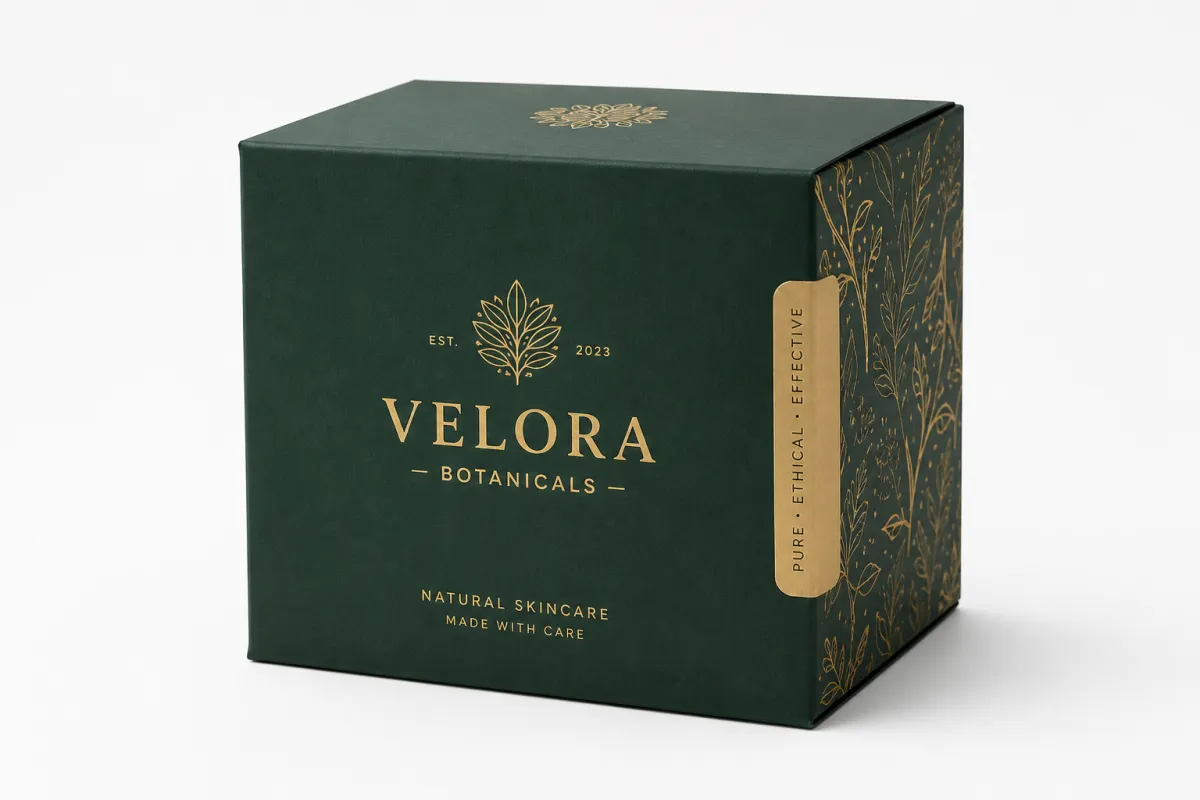
A shopper comparing two similar items often lets the package do the first round of selling. That is not theater; it is behavior. Strong package branding gives the buyer a cue about quality, care, and price position before the product is even touched. If one box feels crisp, balanced, and deliberate while the other looks generic, the stronger package usually claims the first impression even when the product inside is nearly identical.
That is why how to design custom product packaging begins with the experience you want people to have. A small skincare carton, a premium candle box, and a shipping mailer for fragile electronics need different answers because the use cases are different. The right structure, substrate, and finish depend on whether the package is meant for retail packaging, e-commerce, gift sets, or a mix of channels. A rigid box may fit a luxury item, while a folding carton or corrugated mailer may be the smarter answer for everyday fulfillment.
The product itself sets the limits. A bottle with a pump needs headspace and internal support. A glass jar needs cushioning and compression resistance. A food item may need shelf life consideration, scuff resistance, and room for compliance text. A beauty product may need high color accuracy because the brand is selling an image as much as a formula. How to design custom product packaging well means understanding those constraints before choosing a print style or finish.
The emotional part matters too. Packaging does not just hold the product; it frames the moment of discovery. Clean opening lines, a calm panel layout, and a tactile finish can make a product feel more considered. That is especially true for custom printed boxes used in premium commerce, where the outer shell is part of the brand story. A package that feels flimsy, confusing, or crowded invites the wrong assumptions about the product inside.
The simplest way to think about how to design custom product packaging is to start with protection, then usability, then visibility, then cost. Reverse that order and the result often photographs well but performs poorly. Follow the right order and the package usually looks better anyway because the design grows out of a structure That Actually Works.
Brands comparing options usually save time when they look at real structural categories instead of broad style labels. Review common formats through our Custom Packaging Products catalog and compare which styles fit the product instead of forcing the product to fit the box. That kind of comparison saves time and often saves money too.
In plain terms, how to design custom product packaging is not about making the box louder. It is about making the package more believable, more useful, and more aligned with the item it carries. When those pieces line up, the product feels more premium without piling on unnecessary decoration.
How the Custom Packaging Process and Timeline Work
The usual workflow for how to design custom product packaging follows a sequence that feels slow at first and then speeds up once the decisions are locked. It typically begins with a brief, moves into structural planning, then artwork, proofing, sample approval, production, and shipment. Each stage matters because the next one depends on the previous one being right.
The structural stage is where the dieline enters. A dieline is the flat map of the package: panels, folds, flaps, glue areas, windows, and cut lines laid out so the box can be built in the real world. If you are serious about how to design custom product packaging, the dieline is not a technical extra. It is the foundation. Artwork that looks fine on a mockup can fail once folds, flaps, and safe areas are introduced.
Digital proofs help check artwork accuracy, spelling, barcode placement, and the general layout of the brand marks. Physical samples do something different. They show fit, strength, closure behavior, and shelf presence. A good sample tells you whether the insert actually supports the product, whether the product rattles, whether the lid closes cleanly, and whether the package feels balanced in the hand. That is a major part of how to design custom product packaging without expensive surprises later.
Lead time depends on a few predictable variables. Material availability, print method, finishing complexity, sample revisions, and shipping distance all affect the schedule. A straightforward folding carton with standard print and no unusual finishes may move from proof approval to production faster than a rigid box with foil stamping, embossing, and a custom insert. For many projects, a realistic window is often 10-15 business days from proof approval to production completion, though that can stretch if the artwork needs corrections, the finish is specialized, or the material supply is tight.
Delays usually show up in approval cycles. Someone finds a typo in the legal copy. The barcode sits too close to the fold. The color on screen does not match the physical proof. Or the sample arrives and the internal fit needs one more adjustment. None of that is unusual. It is part of how to design custom product packaging responsibly. The more complex the package, the more likely at least one revision round is coming.
If shipping performance matters, test against realistic transit conditions. Shipping cartons and e-commerce mailers often benefit from procedures modeled on ISTA transit testing standards, and many teams also borrow ASTM-style drop and compression thinking when they want a more disciplined review of package durability. That kind of testing can reveal the weak point before customers do.
Do not compress the timeline just because the graphics are ready. How to design custom product packaging usually takes longer than the brand team expects because print approval, physical review, and fulfillment planning all need to agree. A clean schedule leaves room for sample evaluation and final sign-off, which is far cheaper than rushing a bad box into production. That part is kinda boring, but it saves money.
Key Factors That Shape Better Custom Packaging Decisions
Strong decisions begin with structure. Folding cartons work well for lighter retail goods, cosmetics, supplements, and small electronics. Corrugated mailers offer better protection for direct-to-consumer shipping. Rigid boxes carry more weight in the hand and usually signal a higher-end presentation. Sleeves, trays, and inserts each solve a different problem, and the right answer in how to design custom product packaging depends on the product, the channel, and the way the customer opens the package.
Material choice matters just as much. A 300-400gsm paperboard carton is a common choice for lighter retail items because it prints well and folds cleanly. Corrugated board gives more cushioning and stacking strength. Rigid stock builds a premium feel because the walls are thicker and the shape holds better. If you need a true hybrid, a paperboard sleeve over a tray or a corrugated shipper with a printed insert can be a smart compromise. The job of how to design custom product packaging is to pick a material that fits both the product and the channel, not just the mood board.
Branding choices matter too. The package should be readable from a normal viewing distance, which means color contrast, type scale, and logo placement need to be considered early. A tiny logo on a busy background will not do much work. A strong front panel with clear hierarchy, on the other hand, helps the package sell in seconds. That is where package branding and structure meet. If the front panel is crowded, the brand loses impact. If it is too empty, the package can feel unfinished.
Sustainability now belongs in the design brief for many buyers, and for good reason. Right-sizing a box can reduce void fill and freight waste. Recycled fiber content can support environmental goals. Fewer mixed materials can make recycling easier in many programs. If recycled content or chain-of-custody claims matter to your brand, FSC certification guidance is worth reviewing because it clarifies what the claim does and does not mean. In many projects, the most sustainable choice is also the most practical one: a package that uses less material and ships efficiently.
Compliance and functionality sit at the same table. Barcodes need quiet space around them. Ingredient panels need legibility. Warning icons need to remain visible after folding. Legal copy needs a font size that can still be read after production. If the item is food, cosmetic, or regulated in any other way, how to design custom product packaging must include those requirements from the start, not as an afterthought squeezed onto the back panel.
These are the decisions that shape the final result:
- Structure - folding carton, rigid box, mailer, tray, sleeve, insert, or a hybrid system.
- Board type - lighter paperboard for retail presentation or corrugated board for shipping resistance.
- Visual hierarchy - logo, product name, benefit statement, compliance copy, and barcode spacing.
- Finish level - matte, gloss, soft-touch, foil, embossing, spot UV, or no special finish at all.
- Environmental profile - recycled content, right-sized dimensions, and minimal mixed materials.
When these factors are handled with care, how to design custom product packaging becomes far more predictable. The package may still need refinement, but the chance of a costly structural mismatch drops sharply. That is a practical win, not a theoretical one.
How Do You Design Custom Product Packaging Step by Step?
The easiest way to organize how to design custom product packaging is to break it into concrete stages. That keeps the team from arguing about colors before the box size is even confirmed. It also gives the printer or packaging supplier the information needed to quote accurately, recommend materials, and spot problems early.
Step 1: Build a real product brief. Start with dimensions, weight, fragility, shelf life, target customer, sales channel, and budget range. If the product travels by parcel, say so. If it sits on a retail shelf, say that too. If the packaging has to support a premium unboxing moment, spell that out. This is the point where how to design custom product packaging becomes practical rather than conceptual.
Step 2: Pick the structure first. A dieline should be based on the actual box type, not a guess. A folding carton, for example, has different panel proportions than a rigid box or a mailer. Once the structure is selected, the artwork team can build graphics around real usable space instead of a flat rectangle that never existed in production. That is one of the cleanest habits in how to design custom product packaging.
Step 3: Define the visual system. Choose the color palette, fonts, image style, and tone of voice before the layout gets too detailed. A beauty brand may want calm minimalism. A beverage brand may want bold contrast. A children's product may need clearer iconography and friendlier type. Good product packaging does not just carry a logo; it carries a mood that matches the audience and the price point.
Step 4: Review the dieline carefully. Check the panel order, fold lines, bleeds, and safe zones. Make sure nothing important crosses a fold unless that was intentional. Keep small text away from glue zones and stress points. Confirm where the barcode sits and where the legal copy lands. This is the technical middle of how to design custom product packaging, and it is where many projects either stay on track or drift into rework.
Step 5: Approve a sample. A sample is the real test of fit, feel, and finish. Put the product inside. Close the package. Shake it lightly. Stack it if needed. Look at it under the lighting where it will actually live. If it is a shipping item, test drop behavior and corner crush. If the package needs to support premium retail packaging, make sure the finish, print, and proportions feel balanced in the hand. Sampling is not a formality; it is the moment when how to design custom product packaging stops being theoretical.
Step 6: Prepare the production files. Export print-ready artwork in the correct format, usually with the required bleed, color profile, and resolution. Keep the barcode high contrast and large enough to scan reliably. Use a controlled file name system so the printer knows which version is final. Version control sounds boring until two nearly identical files enter approval and nobody knows which one is current. Good package branding relies on discipline here.
Step 7: Finalize with production reality in mind. Confirm carton counts, pallet planning, insert placement, and any kitting or assembly needs. If the package will be filled by hand, make sure the closure is simple enough for the line speed you expect. If the package is going straight to fulfillment, confirm the ship size and outer carton strategy. A clean launch depends on more than graphics, and how to design custom product packaging includes that operational layer.
To keep the process moving, many teams keep a single checklist in one place. That checklist should cover dimensions, artwork files, compliance text, material spec, finish choice, insert needs, and delivery address. If you are comparing formats, it can also help to review our Custom Packaging Products options while the brief is still being built, because seeing the structural choices early often saves a round of revisions later.
When you follow these steps in order, how to design custom product packaging becomes a repeatable process instead of a last-minute scramble. Creative decisions still matter, but they sit on top of a structure that can actually be produced. And yes, that usually makes the design look better too.
Cost and Pricing Factors to Plan Before You Order
Budget planning is a huge part of how to design custom product packaging, and the price usually comes from a handful of clear drivers. Material type, box style, print coverage, finishing choices, quantity, and turnaround speed all affect the quote. If any one of those changes, the cost can move more than people expect. A simple kraft mailer and a foil-stamped rigid gift box are priced from completely different assumptions.
Quantity matters because setup costs get spread across more units. That is why a run of 500 boxes often costs much more per unit than a run of 5,000, even if the graphics are identical. The plate or digital setup, die cutting, finishing setup, and labor all need to be covered somehow. If a project is early-stage, it may make sense to start with a modest quantity and then scale once the design is proven. That is a common part of how to design custom product packaging without overcommitting cash too soon.
Finishes change the feel of the package quickly. Matte lamination softens glare and gives a calm look. Gloss can make color feel brighter and more energetic. Soft-touch feels velvety but adds cost. Foil stamping and embossing create depth and shine, while spot UV isolates a logo or graphic area. None of these are mandatory. Some of the strongest branded packaging uses restraint and lets structure, color, and typography do the work.
Hidden costs deserve attention. Sampling is one. Freight is another. Storage can matter if you do not have room for pallets. Design revisions can add billable time if the artwork changes after the dieline was already approved. Special tooling may be needed for custom inserts or unusual structural shapes. If you are weighing how to design custom product packaging against a fixed budget, these extras are the ones to watch first.
| Packaging Option | Typical Material | Approx. Unit Cost | Best Fit | Notes |
|---|---|---|---|---|
| Folding carton | 300-400gsm paperboard | $0.18-$0.35 at 5,000 units | Lighter retail goods | Good print quality, easy to brand, economical at scale. |
| Corrugated mailer | E-flute or B-flute board | $0.55-$1.20 at 1,000 units | Shipping and subscription orders | Better crush resistance, usually more shipping-friendly. |
| Rigid box | Thick chipboard wrapped in printed paper | $1.10-$2.80 at 3,000 units | Premium presentation | Higher perceived value, higher labor and material cost. |
| Sleeve and tray | Paperboard plus insert tray | $0.30-$0.75 at 5,000 units | Gift sets and display packaging | Works well when you want visibility and controlled presentation. |
Those numbers are practical ranges, not promises. Size, print coverage, special coatings, and supplier location all shift the final quote. Still, they show the general shape of the market. If your goal is to lower cost without making the package look cheap, keep the structure straightforward, reduce unnecessary special effects, and use a standard size where possible. That is often the smartest move in how to design custom product packaging.
One more money-saving point: think about what the customer will actually notice. If the package will be opened once and discarded, a large amount of hidden decoration may not be worth it. If the box stays on a shelf or becomes part of a gift experience, premium finishing can pay back more visibly. Good custom printed boxes are not always the most decorated boxes. They are the ones that match the job and the price point.
Common Mistakes That Make Packaging More Expensive or Less Effective
The most expensive mistake in how to design custom product packaging is starting with artwork before the structure is confirmed. Graphics can be moved, resized, and cleaned up, but if the box dimensions are wrong, the whole layout begins fighting the folds. You end up adjusting panels, moving logos, shrinking text, and reworking the dieline after the design should have been locked. That wastes time and often creates a worse result than starting over correctly.
Ignoring shipping stress is another common failure. A package that looks perfect on a desk may fail in a box truck, on a conveyor, or in humid storage. If the product is fragile, temperature-sensitive, or moisture-sensitive, test for those conditions before the design is final. A good plan for how to design custom product packaging should include drop risk, compression, and whether the product needs void fill, a carton insert, or a stronger board grade.
Overcrowded graphics cause trouble too. If every panel is shouting, the customer cannot tell what matters first. Weak contrast, tiny text, and too many type sizes make the package harder to read and less trustworthy. Strong packaging often uses fewer ideas, not more. That is one of the hardest lessons in package branding: restraint can feel more premium than decoration if the layout is confident.
Lead time is another place where projects slip. A brand may want a launch date, but if the schedule does not include proof review, sample approval, and freight time, the team ends up rushing the last mile. Rushed projects are where expensive air freight, simplified finishes, or avoidable errors show up. If you are serious about how to design custom product packaging, plan for a buffer, especially when the artwork needs color matching or the structure has custom parts.
Sampling errors happen more often than people admit. Someone approves a proof without actually loading the product into the sample. The box technically exists, but the closure interferes with the bottle neck or the insert pinches the item. Then production starts, and the fit problem appears only after a full run is already committed. The safest habit in how to design custom product packaging is simple: test the real product, in the real sample, with the real closure method.
Common mistakes to avoid:
- Designing before the dieline and structural spec are finalized.
- Skipping sample testing with the actual product inside.
- Using text that is too small for retail reading distance.
- Ignoring transport stress, vibration, or moisture exposure.
- Approving a finish or color without checking it under real lighting.
- Forgetting that assembly labor can affect line speed and cost.
When these issues are caught early, how to design custom product packaging becomes much less expensive and much more predictable. The package does not need to be perfect, but it does need to be honest about what it can and cannot do. That honesty is what keeps a launch from getting messy later.
Expert Tips and Next Steps for a Cleaner Packaging Launch
If I were starting a new project from scratch, I would build a packaging checklist before designing a single panel. That checklist would include product dimensions, board preference, print method, finish, compliance copy, barcode size, shipping method, and target quantity. It sounds basic, but it keeps how to design custom product packaging organized when more than one person is making decisions.
I also recommend comparing at least two structural options. A folding carton may be cheaper and easier to pack, while a rigid box may give better perceived value. A corrugated mailer may protect better in transit, while a sleeve-and-tray setup may create a more refined opening experience. Side-by-side comparisons make the tradeoffs visible, which is useful because how to design custom product packaging is rarely about one perfect answer.
Review the package in the environment where it will actually live. A retail shelf has different visual pressure than a shipping box. A subscription unboxing has a different pace than a store checkout. A product displayed under bright store lights has different color needs than one seen in a warm home setting. The package should be designed for the real sales context, not just for the mockup file. That is one reason retail packaging decisions deserve extra care.
If the product is new, fragile, or temperature-sensitive, consider a small trial run before a full production order. A limited batch gives you data on fit, scuffing, assembly speed, and customer reaction. That small run can be the difference between a clean rollout and a costly reset. For many teams, that step pays for itself quickly because it reveals whether the package actually supports the item or only looks good in artwork review. It is a practical part of how to design custom product packaging for products that need extra caution.
My strongest advice is to treat the packaging as part of the product, not an accessory. A well-built box can reduce damage, support pricing, and improve brand memory all at once. The best packages are not the flashiest. They are the ones that feel intentional, hold up in transit, and make the product look like it belongs at its price point. That is the real payoff of how to design custom product packaging with care.
If you are ready to move from concept to build, gather the product specs, request a dieline, compare a few structure options, and confirm the timeline before you place the order. You can also review our Custom Packaging Products to see which structures fit your budget and your display goals. When the brief is clear, how to design custom product packaging becomes much easier to execute, and the finished result usually feels better in the hand as well as on the shelf.
Frequently Asked Questions
How do I start when I want to design custom product packaging for the first time?
Begin with product dimensions, weight, fragility, and how the item will be shipped or displayed. Then choose the packaging type first so you know the usable panels before artwork is created. Request a dieline and a quote at the same time so structural planning and pricing move together. That keeps how to design custom product packaging grounded in real production details instead of guesswork.
What information do I need before asking for custom packaging pricing?
Have the product size, material preference, expected quantity, print coverage, and finishing ideas ready. Share whether the packaging needs retail appeal, shipping strength, or both, because that changes the build. Include any compliance text, barcode needs, or insert requirements so estimates are accurate. The more complete the brief, the easier how to design custom product packaging becomes for the supplier to quote correctly.
How long does it usually take to design custom product packaging?
Simple projects can move quickly, but most timelines include brief development, proofing, sampling, revisions, and production. Complex structures, special finishes, or multiple approval rounds usually add time. Plan extra lead time if you need precise color matching, testing, or imported materials. A realistic schedule is one of the most practical parts of how to design custom product packaging.
How can I reduce packaging costs without making it look cheap?
Use a standard structure, limit unnecessary finishes, and right-size the package to the product. Keep the design clean and deliberate so fewer effects can still feel premium. Increase quantity when possible because larger runs usually lower the unit price. Cost control and good taste can work together if how to design custom product packaging is handled with restraint.
What is the biggest mistake people make when they design custom product packaging?
They often design for looks before they confirm fit, material strength, or production limits. That can lead to artwork adjustments, damaged products, or a package that feels off in hand. The safest approach is to test the structure with the real product before final approval. That habit is central to how to design custom product packaging that actually performs in the field.

