Wholesale Custom Ziplock Bags look straightforward until the first shipment arrives and the zipper drags, the seal lets powder escape, or the film creases badly after a few handling cycles. That is where buying decisions start costing real money. A good bag cuts repacking, protects freshness, and keeps product presentation clean without turning packing into a labor problem.
Most buyers are not just paying for plastic. They are paying for fewer rejects, less hand work, and fewer returns caused by packaging failure. A low unit price can look attractive on paper and still lose once damaged goods, extra inspection, and shelf wear are counted. Packaging that survives transport and repeated opening is usually cheaper than packaging that only looks cheap.
The spec should begin with the product, not the quote. Food, supplements, hardware, beauty samples, and retail inserts all stress the bag differently. If the bag is for a broader branded packaging program, it also needs to coordinate with cartons, labels, and inserts instead of fighting them. For sourcing across product lines, start with our Wholesale Programs or browse Custom Packaging Products.
Most Buyers Lose Time After the First Reclose
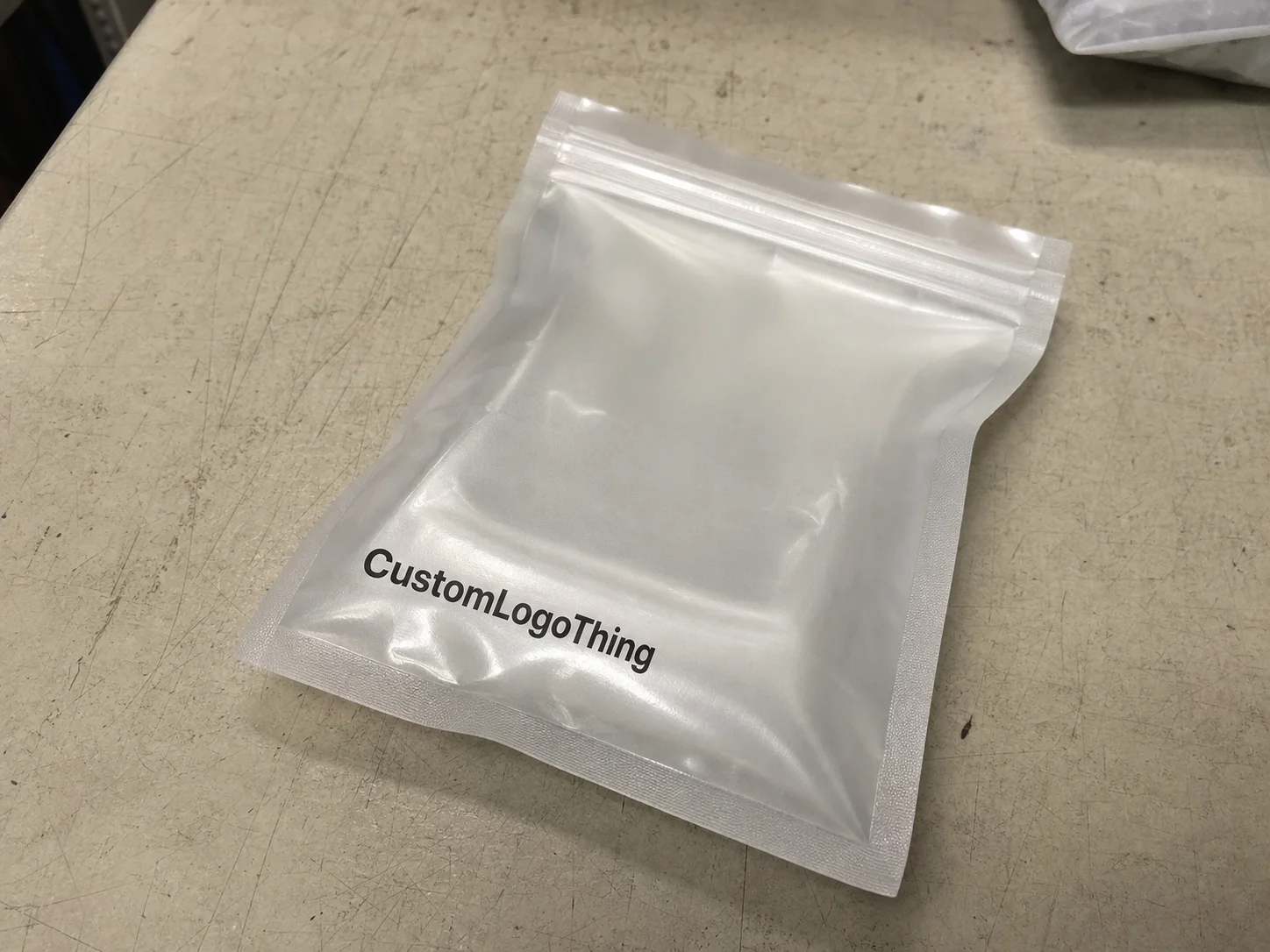
The first mistake is treating every resealable bag as interchangeable. It is not. A bag holding a folded garment insert has a different failure profile than one holding coffee, protein powder, screws, or a sample kit that gets opened all day. If the zipper is weak or the seal is inconsistent, the bag stops being packaging and becomes a nuisance.
Wholesale Custom Ziplock Bags are usually bought to remove friction. They keep products clean, reduce repacking, and simplify retail presentation. That is the real job. Strong zipper engagement, enough puncture resistance, and a print layout that survives handling matter more than a polished mockup that never leaves the screen.
The trap is comparing unit price before failure risk. The cheapest bag often becomes the most expensive once returns, labor, and damaged inventory are counted. In larger runs, even a small reduction in hand packing time can outweigh a slightly higher quote. Ten seconds per unit sounds trivial until it is multiplied across thousands of pieces.
“The spec is the product. If the zipper, film, and print do not match the use case, the quote is just a distraction.”
Use case should drive the build. Food products need a clean, repeatable seal and decent clarity. Supplements often need stronger moisture control and more disciplined branding. Hardware needs puncture resistance. Sample kits need repeated opening without zipper failure. If the bag sits beside other branded packaging, the visual standard has to stay consistent across the whole packout.
Film, Closure, and Print Options That Actually Change Performance
Film choice affects both appearance and durability. Clear film works when the product itself needs to be visible. Matte film reads more premium and hides scuffs better, but it usually adds cost. Frosted finishes soften the look under strong retail lighting and can make fingerprints or handling marks less obvious.
Closure style matters just as much. A single-track zipper is often enough for light products and lower handling. A double-track zipper gives a firmer reclose and is worth asking for when the bag will be opened repeatedly or packed with heavier content. If the product has an awkward shape, ask about zipper placement, tear notches, and hang holes before the order is locked.
Print method changes durability as well as appearance. Simple one- or two-color printing is usually the most cost-controlled route. Full coverage graphics or artwork that runs close to the seal line requires tighter registration and more prepress review. If the bag will be rubbed against shelving, tossed into cartons, or packed beside sharp edges, print wear matters almost as much as color accuracy.
Barrier performance is where expectations often drift. Standard PE zip bags handle dust, light moisture exposure, and general storage well. They do not solve every odor, oil, or humidity problem. If the contents are oily, powdery, or scent-sensitive, the film structure needs to be selected for that use case. Sometimes the correct answer is a better material build, not a lower quote.
For buyers balancing branding and function, the best spec is usually the one that protects the product while still showing it clearly. That is the core tradeoff in most custom packaging programs. It is also why wholesale custom ziplock bags should be priced against the actual packing environment, not a generic sample image.
Sizes, Gauges, and Finish Specs Buyers Should Lock Down
Start with the measurements that affect fit: width, height, gusset depth, usable fill area, and zipper placement. If those are vague, the quote is already shaky. A bag that is technically close in size can still waste space, slow packing, or force a product into a shape that looks awkward on the shelf.
Gauge, or film thickness, is the next major decision. Thinner film lowers cost and improves flexibility, but it gives up puncture resistance. Thicker film handles heavier contents, sharper corners, and harsher shipping conditions better. For many retail packaging projects, 2.5 mil to 4 mil is a practical band. Heavier products, or products that get handled constantly, can justify more.
Finish changes how the package reads in market. Gloss keeps color bright and increases visibility. Frosted film softens glare and can disguise scuffs. Fully clear bags are useful when the contents are visually strong and need to do the selling. For supplements, beauty items, and food, finish should be chosen with shelf visibility and artwork density in mind.
Buyers should also think about what the bag has to survive after it leaves the pack line. Transit vibration, compression in cartons, warehouse handling, and store shelves can reveal flaws that never show up in a still mockup. A bag that looks fine in a proof but splits at the corner after a few drops is not a packaging win.
Compliance matters if the bag touches food or regulated consumer goods. Ask for material details and any relevant food-contact documentation early. If the packaging will travel through distribution, basic transport testing is worth discussing as well. The ISTA framework is useful when a buyer wants a realistic view of how a pack behaves under drops and vibration. When paper elements are part of the system, FSC standards can also matter; details are available at FSC.
If the product is heavy, sharp, oily, or powdery, upgrade the spec before the pricing discussion gets too far. That sounds obvious. It is still the mistake buyers make most often because the bag looks simple from a distance.
Wholesale Custom Ziplock Bags Pricing, MOQ, and Quote Drivers
Pricing is driven by size, film thickness, print colors, finish, zipper style, and quantity. That is the basic formula, but it behaves differently from one project to the next. For wholesale custom ziplock bags, the cheapest route is usually a standard closure, a smaller print area, fewer colors, and a larger run that spreads setup cost across more units.
MOQ is tied to production setup and material runs. A lower minimum order usually means a higher unit price. That is not a supplier being difficult. It is the cost of print setup, material sourcing, and inspection being spread across a small batch. If a run requires a custom plate, exact color matching, and a special film build, the setup has to live somewhere.
Here is a rough view of mid-sized production pricing, excluding freight and special inserts:
| Build | Typical Use | Estimated Unit Price | What Changes the Number |
|---|---|---|---|
| 2-3 mil clear, one-color print, single zipper | Sample kits, light retail inserts | $0.12-$0.22 at 5,000 pcs | Artwork coverage, bag size, and carton configuration |
| 3-4 mil clear or matte, two-color print | Supplements, branded retail packaging | $0.18-$0.35 at 10,000 pcs | Finish, zipper type, and color registration |
| 4-6 mil, double zipper, full coverage print | Heavy, oily, or powdery products | $0.28-$0.55 at 20,000 pcs | Material weight, print complexity, and QC requirements |
Those numbers are production-side ranges, not landed cost. Freight, duty, palletization, and outer packaging can move the total more than buyers expect. Ask for landed pricing if the order is time-sensitive or shipping to multiple locations. A quote that ignores transport is only half the answer.
Artwork also changes cost more than many buyers expect. More colors mean more setup. Tight registration means more prepress work. Full-coverage printing means more ink and more inspection. If exact Pantone matching matters, say so early. If not, the supplier may build the quote around a broader tolerance and still be technically correct.
For a test order, the unit cost will usually be higher than the repeat order. That is normal. Once setup is spread across volume, wholesale pricing becomes more stable. A weak first spec can make the project look expensive when the long-term run would have been reasonable.
Production Steps and Turnaround From Proof to Delivery
The workflow should be predictable. Spec confirmation comes first, then artwork review, then a digital proof. If samples are needed, they should happen before full production. After approval, the order moves into manufacturing, then inspection, then packing, then freight booking. The sequence is simple. Buyers create delays by changing something after the proof is approved.
Turnaround usually breaks into two clocks: proof time and manufacturing time. Most delays happen before the factory starts. Slow file approval, missing bleed, no final color target, and revisions after sign-off can all add days without improving the bag. Clean files move faster because the prepress team has fewer questions to resolve.
If the lead time matters, send final artwork, a clean dieline, one decision-maker, and the shipping destination in the first round. That is the fastest path to a usable quote. For most custom packaging orders, a complete file package saves more time than a rush fee ever will.
Typical production windows often land around 12-15 business days after proof approval for standard custom work, with freight added on top. Complex print builds, lower MOQs, or multiple revisions can extend that. Sampling is separate and should be treated as its own schedule. Folding sample time into production time is how purchase orders get into trouble.
Late changes are the most common failure point. Buyers change gauge, decide they want a different zipper, or discover they should have asked for a matte finish after the quote is already approved. Every change resets part of the schedule. That is not inflexibility. It is what production looks like once tooling and materials are set.
What Makes a Supplier Worth Reordering From
The supplier worth reordering from is usually the one that keeps the spec stable. Consistent zipper engagement, repeatable color, and predictable lead times matter more than polished sales language. If the second order feels like a fresh project, the supplier has not built a usable wholesale system.
Look for the boring signs of competence. Clear specs. A real proofing process. Documented tolerances. Someone who can explain why one film build is better than another without dodging the question. That matters more than a polished presentation because it tells you the supplier understands production, not just selling.
A weak supplier usually gives itself away early. The quote changes every time you ask for detail. Nobody can explain the difference between seal strength and film gauge. There is no sample process. No one wants to put answers in writing. That is not a buying relationship. That is a risk with a logo on it.
Repeat-order support matters too. Once the spec is locked, the vendor should be able to reorder without rebuilding the whole job. That matters for replenishment, seasonal packaging, and retail programs that must stay visually consistent across drops. If the bag is part of a wider branded packaging system, the reorder should fit the same standard without guesswork.
Good service in wholesale work is usually practical, not theatrical: fast responses, sample support, packaging guidance, and clear freight options. If the supplier can also coordinate with custom printed boxes or other inserts, even better. That tells you they understand the packout, not just one item on the bill of materials.
What to Send for a Fast Quote and First Order
Send product dimensions first. Then quantity. Then artwork files. Add the zipper style, film thickness preference, finish, and shipping destination. If the product is oily, sharp, powdery, or food-contact, say that up front. A useful quote starts with the real use case, not a guess.
If the first order has to move quickly, include a fallback option. A second material or print setup can save time if the preferred spec misses budget or lead time. That is not a compromise. It gives the supplier a second path to a workable job instead of forcing a round of revisions that slows everything down.
Blank samples help with size checks. Printed proofs help with color, layout, and placement. If the bag has to align with other branded packaging pieces, ask for both. That is cheaper than discovering a fit problem after production has already started.
The cleanest quote requests are not long. They are complete. A spec sheet with dimensions, quantity, artwork, finish, and shipping location is enough to get a useful number. If only a rough concept is sent, expect prepress questions before pricing is final.
For buyers comparing wholesale custom ziplock bags across suppliers, the goal is simple: lock the spec, confirm the proof, and reserve the production slot before lead times stretch. That is how the order keeps moving without paying for preventable mistakes.
Frequently Asked Questions
What is the MOQ for wholesale custom ziplock bags?
MOQ depends on bag size, print coverage, and material setup. It is usually higher for fully custom runs than for stock-style bags. Ask whether MOQ is based on printed pieces, packed cartons, or combined SKUs so the quote is not misleading. If you are testing a product, request the lowest practical run first and compare the unit cost against a larger reprint.
How is wholesale custom ziplock bags pricing calculated?
Price is driven by size, film thickness, print method, zipper style, and order volume. More colors, more coverage, and tighter quality requirements usually increase the unit price. Freight and packaging can move the total more than buyers expect, so always ask for landed cost instead of only factory pricing.
Can I get samples before placing a wholesale custom ziplock bag order?
Yes, and you should if the bag will hold food, powders, or anything with a specific fit requirement. Request a blank sample for size checks and a printed proof for color and layout review. Confirm whether sample charges are credited back on the production order.
What file format do you need for custom ziplock bag artwork?
Vector files are preferred for clean print edges and scalable artwork. Provide a dieline, fonts outlined, and clear Pantone or CMYK targets if color matters. If you only have a rough concept, expect a prepress review before the quote is finalized.
What is the lead time for wholesale custom ziplock bags?
Lead time depends on proof approval, order size, print complexity, and freight method. Clean files and fast approvals usually shorten the production schedule more than anything else. Ask for separate timing on sampling, production, and shipping so there are no hidden gaps.
Are custom ziplock bags suitable for food products?
They can be, but the material and documentation need to match the application. Ask for food-contact suitability and confirm whether the bag is meant for dry goods, powders, or higher-moisture contents. A bag that looks right is not enough if the compliance paperwork is missing.
Wholesale custom ziplock bags are worth buying when the spec matches the product, the print holds up in handling, and the zipper still works after the first opening. If the bag is chosen that way, it supports the product instead of getting in the way.


