For a folded tee, a kids’ outfit, or a neatly packed hoodie, Custom Ziplock Bags for clothes do more than keep fabric together. They create a clean first impression, help garments arrive in better condition, and make packing more orderly on the production floor. In apparel, packaging is not decoration. It is part presentation, part protection, and part process control.
That distinction matters because the best bag is rarely the most eye-catching one. It is the one that fits the garment, closes reliably, holds up during handling, and still looks good when the customer opens the carton or picks the item off a shelf. A cheap bag that fogs up, tears at the seam, or arrives with inconsistent printing can pull down the value perception of an otherwise strong product.
People sometimes treat apparel bags as simple clear plastic pouches with a logo. In practice, the spec sheet tells a different story. Material choice, thickness, seal quality, print method, and the way the garment is folded all change performance. Compare Custom Ziplock Bags for clothes with other forms of retail packaging, and the real differences show up in those details rather than the category name.
Why apparel brands are switching to custom ziplock bags
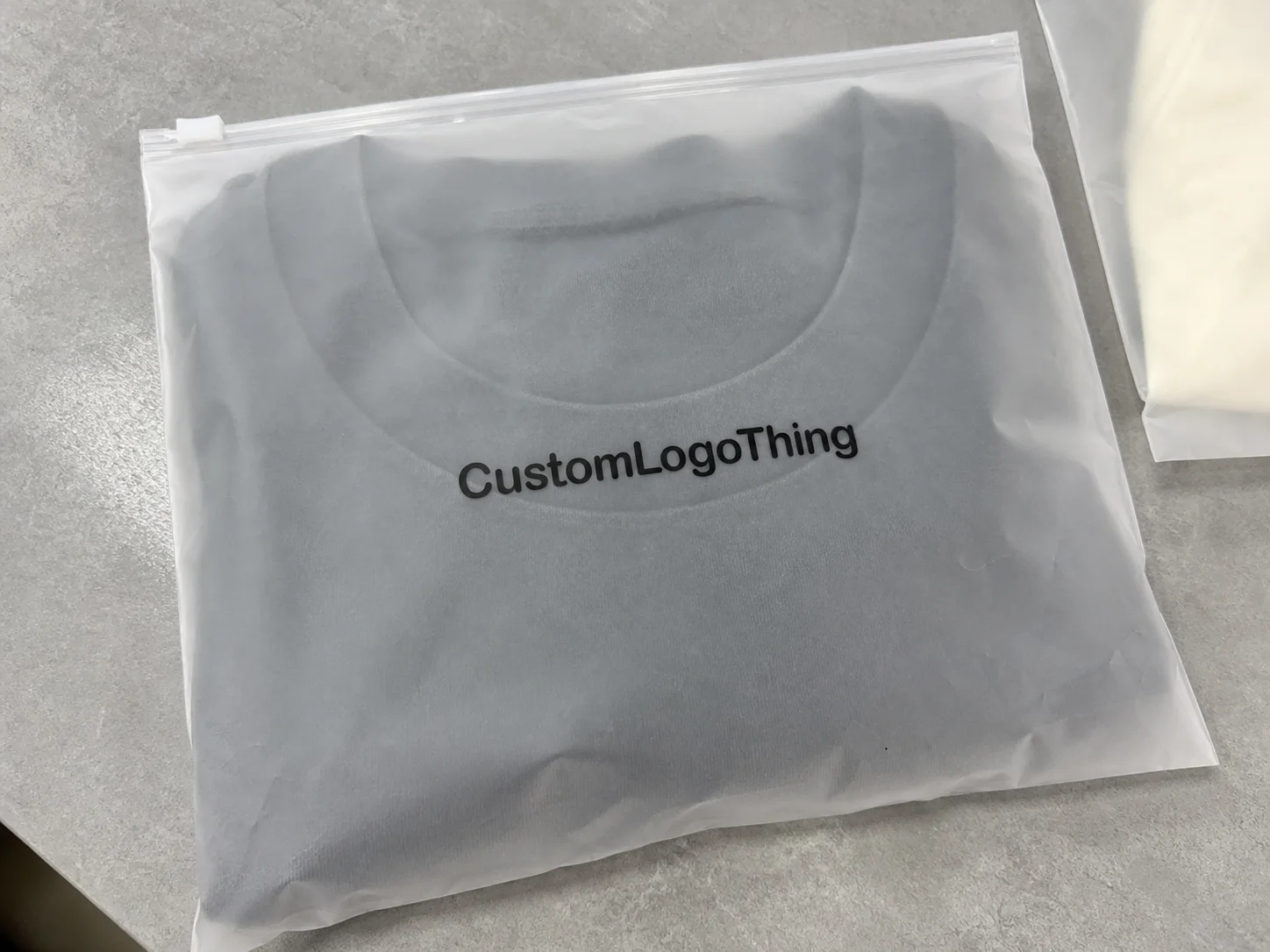
A folded T-shirt sitting inside a clear resealable bag feels orderly before anyone even inspects it. That is the main attraction of Custom Ziplock Bags for clothes: they protect the item while giving it a finished, intentional look. For many brands, that matters as much as the garment itself because the bag is one of the first physical touchpoints a buyer sees.
These bags are flexible plastic pouches with a press-to-close seal. They are used for retail display, e-commerce fulfillment, warehouse storage, and garment sets that need to stay together by style or size. A small operational detail like that can save a surprising amount of time when packers are working through dozens of SKUs.
The value is practical. A well-made bag helps reduce dust, limits light surface scuffing, adds a bit of moisture resistance, and keeps clothing aligned during transit. It can also support tamper-evident presentation after inspection and folding. None of that sounds glamorous, but buyers notice the difference fast when a package arrives wrinkled, dusty, or loosely packed.
Most apparel bags are made from LDPE, CPP, or laminated film. LDPE is softer and more flexible. CPP usually offers better clarity and a crisper hand feel. Laminated options add structure and can improve print performance, though they often raise the price. For clothing, clarity and seal strength tend to matter more than flashy extras. A cloudy bag or a weak closure makes the whole package feel less controlled.
The other benefit is less visible: packaging consistency can reduce rework. Bags do not fix defects, but they can lower the odds of wrinkling, dust marks, and shipping mess. That kind of stability matters for apparel brands that ship frequently, because small cosmetic issues often show up first in reviews and return notes.
“The best apparel bag is the one that disappears into the experience while still doing a lot of work.”
How the ziplock seal and bag structure work
The closure itself is straightforward. A male-and-female interlocking track is pressed together to seal and pulled apart at the lip to open. That simplicity is why Custom Ziplock Bags for clothes are so useful in apparel. They can be opened and resealed without tape, tools, or extra labor.
The structure of the bag matters just as much as the zipper track. Most apparel bags use side seals and a bottom seal. Those seams determine whether the bag holds shape around a folded garment or collapses awkwardly in transit. If the film is too thin, the bag can split when a packer inserts a hoodie or a multi-piece kids’ set. If it is too stiff, the bag may feel neat but slow down the packing line.
Thickness is usually measured in microns or mils, depending on the supplier. For lightweight tees or socks, a lighter gauge may be enough. For heavier knits, denim, or garments with hardware, a thicker film is often the safer choice. More gauge usually means better puncture resistance and a stronger hand feel, though it also increases cost and can slightly reduce flexibility.
Several structural choices change how the bag performs in real use:
- Hanger holes for peg display or hook merchandising
- Printed panels for logo placement, size labels, or care information
- Frosted finishes for a softer, more premium visual effect
- Vent holes when packed garments need a little air release
- Slider seals for easier open-close use and customer reuse
Print method changes the final look. Surface printing keeps the bag clear while adding brand presence. Opaque panels hide areas you do not want visible. Transparent windows let the garment show through while still giving the brand a defined space. For many apparel lines, the goal is to enhance the item without overpowering it. The packaging should frame the clothing, not compete with it.
If you are comparing options against Custom Packaging Products, ask how the zipper is formed, whether the film is mono-layer or laminated, and how print is applied. Those details affect clarity, flexibility, and durability more than most buyers expect on a first quote.
Key specs that affect fit, protection, and shelf appeal
Size is the first spec to lock down. A folded sock pack needs a very different footprint from a hoodie or a children’s two-piece set. If the bag is too small, the garment gets compressed and the closure is stressed. If it is too large, the product moves around and the presentation loses its tidy, premium feel. For that reason, custom ziplock bags for clothes should be sized from the folded garment, not the flat product measurements.
Thickness comes next. A light bag can work for a basic T-shirt, but garments with zippers, snaps, heavy stitching, or rougher surfaces usually benefit from a thicker film. Buyers often compare retail-grade films for soft goods with heavier gauges for shipping-facing applications. The right number depends on the fabric, the fold, and how much handling the package will see before it reaches the customer.
Finish changes perception quickly. Clear film gives the best visibility. Frosted film softens the look and can make the logo read more cleanly. Matte effects reduce glare under store lighting. Light tinting can create a more curated brand presentation. If the product is sold on a shelf or in an e-commerce listing, the finish should support that channel rather than fight it.
There is also a practical difference between display packaging and storage packaging. A bag used for hanging retail display may need a hanger hole and a cleaner front panel. A bag used inside a mailer may prioritize seal reliability and abrasion resistance. A reusable storage bag needs easier opening and better durability, which can push the spec toward a slider closure or a thicker film.
Here is a practical comparison of common apparel bag directions:
| Bag type | Typical use | Pros | Trade-offs |
|---|---|---|---|
| Clear LDPE zip bag | Tees, socks, basic retail packing | Lower cost, flexible, easy to fill | Softer structure, less premium feel |
| Frosted CPP zip bag | DTC apparel, boutique presentation | Cleaner look, strong clarity, more polished | Usually costs more than basic LDPE |
| Laminated printed bag | Higher-end retail packaging | Better branding, stronger visual impact | Higher setup and print cost |
| Slider-seal apparel bag | Reusable storage, premium collections | Easy open-close action, better customer reuse | Higher unit price, more moving parts |
Branding should be handled with restraint. A logo that is too large can crowd the garment view, while one that is too small can disappear on shelf. For clear bags, subtle printing often works best when the clothing itself already carries strong color or texture. If the bag sits inside a broader custom printed boxes and mailer system, keeping the visual tone consistent across formats helps the entire package feel more coherent.
Moisture exposure, heat resistance, and reuse also matter. Some buyers want a bag that customers can keep for travel or storage after purchase. Others only need the bag to survive packing and shipment inside a carton or poly mailer. Those use cases lead to different spec choices, and they should be discussed before artwork is finalized.
Cost, pricing, MOQ, and what changes the quote
Pricing for custom ziplock bags for clothes usually comes down to a few variables: material type, bag size, thickness, print coverage, closure style, and any extras such as hanger holes or frosted finishes. The more the bag departs from a standard clear pouch, the more the quote tends to rise. A basic bag with simple print is one price; a thick, frosted, multicolor bag with a custom closure is another.
Minimum order quantity, or MOQ, has a direct effect on unit cost. Larger runs spread setup and material prep across more bags, so the per-unit price usually drops. Smaller orders still make sense for a launch or a test program, but the math is usually less favorable. If a supplier quotes 5,000 pieces at one rate and 20,000 at another, compare the total spend, storage needs, and the shelf life of the artwork or size run before deciding.
Print coverage is another major driver. A one-color logo on a clear panel is generally easier and more economical than full-panel printing or a multi-color layout that wraps across both sides. Complex artwork may require extra proofing or different plate preparation, especially if the supplier is using flexographic printing. The more colors and placement zones involved, the more chances there are for registration issues or setup delays.
Tooling and prepress can surprise buyers who are expecting only a unit price. If the vendor must prepare print plates, create a custom dieline, or adjust artwork for proper registration, there may be setup charges before production begins. That does not mean the quote is padded. It usually means the supplier is being explicit about the production path, which is better than hiding the cost in a vague unit rate.
Material choice also affects the final number. LDPE often sits at the lower end of the cost spectrum. CPP and laminated structures usually cost more because they bring better clarity, a different hand feel, or a more demanding production process. If the bag is meant to perform double duty as retail packaging and storage packaging, that extra material cost can be easier to justify.
For rough planning, buyers often see patterns like these:
| Order profile | Likely cost direction | Why |
|---|---|---|
| Small MOQ, simple one-color print | Moderate to higher unit cost | Setup costs are spread across fewer bags |
| Mid-volume run, clear bag, minimal print | Usually the best balance | Good scale without heavy complexity |
| High-volume run, full print, special finish | Higher total spend, lower unit cost than small runs | More process steps, but stronger scale economics |
Always compare apples to apples. Check the exact dimensions, gauge, closure type, print method, proofing process, and freight assumptions. A quote that looks cheaper may not include the same thickness or shipping terms. It also helps to ask whether samples were based on the final spec or a generic reference bag. That single detail can change how reliable the quote is.
Process and timeline from artwork to delivery
The path from idea to delivery is usually direct, but it still needs discipline. Most projects start with a quote request, followed by spec confirmation, artwork submission, proof review, sample approval if needed, and then production. For custom ziplock bags for clothes, the best results come when the buyer gives complete information early instead of trying to define the bag after the proof is already moving.
Artwork delays are common. Missing dielines, low-resolution logos, incorrect colors, and late changes after proof approval can push schedules out quickly. If the print needs to align with a specific area of the bag, the supplier needs exact dimensions and placement notes, not just a logo file attached to an email. Packaging artwork is less forgiving than many teams expect.
Lead time depends on stock material availability, print complexity, order size, and the production queue. A plain clear bag and a multicolor custom run do not move through the factory at the same pace. If the order is being imported, transit time and customs should be counted as part of the timeline, not treated as an afterthought. A bag program can be delayed just as easily by shipping as by production.
Here is the typical logic:
- Request a quote and share the garment type, folded size, and target quantity.
- Confirm material, thickness, finish, and logo placement.
- Submit vector artwork and approve the digital proof.
- Approve a physical sample when the launch is important or the bag is new.
- Move into production and book freight early enough to avoid a stockout.
For seasonal drops, trade shows, or tight restocks, a buffer is worth building in. A bag order that appears simple can still take longer if the artwork changes twice or a supplier has to remake the sample. Packaging is rarely the place to gamble on a deadline.
For broader packaging compliance and materials context, industry references from organizations like the Packaging Association can help when you are comparing materials or aligning packaging with sustainability goals. If recycled-content claims or waste-reduction language are going on the bag, verify those claims before print approval. Once they are printed, they become part of your public record.
Common mistakes when ordering apparel packaging bags
The most common mistake is ordering a bag that is too small. Even if the garment technically fits, a tight bag can wrinkle the fabric, slow the packing line, and strain the closure. The bag should accept the folded item with enough room for clean insertion and resealing. If the packer has to force it, the spec is wrong.
Choosing a film that is too thin is another frequent problem. Thin bags can feel flimsy in the hand, split at the seal, or crease badly in transit. That lightweight feel can quietly undermine the value of the garment inside. If the packaging is meant to look polished, the bag needs enough body to hold shape during handling and presentation.
Artwork mistakes are just as damaging. Low-resolution logos, poor contrast on clear film, and text placed too close to the seal can look acceptable on screen and messy in production. Clear bags make design errors more visible, not less. Good packaging design starts with the actual bag size and print area, not with a logo dropped into a template.
Some buyers also forget to match the spec to the use case. A bag meant for shelf display is not always the same bag that works best for returns or warehouse sorting. A bag used for premium direct-to-consumer presentation may need a cleaner finish than one used for bulk packing. The right choice depends on whether the bag is being used for display, storage, shipping protection, or some combination of the three.
Samples matter more than many teams expect. A pouch can look perfect in a digital proof and still feel cloudy, too soft, or too rigid in hand. It is far cheaper to correct that problem before production than after a full run is already packed and in transit.
“If the sample feels wrong, the full run will not fix it.”
Expert tips for ordering better packaging, faster
Start with the folded garment dimensions, then add practical room for insertion and resealing. That one step prevents most sizing problems before they reach production. If you are ordering custom ziplock bags for clothes for multiple SKUs, group the garments by folded footprint first and define a bag size for each product family instead of forcing everything into one compromise spec.
Ask for a physical sample or a mockup before committing to a large run, especially when the collection is new. A mockup shows whether the logo sits in the right place, whether the zipper is easy to use, and whether the bag visually matches the rest of your branded packaging. That check usually saves more time than another round of email revisions.
Keep branding restrained if clarity matters. A clean logo, a size mark, or a short brand line can be enough. Overprinting a clear bag can make the garment harder to see, which defeats the point of using transparent apparel packaging in the first place. In many cases, the bag should support the product rather than dominate it.
Consistency helps operations. If the same bag style is used across several items, packers learn it faster and errors drop. The unboxing experience also feels more controlled. The same logic applies across Custom Packaging Products; stable specs are easier to scale than a different bag for every SKU.
Share the real use case with the supplier. Tell them whether the bag is for shelf display, warehouse handling, direct-to-consumer fulfillment, or long-term storage. That context improves recommendations around material, seal type, and print layout. Suppliers can only give useful advice if they know what the bag has to do.
If sustainability is part of your packaging story, ask for material disclosures and verify any claims against recognized guidance. For environmental and recycling context, the EPA is a useful public reference point when comparing plastic film choices or understanding waste claims. A cleaner packaging story is stronger when it is accurate.
Next steps for choosing the right bag size and spec
Measure the folded garment, not the unfolded one. Then note whether the bag needs to hold a single item, a bundle, or a full set. That is the starting point for choosing custom ziplock bags for clothes that fit the packing process instead of just the product photo.
From there, decide what matters most: the lowest cost, the strongest protection, the clearest display, or the most premium branding. Those goals rarely peak at the same time. A basic tee pack does not need the same build as a boutique hoodie or a giftable kids’ set, and forcing every item into one spec usually creates more waste than efficiency.
Prepare vector artwork and make sure logo placement is defined before requesting a quote. Compare two or three sample specs side by side, and look at each one with the garment inserted, not just the empty bag. If one version feels tighter, one looks clearer, and one better matches the brand tone, the decision usually becomes obvious quickly.
Once the approved spec sheet is in hand, place the order, confirm the timeline, and align packaging with the launch or restock plan. If the apparel line also uses custom printed boxes or mailers, keep those pieces coordinated so the customer sees one consistent brand story from carton to garment bag.
Used well, custom ziplock bags for clothes are a practical packaging choice that improves fit, protects the garment, and supports a cleaner presentation without complicating production. That is usually what buyers want most: a bag that looks good, packs well, and does its job without drama.
What size custom ziplock bags for clothes should I order?
Base the size on the folded garment dimensions, not the flat product size. Add room for easy insertion, resealing, and a clean retail presentation. If you sell multiple apparel types, choose one size for each product group instead of forcing one bag to fit everything.
Are custom ziplock bags for clothes good for shipping?
Yes, they help keep clothing clean, organized, and protected from dust and light moisture. For heavier or sharper items, choose a thicker film so the bag resists tearing during handling. They usually work best as inner packaging inside a mailer or carton rather than as the only outer protection.
What affects the price of custom apparel zip bags the most?
Material type, thickness, size, print coverage, and closure style are the biggest cost drivers. Higher order quantities usually reduce unit cost. Special finishes and complex artwork can raise the quote.
How long does production usually take for custom clothing zip bags?
Timeline depends on artwork approval, order size, material availability, and print complexity. Proofing and revisions can add days before production even starts. Plan extra time for shipping, especially if the bags are being imported.
Can I print my logo on custom ziplock bags for clothes?
Yes, most suppliers can print logos, brand names, and simple graphics on the bag surface. The best print style depends on whether you want maximum visibility or a more understated premium look. Vector artwork usually produces the cleanest final result.


