Why custom ziplock bags with logo do more than seal a product
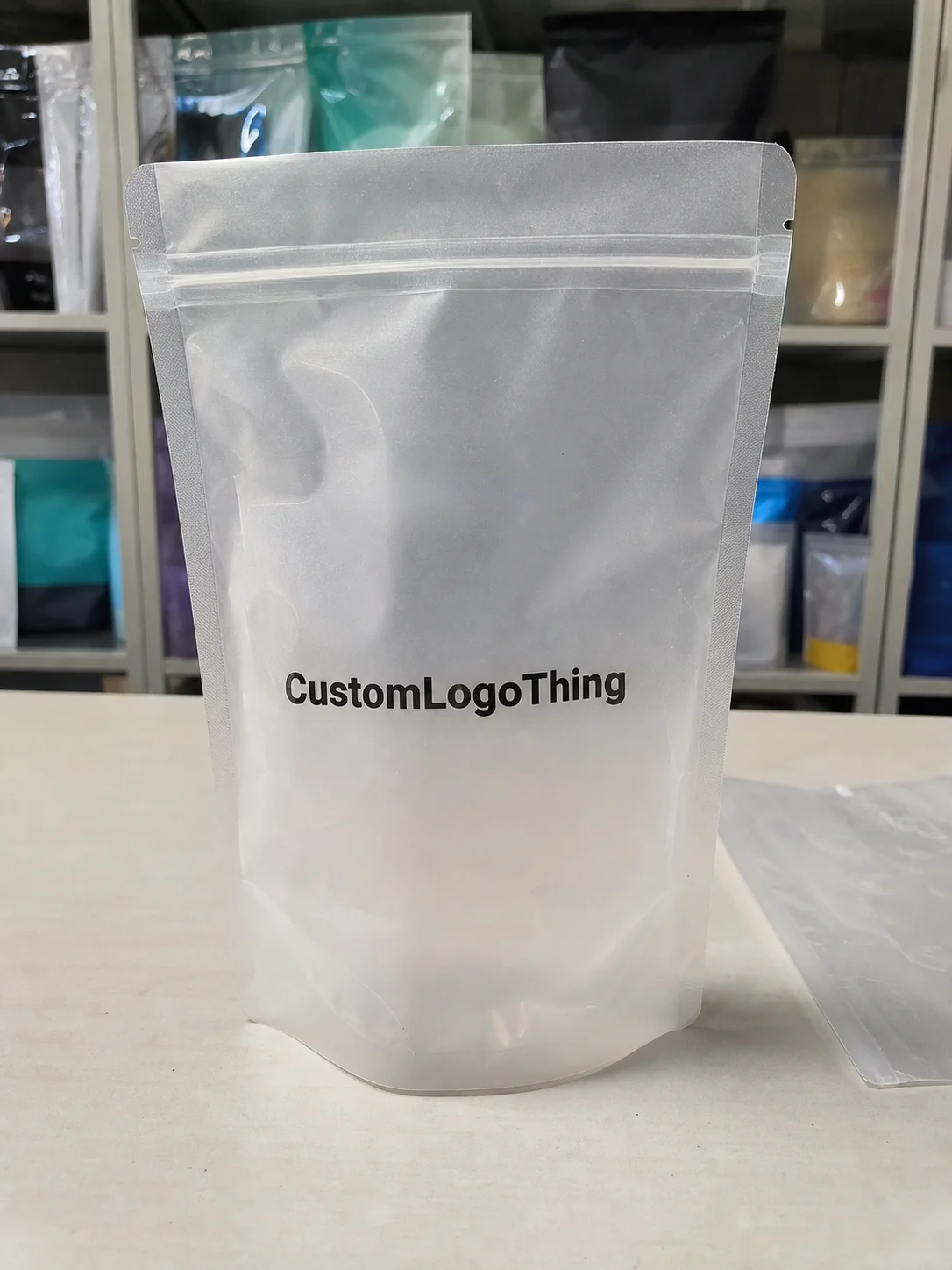
A plain pouch can protect a product, but custom zipLock Bags with Logo do more than keep contents from spilling. They shape the first impression, signal that a product is finished and intentional, and reduce the small points of friction that show up when buyers are sorting samples, stocking shelves, or opening a shipment for the first time.
That matters across a wide range of products: snack portions, supplements, bath salts, cosmetic samples, hardware, and promo kits. The format is simple enough to stay economical, yet structured enough to make a lightweight item feel considered. A logo on film is not decoration for its own sake. It gives the package a job beyond containment.
For packaging buyers, the value is practical. A printed zipper bag can improve product recognition, reduce mix-ups in fulfillment, and make replenishment easier on a retail shelf. For e-commerce brands, it can lift the unboxing experience without moving to a heavier or more expensive carton. That matters when shipping costs are already high and product margins are under pressure.
Material choice, print method, and closure style all shape the result. A bag that looks fine on a spec sheet can still feel flimsy, scuff too easily, or fail to protect the product if the film and zipper are mismatched. The best outcome usually comes from treating the bag as a system rather than a single item with a logo stamped on it.
How the zipper bag structure, materials, and printing process work
A printed zipper bag has a few core parts, and each one changes performance. The film layers form the body, the zipper track handles repeated opening and closing, the side and bottom seals hold the structure together, and the printed panel carries the logo, ingredients, instructions, or regulatory copy. Buyers often ask for Custom Ziplock Bags with logo, but what they really need is a coordinated spec that fits the product and the packing line.
PE is common for flexible, economical bags with good clarity and easy sealing. PET/PE laminations are stiffer and usually present graphics better, which is why they often feel more premium in hand. Barrier films come into play when freshness, odor retention, or moisture resistance matters more than basic containment. For dry goods or light samples, a simple PE structure may be enough. For powders, scented products, or items sensitive to humidity, a laminate or barrier build is often the safer choice.
Printing method depends on quantity and artwork complexity. Flexographic printing usually fits larger runs because setup costs are spread across more units, and the process is efficient once it is running. Digital printing works better for short runs, test launches, or multiple SKUs with different artwork. White ink, matte varnish, and spot gloss all change how a logo reads on film, especially when the base material is clear, tinted, or reflective.
The zipper itself deserves attention. A closure should open and reclose without tearing the seal area, and the top structure needs enough room to handle repeated use. Some products need a stronger tamper-evident feel. Others need easy access because the bag will be opened many times. That difference affects zipper placement, seal width, and even the thickness of the film around the opening.
For a quick comparison, here is how the main structures usually stack up:
| Material / Format | Typical Strength | Best For | Common Tradeoff |
|---|---|---|---|
| PE zipper bag | Flexible, economical, decent clarity | Samples, dry goods, light retail items | Less premium feel than laminated film |
| PET/PE laminate | Better stiffness and print appearance | Retail packaging, cosmetics, supplements | Usually higher cost per unit |
| Barrier film pouch | Improved moisture or odor protection | Food, powdered products, sensitive contents | More material complexity and pricing |
If a package has to survive distribution testing, ask whether the supplier checks against a recognized method such as ISTA-based testing. The ISTA standards site is a useful reference point. For broader material and recovery discussions, the EPA sustainable materials page is a practical place to start.
Key factors that affect cost, pricing, and unit value
Pricing for custom ziplock Bags with Logo comes down to a few variables, and size is usually the first one. A larger bag uses more film, more ink coverage, and often a wider closure area. Film thickness matters too. A 2.0 mil bag and a 4.0 mil bag can look similar at a distance, but they do not behave the same in production or in hand. Thicker film usually feels more substantial, but it also costs more and can change how the zipper performs during filling.
Print coverage is another major driver. A single-color logo on one side is much simpler than full-bleed artwork on both sides with white underprint and a matte finish. The more colors in the design, the more setup complexity you add, especially in flexographic runs. Specialty features also affect the quote. Hang holes, clear windows, child-resistant zippers, and custom finishes all add process steps or material cost.
Quantity changes the math in a meaningful way. Setup costs, plate costs, and prepress work are largely fixed, so larger orders spread those expenses over more bags. As a rough market pattern, small digital runs often carry a much higher unit price than high-volume flexo runs. For some buyers, that means a short-run pouch can land in the upper cents to over a dollar per unit, while larger production can fall into the tens of cents. That is only a ballpark; size, structure, and print coverage can move the number quickly.
Inventory risk matters too. A product with seasonal demand, fast artwork turnover, or multiple flavor variants may not justify a large run, even if the unit price improves. A lower unit cost can become expensive if the bags sit unused or if the artwork changes before the stock is gone. The best pricing decision is not always the cheapest one. It is the one that fits the product cycle.
One practical way to compare value is to look beyond the quote line:
| Feature | Lower-Cost Option | Higher-Cost Option | What You Gain |
|---|---|---|---|
| Print style | One-color logo | Full-color artwork with white ink | Stronger shelf impact and branding |
| Finish | Gloss film | Matte or matte-soft-touch | More premium tactile feel |
| Special feature | Standard zipper | Window, hang hole, or child-resistant zipper | Better merchandising or product-specific function |
| Order quantity | Smaller MOQ | Larger production run | Lower unit price, if inventory risk is manageable |
Buyers sometimes focus on unit price and miss the downstream savings. If the bag helps the product look retail-ready, reduces repacking, or lowers complaint rates because the closure is better, the packaging can pay back in ways that do not appear in the first quote. That is especially true for product packaging where labor and presentation both matter.
Step-by-step process and timeline for ordering printed zipper bags
The ordering process is easier when the brief is specific. Start with the product itself: dimensions, fill weight, texture, whether the contents are sharp-edged or powdery, and whether the product needs freshness protection or simple containment. Then decide how the bag will be used. Will it sit on a shelf, hang from a peg, move through e-commerce fulfillment, or be handed out as a sample? Those use cases often point to different structures.
Once the basic spec is set, artwork comes next. Prepress work is more technical than many buyers expect. Files are checked for resolution, logo format, bleed, safe area, and color separations. If the bag uses transparent film or a matte surface, the design may need adjustment so the logo does not disappear into the background. This stage also includes proofing, and proof review is where small problems are caught before they become expensive.
A typical timeline looks like this:
- Brief and sizing — product measurements, material choice, and closure selection.
- Artwork preparation — vector files, color matching, and layout setup.
- Proof review — digital proof or sample approval.
- Production scheduling — print slot, film sourcing, and zipper allocation.
- Printing and converting — ink application, lamination if needed, cutting, and sealing.
- Final inspection — seal check, print check, and carton packing.
Lead time usually lands somewhere around 12 to 20 business days after proof approval, though specialty materials, large quantities, or tight color targets can push that out. Digital jobs for short runs may move faster. Flexographic production often takes longer to set up, but it becomes efficient once the press is running. If the order supports a launch date, a trade show, or a compliance deadline, build in buffer time. Fast approvals from the buyer matter as much as factory speed.
For teams comparing formats, it can help to review Custom Packaging Products alongside the bag spec. Sometimes the better answer is a pouch, sometimes a carton, and sometimes the strongest result comes from pairing the bag with labels or inserts.
Common mistakes buyers make when choosing custom printed zipper bags
The first mistake is sizing the bag too quickly. A product may measure 4 inches wide, but that does not mean a 4-inch bag is right. You still need fill allowance, seal space, zipper height, and, if the bag must stand upright, enough base structure to keep it stable. A bag that looks perfect flat can become awkward once it is filled.
Artwork is another weak point. Thin type, low contrast, and crowded layouts can disappear on reflective film or soften on matte surfaces. Small legal lines and ingredient copy are especially vulnerable. On printed film, safe margins are not optional. They are the difference between a clean front panel and one that feels cramped.
Material mismatch shows up often too. A thin bag may be fine for soft goods, but it can be a poor fit for sharp-edged hardware or dense fills. A low-barrier film may also be inadequate if moisture or odor control matters. If the contents are sensitive, ask for material guidance instead of assuming the cheapest option will hold up.
Rushed approvals create their own problems. Color always shifts a little from monitor to film. Zipper feel may not match expectations if the sample is not reviewed carefully. Lead times slip when files are incomplete, and shipping dates get missed when packaging is treated as a late-stage task rather than part of the launch plan. The cleanest jobs are usually the ones that get slow, careful decisions upfront.
Expert tips for better branding, durability, and shelf appeal
Keep the front panel focused. One strong logo, a clear product name, and one key selling point usually read better than a dense layout. If the bag is competing on a shelf, contrast matters more than decoration. Dark text on a light panel, or a bright logo block on a restrained field, usually performs better than a design that tries to say everything at once.
Finish choice should match the brand and the channel. Gloss tends to catch light and make colors feel vivid. Matte gives a softer, more restrained appearance that many buyers associate with premium product packaging. Neither is universally better. The right choice depends on how the product is sold, handled, and displayed.
Practical rule: if a logo, ingredient statement, or barcode must be read quickly, check it at actual print size before approval. What looks clear on a monitor can become clutter on a pouch panel.
When seal strength, zipper feel, or puncture resistance matters, request a physical sample. A flat mockup can show artwork placement, but it will not tell you whether the zipper opens cleanly or whether the material feels too slick on the filling line. That tactile check is especially useful for food, supplements, and samples where repeated handling is expected.
It also pays to compare a few combinations before locking the order. Ask for pricing on two or three size and material options, not just one. A slightly different film gauge or bag width can sometimes improve performance without changing the cost much. That kind of comparison is one of the simplest ways to buy better while keeping the packaging functional.
Next steps: how to prepare your artwork, specs, and quote request
If you want a clean quote and fewer revision cycles, gather the basics before you send the request. Include product dimensions, fill weight, desired material, number of print sides, zipper style, and estimated quantity. If the bag needs to stand, hang, or protect against moisture, say so plainly. That context narrows the right structure much faster than a vague request for Custom Ziplock Bags with logo.
Artwork should be in vector format when possible, especially for logos and text-heavy layouts. If brand colors matter, include Pantone references or clear color standards. If the packaging needs to match labels, cartons, or Custom Packaging Products already in use, mention that too. Matching the bag to the rest of the line saves time and keeps the product family visually consistent.
One practical detail gets overlooked often: if the product varies in fill volume, ask for two size options. That is common with powders, seasonal items, and sample kits, where the same SKU may be packed differently over time. A slightly larger bag can prevent overstuffing and make the zipper easier to close. A smaller one can look tidier on shelf. Both can be valid, depending on the use case.
Good specs lead to better proofs, and better proofs lead to fewer production surprises. That part is easy to underestimate. A clear brief, a clean file, and a realistic quantity plan usually shorten the path to a bag that performs the way it should.
Custom Ziplock Bags with logo are not just containers. They are part of the handling system, part of the brand system, and part of the product story. If the material matches the contents and the artwork fits the format, the result is a package that protects the product, presents it clearly, and holds up through the ordinary abuse of packing, shipping, and shelf life.
What is the best material for custom ziplock bags with logo?
PE works well for flexible everyday use and clear visibility. Laminated or barrier films are better when moisture, odor, or freshness protection matters more. The right choice depends on product weight, puncture risk, and shelf-life needs, not appearance alone.
How do I know what size custom zipper bag to order?
Measure the product at its widest point and include room for filling and the zipper seal. Consider whether the bag needs to stand up, hang, or fit a retail display. If you are unsure, ask for two sample sizes so you can compare fit and presentation.
What affects the price of custom ziplock bags with logo the most?
Size, material, print coverage, number of colors, and order quantity usually drive the price most. Special features such as matte finish, windows, or custom zipper styles can add cost. Larger quantities often lower the unit price because setup expenses are spread out.
How long does production usually take for printed zipper bags?
Timeline depends on artwork approval, sample needs, print method, and material availability. Digital runs can move faster for smaller quantities, while larger printed runs often need more scheduling time. Fast approvals and complete artwork files help keep lead time under control.
Can I print on both sides of custom ziplock bags with logo?
Yes, many bags can be printed on the front and back, depending on the material and production method. Double-sided printing works well for ingredients, instructions, branding, or compliance text. Keep the layout clean so the bag still reads well after filling and handling.


