Buyer Fit Snapshot
| Best fit | Wholesale Packaging Boxes for Logistics projects where brand print, material claims, artwork control, MOQ, and repeat-order consistency need to be specified before quoting. |
|---|---|
| Quote inputs | Share finished size, material target, print colors, finish, packing count, annual reorder estimate, ship-to region, and any compliance wording. |
| Proofing check | Approve dieline scale, logo placement, barcode or warning zones, color tolerance, closure strength, and carton packing before bulk production. |
| Main risk | Vague material claims, crowded artwork, missing packing details, or unclear freight terms can make a low unit price expensive after revisions. |
Fast answer: Wholesale Packaging Boxes for Logistics: Specs, Cost, Fit should be specified like a repeatable production item. The safest quote records material, print method, finish, artwork proof, packing count, and reorder notes in one written spec.
Production checks before approval
Compare the actual filled-product size with the drawing, then confirm tolerance on folds, seals, hang holes, label areas, and retail display edges. Reserve space for logos, QR codes, warning copy, and material claims before decorative graphics fill the panel.
Quote comparison points
Review material grade, print process, finish, sampling route, tooling charges, carton quantity, and freight assumptions side by side. A quote is only useful when the supplier can repeat the same color, closure quality, and packing count on the next order.
Wholesale packaging boxes for logistics can look plain right up until a pallet lands with crushed corners, sliding product, and a freight bill that punishes every inch of wasted space. The cheapest carton often turns into the most expensive choice once repacks, damage claims, filler material, and dimensional weight get added to the total. That lesson usually shows up after the invoice has already been paid, which is a pretty expensive way to learn it.
For a packaging buyer, wholesale packaging boxes for logistics are never only a supply line item. They shape product protection, labor time, and shipping efficiency all at once. A box that runs too large, too weak, or too awkward to assemble shows up immediately in the warehouse. A box that fits properly, stacks neatly, and survives the trip makes the rest of the operation calmer. Good corrugated design still matters even when the carton is plain and the branding stays minimal.
Teams that need repeatable supply usually do best with the box that fits the product, the carrier network, and the actual pace of the warehouse. If branded packaging or Custom Printed Boxes matter for customer-facing shipments, the structure still has to do its job first. A good-looking carton that fails on the dock is decoration, not a shipping solution. I've seen buyers get excited about print, then spend the next month dealing with split seams and crushed corners. That trade never feels smart for long.
Wholesale Packaging Boxes for Logistics: Why Cheap Boxes Fail
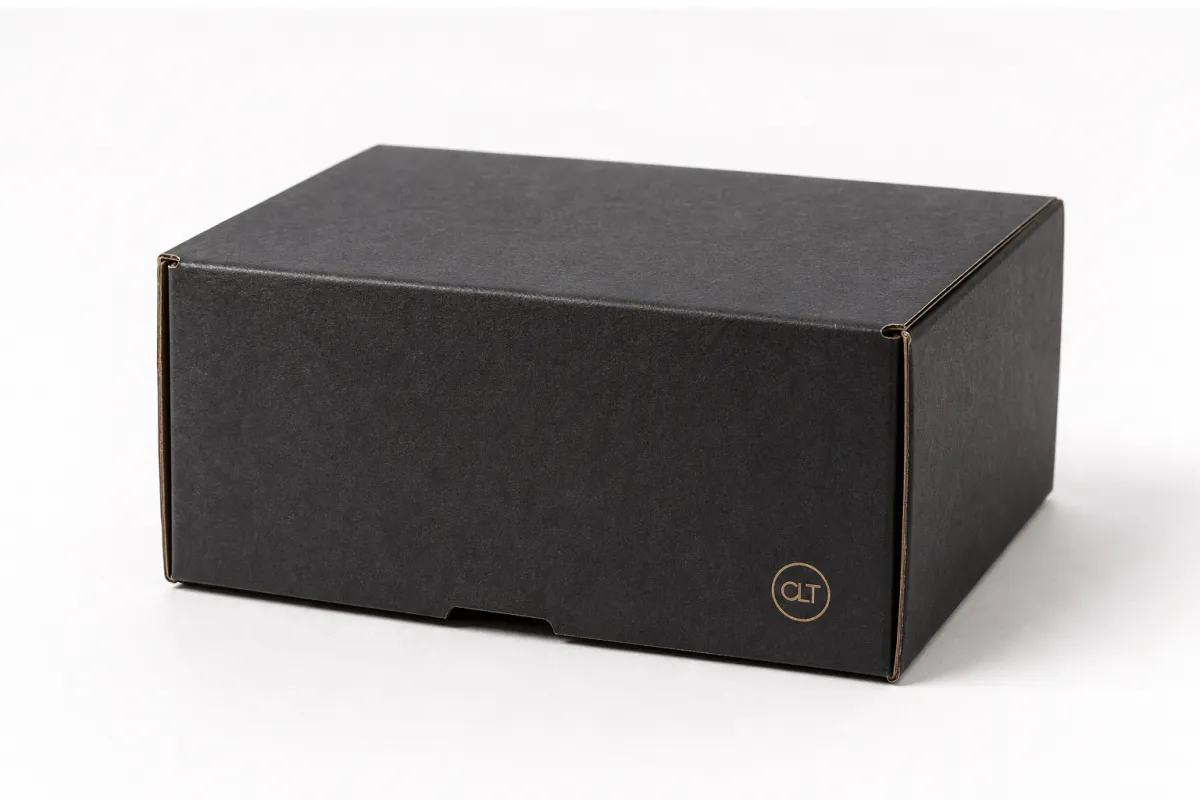
The common mistake is treating wholesale packaging boxes for logistics like a simple commodity that only needs to stand up for a short while. Those cartons may sit under load on a pallet, travel through sortation, ride for days in a truck, and get handled by people who are moving fast and are not there to protect the contents. Compression, vibration, humidity, and stacking pressure all matter, along with the basic demands of packing and unloading.
Cheap boxes fail in three expensive ways. They break product, they slow labor, and they waste freight. A weak score line, a soft panel, or a carton that splits at the seam can turn a clean shipment into a return. A box that tears during packing or needs extra tape to stay closed steals minutes from every order. Oversized wholesale packaging boxes for logistics raise cube, which pushes dimensional weight upward and makes pallet space less efficient. Saving a few cents on the carton does not help much when freight climbs to cover the difference.
Mixed-SKU orders make the problem sharper. One warehouse might ship 12 small units in a single carton, while another facility is loading dense industrial parts that crush the bottom panel if the board grade is too light. A single carton style cannot solve every shipment profile. Wholesale packaging boxes for logistics have to match the load, the handling, and the route, not just a catalog listing.
"A box that looks fine in a photo and fails on a dock is still the wrong box."
The standard for buying should stay practical. The box needs enough strength, the right dimensions, and a structure that keeps waste down in real operations. Inside dimensions, board strength, stack behavior, and assembly speed all belong in the conversation. If the carton is stronger than the shipment requires, the buyer may be paying for more board than needed. If the carton is weaker than the shipment requires, the payment comes later through damage and returns. The best result is a box that protects the product without inflating freight or labor.
Retail packaging and logistics packaging solve different problems. Retail packaging often gets judged by shelf appeal and unboxing. Logistics packaging gets judged by how well it survives pressure, movement, and cost control. The two can overlap for direct-to-consumer programs, but the test remains different. Wholesale packaging boxes for logistics are built to move, stack, and arrive intact. That is the work.
Wholesale Packaging Boxes for Logistics: Box Types That Fit the Job
No single box style handles every shipment well. Wholesale packaging boxes for logistics come in several common forms, and each one suits a different operating pattern. Regular slotted cartons are the workhorse. Heavy-duty shipping boxes carry more weight and handle stacking stress better. Mailers fit lighter e-commerce orders. Die-cut boxes make sense when presentation or internal fit matters more. Pallet-ready cartons work well for bulk B2B transport where the load unit matters more than the opening experience.
Regular slotted cartons are often the smartest starting point for broad distribution. They are familiar, easy to tape, and generally economical in volume. For mixed contents or layered inserts, they stay practical because they do not require unusual setup. Heavy-duty shipping boxes, usually built with stronger board or double-wall construction, make more sense when the contents are dense, sharp-edged, or stacked high on pallets. If the freight is rough, the carton should not act surprised.
Mailers and die-cut styles belong in more controlled programs. E-commerce brands use them when the customer receives the box directly and the opening experience matters. These styles can support branded packaging or package branding when the outer carton stays visible to the buyer. They are not always the fastest option for warehouse throughput, yet they can earn their place when appearance and fit have to work together.
Standard sizes move faster and often cost less. Custom sizes reduce void fill, cut down movement inside the carton, and can lower shipping waste. That tradeoff is where many buyers pause. If the product sits close to a common size, a standard box may be enough and simpler to reorder. If the product is awkward, fragile, or expensive to ship, custom wholesale packaging boxes for logistics often pay back through reduced empty space and better protection.
Inserts and partitions deserve more attention than they usually get. Bottles, glass, machined parts, and components that knock against each other need separation that outer tape cannot fix. Double-wall construction also earns its place when the carton must support stacking pressure or survive repeated handling in a 3PL environment. For dense items, stronger board usually beats stuffing the box with air pillows and hoping for the best.
A practical buying lens helps:
- Product weight - Heavier goods need higher edge crush strength and stronger seams.
- Warehouse handling - Manual packing, conveyor movement, and pallet stacking each stress the box in different ways.
- Carrier network - Parcel, LTL, and international freight each create their own kind of abuse.
- Presentation need - Customer-facing shipments may justify cleaner print or better construction.
- Reorder speed - Standard corrugated cartons are easier to replenish when demand rises.
If you are building a repeat program, compare options with a wholesale lens instead of a one-off purchase mindset. Our Custom Packaging Products page is a useful place to start if you need several box styles, and our Wholesale Programs are built for buyers who care about replenishment rather than a single expensive order.
Specifications That Control Strength, Stackability, and Cost
The numbers that matter are often smaller on the page and larger in the real world. Buyers should compare board grade, ECT, BCT, wall construction, flute profile, and interior dimensions. Those are the details that tell you whether wholesale packaging boxes for logistics will hold under load or collapse at the first rough handling event.
ECT, or edge crush test, helps estimate how well the board resists side pressure. BCT, or box compression strength, shows how the assembled carton performs under load. Neither figure works as a standalone guarantee, yet both are useful when predicting stacking performance. For lighter shipments, a single-wall carton with the right ECT can be enough. For heavier loads or cartons stored longer on pallets, double-wall construction can reduce damage and make stacking safer.
Inside dimensions control fit. Outside dimensions affect freight and palletization. That distinction gets overlooked constantly. If the inside fit is loose, you pay for void fill and product movement. If the outside dimensions grow by even a small amount in every direction, the shipping cube rises and the carrier notices. Wholesale packaging boxes for logistics need both measurements, not just one.
Flute profile changes the outcome too. Common flute types affect cushioning, print quality, and stacking behavior. A smaller flute can improve print and reduce thickness, while a larger flute can add cushioning and strength. There is no universal best choice. The right one depends on weight, sensitivity, and shipping method. A proper spec sheet beats a generic product page every time.
Print coverage, coatings, and finishes should support durability rather than distract from it. For logistics shipments, heavy ink coverage can affect recyclability or add cost without adding much function. If the carton is customer-facing, branded packaging can still make sense. A clean one-color print, a simple logo panel, or a restrained custom printed boxes approach can support package branding without turning the box into a vanity project. The structure should stay honest.
Before a larger run, request sample packs or a spec sheet. Test the carton with the actual product, the actual tape, and the actual packout. Put it on a pallet if that is how it will ship. Stack it. Shake it. Let the people who assemble orders give feedback, because they usually spot a bad design first. Wholesale packaging boxes for logistics should be validated in the warehouse, not only approved on a spreadsheet.
For teams that need formal transit validation, standards help remove guesswork. ISTA test procedures are widely used for shipment simulation, and FSC certification is a useful reference when sourcing paperboard from responsible forestry programs. See the current standards at ISTA and FSC. Neither link replaces testing, but both are more useful than trusting a brochure full of heroic adjectives.
One more practical point: if a quote does not specify inside dimensions, board grade, flute type, and the target strength level, the boxes are not truly comparable. You are comparing assumptions. Wholesale packaging boxes for logistics only become useful to evaluate when the spec is clear.
Cost, Pricing, and MOQ for Wholesale Orders
Price moves quickly when box size, board strength, print complexity, material grade, and order quantity shift. Stock boxes are usually cheaper and faster. Custom boxes cost more upfront, but they often save money in freight, damage reduction, and labor. Wholesale packaging boxes for logistics should be priced as part of the full shipping system, not as a lonely carton on a quote sheet.
MOQ changes the math because it affects the unit price and the cash tied up in inventory. A larger run lowers the cost per box, yet it also means more cartons sitting in the warehouse before use. For many buyers, the real question is not "What is the lowest unit price?" It is "How much cash can I leave in packaging without making finance unhappy?" Those are very different calculations.
Typical wholesale pricing can look like this, although exact numbers depend on size, board, print, and freight:
| Box Type | Best Fit | Typical Wholesale Unit Price | Common MOQ Range | Notes |
|---|---|---|---|---|
| Standard regular slotted carton | General shipping, e-commerce, mixed-SKU orders | $0.35-$0.95 | 200-1,000+ | Usually the fastest and simplest option |
| Custom-sized shipping box | Tighter fit, lower void fill, better cube efficiency | $0.55-$1.40 | 500-2,000+ | Often saves freight if the product is awkward |
| Heavy-duty single-wall carton | Denser goods, stronger stacking, warehouse transit | $0.75-$1.85 | 500-1,500+ | Higher ECT usually adds cost, but not wasted cost |
| Double-wall shipping box | Fragile, heavy, or pallet-stacked goods | $1.20-$3.50 | 500-2,000+ | Worth it when compression failures are expensive |
| Printed mailer or die-cut box | Customer-facing shipments, branded packaging | $0.60-$2.25 | 1,000-5,000+ | Print and finish drive price more than most buyers expect |
Those ranges are not fantasy numbers. They are the kind of budget figures buyers can use before sending out quotes. For wholesale packaging boxes for logistics, the biggest price drivers are usually size and board grade, then print coverage, then whether the order is stock or fully custom. If inserts are needed, they should be quoted separately. If freight is not included, ask for it. If tooling or setup applies, ask about that too. Surprises belong at birthday parties.
Hidden costs are where buyers get burned. Inserts, partitions, and dividers add value, but they also add line items. Sample approval takes time and money. Freight to the warehouse can be substantial, especially with larger cartons that take more trailer space. Storage space matters as well; a low unit price means little if packaging inventory eats half a rack. When comparing quotes for wholesale packaging boxes for logistics, landed cost tells the real story.
If you are weighing a custom run against a stock option, a useful test is direct. Ask how much void fill you need, how much freight cube you save, and how many damaged units you avoid. If the custom carton saves a few cents in product loss and shipping on every order, the higher unit price can disappear quickly. If the standard carton already fits well, keep it. Not every shipment needs a bespoke answer just to feel more polished.
Buyers who place repeat orders should think about reorder economics too. A slightly higher MOQ can lower the unit price, but only if the box moves at a steady pace. If demand is uneven, the extra savings get swallowed by storage and cash tied up in stock. Wholesale packaging boxes for logistics reward disciplined planning and punish vague forecasting.
For companies buying across product lines, grouping packaging needs into tiers can help: a standard freight box, a stronger heavy-duty box, and a branded customer-facing option. That structure keeps purchasing cleaner and makes comparison easier when pricing comes up again with suppliers. It also makes custom packaging products easier to manage over time.
Process, Timeline, and Lead Time: From Quote to Delivery
The cleanest packaging projects start with a tight brief. Product dimensions, weight, target quantity, shipping method, artwork needs, and destination all belong in the first request. If the box will be palletized, say so. If it needs to survive parcel sortation, say that too. Wholesale packaging boxes for logistics move faster when the supplier gets the real use case on day one instead of a vague request for "something sturdy."
The process usually begins with quote turnaround, then dieline or structural setup, then sample creation, then production, finishing, packing, and freight scheduling. Simple stock-style orders move faster because the structure already exists. Fully custom printed boxes with special board, coatings, or inserts take longer because every decision adds a step. None of that is mysterious. It is manufacturing.
Lead time ranges are usually straightforward once the sales language is stripped away. A quote may come back in one to three business days if the specs are clear. Sample creation often takes several days to a couple of weeks, depending on structure and approval traffic. Production is often measured in business days after proof approval, and freight adds its own clock. If the launch date matters, build in a buffer. Seasonal demand and new product rollouts punish loose planning.
Delays tend to show up in the same places. Artwork changes after proofing. Dimensions that were never fully pinned down. A product sample that arrives late. Several stakeholders who cannot agree on the label, the finish, or the board grade. Wholesale packaging boxes for logistics work better when they are handled like a procurement project, not an email thread that everybody ignores until shipping week.
Here is the short version of what speeds things up:
- Provide the actual product size, not an estimate.
- Share weight per unit and packed weight per carton.
- State whether the shipment is parcel, LTL, or palletized.
- Confirm whether the box needs print, inserts, or moisture resistance.
- Tell the supplier the annual usage range, not only the first order size.
That last point matters. A buyer planning to reorder every month needs a different structure than a one-time project. If the team is still testing, a smaller run can be the right move. If the box already proved itself, larger production can lower cost and steady supply. Wholesale packaging boxes for logistics should fit the buying pattern as well as the product.
Timing discipline matters near peaks. If the warehouse sees seasonal spikes, order before the spike, not during it. That sounds kinda obvious until someone discovers the reorder calendar after the shelves are empty. Plenty of good packaging programs stumble because somebody assumes boxes will show up automatically. They will not. They are made, finished, packed, shipped, received, and then used. In that order.
Why Buyers Choose Us for Wholesale Packaging Boxes for Logistics
Buyers usually come to us for one reason: they want wholesale packaging boxes for logistics that work without constant babysitting. Practical spec guidance matters. Consistent quality matters. Reordering without drama matters. Nobody wants a box supplier that turns every replenishment into a fresh mystery. The job is straightforward. The carton should fit, hold up, and arrive when promised.
We focus on the parts that move the needle: custom sizing when standard cartons waste space, strength options that match the load, and print control that supports branded packaging without adding clutter to the spec. For customer-facing shipments, package branding and product packaging can be handled cleanly. For bulk shipping, the priority stays on board grade, stackability, and reliable assembly. That balance is where many packaging programs win or lose money.
Service quality shows up fast. Clear proofing cuts mistakes. Responsive communication prevents last-minute panic. Predictable fulfillment keeps the warehouse calmer. Wholesale packaging boxes for logistics should not come with vague answers or a ten-email scavenger hunt just to confirm the flute type. Friction like that burns time, and time is expensive in any distribution center that runs on a schedule.
We also support programs that need a trial before a bigger rollout. That matters because not every product is ready for a large run on day one. A sample order can confirm fit, tape use, stack performance, and packout speed. Once the carton proves itself, the larger wholesale order becomes much easier to approve. It is a practical way to buy, and it keeps the risk low while the spec gets real-world proof.
For buyers comparing suppliers, this is the filter I would use:
- Do they explain board strength clearly?
- Do they ask for the real product dimensions and shipping method?
- Can they support repeat production without changing the box every time?
- Do they quote landed cost, not just unit cost?
- Will they tell you when a standard carton is good enough?
That last one matters more than most people admit. A supplier who pushes a custom box for every job is usually selling ambition, not efficiency. A supplier who tells you a standard box will do the work probably understands logistics. Wholesale packaging boxes for logistics are valuable because they reduce damage and waste, not because they sound clever in a sales deck.
Our approach stays direct: fewer claims, fewer damages, fewer headaches. If a carton is too large, we say so. If a double-wall structure is unnecessary, we say that too. If the product needs inserts, partitioning, or a better closure method, we explain why. Buyers do not need poetry about corrugated board. They need boxes that move through the warehouse and the carrier network without creating problems.
If you are comparing a few suppliers, ask for a side-by-side review of the structure, not only the price. Wholesale packaging boxes for logistics should be measured by fit, strength, reorder reliability, and total cost. That is the buying standard that holds up.
Next Steps: How to Order the Right Logistics Box
Start with the basics: product dimensions, product weight, shipping method, annual usage, stacking requirements, and any temperature or moisture constraints. If the product includes inserts or wrap, say that from the start. If the carton will be used for palletized freight, say that too. Wholesale packaging boxes for logistics are easier to specify when nobody has to guess what the shipment is supposed to survive.
Then request a sample or quote with those details. Do not ask for a generic price on an unnamed box and hope the result happens to fit. It rarely does. A proper sample lets you check fit, tape usage, assembly speed, and box rigidity before you place a larger order. That is the point. The carton should be matched to the shipment, not borrowed from a random catalog page that looked promising.
A simple decision checklist keeps the order clean:
- Choose the box type.
- Confirm inside and outside dimensions.
- Confirm board grade and wall construction.
- Compare landed cost, not just unit price.
- Approve production only after sample fit is right.
If the order repeats, plan reorder timing early. Wholesale packaging boxes for logistics should arrive before inventory gets tight, not after the warehouse starts improvising with oversized cartons and extra tape. That is how a stable supply program turns messy. One late replenishment is often enough to remind everyone why packaging planning matters.
Another habit pays off fast: keep a short spec record for each approved box. Include dimensions, board type, print notes, approved sample date, and reorder minimums. It saves time later and stops the "which box did we use last time?" conversation from eating another afternoon. You would be surprised how often that happens. Or maybe not.
If you need help sorting the options, the next step is straightforward: request a sample, compare the structure against your shipment, and verify the price against total landed cost. The right wholesale packaging boxes for logistics save money, reduce damage, and keep shipping moving. The wrong ones cost you in every direction, which is a spectacularly bad trade.
What size wholesale packaging boxes for logistics should I order?
Use the product’s actual outside dimensions, then add enough clearance for inserts, wrap, or void fill. Oversized cartons should stay off the list unless the shipment truly needs the room, because extra cube raises freight cost quickly. Test one sample before ordering in volume so you can confirm fit, stacking, and tape usage.
How do I compare wholesale packaging boxes for logistics quotes?
Compare landed cost, not just unit price, because freight, inserts, and storage can change the real total. Check board grade, wall construction, and print specs so you are not comparing two different boxes with the same name. Ask whether the quote includes samples, setup, and delivery timing so there are no surprise add-ons.
What is a normal MOQ for wholesale packaging boxes for logistics?
MOQ depends on whether the box is stock, custom-sized, printed, or built with heavier board. Higher MOQs usually lower the unit price, but they also increase cash tied up in inventory. If demand is uncertain, start with a smaller run and scale once the box spec proves itself.
How long does production usually take for logistics boxes?
Timeline depends on sample approval, artwork changes, material availability, and order volume. Simple stock-style orders move faster than fully Custom Printed Cartons with special finishes. Build in buffer time before peak shipping periods so replenishment does not arrive late.
Are custom wholesale packaging boxes for logistics worth it?
Yes, when standard sizes waste space, raise freight costs, or leave products loose inside the carton. Custom boxes make more sense for fragile goods, irregular shapes, repeat shipments, and pallet efficiency. If the current box works, keep it standard; if it keeps causing damage or waste, custom is usually the smarter spend.
Wholesale packaging boxes for logistics are one of those purchases that looks dull until they start saving real money. Get the fit right, choose the right board, confirm the load path, and compare the landed cost honestly. Do that, and wholesale packaging boxes for logistics stop acting like a line item and start working like a shipping advantage.


