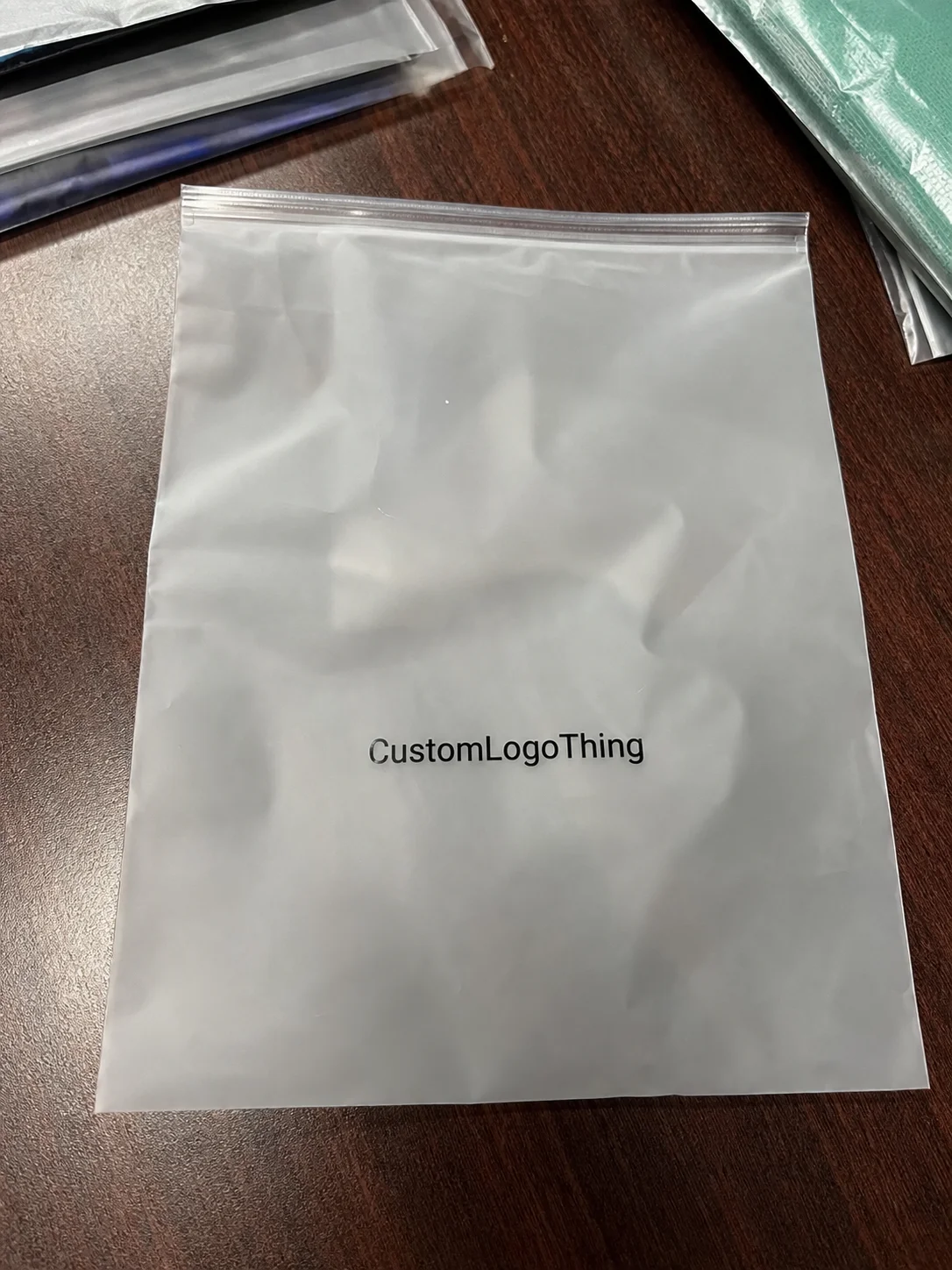
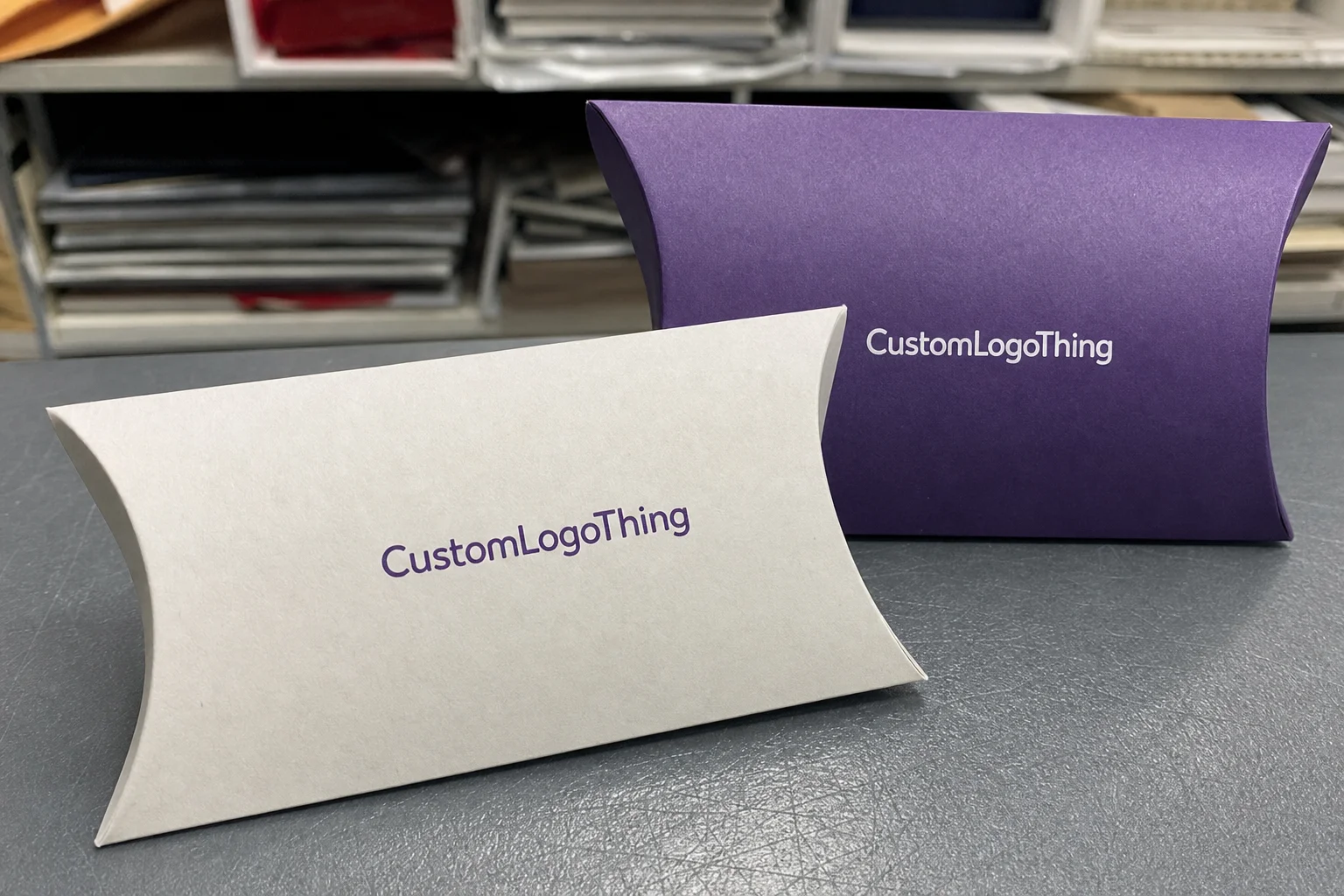
Buyer Fit Snapshot
| Best fit | Wholesale Packaging Design for Better Brand Sales projects where brand print, material claims, artwork control, MOQ, and repeat-order consistency need to be specified before quoting. |
|---|---|
| Quote inputs | Share finished size, material target, print colors, finish, packing count, annual reorder estimate, ship-to region, and any compliance wording. |
| Proofing check | Approve dieline scale, logo placement, barcode or warning zones, color tolerance, closure strength, and carton packing before bulk production. |
| Main risk | Vague material claims, crowded artwork, missing packing details, or unclear freight terms can make a low unit price expensive after revisions. |
Fast answer: Wholesale Packaging Design for Better Brand Sales: Material, Print, Proofing, and Reorder Risk should be specified like a repeatable production item. The safest quote records material, print method, finish, artwork proof, packing count, and reorder notes in one written spec.
Production checks before approval
Compare the actual filled-product size with the drawing, then confirm tolerance on folds, seals, hang holes, label areas, and retail display edges. Reserve space for logos, QR codes, warning copy, and material claims before decorative graphics fill the panel.
Quote comparison points
Review material grade, print process, finish, sampling route, tooling charges, carton quantity, and freight assumptions side by side. A quote is only useful when the supplier can repeat the same color, closure quality, and packing count on the next order.
Good wholesale Packaging Design Tips are never just about making a box look prettier on a screen; they are about getting a package that prints cleanly, runs correctly on the line, stacks without drama, and still sells the brand in a crowded aisle or a noisy inbox of shipments. I’ve watched a one-millimeter panel adjustment save an entire run at a converting plant in Dongguan, and I’ve also seen a gorgeous mockup become a headache because the front panel hierarchy made the picker stop and rotate the carton three times before scanning it. On one cosmetics order priced at about $0.19 per unit for 10,000 folding cartons in Guangzhou, a tiny text shift cut barcode-read errors enough to reduce rework on the receiving dock. That is why I care so much about wholesale Packaging Design Tips That are grounded in production reality, not just renderings.
For B2B buyers, the decision is rarely “what looks best?” It is “what works at 5,000 units, 25,000 units, or 100,000 units without blowing up cost, freight, or fulfillment speed?” The right packaging design has to balance brand impact, manufacturability, retail readiness, and the simple physics of shipping. When I sit with procurement teams in Chicago, Dallas, or Rotterdam, I usually remind them that product packaging is not a poster; it is a working piece of industrial print and converting. A run of 8,000 cartons on 350gsm C1S artboard may behave very differently from the same artwork on 18pt SBS, and that difference shows up in scrap rates, carton stability, and how fast the warehouse can move product. Honestly, I think that’s where a lot of packaging budgets go off the rails: people fall in love with the mockup and forget the forklift.
Here’s the real problem I see again and again. A buyer approves a concept because the comp looks premium, but the press operator later has to fight weak contrast, heavy ink coverage, or a bad fold line that cuts through the logo. Then the line slows down, the first cartons don’t square properly, and the customer starts asking why the order is late. I’ve had more than one moment where I just stared at a proof in a plant near Suzhou and thought, “Great, the box is stunning. Shame it can’t survive reality.” Strong wholesale packaging design tips protect you from that exact chain of problems, especially when the production window is only 12-15 business days from proof approval.
These wholesale packaging design tips are built for decision-makers buying in bulk, not for hobbyist projects or a one-off custom gift box. If you are managing Wholesale Programs, you need recommendations that hold up under budget pressure, production tolerances, pallet counts, and deadlines that have actual consequences. A buyer in Toronto planning a 20,000-unit reorder for Q4 needs different guidance than someone ordering 250 samples for a trade show. That is the lens I’m using throughout this article.
Wholesale Packaging Design Tips: Why Small Choices Change Sales
One of the clearest lessons I learned came from a breakfast-cereal contract line I visited in Ohio, where the client changed only two things: they increased front-panel contrast by 18 percent and moved the logo 6 millimeters higher above the flavor callout. The packaging team thought it was a cosmetic tweak, but the warehouse supervisor told me the faster front-panel recognition cut mis-picks enough that their sorting station shaved minutes off each pallet build. The order was for 60,000 cartons, and the company estimated the visibility change reduced rework by roughly 4 hours across the first two production days. Small choices matter because wholesale packaging design tips affect far more than shelf appeal; they influence production speed, pack-out accuracy, and how a buyer perceives the brand in the first three seconds.
That is the heart of wholesale packaging design tips for B2B buyers. You are not just buying branded packaging; you are buying a system that needs to survive converting, filling, shipping, receiving, and retail presentation. The brand side and the factory side have to work together. If the graphics are beautiful but the carton joints fight the gluer, your unit economics go sideways very quickly. A premium mailer built in Ningbo on 2.5mm greyboard can look elegant in a showroom and still fail on a line if the score depth is off by 0.3mm.
Many buyers underestimate how much packaging design affects sales velocity. A front panel with a clean hierarchy, a bold SKU identifier, and enough contrast to read from 4 to 6 feet away helps shoppers decide faster, and it helps distributors identify cartons faster too. That is why wholesale packaging design tips should begin with the practical side of visibility, not just artwork style. I remember reviewing a snack box where the logo was technically gorgeous and practically invisible unless the light hit it just right. Stunning? Sure. Useful? Not remotely. Packaging shouldn’t require a treasure map, especially when the box will sit on a shelf in Austin or Atlanta for 90 days.
In one supplier negotiation in Shenzhen, I watched a brand owner insist on a rich navy flood background for a corrugated mailer, then lose 11 percent of their cartons to scuff-related rework because the coating wasn’t specified well enough for the handling route. The lesson was simple: when the package has to move through multiple hands, warehouses, and trucks, the design choices need to respect friction, moisture, and stack pressure. On a transit test run from Dongguan to Los Angeles, that same finish showed visible rub marks after only three conveyor transfers. Wholesale packaging design tips that ignore handling reality are expensive tips.
For decision-makers, the formula is straightforward. Good packaging design should do four jobs at once: protect the product, communicate the brand, fit the production line, and support the channel. Retail packaging may need shelf blocking and compliance labels, while e-commerce packaging may need tear strips, tamper evidence, and drop-test performance. A mailer used for a Texas subscription program may need a 32 ECT corrugated board, while a shelf carton in Paris may only need a 16pt board with cleaner print. That is why wholesale packaging design tips should always be shaped around the actual route your product takes, not around a template pulled from a catalog.
Here is a callout I often give clients during review meetings:
“If the carton can’t be erected, filled, closed, and stacked without special handling, it is not really a production-ready design yet, no matter how good the render looks.”
That sounds blunt, but it saves money. And money is usually what settles packaging decisions in the end, especially on runs above 5,000 units.
Wholesale Packaging Design Tips for Product Fit and Brand Impact
The first of my wholesale packaging design tips in this section is simple: define the packaging format before you argue about graphics. Folding cartons, rigid boxes, mailer boxes, corrugated shippers, paper bags, and specialty inserts all solve different problems, and each format behaves differently in a wholesale run. A Custom Printed Boxes program for cosmetics might do beautifully in SBS paperboard with a matte aqueous finish, while a subscription box needs corrugated strength and better crush resistance. Pick the structure first, then build the artwork around it. For example, a 120mm x 80mm serum bottle in a folding carton needs a different panel layout than a 320mm x 250mm apparel kit in a kraft mailer.
For product packaging, the fit has to be precise. I’ve measured enough samples on factory floors in Shenzhen, Hangzhou, and Ho Chi Minh City to know that a 2 millimeter shift can be the difference between a product floating inside the box and a tight, protective fit that survives transit. When you are buying at scale, the correct internal dimension matters just as much as the outside look. A rigid presentation box with a loose insert feels cheap the moment it opens, while an overly tight insert slows down packing and increases carton damage. On a 15,000-unit gift set run, a loose insert can add 30 to 40 seconds of packing time per case if the item needs to be re-seated. That is where wholesale packaging design tips become practical rather than theoretical.
Brand impact still matters. A package is often the first physical contact a buyer has with the brand, and package branding should be readable at distance. I usually recommend treating the front panel like prime retail real estate: logo in the upper third, product name in the middle, and one clear benefit statement below it. That arrangement keeps the eye moving in a natural path. If the type is too small or the contrast is too weak, the package becomes decorative clutter instead of a sales asset. In store tests I’ve seen in Melbourne, a 9-point size callout was missed more often than a 14-point size callout, even when the color palette stayed the same.
Design with the channel in mind. A box meant for shelf display needs face-up recognition and strong side-panel consistency, while a mailer box may need bold interior print because the customer opens it from the top before the product is visible. Subscription kit packaging often benefits from a structured reveal, but only if the components stay secure during shipping. A beauty box going to Seoul may need a ribbon pull and a snug insert, while a book box headed to Berlin may need easy-open features and a lower-gloss board so fingerprints do not show. Wholesale packaging design tips should always ask: where will this box be seen, who touches it first, and what does success look like at that moment?
Below is a practical comparison I use when clients are choosing structure types:
| Packaging Format | Best Use | Typical Strength | Relative Cost | Production Notes |
|---|---|---|---|---|
| Folding Carton | Retail goods, cosmetics, supplements | Light to medium protection | Lower | Fast converting, good for high-volume printed branding |
| Corrugated Mailer | E-commerce, subscription boxes, direct ship | Medium to high protection | Moderate | Great for stacking and transit, usually E-flute or B-flute |
| Rigid Box | Luxury kits, gift sets, premium product packaging | High presentation value | Higher | Assembly labor and wrap quality matter a lot |
| Corrugated Shipper | Bulk distribution, warehouse handling | High protection | Moderate to higher | Prioritize flute profile, burst strength, and pallet efficiency |
If you are balancing shelf presence with freight efficiency, I usually tell buyers to start with the channel that creates the most risk. For retail packaging, that may be shelf competition and visual recognition. For e-commerce, it may be damage control and dimensional weight. A 14 x 10 x 4 inch mailer that avoids oversized parcel surcharges can save more than $0.60 per shipment in some U.S. zones. Wholesale packaging design tips are strongest when they match the weakest point in the journey.
I’ve also noticed that typography gets treated like an afterthought, which is a mistake. Large type is not just for aesthetics; it reduces scanning errors in warehouses and supports quick merchandising decisions in store. A clear product family name, a readable size callout, and a consistent line of logo placement across SKUs make the whole range look more organized. That is part of package branding too, and it is one of the easiest wholesale packaging design tips to apply early. A clean 18-point product name on a matte box in Milan will usually outperform a 7-point decorative script from 6 feet away.
Wholesale Packaging Design Tips for Materials, Print, and Finishes
The next set of wholesale packaging design tips is all about the material stack, because the substrate determines how the package behaves before a single drop of ink is laid down. SBS paperboard is a common choice for premium retail cartons because it prints crisply and supports clean folding, especially for cosmetics, supplements, and small consumer goods. Kraft board works well when the brand wants an earthy or natural look, but it can shift the color tone, so your graphics need to be built with that warmer base in mind. Corrugated E-flute is a smart choice for mailers when you need a better print surface than deeper flutes provide. Rigid chipboard is the favorite for presentation boxes, but it demands tighter wrap control and better glue discipline. For a clean, economical folding carton, 350gsm C1S artboard is a dependable spec for many retail programs in the 5,000 to 25,000 unit range.
Print method matters just as much. Offset lithography gives you strong color consistency and detail quality for larger wholesale orders, which is why I often recommend it for custom printed boxes with repeatable brand colors. Flexographic printing fits corrugated work nicely when volumes are large and the design is simpler, especially for shipping cartons or internal displays. Digital printing is useful for shorter runs, seasonal kits, and projects where turnaround speed matters more than per-unit efficiency. That said, digital can behave differently on coated versus uncoated stocks, so a proof is not optional if color precision is critical. On a 3,000-piece launch in Barcelona, digital print saved 9 days versus offset, but the buyer still approved a wet proof before release.
Finishes do more than decorate. Matte lamination can soften the visual tone and reduce glare under retail lighting, while gloss aqueous coating often adds better scuff resistance for handling-heavy programs. Spot UV can create a sharp highlight on a logo or product name, but only if the base artwork gives it enough visual breathing room. Foil stamping adds perceived value quickly, yet it can raise waste if the registration is not controlled properly. Soft-touch coatings feel premium in the hand, though they can be more sensitive to fingerprints and friction during packing. A soft-touch mailer assembled in Suzhou may look elegant on day one and show visible rub at the corners after 200 manual pack-outs if the coating spec is too thin. These wholesale packaging design tips are never about picking the most expensive finish; they are about choosing the finish that supports the brand and the route to market.
I remember a meeting with a personal-care client in California where they wanted a soft-touch black box with heavy foil coverage. On the sample line, the finish looked stunning, but the packers complained that the surface picked up marks from cotton gloves and carton dividers. We changed the finish plan to a matte lamination with a restrained foil accent, and the result was better in daily use than the original concept. The final version cost about $0.11 less per unit on a 12,000-piece run and held up better in the warehouse. That is the kind of judgment call wholesale packaging design tips should help you make.
There are also technical constraints that buyers should understand before approving art. Ink coverage on dark panels can affect drying time and rub resistance. Die-cut tolerances need to be respected so folds meet cleanly. Fold memory can distort a design that crosses major crease lines without enough allowance. Adhesive compatibility matters if the board has a coating or lamination that interferes with glue pickup. In artwork setup, I always push for proper bleed, safe zones, and panel wraps because a design that ignores those details often looks fine on screen but fails on press. A 2.5mm bleed on a litho carton in Wenzhou may sound minor, but it can save an entire panel from trimming issues.
For teams that want production discipline, I recommend using industry references such as ISTA packaging testing standards for transit validation and EPA recycling guidance when sustainability messaging is part of the spec. Not every project needs formal testing, but a wholesale program that ships at scale should at least know what standard it is trying to meet. A mailer going through 1.2-meter drop tests and vibration checks can reveal weak seams before 20,000 pieces are in circulation. That is one of the more practical wholesale packaging design tips I can offer.
If sustainability is part of the brand story, FSC-certified paper options can support that messaging, provided your supply chain can document the claim properly. I’ve seen brands lose credibility because they printed environmental statements without checking the paper certification trail. That is a paperwork issue, yes, but also a packaging design issue, because the message on the box has to match the actual material spec. If the carton is made in Guangzhou and the claim appears on the front panel, the chain-of-custody file needs to be ready before the press starts.
Wholesale Packaging Design Tips for Specifications That Prevent Production Problems
The strongest wholesale packaging design tips are usually the least glamorous: get the specification sheet right before anyone asks for a quote. Lock in dimensions, board caliper, flute profile, print coverage, insert requirements, and carton quantity. If the project has internal supports or molded inserts, those details need to be fixed early, not after the first proof. The quoting team can only price what is actually defined, and production can only build what is measurable. For a 10,000-unit shipment bound for Dallas, the difference between “approximate” and “exact” can be a full day of production coordination.
Why does exact measurement matter so much? Because converters, erectors, and palletizers all work from tolerances. If your internal dimension is vague, the automatic folding line may not maintain clean closure pressure. If the carton footprint is off by even a few millimeters, pallet loading efficiency changes, and freight cost can rise unexpectedly. I once reviewed a beverage accessory program where a 1.5 millimeter width increase reduced the number of units per pallet tier enough to raise shipping cost by 7 percent. That is the kind of surprise wholesale packaging design tips are meant to prevent. On a 42-inch by 48-inch pallet pattern, that small change removed an entire column from each tier.
Some of the most common factory issues are easy to avoid if you know what to look for. Oversized artwork placed too close to the dieline edge can bleed into a score or disappear under a flap. Weak glue area on a side seam may hold in sampling but fail under humidity changes. Score lines that are too tight can crack on heavy coverage panels, especially with coated board. Insert tolerances that do not account for product variation can create either loose rattle or damaging pressure points. Every one of those problems can be traced back to a missing detail in the spec. A 0.5mm allowance around a molded tray may sound generous on paper and still be too tight once production variation starts.
Whenever the structure is complex, I push for a prototype or press proof before full production. If the box has multiple panels, hidden closures, pop-up elements, or a premium presentation style, a physical sample is worth the time. You can catch fold behavior, gloss differences, and insert fit in a sample in a way that no PDF ever will. That is one of the most cost-effective wholesale packaging design tips in the entire process. A sample made in Dongguan or Shenzhen can reveal whether a lid closes with the right amount of resistance long before a 50,000-piece run is underway.
The table below shows the kind of specs I ask clients to confirm before a quote is finalized:
| Specification | Why It Matters | Common Mistake | Factory Impact |
|---|---|---|---|
| Final dimensions | Controls fit and freight planning | Using approximate measurements | Wrong carton size, poor pallet efficiency |
| Board caliper | Determines rigidity and fold behavior | Leaving material unspecified | Samples do not match production quality |
| Print coverage | Affects ink cost and dry time | Ignoring flood coats and heavy blacks | Higher waste, scuff risk, longer curing |
| Insert requirements | Secures product inside the package | Approving insert too late | Assembly delays and fit issues |
| Quantity | Directly affects unit price and setup cost | Requesting pricing without volume clarity | Inaccurate quote and schedule assumptions |
When a buyer gives a clear spec sheet, the production conversation becomes much better. The estimator can quote a real run instead of guessing. The prepress team can check bleed, panel wraps, and barcode placement. The converting team can validate whether the structure needs a different glue pattern or a modified score. That is where wholesale packaging design tips move from advice into actual control. On a run produced near Suzhou, a clean spec sheet shortened the approval cycle from 6 back-and-forth emails to 2.
Wholesale Packaging Design Tips for Pricing, MOQ, and Cost Control
Pricing in packaging is a lot more logical than many buyers expect, but only if you understand the drivers. Material grade, print complexity, finish selection, structure complexity, quantity, and assembly labor all affect the final unit cost. If you ask for a rigid box with foil stamping, soft-touch lamination, custom inserts, and hand assembly at 1,000 units, the price will reflect all of that work. A comparable 5,000-piece order in Shenzhen might come in at $0.42 per unit, while a 20,000-piece order with the same spec can fall closer to $0.26 per unit. Wholesale packaging design tips are useful because they help you spend money in the places that matter and trim the places that do not.
Minimum order quantity is another topic that confuses buyers. Lower MOQ usually means higher unit cost because setup, die-making, press make-ready, and labor are spread over fewer pieces. A 5,000-piece run may cost significantly less per box than a 1,000-piece run, even if the design is unchanged, because the fixed work does not shrink proportionally. That doesn’t mean small orders are bad; it just means the economics need to be honest from the start. A folding carton at 1,000 units might price at $0.58 each, while the same carton at 10,000 units could drop to $0.17 each depending on print colors and coating.
I often recommend a cost-control ladder. First, standardize dimensions where possible so multiple SKUs can share the same structure. Second, limit special finishes to the panels that need them most. Third, reduce ink colors if full CMYK is not necessary. Fourth, consolidate variants into one packaging platform where the only change is a label or insert. These wholesale packaging design tips can take a surprising amount of pressure off the budget without making the package feel cheap. A brand running three SKUs out of one 220mm x 140mm carton can often save more than 12 percent in tooling and setup compared with three separate structures.
There are times when spending more upfront is the smarter move. If a stronger board grade reduces crush damage in transit, or if better color registration improves sell-through at retail, the higher unit cost may be worth it. I’ve seen brands chase a few cents in savings only to pay far more in returns, replacement shipments, and reprints. One U.K. skincare client saved $0.03 per unit by downgrading board, then lost nearly $4,800 in replacements after corner collapse on a 16,000-piece batch. That is why a wholesale packaging design conversation should include not only the quote but the cost of failure.
Here is a simple comparison of cost levers and their usual effect on budget:
| Cost Lever | Typical Effect on Price | Best Use Case | Risk if Overused |
|---|---|---|---|
| Higher board grade | Raises unit cost modestly | Protective shipping and premium feel | Unnecessary spend if product is light |
| Foil or spot UV | Raises cost noticeably | Hero SKUs and premium retail | Longer setup, higher waste |
| Simpler artwork | Can lower print costs | Bulk wholesale and multi-SKU programs | Brand may feel too plain if overdone |
| Higher quantity | Lowers unit cost | Stable demand and repeat orders | Inventory risk if sales are uncertain |
Wholesale packaging design tips also need to respect inventory reality. If the brand cannot store 40,000 cartons in a dry, controlled space, then a lower unit price may not help at all. I’ve seen companies buy too much because the quote looked attractive, then pay extra to warehouse pallets for months in New Jersey, Ontario, or Hamburg. That is not savings. It is deferred cost with a label on it.
My honest opinion? The smartest buyers in packaging are not the ones who always choose the cheapest spec. They are the ones who understand the total cost of ownership, including freight, damage, labor, and customer perception. That is what strong wholesale packaging design tips are meant to sharpen. A package that costs $0.05 more per unit but prevents one return cycle can be the cheaper option by a wide margin.
Wholesale Packaging Design Tips for Process, Sampling, and Timeline
Good process is often invisible, but in packaging it saves weeks. The usual workflow starts with discovery, then specification review, dieline creation, artwork setup, proofing, sampling, production, finishing, and shipping. If any one of those steps is rushed, the project tends to push problems downstream. Wholesale packaging design tips should always include a timeline mindset, because even the best concept can stall if the proofing cycle is sloppy. A 25,000-piece corrugated program in Dongguan may need 2 days for prepress, 3 days for sampling, and 12-15 business days from proof approval to finished goods, depending on finish complexity.
Realistic timeline expectations matter. A straightforward folding carton with standard print might move faster than a rigid box with specialty finishing, but revisions, sample approvals, and material sourcing can extend the lead time. A project that looks simple on paper can still need extra days for color matching or insert tuning. I tell clients to plan around multiple checkpoints, not a single promised ship date. That is how you stay calm when something small needs adjustment (or when someone suddenly decides the logo should be three shades darker on Thursday afternoon). If a shipment has to leave a plant in Shenzhen for a New York launch, even a 48-hour delay can affect retail booking windows.
Buyers should prepare a few things early: logo files in vector format, brand color references, product measurements, copy text, barcode data, and any compliance or regulatory requirements. If the package needs a UPC, ingredients panel, warning statement, or export label, that content should be verified before design lock. A late content change is one of the most common causes of delay, and one of the easiest to avoid with disciplined wholesale packaging design tips. A simple typo correction on a 15,000-box run can add an extra 2 to 3 business days if plates or digital files need to be regenerated.
Communication with production teams matters more than most brand owners expect. When I stand at a table with a press operator and a buyer, the fastest progress happens when everyone agrees on the same color target, the same fold style, and the same assembly sequence. If a proof is approved without a clear note about laminate direction, glue placement, or insert orientation, that approval can create confusion later. Clear comments beat vague enthusiasm every time. A note like “matte laminate, glue on flap A only, insert rotated 180 degrees” can save a plant in Foshan from an avoidable rework cycle.
Here is the kind of practical workflow I prefer:
- Confirm product size and shipping method.
- Choose packaging format and material.
- Set the artwork spec and dieline.
- Review a proof with exact color and copy checks.
- Approve a sample before mass production.
- Lock finishing, labeling, and packing method.
That sequence keeps the job organized and gives every team a chance to catch problems early. It also keeps wholesale packaging design tips tied to action instead of opinions. A brand team in Singapore that locked artwork before the sample stage cut its average approval cycle from 14 days to 7 on repeat orders.
I still remember a client meeting where a buyer tried to rush straight from concept to production on a mailer box with a custom insert. We stopped them, made a sample, and found the product shifted 8 millimeters in transit because the insert cutout was based on nominal dimensions, not actual filled units. That one sample prevented a very expensive replacement run. In packaging, the sample is not a formality; it is a safety check.
Why Choose Us for Wholesale Packaging Design and Production
At Custom Logo Things, we approach wholesale packaging with the same factory-floor mindset I’ve used for years: the design has to work in the hand, on the line, in the carton, and on the pallet. That means paying attention to die-cut setup, print consistency, glue performance, and pack-out efficiency, not just the front-facing render. If a package cannot be built cleanly in production, it is not ready for wholesale scale. We’ve coordinated jobs through manufacturing partners in Guangdong, Zhejiang, and Jiangsu, where a 10,000-piece order can move from proof approval to packing in about 12-15 business days when the spec is clear.
We work across Custom Packaging Products including folding cartons, corrugated mailers, rigid presentation boxes, and branded retail packaging applications that need more than a generic stock solution. Some clients come to us for product packaging that needs strong shelf appeal. Others need shipping protection first and brand presentation second. Either way, the goal is the same: turn the concept into a production-ready spec that can be quoted, sampled, and shipped with less risk. A cosmetics retailer in London may need a 16pt carton with spot UV, while a supplements company in Phoenix may need a mailer built on 32 ECT corrugated board with a 1-color flexo print.
One thing buyers appreciate is honest feedback. If a finish will cause scuffing, I’ll say so. If a structure is overbuilt for the product, I’ll say that too. I would rather steer someone toward a better spec than push a flashy option that looks good in a mockup but causes trouble in a warehouse. That kind of candor is part of trust, and trust is what makes wholesale packaging projects easier to manage. If a $0.15-per-unit option for 5,000 pieces solves the brief better than a $0.29 option, I’ll say that plainly.
We also understand that wholesale buyers need responsive quoting, sample validation, and straightforward production communication. When a procurement team is comparing two or three options, the best partner is the one who can explain the material choices, the setup implications, and the likely unit-cost difference without hiding behind buzzwords. That is how we work, and it is one of the reasons clients return for repeat programs. It is also why we specify timelines, board grades, and factory locations instead of speaking in generalities.
Next Steps for Applying Wholesale Packaging Design Tips
If you want to use these wholesale packaging design tips well, start with a simple review of your current packaging. Check fit, protection, shelf impact, print readiness, and unit economics. If any one of those areas is weak, the package probably needs attention before the next reorder. It is usually easier to improve a design during planning than to fix it after production starts. A review in Minneapolis or Melbourne can uncover a weak closure or a barcode placement problem before a 30,000-unit run is locked.
Then collect the exact product dimensions, your preferred material, the target quantity, and your brand assets. That gives a quoting team enough information to provide a real number instead of a loose estimate. If you already know you want custom printed boxes, tell the supplier the print method you prefer, whether you need inserts, and what finish level fits the brand. Specifics shorten the path to a useful quote. For example, “18pt SBS, matte aqueous, 4-color offset, 10,000 units, no insert” is much better than “premium box, medium quantity.”
I also recommend comparing two or three structural options side by side. For example, a folding carton, a corrugated mailer, and a rigid box may all be possible, but each one will affect pricing, protection, and presentation in different ways. When clients only look at one concept, they tend to lock themselves into a design before they understand the tradeoffs. Better wholesale packaging design tips always leave room for comparison. A company in Sydney might discover that a mailer saves $0.08 per unit in freight even if the carton itself costs $0.04 more.
If you want the most practical takeaway, here it is: the best packaging is not the most dramatic packaging. It is the packaging that is built for the line, the pallet, and the customer experience all at once. That is where wholesale packaging design tips create real sales support, because the package helps the product move instead of slowing everything down. The difference between a clever idea and a workable system can be a 2mm fold allowance or a matte finish chosen for warehouse handling in Atlanta.
The most useful next move is to turn that idea into a working spec: confirm the dimensions, pick the right board, decide on the finish that will survive handling, and approve a sample before mass production. Do those four things and you will avoid most of the expensive surprises I see week after week. That is the real payoff of wholesale packaging design tips, and honestly, it’s kinda the whole job.
FAQ
What are the most important wholesale packaging design tips for first-time buyers?
Start with the product dimensions and shipping method before choosing a style, because a 160 mm by 90 mm product may need a very different carton than a 120 mm by 120 mm item. Prioritize structural strength and print clarity over decorative extras, especially if the product will ship in master cartons or sit on a retail shelf. Ask for a dieline and a prototype before approving mass production, since that sample can reveal fit, glue, and fold issues that a digital mockup will not show. On a first run of 2,000 to 5,000 units, those checks can prevent rework that would cost far more than the sample itself.
How do wholesale packaging design tips help lower packaging costs?
They reduce waste by matching the right material and structure to the product, which can save both board cost and freight cost. They help avoid expensive revisions caused by poor artwork setup or incorrect sizing, and a single reprint can easily erase the savings from a low initial quote. They also encourage simpler finishing choices that improve unit cost at scale, such as using a single coating instead of multiple premium effects. In practical terms, a carton that drops from $0.31 to $0.23 per unit on a 12,000-piece order can create real savings without sacrificing function.
Which packaging material is best for wholesale custom boxes?
SBS paperboard works well for premium retail cartons where print quality and clean folds matter most. Corrugated board is better for shipping and protective e-commerce packaging because it handles compression and transit stress more effectively. Rigid chipboard is often chosen for luxury presentation and gift packaging when the customer experience needs a heavier, more substantial feel. For many standard retail projects, 350gsm C1S artboard is also a practical choice because it balances printability and stiffness at a workable cost.
What MOQ should I expect for wholesale custom packaging?
MOQ depends on structure, print method, and finishing complexity, and a plain printed carton will usually have a lower threshold than a rigid box with foil and inserts. More complex packaging usually requires a higher minimum order quantity because the setup time and labor are harder to spread across a small run. A supplier can often suggest a format that fits both budget and volume needs if you share your actual forecast instead of a rough estimate. For example, 1,000 units may be possible for a simple digital carton, while 5,000 or 10,000 units is more common for offset or converted specialty boxes.
How long does the wholesale packaging design and production process usually take?
Timeline depends on proofing, sampling, material selection, and finish requirements, so a simple program may move faster than a premium one with multiple approvals. Simple printed packaging moves faster than rigid or specialty-finished packaging because the latter often needs extra assembly and finishing checks. Approving artwork and specifications early is the best way to keep the schedule on track, especially if your launch date is tied to a retailer or shipment window. For many standard orders, production is typically 12-15 business days from proof approval, with sampling adding several days before that if a physical prototype is needed.