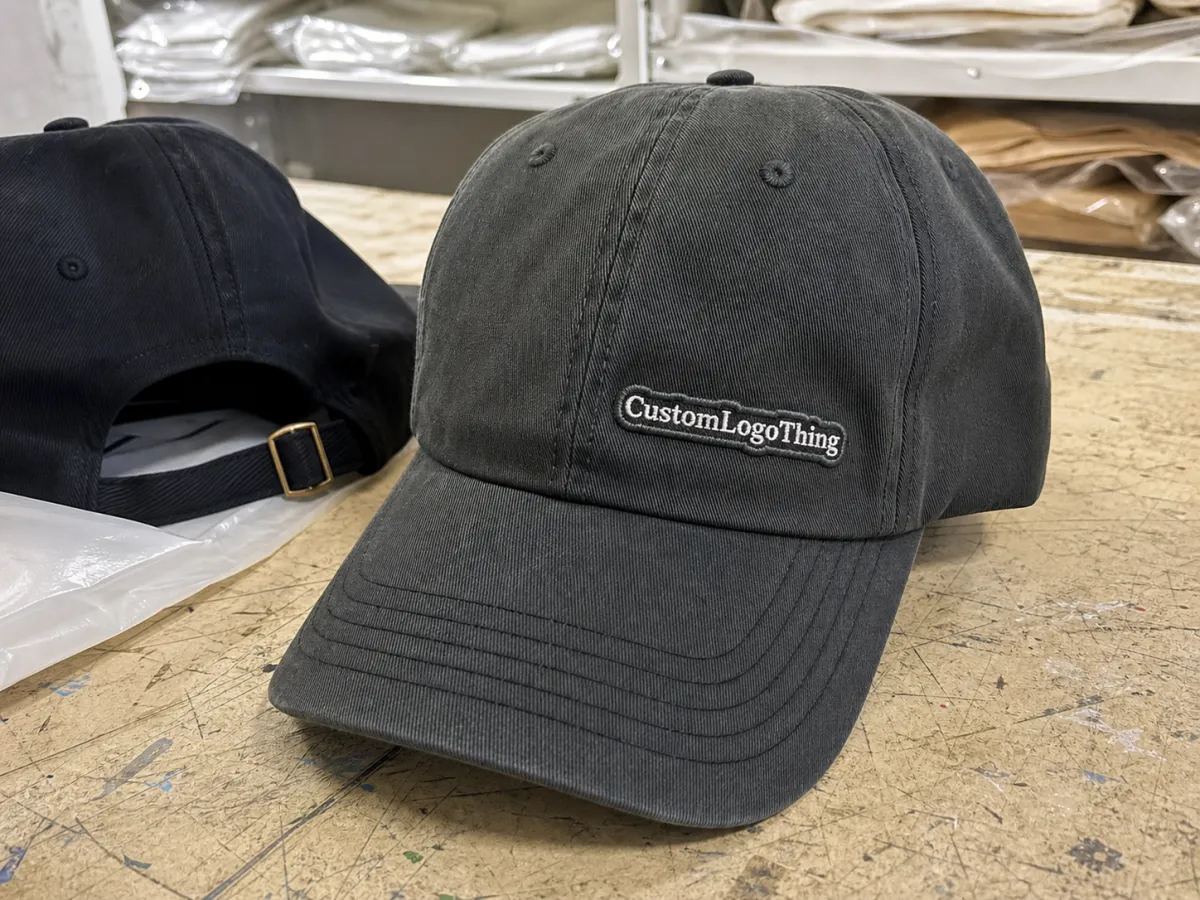
wine club embroidered baseball caps Bulk Order Planning is less about picking a hat and more about avoiding expensive surprises. One embroidery error repeats across every unit. One weak thread color can make a logo look flat under tasting-room lighting. And one guessed quantity can leave a club with either a shortage during member pickup or a shelf of leftovers that ties up cash for months.
That is why the buying decision should start with use case, not taste. Staff uniforms, member gifts, retail add-ons, and event giveaways do not behave the same way. A cap that feels right for a summer harvest party may not hold up as a year-round staff piece, and a style that looks premium on a flat lay can read too casual once it is worn every day behind the bar.
The practical advantage of bulk planning is simple: better pricing, steadier branding, and fewer moving parts. Fewer cap bodies means fewer inventory errors. Consistent embroidery specifications mean reorders stay close to the original. For a wine club, that consistency matters because the cap is often doing two jobs at once - identifying the team and carrying the brand into the room.
One small mistake in digitizing, placement, or color approval gets multiplied by every cap in the run. On a 250-piece order, that is not a minor defect. It is a line-item problem.
Why wine club embroidered baseball caps bulk order planning matters
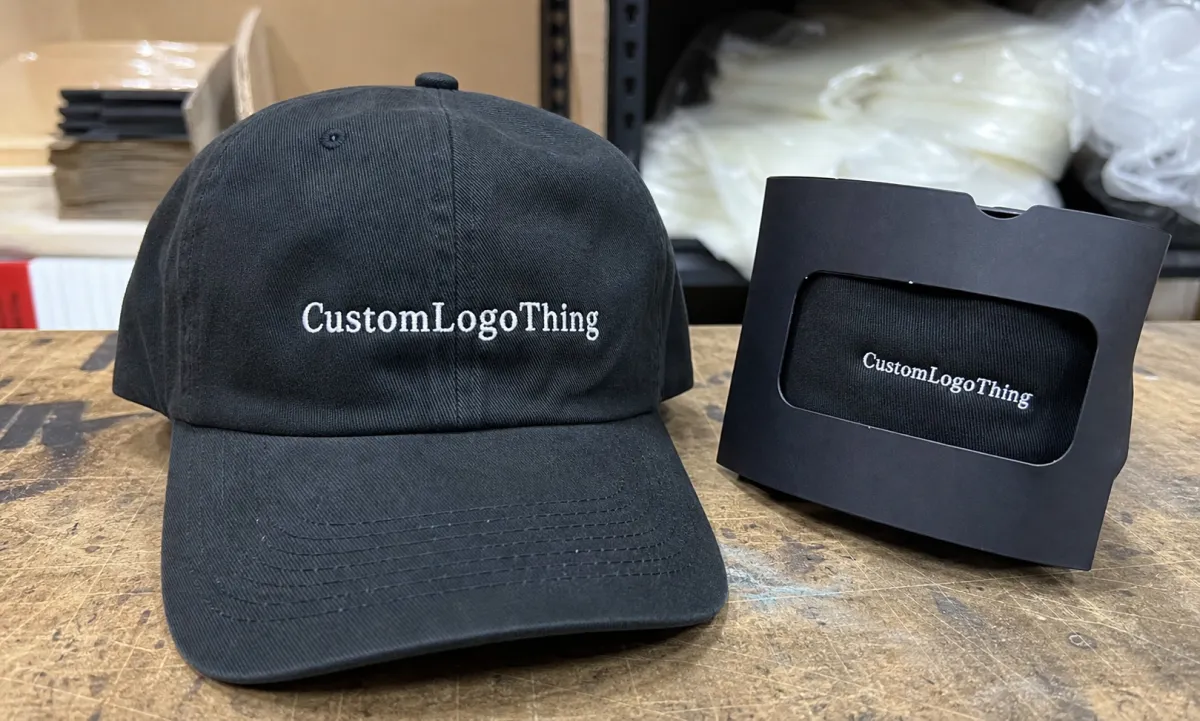
Cap orders look straightforward until the budget, fit, and timeline are put in the same spreadsheet. A club may be tempted to start with the design it likes best, but that usually ignores the real constraints: who will wear the hats, how often they will be worn, how many sizes are needed, and whether the order is meant to move through retail, staff, or shipping channels. Those are different programs, and each one deserves its own quantity logic.
Planning in bulk lowers the chance that every department asks for a separate mini-run later. Separate runs mean separate setup fees, separate proofs, and a higher chance that colors drift between batches. Even a small shift in crown shape or thread finish can make the same logo look slightly different from one season to the next. Most buyers notice the inconsistency only after the second reorder arrives.
There is also a timing advantage. Wine clubs run on calendars: allocation releases, member pickup weekends, holiday bundles, and harvest promotions. If caps are tied to those dates early, production can be scheduled before the rush. If they are ordered late, the team starts paying for speed instead of planning. That usually shows up as rush fees, tighter proof windows, and more tolerance for compromise than anyone wanted.
The best planning separates internal demand from external demand. Staff caps can be counted by headcount plus a small replacement buffer. Retail caps should be based on likely sell-through, not total member count. Event caps need to reflect attendance, not wishful thinking. That sounds obvious, but most inventory mistakes happen because these buckets get blended together into one number that feels safe and turns out to be vague.
There is another reason to plan carefully: caps are visible from a distance, but their flaws are visible up close. If the logo is too small, it disappears. If it is too large, it can crowd the seam. If the cap body is too soft, the front panel can collapse during embroidery. On apparel, small defects are often forgiven. On hats, they read immediately.
Cap styles, crown shapes, and fit options that hold embroidery well
Not every cap body supports embroidery in the same way. Structured caps are usually the safest choice because the front panel keeps its shape during stitching. That creates a cleaner result for most club marks, especially when the logo includes small lettering or a compact icon. Unstructured caps have a softer, more relaxed feel, but they are less forgiving if the artwork is dense or if the front panel lacks enough support.
Profile matters too. A low-profile cap gives a modern silhouette and tends to sit closer to the head, which some retail buyers prefer. Mid-profile and classic shapes offer more room on the front panel, which helps when the logo needs to remain readable from several feet away. Five-panel caps are often used for a cleaner, uninterrupted front, while six-panel caps can be more familiar and easier to source in standard blanks.
The closure should match the audience. Adjustable snapback, fabric strap, metal buckle, and hook-and-loop closures all reduce sizing complexity, but they do not feel the same. A winery staff piece usually benefits from the most practical closure available. A retail or gift cap may justify a more refined closure if the rest of the product supports that positioning. One-size-fits-most only works if the cap actually fits the heads it will see most often.
- Structured caps - Best for crisp embroidery and logos that need a stable front panel.
- Unstructured caps - Softer and more casual, but less forgiving on dense stitching.
- Low-profile shapes - Modern look with less front height; useful for smaller marks.
- Mid-profile shapes - More room for embroidery and a broader fit range.
- Trucker styles - Breathable and familiar for outdoor events, though the mesh back changes the brand feel.
- Performance caps - Practical for hot climates or active staff, but the surface finish can affect thread appearance.
Fabric choice changes the tone as much as the shape does. Cotton twill is a steady, familiar option with good embroidery performance. Brushed cotton feels a little softer and can present as more premium. Recycled polyester and performance blends are better when moisture management or quick drying matter, though they can produce a slightly different sheen under light. That sheen is not a flaw, but it should be expected before the order is approved.
Color selection deserves the same discipline. Black, navy, stone, charcoal, and olive are safer for resale because they fit more wardrobes. Brighter cap bodies can work for events or seasonal drops, but they narrow the audience fast. For most clubs, the best color is the one that still looks appropriate after a member has worn it far from the tasting room.
Embroidery specs that protect stitch quality and brand consistency
Embroidery starts with the file, not the machine. Vector artwork is still the most reliable starting point because it preserves clean edges and allows the digitizer to control stitch direction, density, and sequencing. Gradients, shadows, glows, and very thin outlines are rarely worth preserving on a cap. They may look elegant in the source file and muddy once translated into thread.
Small text is the first casualty on curved surfaces. On a cap front, lettering that looks acceptable on a proof can shrink to the point where it is difficult to read once the stitch density and panel curve are factored in. For most orders, simple is stronger: one clear mark, enough spacing, and a shape that survives the crown. Complex emblems can work, but they need more testing and a more honest review of how much detail the cap body can actually hold.
Stitch count is part of that calculation. Many club logos land somewhere in the 5,000 to 8,500 stitch range, but there is no single ideal number. A small one-color logo can sit near the lower end. A multi-color crest with fill areas, outlines, and lettering will move higher. The goal is not to hit a magical stitch count. The goal is to keep the design balanced so it lays flat, reads clearly, and does not create unnecessary bulk at the front panel.
Thread selection affects both appearance and wear. Polyester thread is often preferred for caps that will see sun, handling, and repeated laundering because it tends to hold color well. Rayon can produce a softer sheen, which some buyers like for premium retail pieces. The difference is not dramatic in every case, but it becomes noticeable on darker hats and in strong light. If the cap is going to be worn outdoors, ask how the thread will age in daylight rather than relying on a screen mockup alone.
Backing and stabilization matter just as much as thread. A structured front panel may need less support than an unstructured one, but every cap still benefits from proper backing so the logo does not pucker or ripple. Poor stabilization can make a clean mark look tired before the cap leaves the production floor. That is one of the more common reasons buyers request a second run with "the same art" and get a noticeably better result the second time.
Before approval, a proof should answer a few specific questions:
- Is the logo centered and sized to the cap body, not just the art file?
- Are the thread colors named or matched to approved references?
- Is the smallest text still readable after stitching?
- Does any element cross into a seam or sit too close to the edge of the front panel?
- Has the digitizer simplified details that will not survive embroidery?
3D puff embroidery is sometimes requested for a stronger visual presence, but it is not a fit for every logo. It works best with bold shapes and limited small text. Fine lines, tiny lettering, and crowded emblems usually look better with standard flat embroidery. A buyer that pushes puff onto a complicated mark often gets volume without clarity.
Pricing, MOQ, and unit cost: where bulk savings actually come from
Pricing in bulk is driven by more than quantity. The blank cap style, decoration complexity, stitch count, thread colors, digitizing fee, packaging method, and shipping destination all move the number. MOQ - minimum order quantity - is simply the level where the supplier can produce efficiently, but that threshold may apply per style, per color, or per embroidery file. Those rules matter, because a quote can look attractive until the order is split across multiple cap bodies.
Unit cost usually falls as quantity rises, though the curve is not linear. The jump from 100 to 250 units often saves more than the jump from 500 to 1,000 because setup costs get spread across a larger base early on. After that, freight, storage, and handling start to matter more. A buyer who only compares the per-cap price can miss the true landed cost, which is the number that actually hits the budget.
| Quantity band | Typical unit range | What drives the price | Best fit |
|---|---|---|---|
| 100-199 | $8.50-$13.50 | Setup, digitizing, lighter blank discounts | Small staff run, test order, local event |
| 250-499 | $6.75-$10.25 | Better tier pricing, still manageable inventory risk | Club launch, member gift, limited retail release |
| 500-999 | $5.50-$8.75 | Stronger blank savings, more efficient production | Multi-location staff use, seasonal replenishment |
| 1,000+ | $4.90-$7.90 | Top tier discount, freight and storage planning become more important | Repeat retail program, large giveaway, recurring club item |
A simple logo on a standard structured cap will usually cost less than a complex design on a premium body, even if the premium blank looks better on paper. That does not make the cheaper option automatically right, but it does explain why some buyers save more by simplifying the embroidery than by squeezing the blank price. If the goal is reach rather than luxury positioning, the cleaner program often wins because the budget has room for packaging, freight, or a second colorway.
Packaging can quietly change the economics. Caps that need individual polybags, custom inserts, fold-safe packing, or multi-location distribution will cost more to move than the blank-and-stitch quote suggests. A one-box warehouse delivery is different from direct-to-member fulfillment. The second scenario requires more labeling, more carton discipline, and more chance of error if the pack plan is not defined in advance.
Process and turnaround: from artwork approval to delivery
The production path is usually predictable, but only if the approvals are clean. A solid order begins with the basics: quantity, cap style, logo file, thread colors, delivery deadline, and destination count. After that, the supplier reviews the art, digitizes the logo for embroidery, sends a proof, and waits for sign-off. Once approved, production moves to stitching, trimming, finishing, packing, and shipment.
For standard in-stock blanks, turnaround is often around 10 to 15 business days after proof approval. That is a typical range, not a guarantee. Larger runs, denser designs, custom color matching, and mixed styles can extend the schedule. If the caps need to land before a fixed event, the safest move is to work backward from the deadline and leave space for revisions. Proof delay is one of the most common hidden causes of late delivery.
The approval stage is where many problems should be caught, but only if the proof is reviewed carefully. Spelling issues are obvious. Placement errors and sizing issues are easier to miss. A logo can look centered in a mockup and still sit too high on the actual cap. It can also appear legible on screen and become cramped once the crown curve is factored in. If the front panel is small, ask for a recommendation before the proof is locked.
There is a practical reason to ask about transit testing, too. A cap is not fragile in the same way glass is, but crushed brims, deformed crowns, and scuffed cartons still create waste. Many packaging teams use ISTA-style transit profiles or ASTM distribution methods such as ASTM D4169 to judge how product holds up in shipping. That thinking applies here as well, especially for direct-to-member shipments or orders moving through multiple warehouses.
If the order includes retail cartons, paperboard inserts, or branded packaging, material sourcing should be discussed early. FSC-aligned paperboard is a reasonable expectation for clubs trying to keep packaging claims clean and verifiable. If sustainability language is printed on the box or insert, the supply chain should be able to support it. Claims that cannot be documented cause more trouble than they solve.
A smooth timeline is usually the result of boring discipline: complete files, one decision-maker, clear deadlines, and no last-minute changes to cap color or logo layout. That may sound unglamorous, but it is how on-time orders actually happen.
Quality control, packing, and fulfillment for club-wide distribution
Quality control starts after the last stitch, not before. The first checks are visual: logo alignment, thread tension, trim cleanup, and crown shape. A cap can look fine from across the room and still be off by enough to bother a buyer up close. On a club-wide order, those small flaws matter because the same flaw is repeated hundreds of times.
Size and labeling checks are easy to skip and expensive to ignore. If multiple cap styles or colors are involved, cartons should be separated clearly by SKU, color, and destination. Mixed inventory can create receiving mistakes that are hard to unwind once the shipment arrives. A clean pack plan saves time at the warehouse, at the tasting room, and in member fulfillment.
Direct-to-member shipping brings its own risk. Caps need enough structure in the carton to keep the brim from flattening and the front panel from collapsing under pressure. Loose packing can turn a good product into a disappointing one before the parcel reaches the door. If the route is rough or the order is high value, it is fair to ask how the packout was tested and whether the carton design has been validated against a transit profile.
Reorders should be treated as controlled repeats, not fresh starts. Keep the embroidery file, cap SKU, thread formula, and carton plan on record. Even when two navy hats share the same description, they may not be identical in shade or crown height if they come from different blank lines. Those changes can shift where the logo sits and how it reads. Consistency depends on keeping the original specification tight enough to repeat.
The final inspection should verify more than the logo itself. Sweatband comfort, brim shape, stitching at the closure, and any loose threads should be reviewed before release. Buyers rarely ask for a perfect hat. They ask for a hat that is clean, wearable, and consistent. That standard is high enough.
For a wine club, this is the real payoff of disciplined wine club embroidered baseball Caps Bulk Order Planning: fewer returns, fewer delayed launches, and fewer conversations about avoidable defects after the cartons have left the dock.
Next steps before you request a quote for your cap order
The fastest way to get a useful quote is to arrive with specifics. That does not mean a full marketing package. It means a quantity target, a preferred cap style, logo files, thread colors, and a real deadline. If the order serves staff, retail, or event gifting, say so early. Each use case pushes the spec in a slightly different direction.
- Separate the demand buckets - staff needs, member gifts, retail sell-through, and replacement stock should not be counted as one pile.
- Choose the blank carefully - structured, unstructured, trucker, or performance each changes fit, feel, and embroidery behavior.
- Send the right artwork - vector files are best, especially for logos with small text or tight detail.
- Confirm thread references - named colors or Pantone targets reduce surprises at proof stage.
- Set the deadline backward - include proof time, approval time, production, packing, and transit.
If the logo is small, multi-color, or placed on a curved front panel, a sample stitch-out or a detailed digital proof is worth the extra step. Those checks catch the problems that cost the most later: crowding, unreadable lettering, weak contrast, and marks that are technically correct but visually tired. A cap order rarely fails because the idea was wrong. It fails because the proof did not get enough scrutiny.
Good buying tends to look calm from the outside. The design is legible, the color is consistent, the cartons are labeled properly, and the caps arrive in the right channel without drama. That is the standard worth aiming for. It protects the brand, keeps the budget honest, and makes the next reorder easier than the first.
Frequently Asked Questions
How do I estimate the right quantity for wine club embroidered baseball caps in bulk?
Start with staff count, event schedule, member gift needs, and a small replacement buffer. If the caps are for resale, add a separate estimate for retail sell-through rather than folding it into internal use. Orders are more accurate when each channel is counted on its own.
What is the usual MOQ for embroidered baseball caps for a wine club order?
MOQ depends on the blank cap and the decoration setup, but the threshold may apply per style, per color, or per embroidery file. Ask that question before comparing quotes, because a low headline price can change quickly if the order is split across multiple cap bodies.
Can we mix cap colors or styles in one bulk order?
Often yes, though mixed SKUs can affect pricing, setup time, and the minimums for each blank. The cleanest way to manage a mixed order is to keep the embroidery layout consistent so production does not need separate proofs for nearly identical items.
What artwork format works best for embroidered baseball caps?
Vector artwork is the most reliable format because it keeps edges clean and makes digitizing more precise. Simple logos with readable text usually stitch better than gradients, tiny lines, or crowded graphics. If the mark is complex, a digitizing review before approval is a smart precaution.
How long does a wine club cap order usually take after proof approval?
A standard in-stock run often takes about 10 to 15 business days after proof approval, but the total can stretch with larger quantities, mixed styles, or more detailed artwork. Proof delays and shipping distance can also change the schedule, so the event date should be built into the timeline from the start.