The blank beanie is rarely the number that moves first. In soap embroidered beanies Bulk Order Planning, stitch count, thread colors, placement, and proof speed usually shift the quote before the knit blank does. Buyers are not just purchasing a winter accessory; they are buying consistency across uniforms, event merchandise, retail stock, or seasonal giveaways that need to arrive together and match closely.
From a packaging buyer's point of view, the real cost is total landed cost, not the first unit price that lands in an email. A lower blank price can disappear once digitizing, embroidery setup, freight, carton labeling, and reorder complexity are added. The most useful comparison looks at the whole run: art preparation, sample approval, production lead time, shipping, and how easy it will be to repeat the same piece six weeks later without starting from zero.
That is the part many quotes leave out. A beanie can look simple, yet the order can behave like a small production project. The knit structure, the decoration method, and the delivery window all interact. Change one detail, and the rest often follow.
Soap Embroidered Beanies Bulk Order Planning Starts With Cost Drivers
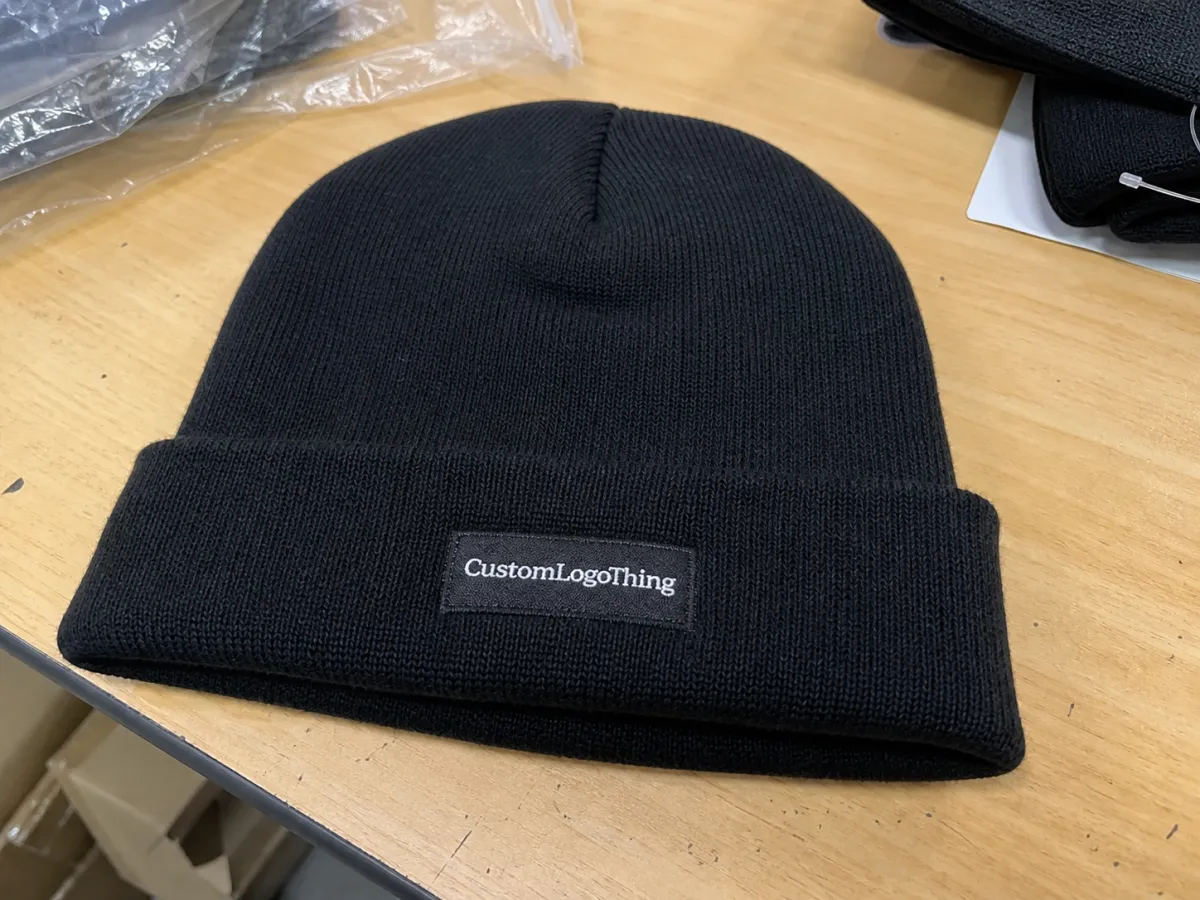
The first mistake is treating every beanie quote as if the knit blank is the main expense. It usually is not. A plain acrylic cuff beanie may cost only a few dollars before decoration, but once the logo adds dense fill stitches, multiple thread colors, or a difficult placement on a stretchy rib, the embroidery line becomes the heavier driver.
Stitch count is the clearest variable because it translates directly into machine time. A small front-cuff mark with roughly 2,000 stitches behaves very differently from a 9,000-stitch panel design that tries to translate gradients into thread. Thread changes add handling, test runs, and a little more room for error. Placement matters too. A flat cuff is easier to control than a design that has to sit across a rounded crown or a soft slouch fold.
That is why soap Embroidered Beanies Bulk Order Planning should start with the use case, not the art file. A retail program needs repeatability and shelf appeal. A staff uniform needs comfort and durability first. A giveaway item may care more about hitting a budget threshold and shipping on time than about intricate detail. Different goals lead to different pricing structures and different acceptable tradeoffs.
"The cheapest unit price can turn into the most expensive choice if the proof comes back late, the stitch detail fails, or the reorder does not match the first run."
A practical buyer usually looks at three numbers before making a decision:
- Unit cost for the first run, including decoration and normal setup.
- Proof speed, because one delayed approval can push a delivery past the actual use date.
- Reorder stability, meaning the next batch should match the first without rebuilding the art or renegotiating basic specs.
If a supplier cannot explain those three points clearly, the quote is incomplete. The blank fabric may be fine, but the program still needs a production path that holds up under volume. That is the real test in bulk buying: whether the finished goods are predictable enough to reorder without drama.
Material choice matters here as well. A basic 100% acrylic beanie is usually the most price-stable option because it is common, easy to stock, and consistent under embroidery. Acrylic/wool blends cost more, often 10-25% more depending on the market, but they can feel better and read as more premium. Recycled yarns may support sustainability goals, though they can narrow color options and tighten supply. The material should follow the program, not the other way around.
Beanie Styles That Embroider Cleanly in Volume
Not every beanie behaves the same under a needle. Cuffed acrylic styles are usually the easiest to manage because the cuff gives a flatter, more stable area for a logo. Slouch beanies can look better on trend boards, but the softer drape can distort the stitch field. Rib-knit beanies stretch more, which helps fit, yet that stretch can also pull fine text out of shape. Fleece-lined versions add warmth, though the extra bulk can make the outer surface less predictable during embroidery.
For volume orders, the cleanest choices are the ones that give the decorator a stable surface and a clear target area. A cuffed beanie with a front logo is the safest default. A rib-knit or slouch style can still work, but the artwork often needs to be simplified. If the design depends on hairline details, thin outlines, or tiny copy, the knit will fight back. The machine can sew it, but the final piece may not look as good as the mockup.
Placement matters just as much as style. Buyers usually choose from a few common options:
- Front cuff for the most predictable result and the best readability.
- Center panel for a larger appearance, though it is more sensitive to distortion.
- Side hit for subtle branding or secondary logos.
- Woven label or patch when the design is too detailed for thread alone.
The patch option deserves more attention than it usually gets. A logo that looks excellent on a screen may not deserve direct embroidery on soft knit. In those cases, a patch or woven label often gives a cleaner commercial result because the fine detail lives on a more stable substrate. That can improve production speed, reduce rework, and make the beanie look more deliberate instead of crowded.
One more practical point: if the beanie will be worn under a hood, helmet, or outer layer, keep the logo low-profile. Thick puff-style applications can feel bulky against the forehead and can print through the knit in a way the buyer only notices after delivery. A flatter stitch profile usually wears better and ships better, especially for teams that spend a long day outdoors.
There is also a difference between fashion beanies and workwear beanies. Fashion-led programs can tolerate more variation in drape and texture because the silhouette is part of the appeal. Workwear and uniform programs usually cannot. They need the same shape, the same height, and the same logo position every time. That distinction sounds minor until a reorder comes back and the cuff sits half an inch higher than the first run.
Sizing, Color Matching, and Artwork Specs
Most bulk beanies are sold as one-size-fits-most, but that phrase hides a real range in stretch, crown depth, and cuff height. A beanie that fits a broad adult audience may still feel loose on smaller heads or sit too high on larger profiles. If the order needs youth sizing, oversize fits, or a more unisex profile, confirm that before quoting. It sounds basic, yet it is one of the most common reasons a sample looks right and the run feels off.
Color matching is another place where expectations need to stay grounded. Knit blanks are not paint chips. Heathered yarn, melange blends, and piece-dyed lots can shift slightly from one production batch to another. That does not mean the order is wrong; it means the buyer should approve against a real sample or a current stock swatch whenever brand color matters. Thread charts help, but thread and knit do not behave the same way under light. A dark navy knit with a bright white thread can look colder in daylight and warmer under indoor LEDs.
In soap embroidered beanies Bulk Order Planning, artwork prep often decides how clean the final product looks. Ask for these items up front:
- Vector artwork in the correct colors.
- Exact logo size and placement.
- Any small text that should be removed or enlarged.
- A proof method that shows stitch density clearly.
Small copy is the first thing to suffer on knit goods. A line that looks fine in a PDF can collapse once it is translated into thread on stretch fabric. Simple shapes, bold marks, and clear spacing usually survive the process best. If the artwork has to carry fine gradients or delicate outlines, a patch may be the better route.
Shape consistency is worth checking too. Two beanies with the same stitch pattern can still sit differently on the head if one has a taller crown or a deeper cuff. That affects how the logo lands in relation to the wearer’s face and how the product photographs in a line sheet. For brands that rely on repeat visual presentation, those small differences matter.
Pricing, MOQ, and Unit Cost Breakpoints
MOQ is often the line that determines whether a beanie program works at all. Some suppliers can run small batches with higher per-unit pricing, while others reward larger quantities with better cost efficiency. Once an order crosses a certain breakpoint, the unit price can drop sharply because setup costs spread across more pieces. That is useful only when the buyer can actually use the volume.
Unit cost should not be judged in isolation. A run of 100 pieces at a higher price may be smarter than 500 pieces that leave inventory sitting for months. Storage, reorders, and missed seasonality can erase a low quote quickly. The best buying decision balances budget, lead time, and sell-through or distribution plans.
Thread color count also shifts pricing. One-color embroidery is simpler to run than a multi-color mark with frequent changes. Each added color can raise setup time and increase the chance of misregistration on a stretchy surface. That does not make multi-color decoration a bad choice, but it does make the quote more sensitive to art complexity.
Some suppliers also price based on decoration size. A small logo sits in one cost band, while a large front panel mark may move into a different one. That jump usually reflects machine time, not just material use. Buyers comparing quotes should make sure the logo size is identical across vendors before drawing conclusions from the numbers.
Production Process, Lead Times, and Approval Steps
Lead time is more than the time spent on the machine. It includes artwork cleanup, digitizing, sample production, client review, revisions, and final packing. A supplier who quotes a fast turnaround but leaves no room for proof approval can still miss the target date. The schedule only works when each step is clear before production starts.
A good approval process usually has three checkpoints: artwork review, stitched proof or sample, and final sign-off. Skipping one of them can save time on paper and create problems later. A proof that shows the stitch direction, density, and placement gives the buyer a chance to catch issues before the entire run is committed.
Shipping windows matter just as much as sewing windows. If the beanies are tied to an event, holiday, or campaign launch, ask how the supplier handles packing, carton labeling, and freight coordination. A finished order that sits in transit is still a late order.
Production also benefits from a clean spec sheet. Clear instructions about logo size, placement, Pantone targets, packaging, and ship date reduce back-and-forth. The fewer assumptions in the brief, the fewer opportunities for delay.
What a Reliable Bulk Supplier Should Prove
A reliable supplier should be able to show more than a low quote. Ask for previous work on similar knit goods, proof of consistent sizing, and an explanation of how they handle reorders. If they cannot speak plainly about stitch limits or fabric behavior, they may not be set up for a volume program.
Sample quality is another strong signal. A supplier who delivers a clean sample on time usually has a better process than one who promises a perfect run without a proof stage. The sample does not need to be fancy. It needs to show that the logo sits correctly, the knit behaves as expected, and the final piece can be repeated.
Communication is part of the product. Slow replies during quoting often turn into slow replies during production. That can matter more than a small difference in price. Buyers working against a launch date need a supplier who answers quickly, clarifies specs, and flags problems before they become delays.
Reorder support should be part of the conversation too. A good partner keeps art files, stitch settings, and placement notes on record so the next run does not begin from scratch. That is where long-term value often shows up.
Order-Ready Checklist for a Faster Quote
Gathering the right details before asking for pricing saves time and usually improves the quote itself. A complete brief makes it easier for suppliers to compare apples to apples and reduces the chance of surprise charges later.
Use this checklist before you request numbers:
- Beanie style, fabric content, and color.
- Logo file in vector format.
- Exact embroidery size and placement.
- Desired quantity and target delivery date.
- Packaging and labeling requirements.
- Any reorder expectations or future volume plans.
The cleaner the brief, the easier it is to judge the quote. Missing information usually shows up later as a delay, a revision, or a price change. A few minutes of preparation can prevent a week of back-and-forth.
If the project includes multiple variants, list them separately. A navy beanie with white thread is not the same job as a charcoal beanie with gold thread, even if the logo looks identical on screen. Clear line items help everyone stay aligned.
FAQ
What type of beanie is easiest to embroider in bulk?
Cuffed acrylic beanies are usually the easiest because the cuff gives the decorator a flatter, steadier surface.
Does a higher stitch count always mean a better logo?
No. Higher stitch counts can improve coverage, but they also raise cost and can make small knit areas less stable.
Can every logo be embroidered directly onto a beanie?
Not always. Very fine details, tiny text, and thin lines often work better on a patch or woven label.
Why do two quotes for the same beanie look so different?
Differences in setup, stitch count, thread changes, proofing, and freight can move the number even when the blank looks identical.
What should buyers confirm before placing a bulk order?
Confirm sizing, fabric, logo placement, proof timing, delivery date, and reorder support before approving production.
Bulk beanie orders reward simple decisions made early. A stable style, a clear logo, and a supplier who understands the production path usually matter more than chasing the lowest blank price. Once those pieces line up, the rest of the order tends to move more smoothly.

