Wine club merch has a habit of looking better on a screen than it does in a hand. A beanie can read as clean, premium, and perfectly on-brand in a mockup, then arrive too loose, too stiff, or too shiny to feel worth keeping. That gap is exactly why the wine club logo patch Beanies Material Sample guide exists: it turns a vague approval into a real decision about knit density, patch construction, cuff recovery, and overall finish.
For wineries, that matters. Club merchandise has to carry the brand, survive repeated shipments, and stay consistent from one release to the next. A weak sample process does not just cost a prototype fee. It can lead to rework, late freight, and a member gift that feels cheaper than the program it is supposed to represent.
Used well, a sample guide is not paperwork. It is a practical way to compare yarns, patch materials, trim, and packaging before anyone commits to production.
Why the sample guide matters before bulk orders
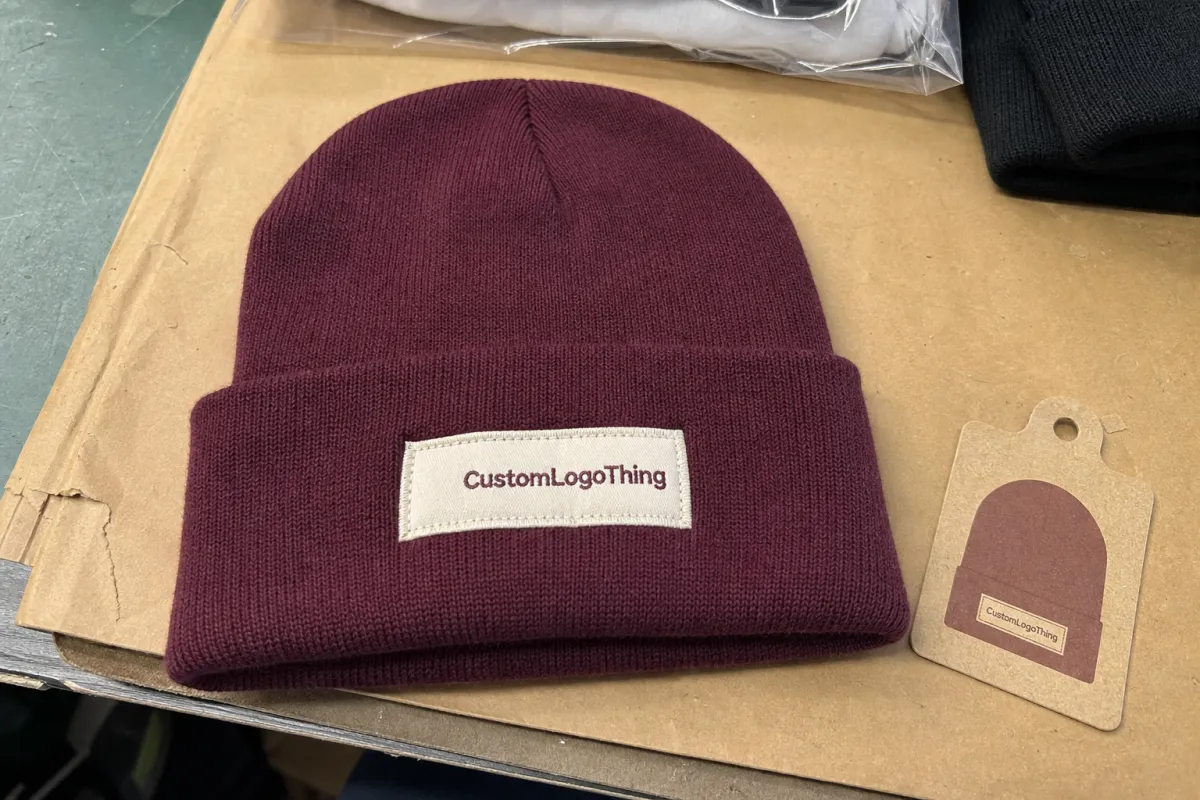
Flat art hides a lot. Knit gauge changes the size of a logo. Patch material changes the sheen. A cuff that looks tidy in a render can feel pinched after five minutes if the recovery is too tight. The first rule of a good sample review is simple: the visual is only half the product.
Most buyers are trying to answer three questions. How does the fabric feel? How does the logo read at arm’s length? And will the beanie still hold its shape after it is folded, shipped, unpacked, and worn a few times? Those are production questions, not design questions, and a physical sample is the fastest way to settle them.
Wine clubs feel the consequences faster than most categories because the merchandise is tied to a story. A winter release may need warmth and texture. A reserve-level gift may need a cleaner, more polished look. Members notice inconsistency, especially when a logo shifts slightly from one batch to the next. That is not a tiny cosmetic issue. It makes the whole program feel less controlled.
Packaging teams should pay attention too. If the beanie is going into a subscription box or a holiday gift set, the presentation matters as much as the hat itself. A knit cap folded neatly in kraft paper inside a rigid carton feels far more intentional than one tossed into a thin mailer. Even the sample shipping method tells you something about the final unboxing.
A good sample does not just show the logo. It proves the fit, the finish, and the way the piece handles in real use.
That is why the first sample round should be treated as a decision tool, not a sales sample. If it helps you compare at least two workable constructions, it is doing the job.
How the sample approval process works
The process usually starts with artwork review. The supplier checks the logo file, confirms stitch limits or patch size, and flags anything that may disappear on a small patch face. Thin lines, tiny text, and gradients tend to be the first problem areas. A logo that looks elegant at three inches wide may need simplification at two inches just to stay readable.
Next comes material selection. The buyer chooses the beanie body yarn, the patch type, the cuff style, and sometimes the lining or label placement. At this stage, a vendor may send a knit swatch, a patch-only mockup, or a fully decorated prototype. Some programs need all three. Others only need one complete sample if the spec is already stable.
The most useful approval checks are the boring ones. Logo clarity. Patch edge quality. Cuff proportion. Stretch recovery. How the decoration sits after the hat is pulled on and off a few times. If the patch buckles when the knit stretches, that is a problem. If the cuff collapses after one wear, that is a problem too. If the logo looks centered only when the beanie lies flat, that is also a problem.
Digital renderings help with color and layout, but they do not reveal texture. A screen will not tell you whether a patch feels supple or rigid. It will not show whether the knit body feels gift-worthy or just serviceable. It will not tell you if a leatherette patch is too glossy, or if a woven patch disappears against a busy yarn color.
The sequence usually looks like this:
- Submit artwork and reference colors.
- Choose the beanie body and patch construction.
- Review a prototype or swatch set.
- Mark changes on placement, fit, or finish.
- Approve the final spec sheet before bulk production.
That sounds basic because it is. Basic is good. It prevents expensive guessing. If the vendor cannot clearly separate a body swatch from a decorated sample from a final production reference, ask for that in writing before the order moves forward.
What to compare in knit fabrics, patch types, and trim
This is where the sample guide earns its keep. The body fabric shapes comfort and cost. The patch shapes brand perception. The trim shapes the overall finish. Each one can be changed on its own, but the final piece only works if they are balanced.
For the body, common choices include acrylic, wool blend, recycled yarn, and fleece-lined constructions. Acrylic is usually the most cost-efficient and the easiest to keep consistent. Wool blends feel warmer and often read as more premium, though they raise price and care expectations. Recycled yarns are increasingly common for clubs that want a sustainability story. Fleece lining adds warmth, but it can also change the fit and reduce stretch if the build gets too heavy.
Patch style matters just as much. Woven patches are strong for small type and detailed marks because the edges stay crisp. Embroidered patches have a classic, textured feel, but fine details can blur once the stitch build gets dense. Leatherette gives a cleaner, more giftable finish. PVC can be durable and dimensional, though it does not suit every wine club aesthetic. Felt is warm and nostalgic, but it can look less refined unless the logo is simple.
The small details matter more than most teams expect. Cuff height changes the visual balance. Stitch density changes warmth and drape. Thread sheen can make the same logo look modern or heavy. Label placement matters because a side seam label can feel polished on one style and awkward on another. Even edge finishing changes how the beanie photographs, which matters if the club sells online or shows member kits in email campaigns.
Use case should drive the choice. A tasting-room staff beanie needs durability and repeat wear comfort. A winter gift for top-tier members may prioritize softness and visual polish. A limited-edition release may justify a leatherette or woven patch with a tighter gauge knit, while a utility piece for staff may need a simpler build that holds up under daily use.
A quick comparison helps during review:
| Option | Typical feel | Best use | Relative cost impact |
|---|---|---|---|
| Acrylic knit + woven patch | Soft, stable, clean detail | Most club programs | Lowest to mid |
| Wool blend + embroidered patch | Warm, textured, classic | Premium gifts, winter drops | Mid to higher |
| Recycled yarn + felt patch | Eco-forward, casual | Sustainability-led clubs | Mid |
| Fleece-lined + leatherette patch | Plush, polished, heavier | High-touch member boxes | Higher |
If sustainability is part of the story, ask how the sample kit itself is packed. FSC certified paper inserts, kraft paper wraps, and post-consumer waste mailers can support the message without adding much cost. If the club uses biodegradable packaging elsewhere, confirm that claim applies here too. Biodegradable and recyclable are not interchangeable terms, and people tend to use them that way when they should not.
For teams that want outside reference points, ISTA is useful for transit-testing language, and FSC helps with responsible paper sourcing. The goal is not to over-engineer a beanie. It is to use the same discipline applied to other branded goods.
Cost, pricing, and MOQ
Sample pricing and bulk pricing are different conversations. A prototype can look expensive because you are paying for setup, handwork, and one-off shipping. Production spreads that setup cost across hundreds or thousands of units. Buyers sometimes compare the two and assume something is off, but the math is usually normal.
For a custom patch beanie sample, a common range is $35-$120 depending on whether the supplier already has the yarn, whether a new patch tool is needed, and how many revision steps are included. If the patch needs a die, mold, or special backing, that one-off cost rises fast. Shipping can add another $10-$35 depending on speed and destination.
MOQ changes the equation. A winery that wants one design in three colorways may find that the color split raises the unit price more than expected. If the order sits under the supplier’s normal production threshold, the price per piece can jump sharply. In many programs, a realistic MOQ lands between 100 and 300 pieces, though some factories can go lower if the spec is simple and the color count is limited.
Ask for a price ladder. That means pricing at a few realistic quantities, not just the exact one the team has in mind. A useful quote might show 100, 300, and 500 units, plus the difference between woven, embroidered, or leatherette patches. That makes the value break clear. Sometimes the smarter move is to bump the order slightly so the unit price drops enough to cover the extra pieces.
Watch the usual cost drivers:
- Decoration complexity - more detail usually means more setup and slower review.
- Special yarns - recycled yarn, wool blends, and fleece-lined builds raise cost.
- Private labeling - custom woven labels, hangtags, and neck tags add setup.
- Patch tooling - leatherette, PVC, or molded elements can require new tools.
- Revision count - every extra round adds labor and shipping risk.
If the beanie is part of a gift set, the sample should include packaging too. A corrugated cardboard mailer with kraft paper filler and a neatly folded beanie will test very differently from a loose sample sent in a poly bag. That choice affects not only appearance, but also how the piece arrives after transit.
Honest pricing conversations save time later. The cheapest sample is not always the smartest move if it hides a construction the factory cannot repeat at scale. The better question is not how low the sample cost can go. It is which sample best predicts production without unpleasant surprises.
Timeline: request, revise, and lock the sample
Most sample schedules follow the same pattern. Artwork review may take 1-2 business days if the files are clean. Prototype building often takes 7-12 business days, longer if the patch is custom or the yarn is special. Shipping can add another 3-5 business days, depending on where the sample is going. Revisions usually add about a week if the change list is tight and the team responds quickly.
Delays happen in familiar places. Missing vector files. Unconfirmed color references. Three people giving conflicting notes. A buyer asking to change both the patch and the knit body after the first round. The more variables that move at once, the longer the approval window gets.
Wine clubs feel that pressure because merch deadlines are not flexible. Holiday gifts, release parties, tasting-room launches, and member shipment cutoffs all compress the calendar. If a sample arrives late by even a few days, production can slide. That is how a simple beanie turns into a rush order.
One way to shorten the process is to centralize feedback. Choose one person to collect notes, one person to approve the revision list, and one final sign-off gate. Fragmented feedback slows everything down. So does vague language like “make it nicer” or “the logo feels off.” Better notes name the issue: raise cuff depth by 0.5 inch, reduce patch gloss, or move the logo 3 mm left.
Packaging should be part of the timeline too. A sample that arrives crushed in a poor mailer teaches the wrong lesson. Ask whether the vendor ships in a rigid carton, whether the beanie is wrapped in kraft paper, and whether the kit uses recycled materials in the outer pack. Those details are minor until they fail. Then they are not minor at all.
From a production-control standpoint, the final sign-off should end in a written spec sheet. That sheet should include yarn type, gauge, patch material, logo size, placement, label location, and packing method. If it is not written down, it is not approved.
Checklist for requesting the right sample package
A good sample request makes the supplier’s job easier and your review more useful. The more specific the request, the fewer assumptions the factory makes, and the fewer surprises show up in the box.
Start with a clean spec packet. Include the logo file in vector format, the preferred beanie style, the patch type you want to see first, and the exact brand colors if they matter. If the club has a tone preference, say so. “Soft handfeel with a more premium look” is better than “make it nice.” If warmth matters more than softness, say that too.
Then ask for the right mix of sample types. A body swatch shows knit density and texture. A patch mockup shows logo fidelity and surface finish. A fully decorated prototype shows the complete product in context. Not every program needs all three, but many do, especially when the buyer is choosing between two body materials or two patch constructions.
I also recommend a simple comparison rubric. Rate each sample on a 1-5 scale for softness, fit, logo clarity, patch durability, and value. That keeps the team from making the decision on taste alone. Taste matters, but production reality matters more. If two samples look good and one is clearly more stable, the rubric makes that visible.
Your request should include these items at minimum:
- Vector logo file and any secondary marks
- Target beanie style and cuff preference
- Patch type options you want quoted
- Brand colors, Pantone references if available
- Fit notes, handfeel notes, and warmth priority
- Shipping deadline and final approval owner
Ask for photos and measurements with the physical sample. A good supplier should document crown height, cuff depth, patch size, and any deviation from the intended spec. That makes revision comparisons straightforward. Memory is a poor production record.
Keep the revision cycle tight. One consolidated feedback round is usually better than three scattered ones. If the team knows the final approval format upfront, production can start with less ambiguity and fewer last-minute changes.
Common mistakes and final sign-off
The biggest mistake is approving from a screen. A mockup can flatter a weak build and hide a logo that is too fine for the patch method chosen. Always check the physical sample in natural light, then try it on. Stretch the cuff. Fold it. Wear it for a few minutes. The problems that matter usually show up in motion, not in a still image.
Another common trap is choosing the softest sample without asking whether it is the most production-faithful. Some samples are intentionally over-finished or hand-tuned in ways the bulk run cannot match. If the sample feels amazing but the production spec cannot repeat it, the team has bought a false promise. Better to approve the version that can actually be repeated.
Comparing patch materials side by side helps a lot. Woven versus embroidered can change the brand read immediately. Leatherette may feel more upscale than felt, but it may also shift the club’s tone in a direction the team did not intend. There is no universal winner. The right patch is the one that supports the winery’s position, logo complexity, and target price.
The best final-sign-off habits are plain and unglamorous:
- Limit feedback to the must-fix issues.
- Ask for measurements on every revision.
- Compare at least two patch materials if the logo is detailed.
- Confirm the final packing method in writing.
- Keep one decision-maker responsible for final approval.
Packaging teams should think about the rest of the order too. If the beanie is part of a member gift set, the outer pack should match the merch quality. Corrugated cardboard for shipping strength, kraft paper for presentation, and recycled materials where possible can support the brand story without pushing cost out of range.
Treat the sample like a contract in miniature. Once approved, it should define the knit, patch, fit, and pack method production must follow. If the factory changes something later, ask for a fresh reference before release. That discipline keeps premium merch premium.
What should be included in a wine club logo patch beanie sample kit?
Include a beanie body sample, a patch mockup or prototype, and any label or hangtag options the winery plans to use. Add written notes for color references, target fit, and logo placement so the sample is judged against real production goals. Ask for photos and measurements with the physical sample so texture, scale, and finish can be compared without guesswork.
How many sample rounds are normal for logo patch beanies?
One physical round is often enough when artwork is final and the material choice is already clear. A second round is common if the patch material, yarn, or placement changes after the first review. The fastest path is to gather all comments into one revision list instead of sending piecemeal notes over several days.
What drives the price of a wine club beanie material sample?
Custom patch tooling, special yarns, and private labeling usually add the most to sample cost. Shipping and revision rounds can also raise the total if the buyer changes direction after the first prototype. Ask whether any sample fees are refundable or creditable against bulk production so the true cost is clear before the order moves forward.
How long does the sample process usually take for patch beanies?
Digital proofing is usually the fastest step, while physical samples take longer because the knit body and patch have to be built. Revisions add time, especially if the buyer changes both the decoration and the beanie construction. Clear art files and one decision-maker can shorten the overall timeline significantly.
Which patch style is best for premium wine club beanies?
Woven patches are strong for detailed logos, while embroidered patches offer a classic textured look. Leatherette or similar premium-feel options can work well when the winery wants a more upscale, giftable finish. The best choice depends on brand position, logo complexity, and how much stretch the knit body needs to keep. Using the wine club logo patch Beanies Material Sample guide as the decision tool keeps the choice grounded in fit, finish, and repeatability instead of guesswork.


