wine club soft touch poly mailers Unit Cost Review sounds like a narrow packaging topic. It is not. For a wine club, that number sits at the intersection of branding, damage rates, labor, freight, and reorder consistency. A mailer can look great in a mockup and still be a bad buy if it splits, slows fulfillment, or forces extra protection later in the process. The useful question is simpler: what does the package cost after real shipping conditions, not just after the quote sheet?
The mistake I see most often is treating “premium feel” as a style choice. It is not just style. Soft-touch film changes how the pack holds up to scuffing, how fingerprints show, how the logo reads under warehouse light, and how much value the customer thinks is inside before the box is opened. That perception matters, but only if the mailer still survives handling. Nice texture and weak seams is a waste of money with better lighting.
Wine club packaging is also repetitive by design. That changes the math. One shipment can absorb a little inefficiency. Twelve monthly drops cannot. Once a club ships on a schedule, small differences in unit cost, rework, or replacement shipments turn into real spend. A tighter build, a cleaner seal, and the right finish often save more than they cost.
Why premium-feel wine mailers often lower damage costs
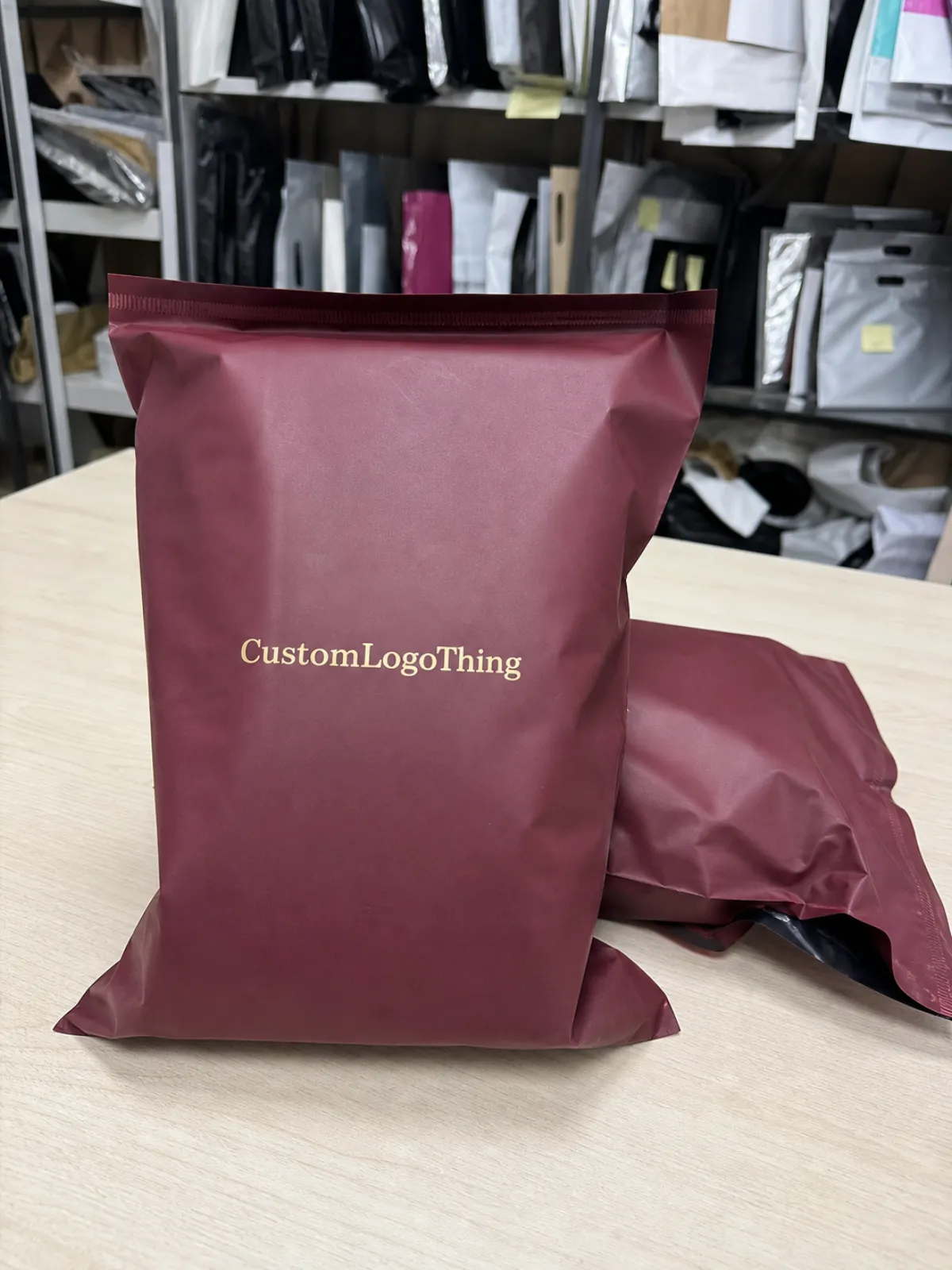
A wine club outer pack is part protection, part presentation. If the customer sees a damaged outside mailer, the whole experience starts badly, even when the bottle is fine. If the mailer arrives clean, straight, and intact, the unboxing feels more deliberate. That is a small thing until you realize how often repeat customers judge a subscription by the quality of the package before they judge the product inside.
Soft-touch finishes do more than soften the hand feel. They hide light scuffs better than a bright gloss surface, and they make print look calmer and more intentional. In transit, that matters. A film that disguises minor wear keeps the shipment looking closer to new when it reaches the customer. That reduces the odds of a complaint based on appearance alone, which is a real cost even if the pack technically survived.
There is also a labor angle that gets ignored because it does not show up in a neat line item. When outer packs fail or arrive ugly, the team spends time inspecting, repacking, or replacing them. A few extra minutes per order is enough to erase any savings from a cheaper film. I would rather see a slightly higher per-piece cost and a lower problem rate than chase the lowest sticker price and pay for it in the warehouse.
Not every wine club program can replace a corrugated shipper with a poly mailer. Some need an inner carton, dividers, or a secondary wrap around a protected product. That is fine. The point is to evaluate the outer mailer as part of the full build. If the mailer lowers abrasion, cuts dead weight, or lets the pack stack better, it can pay for itself even before branding is counted.
A soft-touch mailer that tears at the seam is not a premium pack. It is a costly apology.
For teams comparing structures, it helps to look at the packaging system as a whole instead of just one component. If you need a broader starting point, review Custom Packaging Products and narrow the build from there. The best outer pack is usually the one that fits the actual shipping lane, not the one that looks best sitting untouched on a desk.
There is a testing side to this too. Distribution damage is usually less about theory and more about handling realities: compression, abrasion, drops, and corner stress. Organizations such as ISTA publish useful test frameworks that help packaging teams stop guessing. A wine club mailer does not need every possible lab test. It does need a realistic stress check before anyone orders thousands of units.
Soft-touch finish options that change the unboxing without changing the box
Soft-touch is one of those details buyers understand immediately when they handle a sample. It changes the first impression fast. The surface feels warmer and less plastic-heavy than standard gloss, and that can make a simple layout look much more refined. It also helps the print sit better visually because the finish cuts glare and keeps the packaging from shouting at the customer.
Matte soft-touch is the safest choice for a restrained, premium look. It hides scuffing well and rarely fights the artwork. Satin splits the difference between matte and gloss. It feels polished without looking shiny. Gloss still has a place if the brand wants higher contrast and a brighter shelf presence, but it shows fingerprints and wear faster. For wine club work, matte and satin usually age better through handling and delivery.
The artwork choice matters just as much. Flexible film is not the place for overly busy graphics unless the budget allows for more proofing and more print control. A strong logo, clean spacing, and one or two spot colors often beat a crowded design that looks impressive on a screen and muddy in production. If the film is dark, white ink becomes important. Without a proper white underprint, colors can sink into the background and lose definition.
Placement is another detail that gets overlooked. The flat file is not the finished pack. If the logo sits too close to the closure, it can get interrupted by the seal or hidden by overlap. Good packaging art is built around the folded, filled, and sealed version of the mailer. That is where a lot of first-time designs go sideways. The mockup looked fine. The finished pack did not.
For buyers comparing build choices, Custom Poly Mailers is the right place to compare finish, print style, and material structure side by side. Sometimes the soft-touch upgrade is worth it because the brand has enough margin and the club uses the package as part of its identity. Sometimes a cleaner, simpler print wins because the extra tactile layer does not move the customer response enough to justify the added spend.
Sizing, thickness, seals, and tear resistance that protect bottles
Size the mailer around the finished pack, not around a catalog dimension that looked close in a spreadsheet. Bottle count, inserts, sleeves, closures, and any protective material all change the final footprint. A single-bottle club package and a two-bottle pack with a divider are not the same job. Leave enough room for the actual build and for the people handling it. A tight prototype may still turn into a headache once production starts moving at speed.
Film thickness is where the quote usually starts to change. Thin film lowers the piece price, but it also raises puncture and seam-failure risk. Heavier gauges cost more and usually buy better durability, especially where corners, closures, and edge stress are involved. For many wine club applications, 2.5 to 4 mil is a practical planning range. The right spec depends on whether the mailer is mostly cosmetic, or whether it is doing real protection work around an inner carton or insert system.
Closures are easy to underestimate. A peel-and-stick strip that looks fine in a sample can fail once the pack is exposed to dust, heat, or repeated handling. Seal width matters. Adhesive quality matters. Tamper evidence matters if the club wants a clear opening point. If the package is customer-opened, an easy tear feature can save a lot of frustration. If the warehouse is the only opener, the closure can be optimized for speed and stackability instead.
Surface behavior matters in storage and in transit. A good wine club mailer should resist moisture, hold its shape in warm rooms, and stack without sticking to itself. Anti-block treatment helps when packed bags sit close together. Slip level matters too much to ignore. If the mailer slides all over the bench, it slows packing. If it grips too hard, it becomes awkward and clumsy. Neither problem sounds dramatic. Both create friction and labor cost.
For transit planning, the better question is whether the package should be checked against an ISTA-style distribution profile. Not every order needs a full test program, but a realistic stress check is smarter than assuming the route will be gentle. If your team wants to think through disposal and recycling behavior as well, the EPA’s recycling resources at EPA are a better reference than warehouse folklore or guesswork.
Wine Club Soft Touch Poly Mailers Unit Cost Review
Here is the blunt version: unit cost is shaped by film weight, finish, dimensions, print colors, tooling, proofing, and freight. That is the bill. Everything else is packaging language dressed up as certainty. If you ask for a quote before you know your finished size and artwork complexity, you are asking someone else to estimate your real spend.
A proper wine club soft touch poly mailers Unit Cost Review also has to include volume tiers. Small runs usually look expensive because setup and proofing are spread across too few pieces. Once quantity climbs, the cost per unit drops, sometimes sharply at first, then more slowly. The curve is predictable enough that buyers should always ask for multiple tiers instead of one flattering number.
| Run size | Typical cost per piece | Common setup or tooling charges | Best use case |
|---|---|---|---|
| 1,000 to 2,499 | $0.38 to $0.72 | $120 to $300 | Pilot order, fit check, print verification |
| 3,000 to 4,999 | $0.24 to $0.48 | $90 to $220 | Smaller club programs balancing flexibility and price |
| 5,000 to 9,999 | $0.16 to $0.34 | $60 to $160 | Recurring monthly or quarterly shipping volume |
| 10,000+ | Quote-based, usually lower per unit | Amortized across the run | Stable club with repeat specs and predictable demand |
Those ranges assume a standard size, a matte soft-touch finish, and one or two spot colors. Add white ink, oversized dimensions, full-coverage graphics, or special finishing and the price moves up. That is normal. What is not normal is pretending the cheaper quote is automatically better just because the first line looks lower. Reprints, extra proof rounds, and damaged packs can erase the gap fast.
MOQ matters because it sets the tradeoff. Lower MOQ brings flexibility, but the unit cost rises. Higher MOQ can cut the piece price, but it raises inventory risk if the club format changes. A good buyer does not just chase the lowest number. The buyer picks the lowest-risk number that still supports the shipping calendar. That often means standardizing one or two sizes, reducing print complexity, or combining similar SKUs so the order reaches a better tier without making the design worse.
Watch the hidden charges. Ask whether the proof is included. Ask about plates or cylinders if the print method needs them. Ask whether rush scheduling costs extra, because it usually should. Ask about split shipments, pallet charges, and whether the quote assumes dock delivery or something more specific. The cheapest quote is often the one with the loosest assumptions.
For planning purposes, landed cost is the number that matters. That means the mailer price, freight, production time, and the cost of any failures or rework. A low per-piece number can still lose if it causes more labor or more replacements. Packaging buyers who ignore that usually only get surprised once.
Process, lead time, and production steps from proof to pallet
The cleanest production workflow is the one with fewer open questions. It usually goes like this: quote request, artwork review, digital proof, color approval, production, inspection, packing, and dispatch. Skip one of those steps and the order tends to pay for it later through delays or corrections. Packaging is simple only after the decisions are done.
Realistic lead times for custom mailers are often 12 to 18 business days after proof approval. That window shifts with quantity, print complexity, and production load. First orders take longer because dimensions, artwork placement, and print behavior need to be confirmed. Reorders are faster if the spec stays locked. The plant can only move quickly when nobody is changing the target after approval.
Late artwork changes are the classic delay. Missing dimensions are another. Vague shipping instructions are another. “Send it to the warehouse” is not enough when there are two warehouses, a consolidation point, and a fulfillment partner waiting for a firm receipt window. Color approval can slow things too if the buyer waits too long to review it. The sooner the decision is locked, the sooner the production line can stay on schedule.
Approved specs matter more than optimism. Once the finish, seal, thickness, size, and print layout are set, the production team can run the order without guessing. That is how turnaround improves. Not by asking for miracles. By removing avoidable decisions.
The hard truth is that production speed depends on the customer as much as the factory. The fastest orders are the ones that arrive with finished art, exact dimensions, a real ship date, and a person who can approve the proof without dragging it through a week of internal debate. That sounds basic because it is basic. Still, it is where most schedules drift.
Why repeat wine clubs stay with a supplier that holds color and timing
Repeat wine clubs care less about drama than consistency. Same feel. Same logo placement. Same color from batch to batch. If the packaging changes every run, the club starts to look less like a managed program and more like a series of unrelated shipments. That is a bad look for a recurring business that depends on trust.
Good suppliers keep specs on file and document approved artwork. That sounds obvious because it should be obvious. But a lot of packaging vendors still make the buyer repeat basic information on every reorder. That wastes time and creates room for error. A supplier that remembers the build, the finish, the closure style, and the approved print details saves effort on the second order and every order after that.
Communication matters just as much as color control. Wine club shipping windows are usually fixed. If inventory moves, a launch slips, or a fulfillment plan changes, the supplier has to respond quickly. Not eventually. Quickly. Slow answers force rush freight, and rush freight is usually a sign that someone ignored the schedule until it got loud.
Repeat business is usually earned through boring reliability. Fewer print mistakes. Fewer spec resets. Better timing. Better control over reorders. A supplier that holds color and timing helps the club avoid replacement shipments, panic calls, and random packaging variation. That is why many recurring programs stay put once the build is dialed in. They are not loyal to a logo. They are loyal to reduced friction.
If the mailer sits inside a bigger packaging system, compare it against the rest of the kit through Custom Packaging Products. If the format is already fixed, keep the approved build in a clean record under Custom Poly Mailers so the next reorder starts from a spec, not from memory. Memory is a terrible production document.
There is also a sustainability reality that gets oversimplified too often. Recyclability depends on the actual material stream available where the package is delivered, not on what sounds good in a sales deck. Good packaging is practical first. Pretty second. Predictable timing, stable specs, and fewer remakes usually matter more than a polished pitch.
What to send for a fast quote and a clean first order
If you want a quote that can actually be used for buying, send the right inputs upfront. Start with the finished size, bottle count, quantity, artwork file, target ship date, and destination zip. Add the finish, thickness, and closure style if those are already set. If you are still deciding, say so. That is not a problem. Guessing is the problem.
- Finished size: actual outer dimensions after inserts, folds, and closure space are included.
- Quantity: request at least three volume tiers so the pricing curve is visible.
- Artwork: final vector file if possible, or a clean PDF with print colors called out.
- Construction: thickness, seal type, finish, and whether white ink is required.
- Timeline: target in-hand date, not just the date you want to place the order.
- Shipping: destination zip, split shipment needs, and whether pallet delivery is required.
Ask for samples if the finish or closure feel affects the decision. A photo can help, but physical samples answer questions faster. Soft-touch is one of those specs that people understand immediately once they touch it. Seal quality works the same way. A sample tells you more than three rounds of vague adjective swapping ever will.
Ask for several pricing tiers, not a single number. One number hides the important part. Three tiers show where the discount actually begins and where it stops helping. That makes it easier to judge whether a higher MOQ is worth it or whether a smaller first run is safer for the club schedule. If a supplier gives only one price and calls that a quote, the comparison is incomplete.
For the first order, lock the specs before final art approval. Then confirm the proof, finish, and ship method in writing. After that, the order should move with fewer surprises. That is the real value of a wine club soft touch poly mailers Unit Cost Review: not to admire packaging jargon, but to make sure the pack looks right, survives the route, and lands at a cost that still works for the club.
Frequently asked questions
How does a wine club soft touch poly mailers unit cost review usually change with higher volume?
Unit cost usually falls because setup, proofing, and production prep get spread across more pieces. The steepest drop is often between the first small run and the first real production tier. Ask for multiple tiers so you can see where the curve starts to flatten before you commit.
What MOQ should I expect for wine club soft touch poly mailers?
MOQ varies by size, print complexity, and finish, but small custom runs often start in the low thousands. If you need a lower MOQ, expect tighter pricing and fewer finish or print options. A good supplier should show that tradeoff clearly instead of hiding it.
Is matte soft-touch worth the upgrade over a standard gloss mailer?
Matte soft-touch usually feels more premium and hides fingerprints and scuffs better. Gloss can still work if the brand wants more shine and the design depends on it. Choose based on shipping reality and brand fit, not just on which one sounds fancier.
How long does production take after artwork approval?
Lead time depends on quantity, print method, and current load, but many custom orders land in the 12 to 18 business day range after proof approval. First-time orders usually take longer than reorders. Clean specs and fast approvals shorten the schedule more than anything else.
What should I send to get an accurate quote for wine club mailers?
Send the finished size, quantity, bottle count, artwork file, and shipping deadline. Include any must-have specs like thickness, finish, and closure style. If you want a real comparison, ask for pricing at several quantity tiers, not just one.


