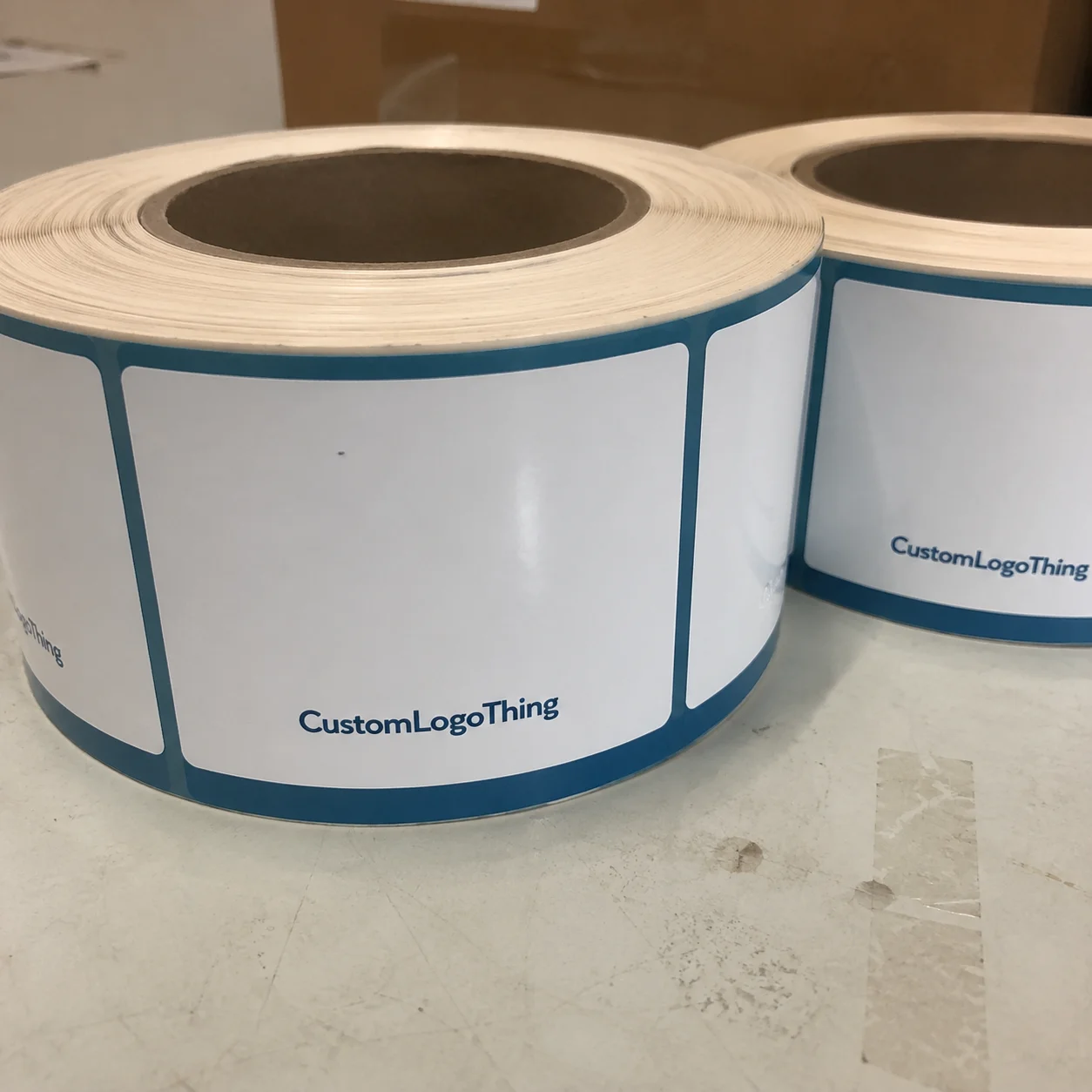
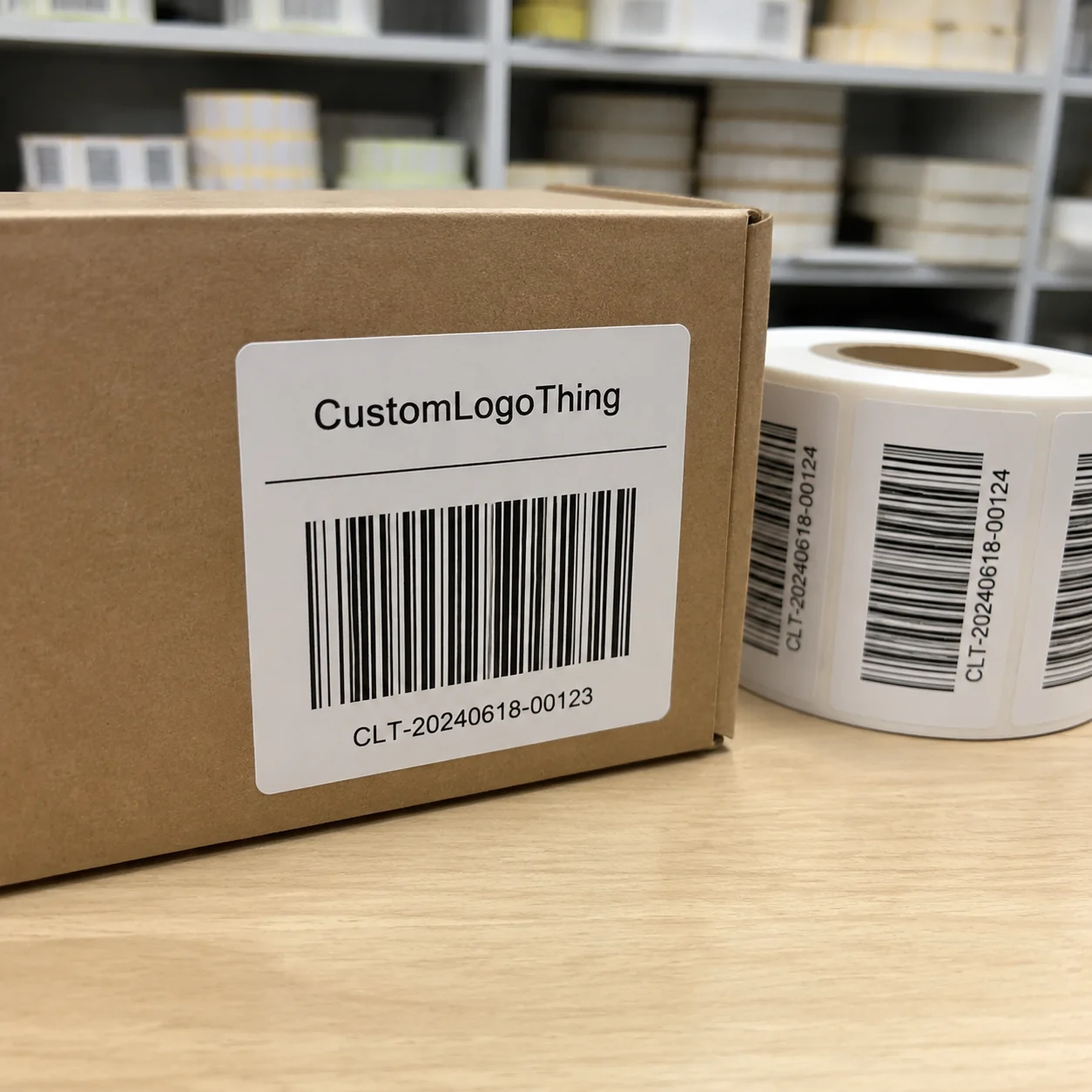
Many cosmetic brands assume premium packaging has to come with a premium price tag. That is not always true. The Woven Labels Unit Cost for cosmetics can be surprisingly manageable if the construction is chosen with care, the artwork is kept clean, and the order quantity is large enough to absorb setup charges.
The reason this matters is simple: cosmetics are judged quickly. A jar, pouch, sachet, or gift set either looks finished and consistent, or it looks like it was assembled in a hurry. Woven labels help bridge that gap without relying on oversized cartons, extra stickers, or decorative add-ons that raise packaging spend without improving the product.
For brands working on tight margins, the real question is not whether woven labels look good. It is whether the label spec supports the packaging goal at a sensible unit price. That depends on material choice, artwork complexity, finishing, and how many pieces you are actually ordering.
Why woven labels can lower your cosmetic packaging costs
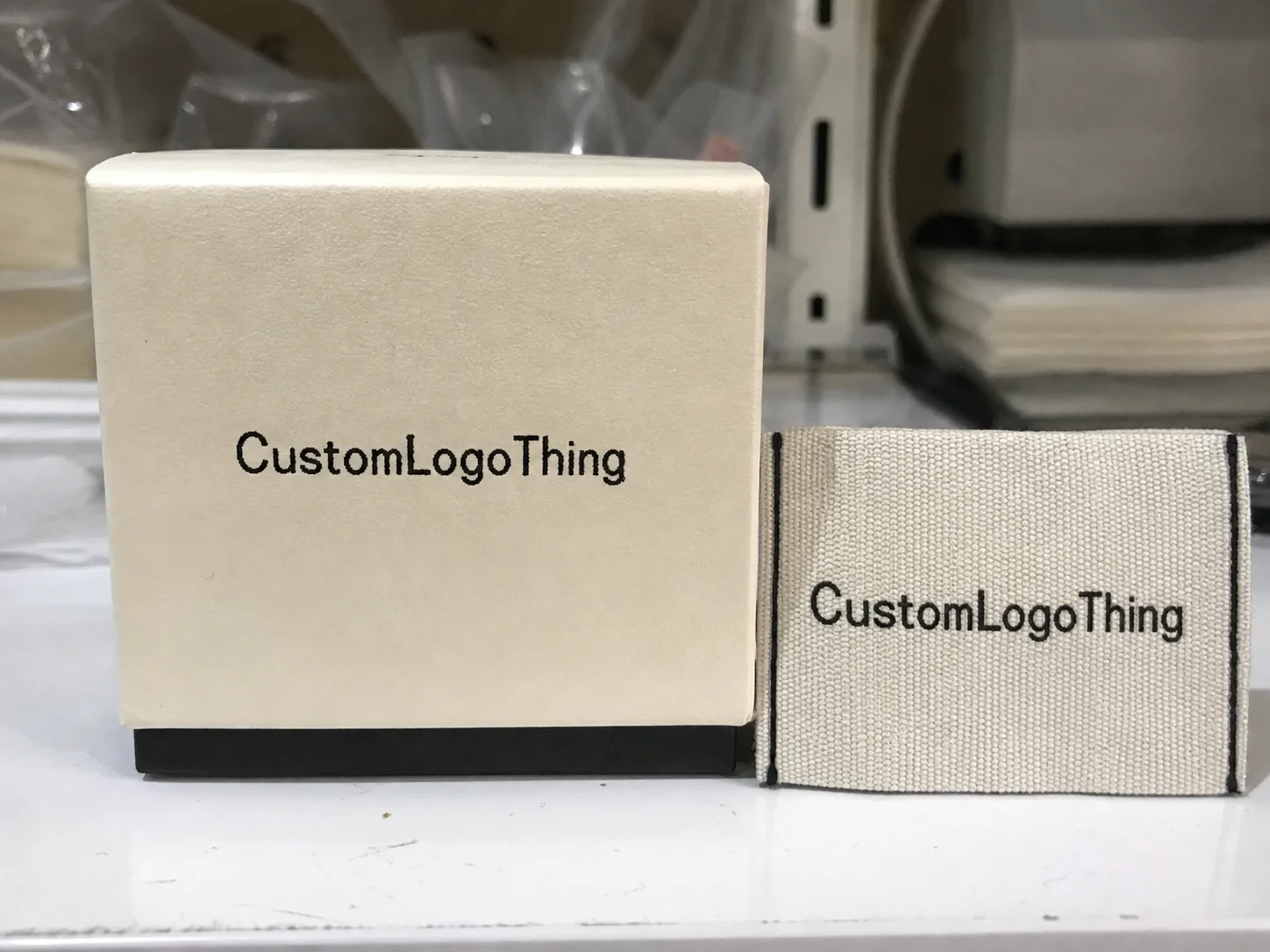
A label that looks expensive does not have to be expensive. Woven labels often create a stronger perceived value than printed alternatives because they keep their shape, stay readable, and hold up well during handling, shipping, and retail display. That is especially useful in cosmetics, where a fuzzy logo or frayed edge can make the entire package feel less considered.
They also fit a wide range of cosmetic packaging formats. Small woven labels work on Lip Balm Tubes, pouch seams, reusable cosmetic bags, sample kits, and gift-set components. Larger versions can be used on folded cartons, inner pouches, or accessories that sit alongside the main product. Brands that want a soft, tactile finish often prefer woven construction over glossy printed tags, while brands with a natural or handmade aesthetic may still choose cotton or paper-based pieces for a different visual effect.
The cost advantage comes from efficiency as much as appearance. A strong woven label can reduce the need for extra printed elements or decorative layers elsewhere in the pack. If the label already communicates brand identity clearly, there is less pressure to compensate with more packaging components. That is where savings show up: not always in the label line alone, but in the total pack structure.
Woven labels become more cost-efficient as quantity rises. Setup, thread selection, and artwork preparation all affect the first quote, so the unit cost improves once those fixed elements are spread across more pieces. A small launch can still use woven labels, but the economics are better once the spec is stable and the reorder plan is realistic.
Woven label construction for cosmetic brands
A woven label is not just a small tag with a logo on it. It is a mix of weave structure, thread choice, edge finish, fold style, and attachment method, and every one of those decisions changes both the appearance and the cost. For cosmetic packaging, that makes the spec sheet more important than it first appears.
The most common use cases are fairly straightforward. Lip balms and sample sachets need very small labels that stay legible. Skincare jars often need a clean brand mark that does not fight with the product graphics. Travel pouches and gift sets usually need something premium but not stiff. Beauty accessories such as reusable makeup bags, headbands, and brushes may need a sewn label, a loop label, or a hang style depending on how the item is assembled and displayed.
Three weave types tend to come up most often:
- Damask — fine detail, smoother hand feel, and usually the best choice for logos with small text or sharp linework.
- Satin — softer and more lustrous, often used for a polished finish, though it is not always ideal for tiny lettering.
- Taffeta — simpler and typically lower cost, suitable for straightforward artwork and tighter budgets.
Fold style matters almost as much as weave type. End fold, center fold, mitre fold, and book fold each suit different packaging surfaces and sewing methods. A center fold often works on seam applications. A book fold is useful when the label needs to wrap an edge or be sewn into a construction line. On cosmetic pouches, the fold choice affects both visual balance and how neatly the label sits during assembly.
“The label should fit the product’s job. A luxury serum jar does not need the same construction as a travel sachet. If the spec is wrong, the quote is wrong, and the label usually looks wrong too.”
Artwork complexity also matters more than many first-time buyers expect. Thin strokes, tiny type, and gradient-style logos do not translate well to woven construction. Clean shapes, moderate line weights, and a disciplined layout usually produce better results, especially when the label has to remain readable at a small size. If a logo only works when enlarged, it probably needs simplifying before production.
Specifications that change unit cost
The main drivers of Woven Labels Unit Cost for cosmetics are predictable once you have seen a few quotes. Size, color count, weave density, finishing, and order quantity usually explain most of the difference between a modest quote and an expensive one. Buyers who understand those levers can read a quote more clearly and avoid wasting time on vague comparisons.
Size is the most obvious factor. A 20 mm x 40 mm label generally costs less than a 50 mm x 80 mm label because it uses less material and less production time per piece. Bigger labels may also need more careful finishing to prevent curling or twisting, which can add a little more to the total.
Color count changes price because every thread color has to be loaded and controlled during production. A one-color logo is simpler and usually cheaper than a six-color design with small details. The difference is not always dramatic on large runs, but on Low MOQ Orders it can move the unit price enough to matter.
Weave density affects how much detail the label can hold. A tighter, finer weave usually costs more because it reproduces smaller elements with better clarity. That is why damask generally sits above taffeta in price. You are paying for definition, not just fabric.
Attachment method also changes the quote. Sew-on is usually the most straightforward. Iron-on backing can simplify application on some fabric goods, though it is not the best choice for every cosmetic substrate. Adhesive backing can help in temporary display situations, but it is not the first option for labels that need long-term durability. Loop labels are helpful when a hang or threading method is required, although the extra construction can raise the unit cost.
Some cosmetic labels need more than a logo. Care symbols, fiber content, batch identifiers, country-of-origin details, or internal item information can all be part of the design. That is where space becomes a real constraint. Tiny compliance text on a tiny woven label is technically possible in some cases, but readability drops fast if the layout is too crowded. A design that looks fine on screen can become unreadable once it is woven at actual size.
For a practical comparison, the table below shows how common woven label types usually behave in cosmetic packaging work:
| Label type | Typical use | Relative unit cost | Best for | Tradeoff |
|---|---|---|---|---|
| Damask woven label | Skincare, premium gift sets, detailed logos | Medium to higher | Fine text, premium look | Better detail usually means higher cost |
| Satin woven label | Beauty accessories, luxury soft goods | Medium | Soft feel, polished appearance | Not always the best for tiny artwork |
| Taffeta woven label | Simple cosmetic packaging, value lines | Lower | Basic branding, tighter budgets | Less detail than finer weaves |
| Iron-on woven label | Fabric pouches, reusable bags | Medium to higher | Faster application in some workflows | Not ideal for every cosmetic substrate |
One practical point often overlooked: a cheaper label that slows assembly can become the most expensive choice in the room. If the backing wrinkles, the fold is awkward, or the size is off by a few millimeters, the production line may lose more time correcting it than the label saved in material cost. That is why the spec has to be evaluated alongside the actual packaging surface.
For broader packaging context and material standards, two references are worth keeping in mind: the ISTA shipping test standards for transport durability and the Packaging Machinery Manufacturers Institute for packaging industry guidance.
Woven labels unit cost for cosmetics: pricing, MOQ, and quote basics
This is the part most buyers want first. The Woven Labels Unit Cost for cosmetics usually drops as quantity rises because setup charges get distributed across more pieces. That is the basic math behind almost every textile label quote. Low MOQ orders are useful, but convenience almost always comes with a higher per-piece price.
As a rough buying framework, the price curve often behaves like this:
| Order quantity | Typical cost behavior | Buyer takeaway |
|---|---|---|
| 100–300 pieces | Highest cost per piece | Useful for samples or very small launches, but not ideal for margins |
| 500–1,000 pieces | Moderate unit cost | Often the first sensible tier for indie cosmetic brands |
| 3,000–5,000 pieces | Better bulk pricing | Setup costs become much easier to absorb |
| 10,000+ pieces | Lowest cost per piece | Best for stable SKUs and repeat production runs |
In actual quoting, a supplier should ask for label size, weave type, color count, fold style, quantity, and shipping terms. If those details are missing, the number you receive is probably a placeholder rather than a serious estimate. That may sound convenient, but it rarely helps a buyer make a good decision.
Ask for at least three quantity levels when comparing quotes. For example, 500, 1,000, and 5,000 pieces will usually show the pricing break clearly enough to judge whether the lower MOQ is worth it. Sometimes the jump to the next tier is small enough that a buyer should order a little extra inventory. Sometimes it is not. Either way, the tiered quote reveals the actual cost structure instead of a flat figure that looks attractive but says very little.
The total cost may include setup charges, tooling, artwork preparation, sample fees, packaging, and freight. If the design needs special edge finishing or exact color matching, the price can rise. Rush orders also cost more. Pantone matching can be especially relevant for cosmetics, since brand colors often need to stay consistent across cartons, bottles, and accessories rather than drifting from one run to the next.
For many brands, the smartest comparison is not label price alone. It is the total cost of getting the finished pack out the door. A label that saves a few cents but causes slower application or reject issues does not really save money. It merely shifts the expense into labor and waste.
A simple example helps. A basic woven label for a skincare pouch might land at a modest unit price around 1,000 pieces, then improve meaningfully at 5,000 pieces because setup is spread across a larger run. A more detailed luxury label with multiple colors, tighter weave, and careful finishing will remain higher at each tier. That is normal. More detail means more production work, and production work has a price.
Process and turnaround: from artwork to bulk production
A clean order process saves time and money. The usual sequence is straightforward: artwork review, spec confirmation, digital proof, sample approval if needed, production, finishing, and dispatch. If one step stalls, the schedule starts to slip, and cosmetic launches rarely have much spare time built into them.
Most delays come from avoidable issues. Artwork may be unclear. Dimensions may be missing. A buyer may change the fold style after quoting. Or the packaging dimensions may still be shifting while the label order is already in motion. That last problem is common, and it causes rework because the label that looked balanced on a mockup can look too large, too small, or visually awkward on the real package.
For timing, artwork-ready orders move faster than files that need cleanup. Straightforward bulk production often takes around 12 to 15 business days after proof approval, though more complex jobs can take longer, especially if a sample is required first. If the label must be checked physically before bulk runs begin, add extra time for sampling and review.
Digital proofs are usually enough when the artwork is simple, the label dimensions are fixed, and the brand has already tested a similar construction. Physical samples are safer when the logo is detailed, the fold is unusual, the label is very small, or the piece will be part of a premium launch where texture and edge quality matter. In cosmetic packaging, sample approval often prevents larger problems later, especially when the label is expected to sit flush on a curved jar or narrow pouch seam.
Production should also be coordinated with carton printing, filling, and final assembly. If the labels arrive before the packaging is ready, they sit in storage. If the packaging arrives before the labels are approved, the launch slips. The schedule needs to be built backward from the ship date, not forward from the quote date.
How we support cosmetic packaging buyers
Good support is less about selling hard and more about catching the mistakes that quietly become expensive. For cosmetic packaging buyers, that usually means spec checks, material guidance, artwork cleanup, and honest feedback on whether the design is actually practical to produce.
At Custom Labels & Tags, the aim is to help brands Choose the Right construction for the job rather than pushing the most expensive option. A startup launching a small skincare line does not need the same buying structure as a private label cosmetic brand that runs repeat batches every month. Different volume. Different risk. Different answer.
Consistency matters just as much as first-run quality. Reorders should look like reorders, not like a different product wearing the same logo. That means keeping control over color drift, weave clarity, edge finish, and piece count. For repeat runs, the most useful supplier is the one that compares the new order to the previous approved spec before production starts.
Quality control on woven labels usually covers a few basic checks that matter in the real world:
- Label count accuracy
- Weave clarity and logo legibility
- Edge finish and cut consistency
- Size tolerance against the approved spec
- Color consistency against the approved proof
For eco-conscious cosmetic brands, material selection can matter too. Some buyers want recycled yarn or paper-based components elsewhere in the pack so the packaging story stays consistent. The FSC site is a useful reference if your team is working through certified material claims for cartons or tags. Not every woven label needs a sustainability angle, but if the brand has one, the materials should support it rather than create contradictions.
Flexible production support matters most for indie brands, seasonal launches, and private label cosmetics where quantities or artwork can change quickly. A supplier that can adjust without turning every revision into a production drama saves time, money, and a fair amount of frustration.
Next steps to get the right quote and avoid delays
If you want an accurate quote, send the right inputs the first time. That may sound basic because it is. The best estimate comes from a clear brief, not from a vague request that says “something nice, maybe premium, maybe not too expensive.”
Include these items:
- Logo file in vector format if possible
- Exact label dimensions
- Preferred weave type
- Color count
- Fold style or edge finish
- Quantity target
- Application method
- Delivery destination and timing
Ask for pricing at three quantity levels so you can compare unit cost properly. That gives you a more realistic view of the price break and helps you decide whether a lower MOQ is worth the higher per-piece rate.
Check the sample against the real packaging, not just a screen mockup. Screens are useful, but they do not show stitch density, edge behavior, or how a label sits once it is sewn or attached. A label that looks clean on a laptop can look cramped on an actual jar or pouch, especially if the logo is small or the fold changes the visible area.
If the project has a firm launch date, work backward from the ship date and leave room for proofing, sample review, production, and freight. A small cushion in the schedule is usually cheaper than a rushed order. Cosmetic launches already contain enough variables without forcing the label schedule into a last-minute scramble.
Simple checklist: artwork ready, dimensions confirmed, fold style chosen, quantity set, timeline approved, delivery details verified. Once those pieces are in place, the quote is easier to trust and the production path becomes a lot more predictable.
For brands comparing the woven labels unit cost for cosmetics, the most practical approach is not chasing the lowest number. It is matching the construction to the product, asking for tiered pricing, and approving a sample before bulk production starts. That is how you buy with fewer surprises and keep the package looking consistent from the first run to the next.
What affects woven labels unit cost for cosmetics the most?
Quantity is the biggest driver because setup costs get spread across more labels. Size, weave type, thread count, color count, and fold style also move the price. Rush production and special finishing can raise cost quickly.
What is the typical MOQ for cosmetic woven labels?
MOQ depends on size, weave, and design complexity. Smaller or simpler labels can sometimes start at lower quantities, while detailed luxury styles usually need higher runs. Ask for tiered pricing so you can compare low MOQ versus better volume pricing.
How long does production usually take for woven labels?
Timing depends on proof approval, sampling needs, and order size. Artwork-ready orders move faster than files that need cleanup or revision. Bulk production is usually faster after sample approval, so delays mostly happen before the factory starts weaving.
Which woven label style works best for skincare and beauty packaging?
Damask is often preferred when the brand needs finer detail and a premium feel. Taffeta can work for simpler designs and tighter budgets. The best choice depends on logo detail, softness, and the final packaging surface.
What should I send to get an accurate quote for woven labels?
Send your logo file, exact dimensions, quantity target, color count, fold style, and where the label will be used. Include any compliance text or symbols if they need to appear on the label. The more specific the brief, the less likely you are to get a useless quote.