woven labels unit cost for Toy Retailers: Buy Smart
A plush toy can look finished on the shelf and still feel off the second a buyer notices a scratchy label, a loose edge, or a logo that curls after packing. That tiny detail changes perception fast. It also changes returns, because parents and retail buyers tend to notice the same flaws for different reasons. The question behind Woven Labels Unit Cost for toy retailers is never just about decoration. It is about durability, compliance, and whether the product still looks worth its price after normal handling.
The Tiny Label That Decides Whether a Toy Feels Retail-Ready
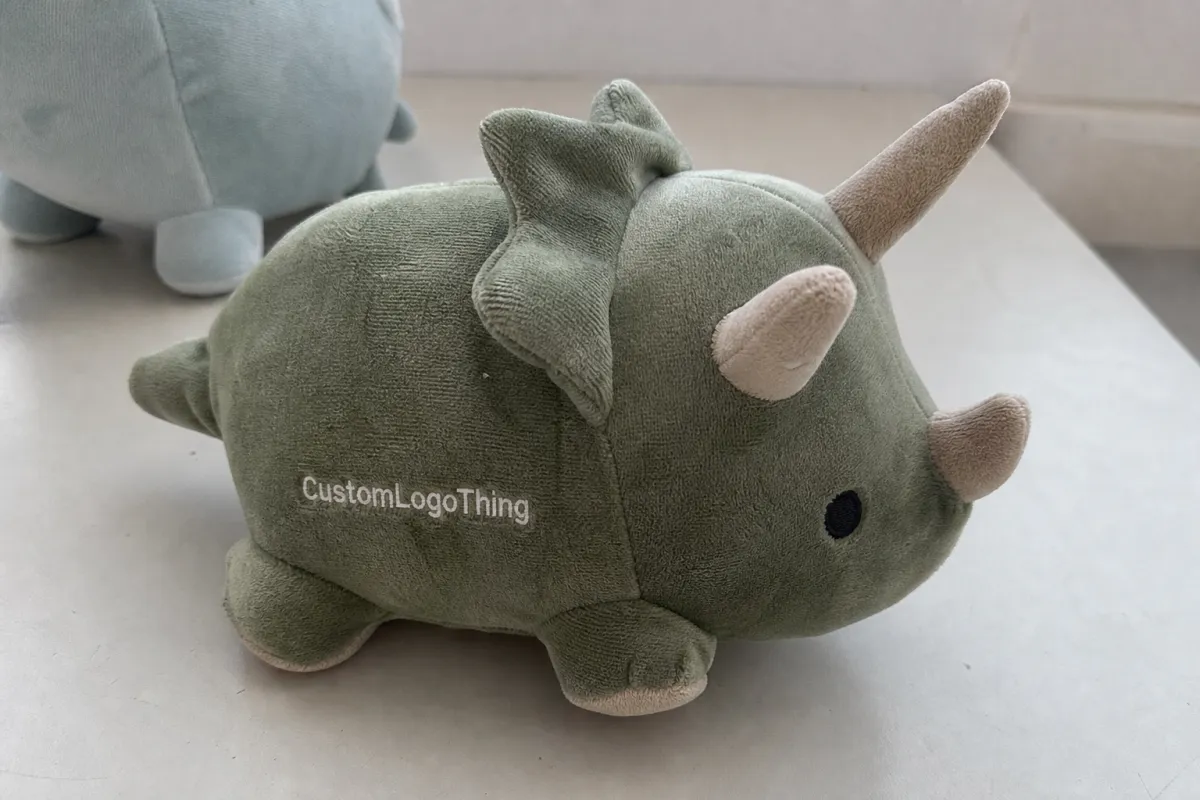
Woven labels are small, but they carry more weight than their size suggests. On plush toys, dolls, costume accessories, soft books, play mats, and fabric gift items, they provide brand identity and a finished look that screen printing or generic stickers usually cannot match for long. They also resist wear better than printed surfaces that get rubbed, folded, or washed.
Printed satin labels can work for care instructions and quick-turn projects. They are often cheaper at very low quantities, especially when the artwork changes often. Woven labels hold up better under washing, warehouse packing, shelf resets, and the kind of handling that soft toys get from children. That matters more than people admit in sourcing meetings.
For toy retailers, the label has to survive more abuse than a fashion label usually sees. It may be squeezed in cartons, tugged by curious hands, checked by a parent, and washed after an accident that was never part of the design brief. Cute branding is useful. A label that frays or scratches is not.
Custom Logo Things helps buyers build labels around actual use: fold type, size, yarn feel, backing, safety expectations, and order volume. If you already buy Custom Labels & Tags, woven toy labels follow the same sourcing logic, but with stricter attention to softness, attachment strength, and readable details at small scale.
The rest of this piece stays practical: label types, specs, safety details, pricing factors, MOQ, sampling, timelines, and the information needed to get a quote that can actually be compared across suppliers.
Best Woven Label Types for Plush Toys, Dolls, and Soft Goods
Toy buyers usually end up choosing from a handful of woven label formats. The right one depends on placement, how visible it needs to be, and whether the label is mostly branding, mostly information, or both.
Center-fold labels
Center-fold labels are common on plush side seams. The fold sits in the seam and leaves two visible sides. One side can hold the logo, while the other can carry care details, origin, or a short brand line if the format allows it. A typical size before folding is roughly 0.75 x 1.5 inches to 1 x 2 inches.
End-fold labels
End-fold labels hide the stitched ends and give a cleaner face. They work well on doll clothing, costumes, fabric accessories, and any sewn-on branding where presentation matters. They cost a little more than a straight-cut version because of the added fold work, but the finish usually looks sharper.
Straight-cut and patch labels
Straight-cut woven labels can be used as decorative patches on fabric toys, doll outfits, play mats, and limited-edition merchandise. Heat-cut edges can look neat, but the edge has to stay soft. A stiff corner on a toy is a fast way to make the product feel cheaper than it is.
Loop-fold labels
Loop-fold labels create a small tab effect. They are useful on plush toys, blankets, soft baby items, and branded accessories. Placement needs a careful look, especially for younger age groups, because anything that invites pulling can become a weak point if the sewing method is not chosen well.
| Label Type | Best Use | Cost Impact | Buyer Note |
|---|---|---|---|
| Center-fold | Plush side seams, soft toys | Low to moderate | Balanced choice for branding and basic information |
| End-fold | Doll clothing, costumes, sewn edges | Moderate | Cleaner face, hidden stitched ends |
| Straight-cut | Decorative patches, play mats | Low to high | Depends heavily on size and weave density |
| Loop-fold | Blankets, plush tabs, soft accessories | Moderate | Check tug resistance and age suitability |
Material choice changes both the look and the cost. Damask woven labels provide the sharpest detail and a premium feel, which makes them useful for small logos or collectible toys. Taffeta woven labels are more economical and slightly more textured. Satin woven labels feel smoother, though they are not always the best option for tiny type because very fine detail can soften at the weave level.
For plush toys, soft edges usually win. For doll apparel, small-scale detail matters more. For sensory toys, low-bulk construction and smooth materials are safer bets. For collectible plush, higher-density damask often earns its higher unit cost because the brand mark stays clear and the label feels more deliberate.
Specifications Toy Buyers Should Lock Before Quoting
A serious quote needs serious specs. “Small logo label, maybe soft, need cheap” is not a specification. It is a starting point, and not a very useful one.
Before requesting pricing, prepare the label size, fold type, woven material, thread colors, cut method, backing, sewing allowance, quantity, packing preference, delivery location, and intended toy category. Add the product age range if it affects safety review.
Common toy label sizes are smaller than many buyers expect. Seam labels often run around 0.5 to 1 inch wide. Brand labels usually sit between 1 and 2 inches wide. Decorative patches may go larger, especially for play mats, plush collector editions, or toy storage bags where visibility matters.
Thread color count has a direct effect on clarity and unit cost. Standard woven labels usually perform best with 2 to 6 colors. More colors raise setup complexity and can make small artwork muddy. Tiny gradients, shadows, distressed effects, and hairline strokes do not turn into crisp woven detail just because the source file is high resolution. Thread has limits. That is one of the more stubborn facts in production.
For plush toys, edge finish deserves attention. Heat-cut edges, folded edges, and ultrasonic cutting can all work, depending on the structure. The real question is whether the label curls, scratches, frays, or creates a pull point that will fail under use.
Backing depends on use. Seam-sewn labels usually need no backing. Adhesive backing can help with temporary placement before sewing, but it is not a substitute for a durable attachment. Iron-on backing can work for some fabric goods, though sewn attachment is usually safer for long-term toy use. Decorative patches may need sew-on backing if they will be handled often.
Compliance-aware layout is boring until it saves a production run. Leave room for brand name, country of origin, care symbols, fiber content, batch codes, tracking details, or other required information based on the toy type and sales market. ASTM toy safety standards and related testing expectations can vary by product, so buyers should confirm requirements with their compliance team or testing lab. The ASTM International standards catalog is a useful reference point for how formal product standards are structured.
Practical rule: approve labels at actual size. If the text only looks readable at 300 percent zoom, it is not readable.
Woven Labels Unit Cost for Toy Retailers: What Drives the Price
Woven Labels Unit Cost for toy retailers is not a fixed number. It changes with quantity, label size, thread density, fold style, color count, backing, sampling, packing, and shipping. If a supplier quotes a single number without asking for the details, the number is probably more of a placeholder than a price.
As a practical range, small simple woven seam labels at high volume can land in the low cents per piece. Larger premium damask labels, decorative patches, low-volume runs, or multi-color labels can cost several times more. A 10,000-piece center-fold taffeta label will not price the same way as a 500-piece damask patch with metallic thread and iron-on backing. The difference is mechanical, not mysterious.
| Order Scenario | Typical Quantity | Likely Cost Behavior | Best For |
|---|---|---|---|
| Small test run | 300-1,000 pieces | Higher cost per piece because setup charges spread over fewer labels | Boutique launch, sample line, first retail test |
| Launch order | 3,000-5,000 pieces | Better bulk pricing, more efficient production | Regional retail program or multi-SKU toy drop |
| Replenishment order | 10,000+ pieces | Lower unit cost if specs stay stable | Chains, subscription boxes, evergreen plush programs |
| Premium patch | 500-5,000 pieces | Higher cost due to size, density, finishing, backing | Collectibles, gift sets, licensed merchandise |
MOQ often starts around a few hundred to 1,000 pieces, depending on the specification. Better unit pricing usually appears at 3,000, 5,000, 10,000, and higher tiers. Setup work, loom preparation, artwork conversion, sampling, and color matching are fixed tasks. They become less expensive per piece as volume rises. That part of the math does not change because the launch feels special.
There are practical ways to reduce Woven Labels Unit Cost for toy retailers without making the product look cheap. Reduce the label size slightly if the logo still reads cleanly. Limit thread colors to the few that matter. Use a standard fold. Group labels across a product family. Keep the same evergreen brand label for plush bears, rabbits, and seasonal characters when the retail story allows it.
Do not chase the lowest quote blindly. A cheaper label that frays, feels sharp, or misreads the logo can create rework, complaints, or returns. Those costs do not show up in the unit cost column, but they show up later. Usually at the worst possible time.
Ask every supplier for price breaks at multiple quantities. Confirm whether sampling, shipping, packing, and artwork revisions are included. For custom woven labels and tags, a quote that separates setup charges from production cost is easier to compare than one bundled number with no detail.
MOQ Planning for Seasonal Toy Drops and Retail Reorders
MOQ planning should follow sell-through, product families, launch timing, and reorder cycles. Ordering the absolute minimum by reflex feels cautious, but it often creates a higher cost per piece and emergency reorder pressure that costs more later.
If the same brand label works across plush bears, fabric books, dolls, and holiday characters, combine the volume. Shared labels move the order into better bulk pricing tiers and reduce the chance of being left with small leftover batches tied to one SKU.
SKU-specific labels make sense when the label carries character names, collectible edition numbers, licensing marks, safety tracking, or premium gift set branding. They cost more per version because each design may bring separate setup charges, but sometimes that is the correct tradeoff for the product line.
Here is a practical buying pattern:
- Boutique toy shop test: 500-1,000 labels for a first plush line, ideally with a physical sample before bulk production.
- Regional retailer launch: 3,000-5,000 labels across a product family, using one evergreen brand label where possible.
- Chain or subscription box replenishment: 10,000+ labels with locked specs and scheduled reorder windows.
Always build in buffer inventory. An extra 3-8 percent can cover sewing defects, replacements, small production overruns, late retail additions, and carton-level mishaps. Running out of labels mid-production is avoidable pain, and it usually becomes expensive for reasons that have nothing to do with the label itself.
Do not overbuy labels tied to dated campaigns, discontinued characters, or changing compliance text. Evergreen brand labels are safer to buy in volume. Seasonal slogans and limited-edition names deserve more caution.
A clean approach is simple: sample first, place a launch order, then reorder at higher volume after sell-through is proven. That keeps woven labels unit cost for toy retailers under control without filling a storage room with labels for products that never gained traction.
Production Steps and Lead Time From Artwork to Delivery
The process is straightforward when the specs are ready. Submit artwork and label details. Receive a quote. Approve a digital proof. Approve a woven sample if needed. Start bulk production. Inspect finished labels. Pack and ship.
Vector artwork is best. AI, EPS, or editable PDF files make woven conversion cleaner because the lines, shapes, and type remain editable. A high-resolution PNG can help as a visual reference, but it should not be the only file if the logo includes fine detail.
The digital proof confirms size, fold, colors, layout, sewing allowance, and any text. Check spelling. Check logo proportions. Check care symbols. Check origin statements. This is not the place for “probably fine.” A rushed approval usually comes back as a rushed reprint.
Physical sampling is worth the extra step for plush toys, baby-adjacent items, premium toy programs, and any label that touches skin or carries small text. A woven sample lets the buyer judge softness, edge feel, color accuracy, and readability at actual size, not on a monitor.
Typical timing depends on complexity, but useful planning ranges are:
- Digital proof: often a few business days after specs and artwork are submitted.
- Woven sample: roughly 1-2 weeks added, depending on complexity and shipping method.
- Bulk production: commonly a couple of weeks after approval, with longer timing for larger or more complex orders.
- Shipping: air freight is faster and costs more; sea freight can help large bulk orders with longer planning windows.
Rush production may be possible, but woven labels still need loom setup, cutting, folding, finishing, and QC. There is no shortcut that removes those steps. Plan early if the toy drop has a fixed retail delivery date.
Quality, Safety, and Retail Compliance Details That Matter
Toy labels need to be judged differently from fashion labels. They may be handled by infants, toddlers, parents, warehouse staff, retail auditors, and anyone else who squeezes a plush toy before buying it. That changes the risk profile.
Softness matters. Labels for plush toys, comfort objects, and baby-adjacent products should avoid scratchy edges, stiff corners, thick folds, and abrasive yarns. The label should feel like part of the toy, not an extra piece stitched in as an afterthought.
Attachment strength matters too. A sewn-in label should be secured properly so it does not detach during normal use or become a loose part concern. Stitch placement, sewing allowance, and fold style all affect durability. If the label is decorative and exposed, the risk is higher because children can grab it.
Buyers may need documentation on yarn composition, colorfastness, wash resistance, and restricted substance compliance depending on the product category and sales market. For packaging and product handling standards, organizations such as ISTA provide useful testing frameworks for distribution environments, although toy safety requirements themselves may involve separate product-specific standards.
Legibility is another practical issue. Care instructions, country of origin, batch codes, tracking details, and brand information must remain readable on the finished label. A compliance label can be plain. That is fine. Its job is to communicate. A decorative brand label can carry more visual style, but the logo still has to read cleanly at actual size.
Custom Logo Things helps buyers choose materials, sizing, fold types, and finishing options that fit toy retail use instead of copying a fashion label spec that was designed for something else. A dress label and a plush label may look similar on paper, but they do not carry the same wear pattern.
If you are ordering Custom Labels & Tags for multiple toy categories, separate decorative branding from compliance information when needed. It may cost a little more to use two labels, but it can protect readability and reduce compromises in the layout.
How to Get an Accurate Quote and Place the Right First Order
To get a real quote, send real information. A rough estimate is fine for early budgeting, but it will not protect margin, timeline, or the retail launch.
Prepare this before contacting the manufacturer:
- Product type: plush toy, doll apparel, fabric book, costume, play mat, blanket, or accessory
- Label use: branding, compliance, decorative patch, batch tracking, or mixed use
- Dimensions: width and height before and after folding if relevant
- Fold type: center-fold, end-fold, straight-cut, loop-fold, or patch
- Material preference: damask, taffeta, satin, or supplier recommendation
- Thread colors: exact count, Pantone references if available, and logo file
- Quantity tiers: 500, 1,000, 3,000, 5,000, and 10,000 pieces if relevant
- Artwork file: AI, EPS, editable PDF, plus PNG or JPG reference if helpful
- Delivery deadline and ship-to country
- Compliance requirements: care text, origin, fiber content, batch code, or testing documentation needs
Ask for multiple price breaks. That is the fastest way to see where the unit cost actually improves. Sometimes the jump from 1,000 to 3,000 pieces makes a meaningful difference. Sometimes the better breakpoint is 5,000. Guessing is not procurement.
For first-time plush, baby-adjacent, or premium toy programs, request a woven sample before bulk production. The sample is especially useful if the label touches skin, uses small text, includes metallic thread, or carries a logo with fine detail.
If you are testing several toy SKUs, start with an evergreen brand label. Add character-specific woven labels later, after sales data supports the extra setup charges and inventory risk. That is usually the cleaner path for controlling woven labels unit cost for toy retailers while still giving products a polished retail finish.
After quote approval, the handoff is simple: submit final artwork, approve the proof, confirm payment terms, approve the sample if ordered, and lock production. Keep one decision-maker responsible for proof approval. Design by committee is how a one-inch label turns into a tiny billboard nobody can read.
FAQ
What is a typical woven label unit cost for toy retailers?
Simple small woven labels at higher quantities can cost only a few cents each, while larger, premium, multi-color, or low-volume labels cost more. The main price drivers are quantity, size, material, fold type, color count, backing, sampling, and shipping. Ask for tiered pricing at several quantities so you can see the breakpoints clearly.
What MOQ should toy retailers expect for custom woven labels?
Many custom woven label programs start around a few hundred to 1,000 pieces, depending on the specification. Better unit pricing usually appears at higher order tiers such as 3,000, 5,000, or 10,000 pieces. If multiple toy SKUs can share one evergreen brand label, combining volume is usually the smarter buy.
Are woven labels safe for plush toys and children's products?
They can be, if the correct material, edge finish, fold type, and attachment method are used. Labels should be soft, securely sewn, resistant to fraying, and appropriate for the age category and market requirements. For baby-adjacent or plush products, request samples and confirm any needed compliance documentation before bulk production.
How long does woven label production take for toy retail orders?
Digital proofing usually takes a few business days after specs and artwork are submitted. Physical sampling can add roughly one to two weeks, depending on complexity and shipping. Bulk production commonly takes a couple of weeks after approval, with the total timeline affected by order size, finishing, QC, and freight method.
How can toy retailers lower custom woven label pricing without hurting quality?
Use a standard size, reduce unnecessary thread colors, avoid overly complex artwork, and choose common fold styles. Order shared brand labels across multiple SKUs when possible to reach better quantity tiers. Do not cut quality on softness, edge finishing, or attachment strength, because those failures cost more than the label.