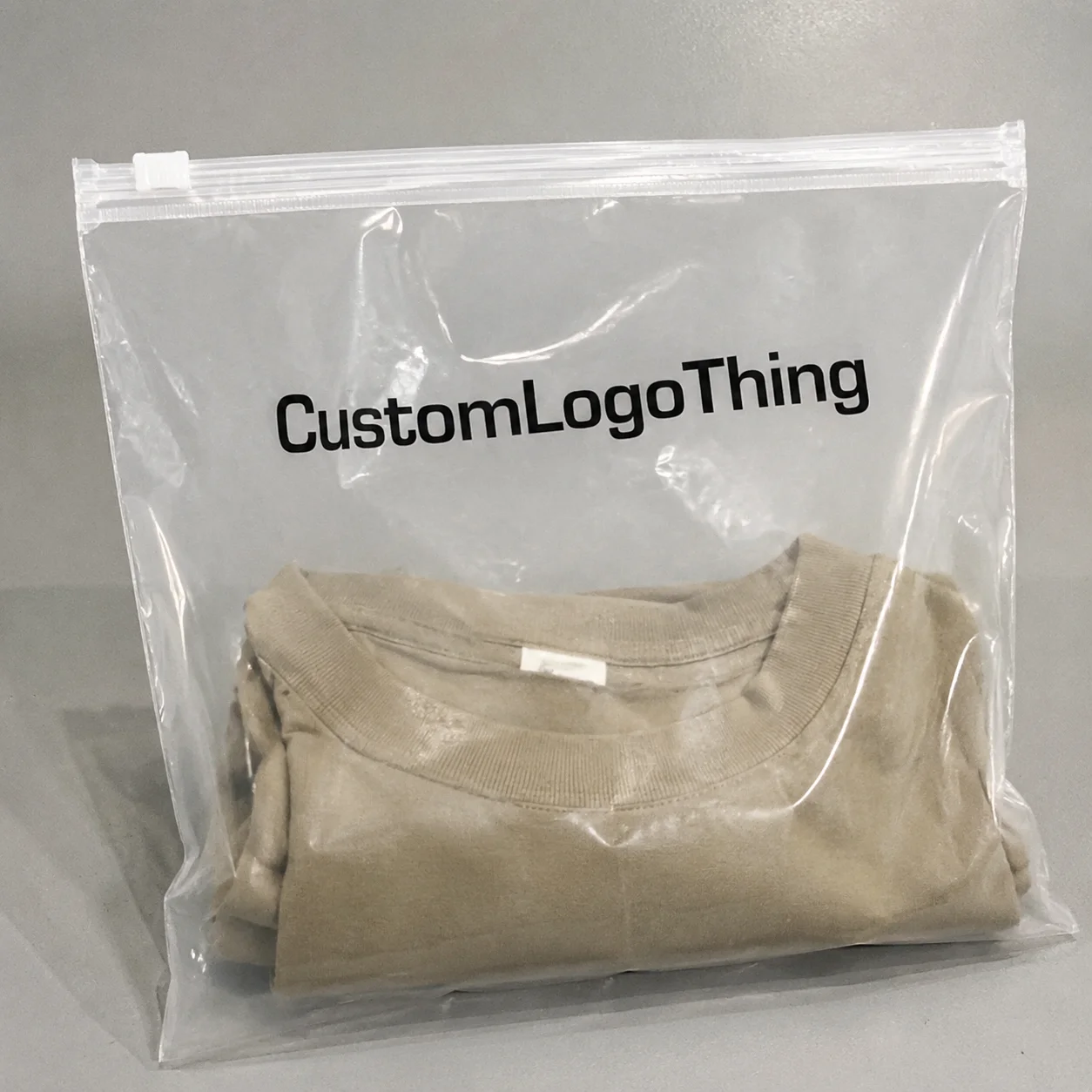
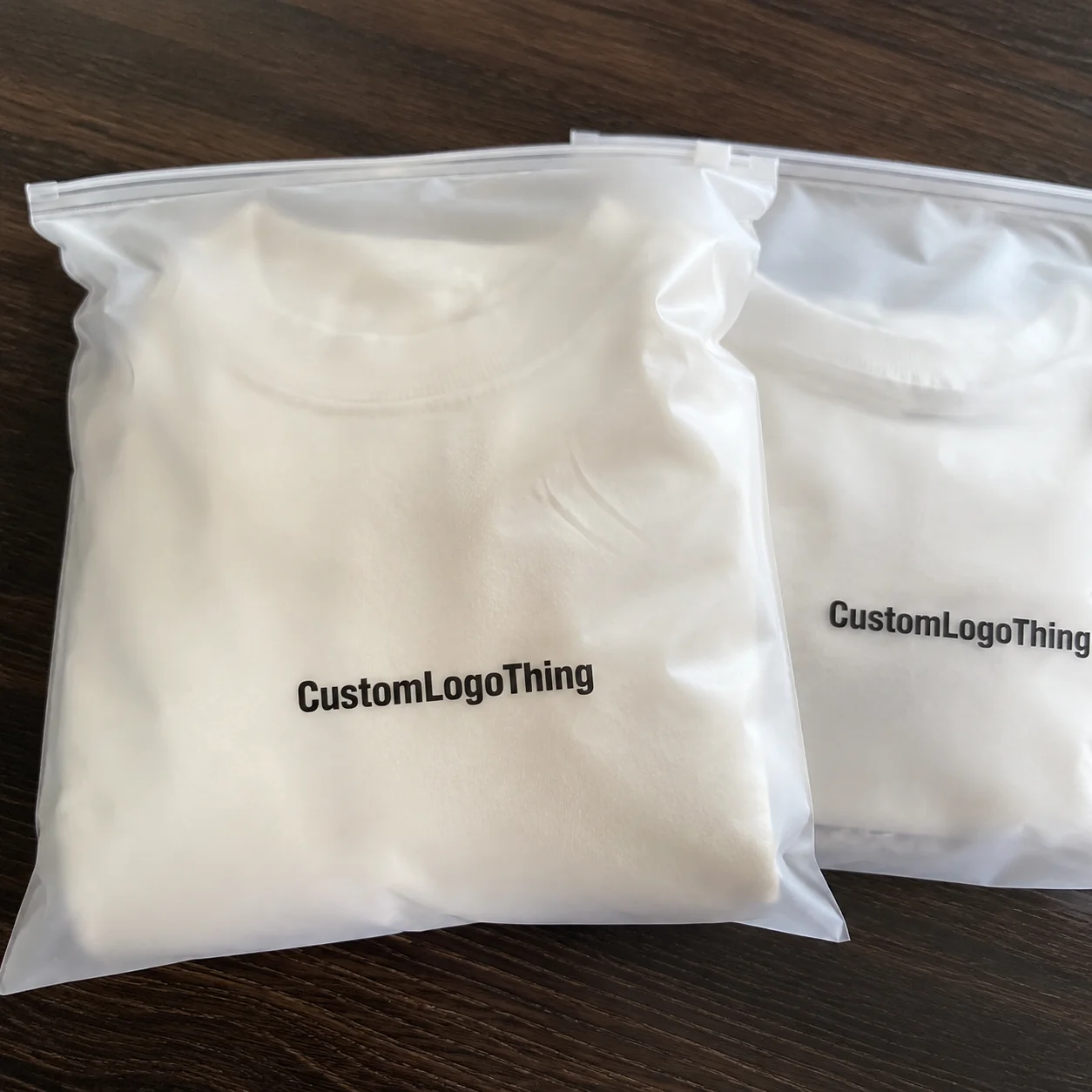
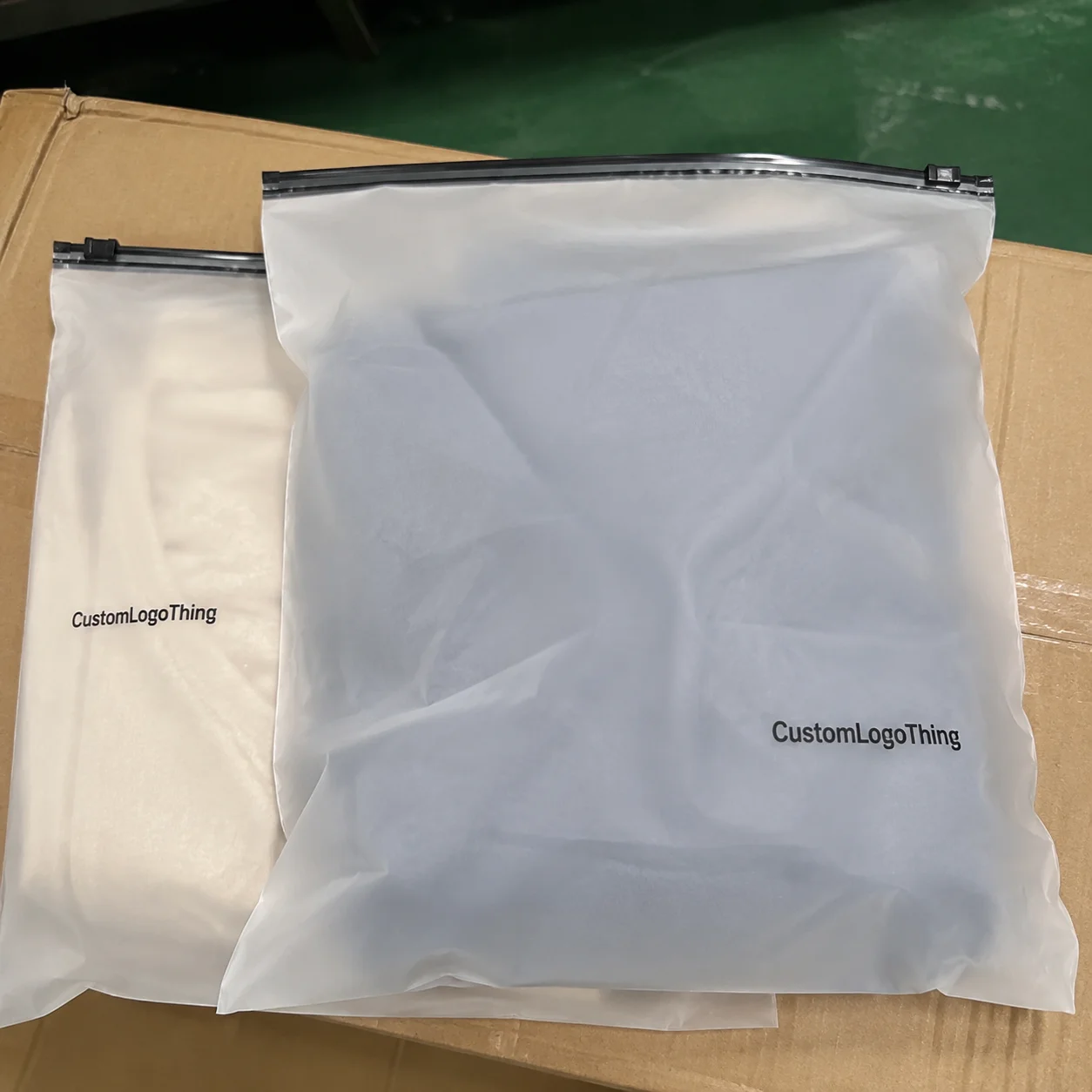
A good Zip Lock Bags for breweries supplier comparison is less about finding the prettiest sample and more about identifying the bag that will survive the brewery’s actual workflow. The shelf photo, the mockup render, and the low introductory price often point in different directions. A bag that looks premium can still fail in the details: weak zipper engagement, scuffed print, poor seal consistency, or film that wrinkles so badly it makes the brand look careless.
Breweries use zippered bags for more than one job. A sample pack for a distributor meeting, a hop portion for short-term storage, a taproom merch pouch, and a branded giveaway all need different levels of barrier, stiffness, and presentation. That is why the right comparison starts with the job first and the vendor second. If the bag is meant to hold an aroma-sensitive product, the closure and film matter more than a few cents of unit price. If it is mainly for display, print consistency and visual clarity may carry more weight.
The cheapest quote is often the most expensive once breakage, repacking, spoilage, and customer complaints enter the picture. That is not theory; it is how packaging errors turn into labor costs. A supplier who is two cents cheaper but cannot hold the zipper spec on a reorder can cost more within a single shipment cycle than the initial savings ever justified.
The useful comparison criteria are straightforward: barrier performance, seal reliability, material quality, size accuracy, print quality, compliance documentation, lead time, and repeatability. If a supplier cannot match the same spec on the second order, the problem is not cosmetic. It is a production-control issue that will show up in the brewery’s brand presentation and inventory planning.
Zip lock bags for breweries supplier comparison: what matters first
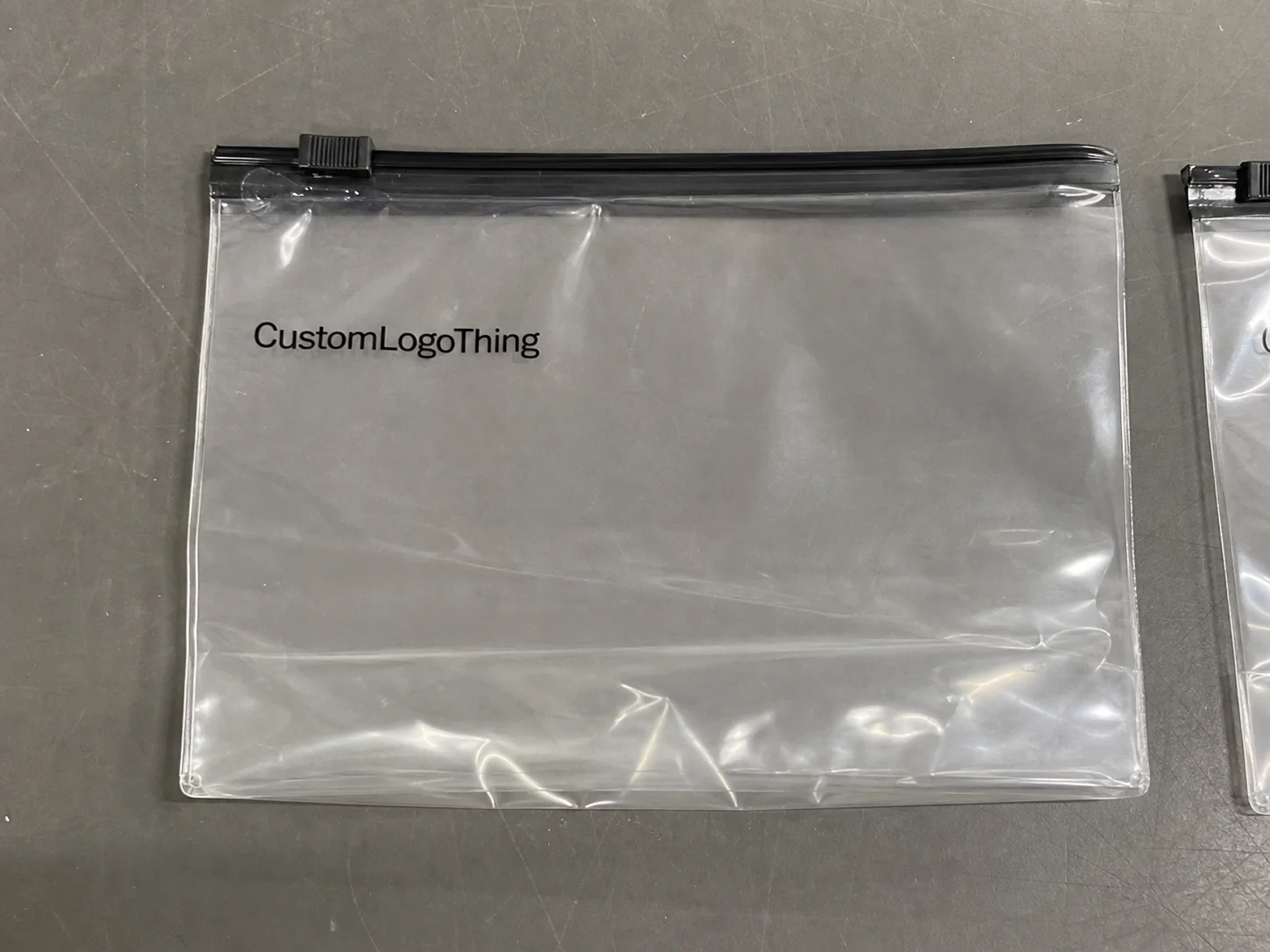
Start by defining the failure you cannot tolerate. Freshness loss, odor transfer, puncture damage, awkward handling, or weak visual presentation each pushes the buyer toward a different bag construction. That sounds obvious, but it is the step many teams skip because they are asked to compare too many suppliers too quickly. The result is a spreadsheet full of prices that do not describe the same product.
If the contents are hop-heavy or aroma-sensitive, barrier becomes central. If the item will be opened repeatedly, zipper design becomes the first filter. If the bag is for retail visibility, clarity, print finish, and alignment become more important than a few grams of extra material. The bag is not just a container. For brewery use, it behaves more like a packaging system: film, closure, dimensions, artwork, and handling all interact.
That is why a useful comparison does not begin with the invoice. It begins with the intended use. A sample pack for buyers does not need the same structure as a storage bag for ingredients, and neither needs the same finish as a merch bag that sits under bright taproom lighting. A shallow comparison of “same size, lower price” misses the thing that actually protects value.
“A bag that is slightly more expensive but closes consistently and holds print well is often the cheaper choice once labor and waste are counted.”
For brewery buyers, the practical buckets are usually sample storage, ingredient handling, retail presentation, and repeated opening and closing. Those categories drive the spec. The comparison gets better when the buyer asks what the bag has to do, not just what it costs.
How the seal, film, and zipper protect brewery products
The zipper gets the attention because it is visible, but the film and seal do most of the work. A weak zipper can fail after a few cycles, yet a thin film can be just as problematic if the bag tears, clouds over, or scuffs under handling. For brewery use, especially where product presentation matters, the closure has to cooperate with the film rather than compensate for it.
Simple LDPE and LLDPE bags are common for general-purpose retail items, internal organization, and lower-risk packaging. They are flexible, easy to handle, and usually give good clarity. Once the product becomes more sensitive to moisture, odor transfer, or oxygen exposure, barrier-enhanced films or multilayer constructions deserve closer scrutiny. Buyers often ask for oxygen transmission rate and water vapor transmission rate figures at this stage. That is a better question than “is it strong?” because strength alone does not tell you whether the contents will stay protected.
A bag for hops is not the same purchase as a bag for stickers or T-shirts. Hops tend to be more aroma-sensitive and can justify tighter barrier controls. Grain samples need protection from dust and ambient humidity. Retail accessories can often use lighter construction, but the zipper still has to feel predictable and the print still has to hold under repeated handling. A bag used once and discarded can tolerate a different failure profile than one opened multiple times in a week.
One practical check is closure feel. If a zipper takes too much force, staff will abuse it. If it closes too easily, it may not stay secure in storage or transit. The right balance is not obvious from a catalog page, and suppliers that can send samples usually make comparison easier. It is also worth testing closure after the bag has been filled, not just when it is empty. Some zippers behave well on flat samples and misbehave once the film is under load.
For distribution testing, some teams use ISTA test methods as a reference point for handling and transit stress. That does not replace brewery-specific testing, but it gives buyers a structured way to think about drops, vibration, and compression. A bag that looks fine in a photo can still fail when stacked, shipped, or opened in a cold room.
The seal width matters too. A wider, consistent seal usually gives more margin for handling variation. Thin seals can be acceptable on non-sensitive items, but they leave less room for error. If a brewery expects repeated resealing, the zipper style and seal quality should be reviewed together. Separating them leads to false confidence.
Material, barrier, and print specs to compare side by side
Compare the spec sheet before comparing price. Start with film type. LDPE and LLDPE are useful when the priority is flexibility and visual clarity. Multilayer or barrier film becomes more interesting when the product needs better protection against moisture, oxygen, or odor transfer. That choice has consequences for unit cost, print behavior, and how the bag feels in hand.
Thickness is another obvious but easily misunderstood variable. Suppliers may list gauge or microns, and the numbers are only useful if they are tied to actual performance. A thinner film can be acceptable for light retail items, but if the bag will be punctured by sharp edges, compressed in shipping, or reopened often, a slightly heavier film usually pays for itself. In many buyer specs, general-purpose zippered bags fall somewhere around the 2 to 4 mil range, while more demanding applications go thicker. The right number depends on the load, not the preference of the sales sheet.
Size is not just a dimensional exercise. A bag that fits the product tightly on paper may become awkward once the product, label, and handling margin are added. There needs to be enough room for real use: opening, resealing, stacking, and display. Buyers who skip this step often discover too late that the artwork is too close to the zipper line or that the product sits cramped inside the finished bag.
Print deserves a more serious review than “custom printed” as a label. Ask how the supplier handles registration, ink adhesion, gloss or matte finish, and color consistency across repeat orders. Brewery branding tends to be highly visual, which means a slight drift in color or logo placement can make one lot look off even if the dimensions are correct. For customer-facing retail, a bag is almost a label. It carries the same burden of consistency, and sometimes more because it is handled more often.
| Specification | What to compare | Why it matters for breweries |
|---|---|---|
| Film type | LDPE, LLDPE, multilayer, barrier film | Affects clarity, flexibility, and resistance to moisture or odor transfer |
| Thickness | Gauge or microns | Drives puncture resistance and how the bag holds shape under load |
| Closure | Light-duty zip, press-to-close, stronger repeated-use zipper | Controls reseal reliability for samples, hops, and items opened often |
| Seal quality | Seal width, consistency, edge integrity | Helps prevent split seams and handling failures during storage or shipping |
| Print quality | Registration, adhesion, color match, finish | Protects brand consistency on reorder and under repeated handling |
| Compliance | Food-contact or product-contact documentation for the market served | Important when bags sit near ingredients or packaged goods |
Ask for a written spec sheet and physical samples. Photos hide too much. A sample shows whether the zipper closes cleanly, whether the film feels too stiff or too soft, and whether the print can survive light rubbing or condensation. If a supplier is reluctant to provide samples, that is useful information. It usually means the buyer is being asked to commit before the product can be inspected properly.
Compliance should be treated as a documentation exercise, not a vague assurance. If the bag will touch ingredients or packaged products, ask for the relevant food-contact documentation for your market. If the buyer is also asking about recycled content or recyclability, the supplier should be able to explain the material composition clearly. Vague sustainability language without the underlying resin or construction details is usually not enough to support a purchase decision.
Cost, pricing, MOQ, and unit cost tradeoffs
Price is shaped by predictable variables: material thickness, zipper style, dimensions, print coverage, and whether the bag is stock or custom. The first number on the quote is only one piece of the total landed cost. In practice, the true comparison should include setup, freight, storage, and the operational cost of handling defects or rework.
MOQ matters more than many buyers expect. A low unit price can look efficient until the brewery realizes it must buy more inventory than it can store or use before the artwork changes. That ties up cash and creates the risk of obsolete stock. It also matters for seasonality. Breweries that change Packaging for Limited releases can end up paying for scale they cannot actually use.
Some suppliers are transparent about tooling, plate charges, freight, and artwork revisions. Others make the quote look attractive by leaving out one or two of those items. A fair comparison requires the same terms on both sides. If one supplier includes delivery and another does not, the quote is not ready for decision-making. The same is true for samples, revisions, and packaging of the finished cartons.
A practical unit-cost view looks like this:
- Bag price
- Setup or tooling fees
- Freight to the brewery or warehouse
- Receiving, counting, and storage labor
- Waste, rebagging, or damage during use
Once those items are in the model, the cheapest quote often stops looking cheapest. A higher-quality bag can reduce repacking, lower the number of defects that reach the floor, and protect the product long enough to preserve value. That matters especially for aroma-sensitive or customer-facing items, where packaging errors are visible immediately.
For planning purposes, a common market range for straightforward custom runs is roughly $0.18 to $0.28 per unit at 5,000 pieces, with the final number moving based on size, film, and print coverage. That is not a fixed rule. It is a useful planning band. Smaller quantities usually cost more per unit, and larger quantities only make sense if storage, cash flow, and artwork stability support the order size.
Lead time also affects cost, even when it does not show up as a line item. A cheap order that arrives late can trigger air freight, emergency reorders, or a temporary substitution that weakens presentation. Those are real costs. A quote should be judged against the calendar the brewery is actually working with, not just against the purchase order.
Process and timeline: from quote to production steps
A disciplined supplier process usually follows the same sequence: inquiry, spec review, quote, sample approval, artwork proof, production, quality check, packing, and shipment. If a supplier can move through those steps clearly, that is usually a better sign than a glossy catalog or a fast first response. The process reveals whether the team knows packaging production or only knows how to sell it.
Most delays happen because the buyer’s inputs are incomplete. Missing dimensions, unclear artwork, a late zipper change, or an unconfirmed compliance requirement can shift the schedule without anybody behaving badly. The comparison should therefore measure not just who can quote, but who can keep the order moving with the fewest assumptions.
Stock bags often move faster than custom-printed bags. Custom work needs proofing, material allocation, and sometimes a second approval before production begins. Smaller runs are easier to coordinate, but they also reduce room for error because the supplier has less batch volume to absorb inefficiencies. If a launch is tied to a festival, taproom release, or buyer meeting, the timeline should be built backward from that date, not forward from the quote date.
Ask each supplier for a dated schedule with these items:
- Proof turnaround time
- Production window
- Quality check timing
- Freight method and transit time
That simple request often separates organized suppliers from reactive ones. A supplier that can explain the schedule in plain terms is usually easier to work with later if there is a color question, a shipment delay, or a reorder adjustment. Packaging is full of small decisions. The companies that handle them cleanly tend to be the ones that document them cleanly too.
Quality control should not be treated as a vague promise. Ask how the supplier checks zipper engagement, seal integrity, print alignment, and dimensional tolerance before shipment. For a buyer comparing multiple vendors, those details often explain why one supplier looks inexpensive on paper but expensive in practice. Reorders are where weak process becomes visible.
Common mistakes breweries make when sourcing zippered bags
The first mistake is choosing by appearance alone. A clear bag with sharp artwork can still have weak seals, inconsistent dimensions, or poor resistance to cold-room handling. That kind of failure is easy to miss in a sample photo and hard to miss on a busy production floor.
The second mistake is sizing the bag only to the product itself. Real use adds labels, fingers, opening room, shelf display, and sometimes repeated resealing. If the bag is too tight, the zipper takes more abuse and the film is more likely to crease or split. Size should reflect the actual workflow, not just the fill volume.
Skipping sample testing is another expensive habit. A sample run tells you whether the zipper tracks properly, whether the film scratches too easily, and whether condensation changes the print surface. It also shows whether the bag feels credible in the hand. Packaging is tactile in a way renderings are not.
Supplier inconsistency is another quiet problem. One lot may look perfect, then a later lot comes back with slight color drift, different gloss, or a zipper that feels stiffer. That matters most in multiple locations or in retail settings where customers notice shifts in presentation faster than the buyer does.
Do not ignore downstream costs. A weak bag can cost more in labor than in material. If staff need to rebag damaged items, clean up spills, answer complaints, or pull product from display, the savings on the original quote disappear quickly. The bag spec deserves the same attention as the label or carton because it protects the thing the customer actually sees first.
Practical rule: if a bag failure would force repacking, replacement, or a brand-quality exception, the spec is not optional detail. It is part of the product.
Next steps for a practical supplier comparison
The cleanest way to run a zip lock Bags for Breweries supplier comparison is to define the use case, lock the dimensions, and request apples-to-apples quotes from a small group of suppliers that can actually meet the spec. After that, compare physical samples side by side and score them on performance, not on first impressions. A beautiful bag that fails on closure or print consistency does not help the brewery.
I would keep the decision centered on three checks: spec accuracy, total landed cost, and delivery timing. If a supplier cannot answer those with confidence, the savings are probably not real. If they can, the relationship is easier to manage on reorder because the baseline is clear.
A simple scorecard helps. Rate each vendor for zipper strength, print quality, communication speed, sample accuracy, reorder consistency, and freight clarity. That makes the comparison less emotional and more useful for procurement, operations, and brand teams. It also prevents a polished quote sheet from overpowering the parts that matter in use.
For breweries, the right bag is the one that protects the product, supports the brand, and can be repeated without drama. That is the heart of any serious zip lock bags for breweries supplier comparison: buy for performance first, then choose the supplier who can repeat that standard on every reorder.
What should I compare first when reviewing brewery zip lock bag suppliers?
Start with the bag’s job: freshness protection, sample storage, retail presentation, or ingredient handling. Then compare film type, thickness, zipper style, seal quality, print capability, and whether the supplier can repeat the same spec on reorder. Ask for samples and a written spec sheet so the review is based on measurable details rather than a quote sheet alone.
How do I know if a zip lock bag is strong enough for brewery use?
Check the film gauge or micron thickness, the seal width, and the zipper type, then test the bag with the actual product weight and handling pattern. Look for stretching, zipper separation, or seal weakness after repeated openings. If the contents are aroma-sensitive or premium retail items, a better barrier film and a more consistent closure usually make sense.
What affects MOQ and unit cost for custom brewery zip bags?
MOQ is usually driven by material setup, print method, supplier efficiency, and the complexity of the bag structure. Unit cost typically falls as quantity rises, but storage, cash flow, artwork changes, and spoilage risk can make a large order less practical. Compare the full landed cost, including freight, setup charges, and any tooling or proofing fees.
How long does a custom brewery bag order usually take?
Stock bags can move quickly, while custom-printed orders need time for proofing, production, and shipment. The timeline depends on artwork approval, material availability, order size, and freight method. Ask for a dated schedule that separates proof turnaround from production and transit so the brewery can plan launch dates realistically.
Can I use the same zippered bag for hops, merch, and samples?
Sometimes, but only if the contents have similar size, weight, and protection requirements. Hops or aroma-sensitive items may need better barrier performance than merchandise or general sample packs. A single bag style can simplify purchasing, but the product requirement should decide the spec first.
Should I choose clear film or printed film for brewery packaging?
Clear film works well when visibility matters and the contents already carry enough visual appeal. Printed film helps when the bag itself has to do brand work, hide visual clutter, or create a more controlled presentation. Many breweries use both: clear for internal handling and printed for retail or distributor-facing packaging.
What sample tests are worth running before a larger order?
Test zipper closure after filling, inspect seal consistency, rub the print lightly, check fit with the real contents, and leave a few samples in the conditions the bag will actually face. If the bag will sit in cold storage or get handled repeatedly, test it there. A good sample should still look and function correctly after ordinary abuse, not only when it is brand new.