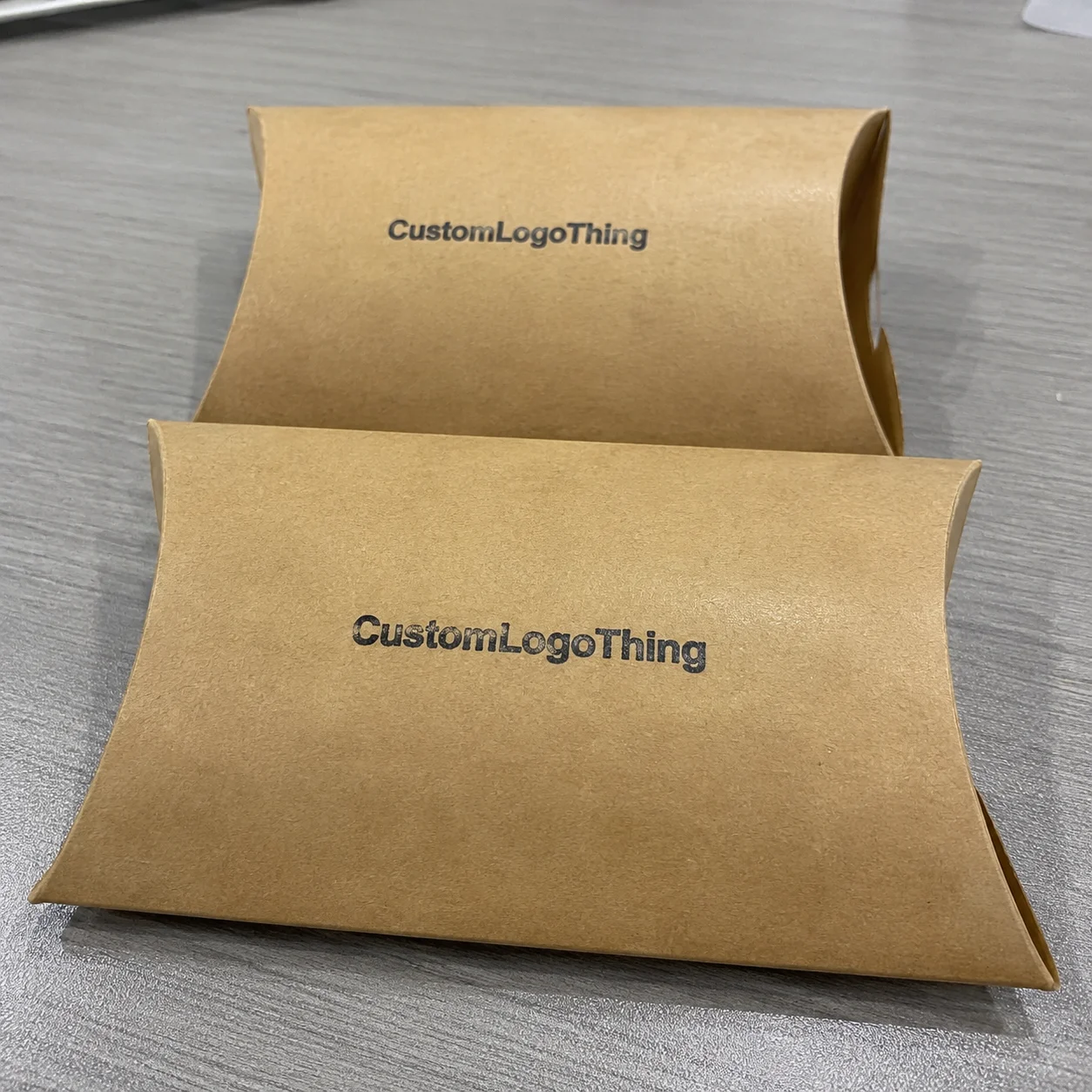
Courier Mailer Bags for Breweries: Bulk Pricing, Specs, and Buying Tradeoffs
Courier Mailer Bags for breweries bulk pricing sounds narrow until you look at the actual mix of brewery shipments. A lot of them are not glass-heavy freight at all. They are tees, hats, stickers, taproom inserts, club packs, and promotional bundles that need protection from moisture and abrasion more than crush resistance. In that category, a mailer is often the right outer shipper because it is lighter, stores flat, and speeds up packing without adding unnecessary board or void fill.
The savings are not theoretical. Less material means lower freight weight, less storage pressure, and less labor spent building cartons for items that do not need them. A crew packing flat merch can move faster with a mailer than with a rigid box, and that matters in a taproom back room or a warehouse where every extra step shows up on the clock.
That does not make mailers a universal answer. Glass bottles, sharp-edged accessories, and dense mixed packs still need real protection. The job is to match the package to the contents, then buy at a volume that gives you a useful unit cost without paying for a spec that is stronger than the shipment requires.
The cheapest package is the one that arrives intact without a second shipment. If the bag fails in transit, the savings were cosmetic.
Breweries with broader shipping programs usually need more than one format. A mailer may handle merch, while a carton handles fragile bundles. If you are comparing packaging types, it helps to look at broader structures too, including Custom Poly Mailers and, for larger fulfillment needs, the options inside Wholesale Programs.
Why breweries use mailer bags when bottles, cans, and merch must arrive intact
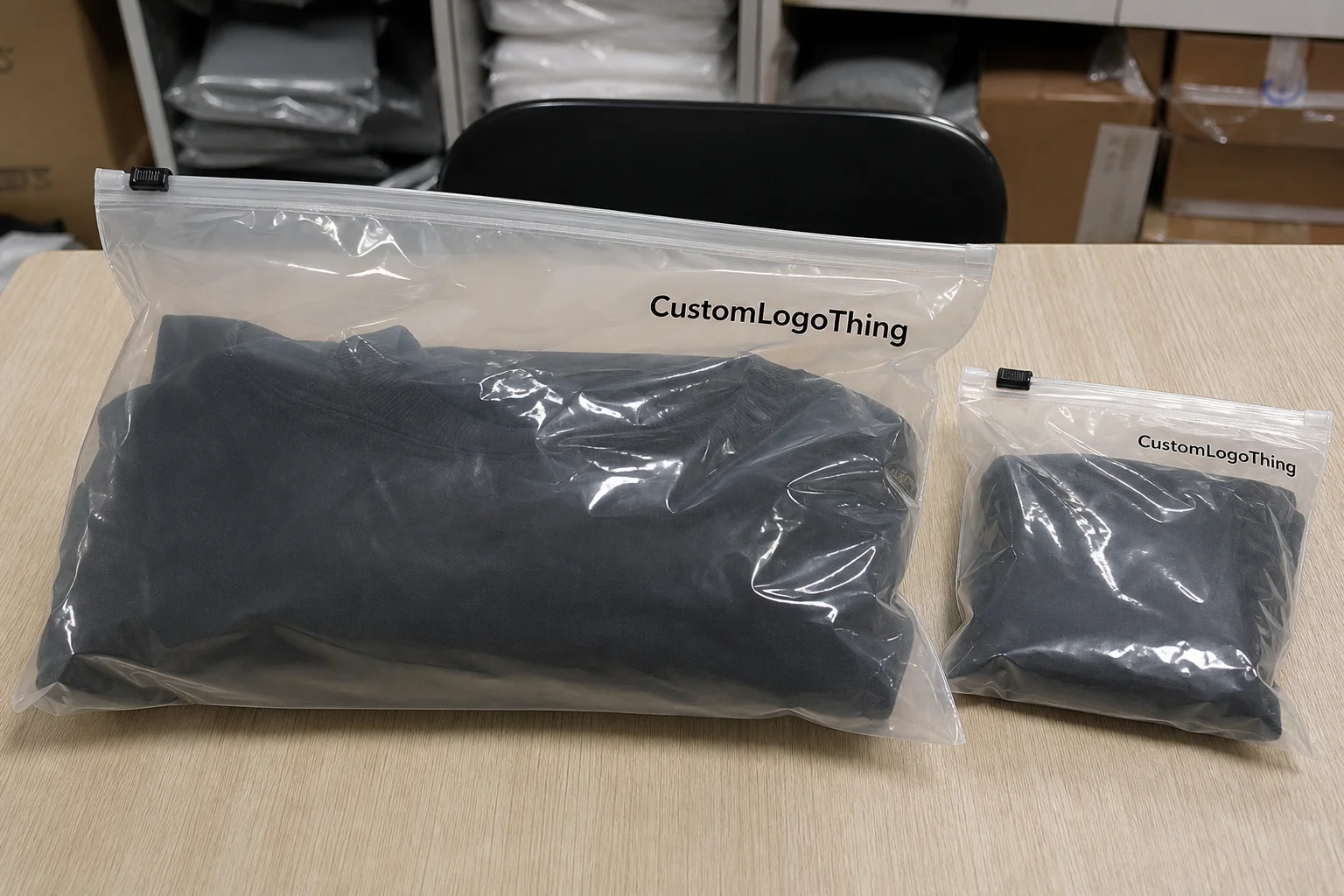
Breweries ship more than beer. The order profile often includes apparel, glassware sleeves, tasting notes, membership inserts, branded stickers, and event giveaways. Those items are flat, relatively light, and easy to compress, which makes them good candidates for mailer bags. They do not need the structure of a corrugated carton unless the packing configuration creates a puncture or crush risk.
There is also a practical warehouse reason. A pallet of mailers takes much less room than a pallet of cartons. For teams working out of limited storage, that difference matters every day. It is easier to stage a case of mailers near a packing table than to keep a large stack of boxes, tape rolls, and void fill in reach for every order.
Speed is another factor. A bag with a reliable adhesive strip can be filled, sealed, and labeled in seconds. That does not sound dramatic, but across hundreds or thousands of orders, those seconds accumulate into real labor cost. A brewery that ships subscription add-ons or weekly merch drops feels that difference quickly.
Mailers also perform well in damp or mixed-handling environments. Loading docks, courier hubs, and last-mile delivery vehicles are not clean, climate-controlled spaces. Poly film resists moisture better than paper-based packaging and is less likely to pick up scuffs that make the order look handled before it reaches the customer.
Still, there is a limit to what a mailer should do. If the shipment contains hard goods that can move around and punch through, use a mailer only as the outer wrap or switch to a carton. Good packaging design starts with the contents, not with a price target.
For breweries that want a branded look without overbuilding the shipper, the best value often comes from a simple printed bag with a clean seal and enough opacity to conceal the contents. That gives the order a finished appearance without adding unneeded weight.
Courier mailer bag construction that fits brewery shipping jobs
Most Courier Mailer Bags are made from polyethylene film. That is not glamorous, but it is effective. The material is light, moisture-resistant, easy to print on, and available in a wide range of thicknesses. For brewery use, those traits matter more than a fancy finish. Packages may sit in a humid stock area, travel through rain, or rub against other freight in transit. Poly film handles those conditions better than thin paper alternatives.
Co-extruded film is worth asking about because it can improve strength and opacity without making the bag bulky. The outer layer can be tuned for print quality while the inner layer supports seal performance. That matters if the bag is being used for customer-facing merch, where the print needs to look clean and the adhesive strip needs to hold without lifting.
Recycled-content materials are increasingly common, especially for brands that want to reduce virgin plastic use. The caveat is simple: recycled content is not automatically a performance upgrade. Ask how the blend affects opacity, tensile strength, and print consistency. A supplier should be able to tell you whether the recycled formulation changes the hand feel or increases the chance of scuffing.
Closure style is more important than many buyers expect. A standard self-seal strip is enough for routine outbound shipping. A dual adhesive strip can support return use or provide a more secure close for club mailings. If the brewery ships seasonal products or subscriber kits, that second strip can help the bag feel more intentional and less like generic shipping stock.
Printing should be treated as a functional decision, not just a branding choice. One-color logo print keeps the unit cost down and still creates a professional outer package. Multi-color artwork looks stronger in retail contexts, but it raises setup complexity and reduces flexibility when you need to reorder quickly. In many brewery programs, a single-color logo with clear label space is the better value.
Useful details include tear strips, opaque film, matte or gloss finish, and a dedicated label zone. Those features are small individually, but they affect how the bag behaves on the line and how the finished package looks in the customer’s hands. If the print sits too close to the seal, the top edge can distort. If the label area is not planned, the shipping label can cover the branding entirely.
Practical rule: the bag should be specified for the product, the packing process, and the delivery channel. A nice mockup does not compensate for thin film or a weak seal.
For buyers who need a reference point on transit testing or sustainability claims, it is useful to look at recognized sources. The ISTA test protocols help define transit abuse conditions. The FSC is relevant where paper-based secondary packaging is part of the order. The EPA sustainable materials management guidance is also worth checking if the brewery wants a clearer view of packaging choices and waste reduction.
Spec choices that prevent damage, complaints, and re-ship costs
Thickness is usually the first spec that separates a useful mailer from a risky one. For soft goods like tees, socks, and flat promo packs, lighter-duty mailers in the 2.5 to 3 mil range, or roughly 60 to 75 microns depending on the supplier, often do the job. If the order includes heavier inserts, boxed accessories, or more abrasion during handling, stepping up to 3.5 to 4 mil gives more margin. That extra material is not just about durability. It also affects how the bag resists corner wear and seal stress.
Size should be based on the packed item, not the empty product dimensions. Measure the finished bundle, then add space for the seal and for a shipping label that will sit flat. Oversized bags waste material and can look sloppy. Bags that are too tight wrinkle badly, strain the seal, and make label application unreliable. Either mistake adds cost later.
Print placement needs the same attention. The logo should not sit too close to the seal edge, where heat or pressure can distort it. If the shipment requires a shipping label, the artwork should leave a clear label zone rather than forcing the label over the brand mark. That kind of oversight is easy to miss in a proof and annoying to correct after production.
Before approving a batch, ask for the performance details that actually matter in a brewery shipping line:
- Seal strength for warehouse handling and carrier sorting.
- Puncture resistance for kits that include boxes, tins, or sharp corners.
- Opacity if the contents should not show through the film.
- Moisture resistance for damp storage areas, rainy delivery conditions, and cold-chain-adjacent handling.
- Print durability so the branding does not rub off before delivery.
If the contents include glass or hard components, confirm whether the mailer is only the outer layer. A mailer bag is not a replacement for proper internal protection. If the product can shift and break through the package, the structure is wrong for the job.
For seasonal drops and club shipments, a pre-production sample is usually cheap insurance. It lets the team check fit, label placement, seal performance, and the look of the finished pack under real packing conditions. That sample can save a second round of corrections, which is usually more expensive than the sample itself.
Courier mailer bags for breweries bulk pricing: what changes the unit cost
Courier mailer Bags for Breweries bulk pricing is driven by a few concrete inputs: size, film thickness, print complexity, special features, and total order volume. The quoted unit price is only part of the story. Setup fees, tooling, freight, carton configuration, and artwork revisions can shift the real landed cost in a way that a quick comparison sheet will miss.
At higher volumes, a standard unprinted or lightly printed mailer can land in a relatively low per-unit range. For planning purposes, a basic order may sit around $0.06 to $0.14 per unit depending on dimensions and film weight. A custom one-color printed bag often falls into the $0.12 to $0.24 range. Heavier film, recycled-content construction, or more involved artwork can push the number higher. Multi-color work and specialty finishes move it higher still.
MOQ is tied to the same variables. Simple specifications often start around 1,000 to 5,000 pieces, while custom printed programs commonly sit around 5,000 to 10,000 pieces. Specialty constructions may require higher quantities because the supplier needs enough volume to recover setup and tooling costs. That is normal. What causes confusion is comparing quotes that are not built on the same spec.
Here is a practical pricing frame:
| Spec type | Typical MOQ | Unit cost range | Best fit | Notes |
|---|---|---|---|---|
| Unprinted standard poly mailer | 1,000 to 5,000 | $0.06 to $0.14 | Simple merch and internal shipping | Lowest setup, lowest branding impact |
| One-color custom printed mailer | 5,000 to 10,000 | $0.12 to $0.24 | Brand-forward brewery merch packs | Often the best balance of cost and presentation |
| Thicker or recycled-content mailer | 5,000 to 10,000 | $0.18 to $0.35 | Heavier bundles, better abrasion resistance | Higher material cost, better handling margin |
| Multi-color or specialty finish | 10,000+ | $0.30 to $0.60+ | Retail presentation, premium club mailings | More setup work, stricter artwork control |
These ranges are useful for budgeting, not for procurement signoff. A quote that looks low can become expensive once freight, proofing, tooling, and repackaging are added. A quote that looks higher may be the better landing price if it includes the pieces others leave out. Compare landed cost, not just factory cost.
Two levers usually get underpriced. First is print complexity. Each additional color increases setup work and creates more room for registration errors. Second is pack-out configuration. If you need bags boxed or palletized in a specific way for your warehouse, that affects labor and freight. The most useful quote is the one that includes those details from the start.
It also helps to ask whether the price includes print setup, proofs, packing, and freight terms. A supplier that is vague about those items is not giving you a real comparison point. The buyer ends up discovering the missing costs later, which is avoidable.
Process and turnaround: from artwork approval to warehouse-ready cartons
The production flow should be straightforward. The buyer provides size, product type, volume, and print requirements. The supplier confirms the spec, prepares artwork or a dieline, and sends a proof. Once the proof is approved, sampling happens if needed, then the run moves into production, quality control, packing, and shipment. That sequence should be boring. Boring is a good sign here.
Lead time depends on whether the order is a repeat or a new custom job. Repeat orders are faster because the print data already exists and the bag construction is established. New custom orders take longer because the proof has to be right before production starts. For straightforward custom mailers, a realistic turnaround is often 12 to 15 business days after proof approval. Larger or more complex runs can take longer.
Delays usually come from avoidable issues. Missing logo files. Vague size instructions. Late changes to film thickness. Changes to the finish after the proof is already approved. None of those are mysterious. They are just the kind of order drift that extends production for no good reason.
Packaging and freight planning matter too. If the mailers are going straight into a warehouse, ask for cartons that are easy to receive and store. Smaller operations may prefer case-packed cartons. Larger programs may benefit from palletized freight. The right packaging format is the one that fits how the brewery actually receives inventory, not the one that looks best on a quote sheet.
Artwork should be print-ready from the start. Clean vector files, correct logos, and sufficient bleed all reduce the chance of back-and-forth. If the bag is going to sit alongside other branded shipping materials, the artwork discipline should be the same across the whole system. A weak file usually costs more than the design team expects.
What to verify before choosing a supplier for brewery mailer bags
Supplier quality is visible in the details. You want a partner who can handle custom dimensions, keep color consistent on reorders, and tell you when a requested spec is too expensive for the value it delivers. That is more useful than a low quote followed by surprises after artwork approval.
Ask for samples or sample photos if the bags will be used for retail merch, subscription packs, or seasonal drops. A mailer can look fine in a catalog and still feel flimsy, seal inconsistently, or wrinkle badly when packed. Physical samples make those defects obvious before the order is locked.
It also helps to know whether the supplier has real experience with fulfillment-friendly packaging. Brewery shipments are a mix of presentation and practical handling. A vendor that understands label placement, outer packaging, and pack-out efficiency is more likely to produce a bag that works in the real workflow, not just on paper.
Here is the blunt version. The cheapest quote is worthless if the order arrives late, the print is off, or the bags fail in transit. A supplier should be able to explain the difference between a value spec and a durability spec without turning it into a sales script. If that explanation is missing, the risk usually lands on the buyer later.
- Check repeatability: ask how reorders are handled and whether print consistency is monitored.
- Check proofing: confirm how many proof rounds are included before extra charges apply.
- Check support: make sure the supplier will flag weak specs instead of approving everything.
- Check freight: confirm whether shipping is domestic, FOB, or quoted separately after packing details are set.
For breweries that buy multiple packaging lines, that discipline matters even more. A good supplier can compare mailer options against the rest of the shipping setup and show where a higher unit price is justified and where it is simply wasted spend.
Next steps to get an accurate quote and lock the right spec
If you want a quote that is actually usable, start with four items: bag size, product type, estimated monthly volume, and print requirements. That short brief cuts down on back-and-forth and gives the supplier enough information to price the order without padding for uncertainty.
If possible, send a sample photo or a packed mockup. That helps confirm whether the bag should be the outer package or part of a larger shipper system. It also exposes label placement issues before production begins, which is cheaper than discovering them after cartons are already packed.
Ask for two versions of the quote. One should be value-focused and one should be a heavier-duty spec. That makes the tradeoff visible. A lower-cost bag may work well for soft goods, while the upgraded version may be better for mixed packs or rougher routes. The comparison is often more useful than a single number with no context.
Before approval, confirm MOQ, proof timing, artwork process, shipping method, and any tooling or setup fees. If those charges exist, they need to be visible in the quote so you can compare landed cost cleanly. A buyer who skips that step usually ends up comparing numbers that are not actually equivalent.
For brewery programs built around merch drops, seasonal bundles, or club mailings, the spec should be specific enough that the supplier can quote it cleanly and repeat it reliably. If you are shopping for courier mailer bags for breweries bulk pricing, send a real spec sheet and a real product example. That is how you get a price that holds up in production and packaging that does its job.
What size courier mailer bag do breweries usually need for merch and sample packs?
The right size depends on the packed item, not the product photo. Measure the finished bundle and allow for the seal and label. Soft goods and flat promo packs need less extra space than boxed items.
Are courier mailer bags strong enough for brewery shipping jobs?
Yes for soft goods, light accessories, and many non-fragile bundles. No for glass or sharp-edged products unless the mailer is only the outer layer. Ask for puncture and seal strength specs if the contents will be handled roughly.
How does bulk pricing work for custom printed brewery mailer bags?
Price is driven by size, material thickness, print complexity, and quantity. Larger runs lower unit cost, but setup and freight still matter. Use matched quotes with the same spec if you want a fair comparison.
What is the typical MOQ for custom brewery courier mailers?
MOQ varies by size, print method, and whether the bag is standard or fully custom. Simple specs usually have lower minimums than multi-color or specialty film orders. Confirm MOQ before artwork work begins so you do not design into a quantity you cannot use.
How long does production usually take after approval?
Simple repeat orders are usually faster than new custom print jobs. Proof approval, artwork readiness, and order volume all affect turnaround. Locking the spec early is the easiest way to avoid delays.