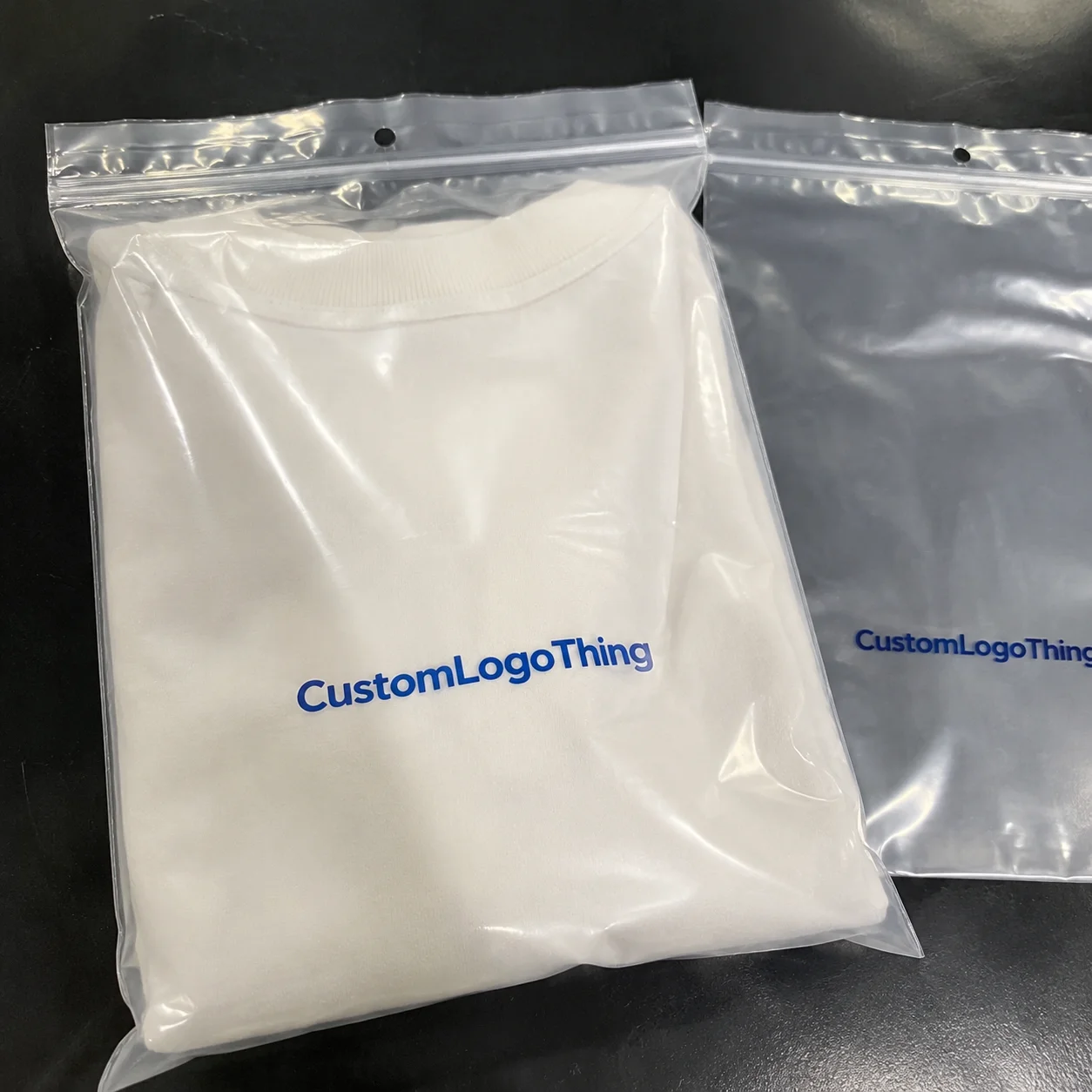
Most packaging trouble in subscription programs starts long before the outer carton closes. A loose component slides out of place, a pouch looks cloudy under the lights, a zipper catches on the first pass, and suddenly the kit feels less like a curated product and more like parts in transit. That is why zipper Bags for Subscription kits deserve more attention than they usually get. They control the first internal layer of the pack, and that layer affects speed, presentation, and waste.
Used well, a resealable bag keeps pieces together, protects small items from dust and handling marks, and gives the customer a clean way to open and close the kit again. Used poorly, it slows the line, fights the pack-out team, and makes the contents look less finished than they are. The right choice is never just “a bag.” It is a combination of fit, closure behavior, film structure, print needs, and the cost of moving everything through production without friction.
For subscription brands, that matters because the packaging repeats every cycle. A one-time retail launch can survive a few inconveniences. A monthly kit cannot. Once a format is chosen, it shows up in labor, customer perception, and reorder planning again and again.
Zipper Bags for Subscription Kits: What They Solve
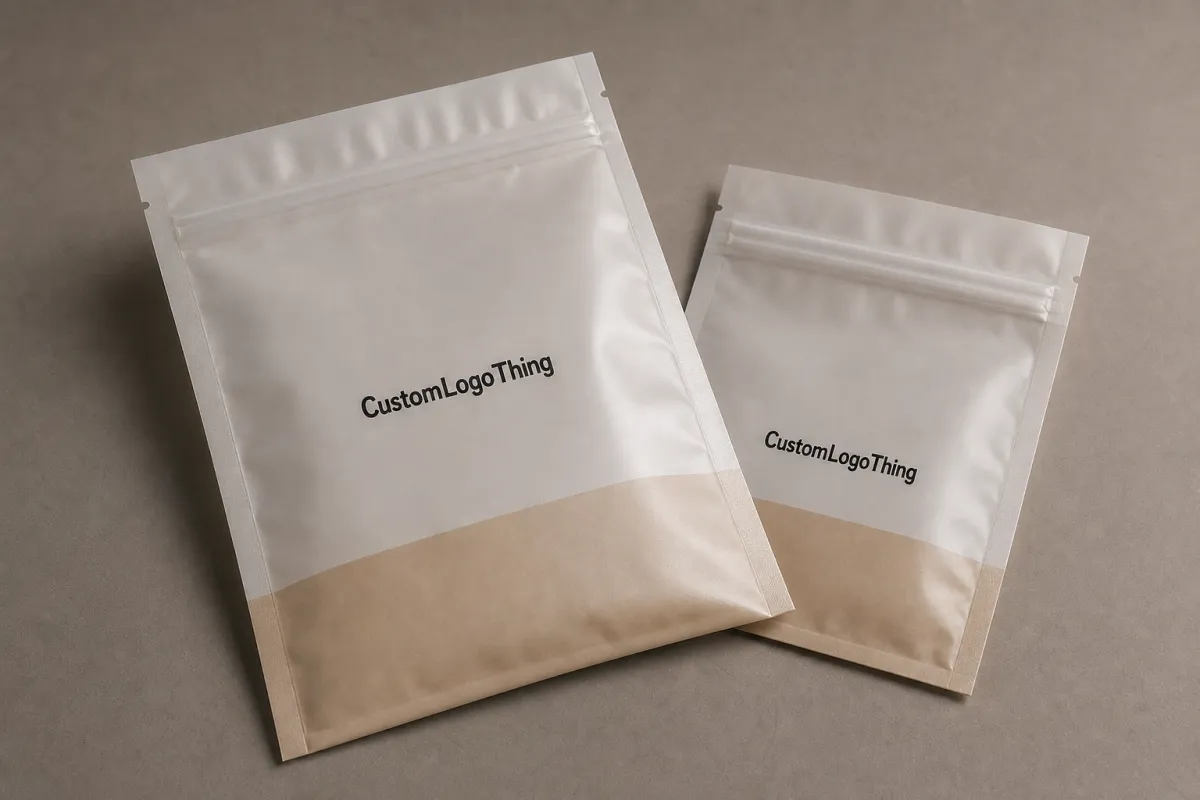
Inside a subscription box, the bag is doing a different job than the outer mailer. The outer carton handles shipping abuse. The zipper bag handles organization, protection, and presentation at the item level. That distinction sounds obvious, but it is where many sourcing decisions go sideways. Buyers compare pouches as if they were decorative accessories instead of functional packaging that has to survive pack-out, transit, and reopening.
Zipper Bags for Subscription kits work best when the contents are small, mixed, or easy to lose. Beauty samples, refill parts, craft components, wellness items, hardware sets, and welcome-kit inserts all benefit from being grouped into one tidy unit. The customer sees order instead of clutter. The fulfillment team sees fewer loose pieces. If the kit is meant to be reused or sorted after opening, the resealable closure becomes even more valuable.
The real advantage is consistency. A bag creates a repeatable internal format, which helps with inventory control and pack sequencing. That matters in programs where the contents change slightly from month to month but the packaging must still fit the line. Once the right size and closure are locked, the team can build a predictable workflow around it.
The bag should support the kit, not compete with it. If it is too big, too opaque, or too difficult to close, the packaging starts doing the wrong kind of talking.
There are times when a zipper pouch is not the right answer. Fragile items that need rigid protection may need a tray or molded insert. Kits with strong barrier requirements may need a laminated structure rather than a standard poly bag. But for a large share of subscription programs, a well-specified zipper bag is the simplest way to reduce mess without adding much weight or cost.
For general packaging references and material terminology, packaging.org is a useful starting point. It will not spec the bag for you, but it helps align the language around structure and function before a quote request goes out.
How the Seal, Barrier, and Print Layers Work
Closure style affects both the user experience and the line. Press-to-close is the most common option for light- to medium-duty kits. It is simple, familiar, and generally the lowest-cost choice. Slider closures are easier for repeated reopening, which helps if the customer needs to access the contents often. Double-track versions usually feel more secure and are less likely to leave the customer wondering whether the pouch actually shut. Tamper-evident styles belong in programs where opening needs to be obvious.
| Closure style | Best for | Typical tradeoff |
|---|---|---|
| Press-to-close | High-volume kits, light parts, lower budgets | Fast and economical, but easier to misclose on the first pass |
| Slider | Reusable packs, customer-friendly reopening | Costs more and adds bulk at the top edge |
| Double-track | Stronger seal feel and more confident resealing | Can raise cost and needs consistent closure pressure |
| Tamper-evident | Controlled contents and compliance-sensitive kits | Less convenient for frequent access |
Film choice matters just as much. LDPE is common because it is flexible, clear, and generally affordable. Some PE blends improve toughness or surface feel. Laminated or co-extruded structures add barrier performance and print flexibility, which becomes useful when the contents are sensitive to humidity, odor, or light. If customers need to see the contents clearly, film clarity can matter more than maximum barrier. If the kit contains parts with sharp edges, puncture resistance moves higher on the list.
Thickness, often described as gauge or mil, changes both durability and handling. Thin film can work for soft, low-risk contents, but it may wrinkle more and feel less substantial. Thicker film usually tolerates repeated handling better and resists tears around corners, zippers, and seal lines. The mistake is assuming thicker always means better. A heavy film can make the pouch stiff, hard to fill, and more expensive than the kit needs.
Print layers create their own set of tradeoffs. A simple one-color logo can be clean and economical. Full coverage print, special finishes, and multi-layer constructions add visual depth, but they also affect lead time and cost. A design that blocks the viewing area defeats one of the main reasons to use a clear or frosted pouch in the first place. The best artwork frames the product instead of hiding it.
In practical terms, the sequence is fill, close, inspect, and then move into the outer shipper. Each step influences the next. A stubborn zipper slows labor. A cloudy film makes the kit look less premium. A poor print layout can make the bag harder to read on the shelf or inside the box. Packaging failures are often small and cumulative, not dramatic.
For transit performance and distribution testing, the ISTA site is worth a look. Packaging that sounds good in a quote can still fail under vibration, drop, or compression if nobody has checked how the system behaves as a whole.
Key Factors That Decide Fit, Finish, and Performance
Size is where many buyers lose control of the spec. Measure the largest item first, then add room for loading and for the zipper top. The pouch should not be so tight that workers have to force it closed, and it should not be so oversized that the contents drift around inside. Both mistakes create a sloppy look and add friction to the pack line.
Finish changes the first impression quickly. Clear bags show everything and work well when the contents are visually tidy. Frosted finishes soften the look and hide small scuffs or fingerprints. Matte surfaces can make the package feel more deliberate, but they are not a default answer. Tinted film may support branding or privacy, yet it also makes inspection harder. The right finish depends on what the customer needs to see and how much of the product should remain visible.
Buyer specs tend to sound fancy when the real issue is much simpler. The details that usually matter most are the ones that affect handling and consistency:
- Film gauge for puncture resistance and hand feel
- Zipper strength for repeated opening and closing
- Tear resistance around corners, notches, and seals
- Seal consistency across the full production run
- Visibility if contents need quick inspection
Extra features can be worth paying for, but only if they solve a real problem. Hang holes help with retail display or warehouse organization. Tear notches make opening cleaner. Gussets increase volume for odd-shaped contents. Writable panels are useful for batch codes, internal sorting, or field kits that need quick labeling without a separate sticker. None of those features is mandatory, and adding them without a use case usually bloats cost.
If sustainability is part of the brief, ask specific questions about recycled content, mono-material structures, and how the closure is built. Broad “eco-friendly” claims are not enough. Material claims should come with test data, a standard, or a certification that can be checked. Otherwise the buyer is left guessing, and guessing on packaging tends to get expensive later.
Visual finish, structural performance, and line speed need to be treated as one decision. A beautiful bag that is miserable to fill will eventually be rejected by operations. A durable bag that looks dull may be fine for a back-of-house kit, but not for a subscription program built on presentation. The bag has to satisfy both the packer and the unboxer.
Cost, Pricing, and MOQ Factors to Compare
Price is never just a unit number. It is material, thickness, zipper type, print coverage, tooling, freight, and waste. For plain stock bags in moderate quantities, pricing often falls around $0.05-$0.14 per unit depending on size and gauge. Custom print, thicker film, and more complex closures can push that into the $0.12-$0.30 per unit range or higher. Those numbers are not unusually high; they are what happens once the spec gets real.
The lowest quote is not always the lowest cost. A bag that is hard to fill adds labor. A bag that is too large consumes material and weakens presentation. A closure that misses on the first close creates rework. The difference between an acceptable bag and a frustrating one often shows up in seconds per unit, not pennies on paper. In a subscription operation, seconds turn into labor spend very quickly.
| Order type | Typical use | Price pressure | Best fit |
|---|---|---|---|
| Stock plain bag | Testing, pilot runs, simple kits | Lowest | Fast start with limited packaging requirements |
| Custom one-color print | Basic branding | Moderate | Stable artwork and repeat orders |
| Custom print with special finish | Premium presentation kits | Higher | Retail-facing or higher-margin programs |
| Custom size plus custom closure | Odd components, tighter fit needs | Highest | Specialized kits with strict handling demands |
MOQ matters because the economics change fast between pilot, launch, and scale. Small runs usually carry higher per-piece costs because setup is spread over fewer units. Large orders make sense only if the product format is stable enough to hold for a while. If the kit changes every quarter, loading up on a huge inventory buy can trap cash in packaging that no longer matches the product.
Ask for the whole quote picture: unit cost, freight, sample fees, setup or plate charges, and any cost tied to changes in artwork or dimensions. Then compare that against pack speed, reject rates, and the risk of leftover inventory. That is the real math. Anything narrower is just a number on a screen.
Process, Timeline, and Lead Time From Quote to Delivery
The usual order flow is simple enough: send specs, review a quote, approve artwork or a sample, enter production, then receive and inspect the shipment. What slows projects down is not the sequence. It is the gaps between steps. Vague dimensions lead to questions. Late artwork revisions trigger another proof. Unclear print instructions create avoidable back-and-forth. A straightforward order can become a long one if the brief is loose.
For Custom Printed Bags, lead time often lands around 12-20 business days after proof approval, depending on quantity, print complexity, and the supplier’s schedule. Stock bags can move faster. Large runs, specialty structures, and multi-color print usually need more time. If the kit launch date is fixed, build a buffer into the schedule and protect it. Packaging delays have a way of stopping the rest of the plan.
Subscription launches are especially sensitive because one packaging miss affects every outbound kit in the cycle. If multiple sizes are required, the highest-priority size should be ordered first. If the artwork is still changing, hold production until the final version is locked. Rushing the approval step is a common way to create waste that looks like a schedule problem but is actually a planning problem.
A supplier should be able to explain where the project is most likely to slip: art approval, material sourcing, print setup, or final packing. That answer matters. If the risk points are unclear, the schedule is being guessed at, not managed.
Step-by-Step Way to Spec and Order the Right Bag
If I were building a spec for zipper bags for subscription kits, I would start with the contents and work outward. Packaging only makes sense after the product has been measured, sorted, and handled in the same way it will be handled in production. A good spec begins with reality, not with a catalog page.
- List every item in the kit, including cards, inserts, and small accessories.
- Measure the largest component and note how much room is needed for loading and closure.
- Choose the seal type based on how often the customer will open the bag again.
- Define the finish — clear, frosted, matte, or tinted — based on visibility and brand presentation.
- Set the print goal — logo, instructions, batch code, or simple one-color branding.
- Build a budget range that includes freight, samples, and setup charges.
Once the basics are decided, put them into a one-page spec. Suppliers move faster when the dimensions, material preference, closure style, print requirements, color targets, and quantity are all visible at once. If artwork is involved, send clean files and request a proof that shows actual placement, trim area, and any text that could be cut off or obscured by the seal.
Then test the sample in a real pack-out. Do not stop at appearance. Fill it with actual contents, close it, reopen it, and move it through the same process the team will use on the line. Check fill speed, zipper feel, seal consistency, and whether the pouch still looks neat after handling. A sample that only works on a desk is not a production sample.
Testing language deserves the same discipline. If a supplier says the bag is shipping-safe, ask how that was evaluated. ISTA methods and similar handling protocols are more useful than vague claims about strength. The point is not to turn a pouch order into a lab program. The point is to keep the packaging from failing in ways that could have been caught earlier.
A sample should answer practical questions: how fast it loads, how cleanly it seals, how it looks after handling, and whether the line can use it all day without fighting it.
Common Mistakes Buyers Make With Reclosable Bags
The first mistake is choosing a size that is technically large enough but visually off. A pouch with too much slack makes the contents shift and creates a loose, unfinished look. It may hold the kit just fine and still fail at presentation.
The second mistake is treating unit price as the whole decision. Cheap film and weak zippers tend to reappear later as damaged contents, slower pack-out, and more rejects. Savings on paper can disappear quickly once labor and rework are added back in.
Skipping sample testing is another common miss. That is how teams discover cloudiness, awkward loading, weak seals, or closure problems after the quote is already approved. By then, the calendar is tight and the corrections are more expensive than they should have been.
There is also a shipping blind spot. A pouch can perform well in the office and still behave badly inside the carton if the outer pack is rough, the contents have hard corners, or the internal arrangement allows movement. The bag, carton, and cushioning should be judged as one system. If they are evaluated separately, the result is often a packaging setup that looks fine in pieces and weak in practice.
Labor is easy to undercount. Even a small slowdown per unit matters at subscription volumes. If the zipper is fussy, the film sticks, or the load path is awkward, the cost shows up in throughput. A cheaper bag that slows the line is not actually cheaper.
Expert Tips and Next Steps for Your First Order
A two-sample comparison is often worth the extra time. Ask for one version tuned for presentation and another tuned for pack speed. Run the same actual kit through both and compare fill time, closure confidence, and how the final pack looks after handling. Sometimes the more attractive option wins. Sometimes the plain one pays for itself in labor savings.
Ask for landed cost, not just unit cost. Freight can change the picture fast, especially with bulky packaging. Sample fees, setup charges, and waste from testing belong in the calculation too. If a quote only talks about price per piece, the useful part of the picture is still missing.
Reorder planning should follow usage, not wishful thinking. If the monthly burn rate is known, build the trigger before inventory gets tight. Rush replacements usually cost more and arrive with less flexibility on structure or print.
For a first order, keep the spec focused. Lock the content list, choose the closure, define the finish, and approve only what actually matters to the kit’s function. That is usually enough to make zipper bags for subscription kits work as a clean internal format instead of a recurring sourcing headache.
What size zipper bags for subscription kits should I start with?
Measure the largest item in the kit first, then add enough room for loading and the zipper area. A real sample with the full contents is more reliable than flat dimensions alone.
Are zipper bags for subscription kits better than mailers for small items?
Use zipper bags when you need visibility, reclosability, and tighter control of loose components. Use mailers when the primary job is outer shipping protection and the contents do not need frequent reopening.
How do I compare pricing on custom zipper bags for subscription kits?
Compare unit cost, freight, sample fees, and setup charges together. Then factor in labor and reject rates, because the lowest quote can still be the most expensive option to run.
Can I print branding on zipper bags for subscription kits?
Yes. Confirm the print area, color limits, and whether the artwork needs a one-side layout or more coverage. A proof is worth requesting before volume production starts.
What is the best way to test a supplier for subscription kit bags?
Run a sample pack test with actual contents and time the process from fill to seal. Check closure feel, appearance after handling, and whether the bag works at line speed before placing the full order.