Apparel Brand Printed Poly Mailers Sample Approval Guide
Sample approval for Printed Poly Mailers is where apparel brands find out whether the packaging they approved on screen still works in the real world. A logo can shift on glossy film, a pale gray can disappear under warehouse lighting, and a layout that looked balanced in a mockup can feel crowded once a folded tee is inside the bag. The sample is the last low-risk check before cost, color, and production volume are locked in.
For brands comparing packaging formats, it helps to review Custom Poly Mailers alongside other Custom Packaging Products. That comparison usually clarifies whether the goal is simple branded shipping, a more premium presentation, or a mailer designed around a tighter pack-out routine. If you want to see how other teams approached that decision, the Case Studies page is a useful reference.
Apparel Brand Printed Poly Mailers Sample Approval Basics
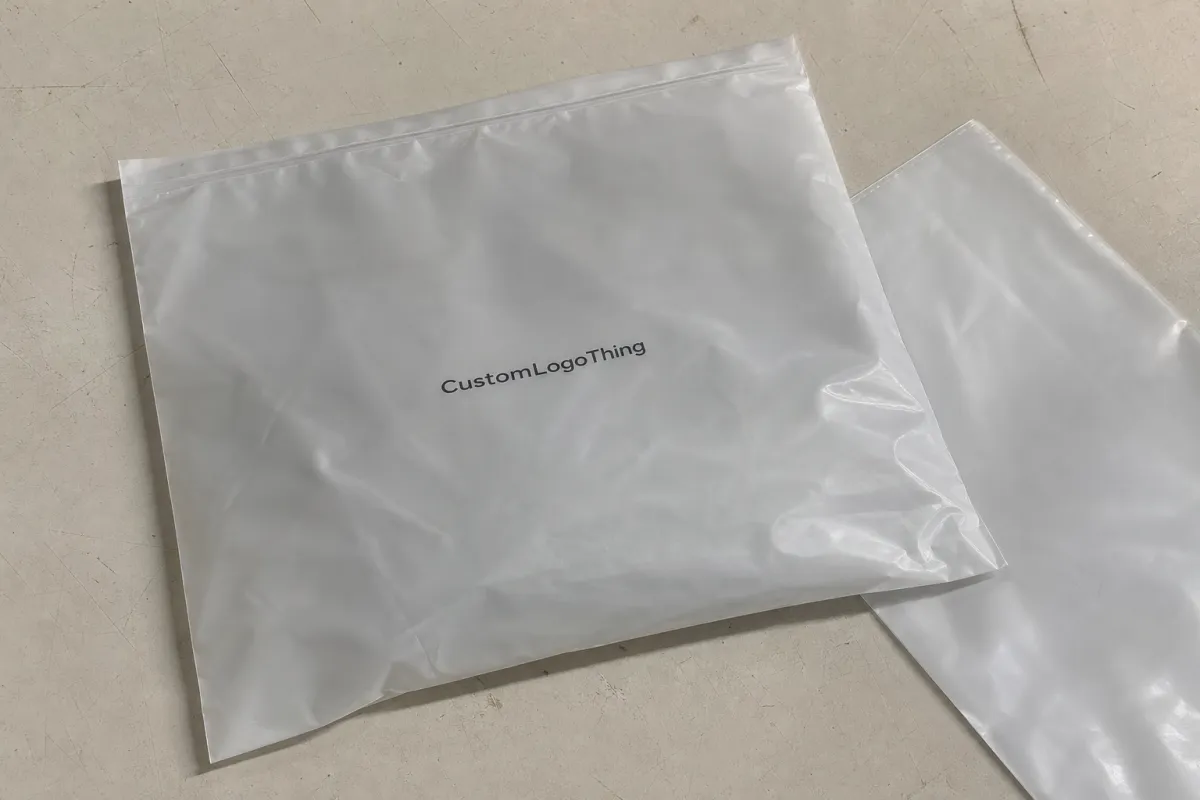
Printed Poly Mailer Sample Approval is less about decoration than about translation. The artwork may be approved digitally, but the physical sample shows how that artwork behaves on film, how it reads at arm's length, and how it survives folding, stacking, and shipping. That is why the sample matters: it tells you whether the package still feels like the brand after the product is packed.
For apparel buyers, the sample is also a fit check. A 10 x 13 inch mailer may suit a lightweight shirt, while a larger format may be needed for hoodies, bundled sets, or items with inserts. The question is not only whether the bag closes, but whether it closes cleanly without overstuffing, wrinkling the print, or making the package look cheap.
The best sample review happens under the same conditions the finished order will face. If your warehouse uses fluorescent lights, inspect it there. If cartons sit in storage before fulfillment, stack the sample and let it sit. The sample should reflect the real shipping and unpacking experience, not just the artwork file.
A sample is not just a print check. It is a test of fit, finish, and whether the mailer still supports the brand once it meets the packing line.
That is also why the sample should be treated as a control point for repeat orders. Once approved, it becomes the reference for dimensions, finish, print coverage, and handling. When the next reorder comes around, the team should be able to compare against the approved sample instead of debating the original mockup again.
What a Printed Poly Mailer Sample Should Prove
A good sample should prove three things: the artwork is placed correctly, the bag performs correctly, and the finished piece matches the intended presentation. The print should be centered against the dieline, but it also has to look centered once the mailer is filled. That is where many first samples fail; the bag is technically correct but visually off when used.
Thickness and closure are just as important as print quality. Many apparel brands work in the 2.0 to 3.0 mil range, with 2.5 mil often serving as a practical middle ground for everyday e-commerce use. Thinner film can lower cost, but it may wrinkle more easily or feel less substantial. Thicker film usually adds stiffness and opacity, but it can change how the mailer folds and how much room the order requires in the carton.
Finish should be reviewed carefully too. Gloss can make color appear brighter and sharper, but it also shows glare. Matte softens reflections and often feels more premium, yet dark artwork may look flatter. For fashion and athleisure brands, that difference affects how the mailer is perceived before the garment is even opened.
It is also worth checking whether the sample was made with the same production method planned for the full run. A hand-built mockup may not reveal print limits, stretch, seal behavior, or placement drift. A true pre-production sample gives a better view of what the order will look like at scale.
If your shipping program includes transit-risk testing, ISTA resources can help frame that discussion. The goal is not to overengineer the bag. It is to make sure the selected spec holds up through the actual pack, ship, and receive cycle.
Cost, Pricing, and MOQ: What Changes the Quote
Pricing is usually more layered than buyers expect. Unit cost matters, but it is only one part of the quote. Setup fees, print color count, film grade, coverage area, custom dimensions, and revision rounds can all change the final number. A quote that looks attractive at first can become expensive once prepress and freight are added.
For a standard run of 5,000 pieces, many buyers see approximate pricing in the range of $0.12 to $0.35 per unit for common sizes and one- to two-color printing. Heavy coverage, specialty finishes, lower MOQs, or custom sizing can move that higher. When comparing suppliers, ask for landed cost so you can compare the real budget, not just the bag price.
| Option | Typical Cost | What It Proves | Best Use Case |
|---|---|---|---|
| Digital proof | $0-$25 | Layout, spelling, dieline alignment | Every order before any physical sample |
| Plain size sample | $25-$80 | Fit, seal, stacking, general handling | New dimensions or new pack-out requirements |
| Printed pre-production sample | $80-$250+ | Color, coverage, finish, branding accuracy | New artwork, premium presentation, or first production run |
| Extra revision round | $20-$60+ shipping or admin, sometimes more | Corrections after the first sample | When the first sample is close but not ready |
MOQ changes for predictable reasons. Custom sizes usually require more setup. Multi-color printing can add press time. Specialty finishes often need extra handling, and some suppliers want a larger order to offset film waste during make-ready. That is why the lowest per-unit price is not always the best value if the minimum is too high or repeat orders become difficult.
For packaging teams, it helps to separate sample cost from production cost. The sample is a control tool. If a $120 sample helps avoid a reprint on a $6,000 order, the sample is saving money, not adding overhead.
Process and Timeline: From Proof to Approved Sample
A clean approval process starts with the proof. If the art file is off by even a few millimeters, the sample will carry that error forward. The first proof should confirm dimensions, logo scale, safe zones, and any copy that sits near a fold or seal. Version control matters here, because a wrong file name can send the wrong revision into production.
Typical timelines break into four stages: proofing, sample production, transit, and internal review. A straightforward proof may come back in one to two business days, physical sample production may take five to ten business days, and shipping can add another two to five days depending on location. Custom dimensions, specialty inks, or a second revision extend the schedule quickly.
One final approver helps keep the process moving. If brand, operations, and purchasing all send separate notes, the review loop can drag. A single owner can collect feedback, separate must-fix issues from preferences, and approve the next step without forcing the supplier to chase multiple opinions.
It also helps to keep the record in one place: the digital proof, sample photos, revision notes, and final approval email. That record makes seasonal reorders faster and gives the team a reference if a future run needs to match a specific print standard or pack-out method.
Step-by-Step Approval Checklist for Your Team
A simple checklist keeps sample review objective. Compare the sample to the final artwork file under the same lighting your warehouse or studio uses. Daylight, office LEDs, and packing-station lighting do not show the same print behavior, so a sample that looks fine in one room may read differently in another.
- Check dimensions. Measure length, width, and gusset if applicable, then confirm the mailer fits the garment plus any insert card or tag.
- Inspect artwork placement. Confirm logo position, safe zones, bleed, and any text near edges or folds.
- Review color and finish. Compare the sample against approved brand colors and note whether gloss, matte, or soft-touch changes the look.
- Test function. Open, fill, seal, and stack the mailer to see how it behaves in the packing line.
- Document the sample. Photograph front, back, seal area, and any defect close-ups, then add notes to a shared review sheet.
- Collect one final approval. Make sure operations, brand, and production stakeholders sign off on the same version.
Two practical checks are worth adding. First, pack a real folded hoodie or tee, not just an empty bag. Second, leave the sealed mailer in a carton for a short period and see whether the print scuffs or the seal relaxes. Those small tests reveal issues that digital mockups cannot show.
If the sample is close but not correct, do not approve it as a schedule shortcut. One vague approval can become a much larger exception on the full run.
The approval folder should be simple: artwork file, dated sample photo, revision note, and final sign-off. That habit protects brand consistency and makes reorders much easier. A future buyer should be able to find the approved version in under a minute.
Common Mistakes That Cause Reprints and Delays
Approving from a screen instead of a physical sample is the most common mistake. Screens hide glare, flatten texture, and can make low-contrast art look cleaner than it will on film. Metallic ink, light gray copy, and dark artwork on glossy plastic are especially risky because they often look better digitally than they do in hand.
Skipping the packed-garment test is another expensive miss. A bag can look right when empty and fail once a folded sweatshirt is inside. The seal may feel too tight, the bag may stretch unevenly, or the logo may sit lower than expected because the garment adds bulk in one corner. These are functional problems, not cosmetic ones, and they are much cheaper to fix before production.
Barcode and address-panel issues also surface late. If the address area sits too close to a fold, scanning can become unreliable once the bag is filled. Some brands test with a label, an insert card, or their actual shipping workflow to make sure the sample behaves like the real order.
Too many reviewers can slow the process down. Five people can produce ten opinions, and ten opinions can turn into no decision at all. If the company does not assign one final approver, the sample may sit while the team debates preferences that do not affect the production outcome.
For transit-risk discussions, packaging teams often reference ISTA test thinking because shipping conditions are rarely gentle. If the conversation includes sustainability claims or waste-reduction language, guidance from EPA can help keep those claims grounded.
Expert Tips for Faster, Cleaner Approvals
Fast approvals usually come from structure, not pressure. Use a short sign-off sheet with separate boxes for color, artwork placement, fit, and packaging integrity. When each category is visible, reviewers stop mixing aesthetic comments with functional issues, which shortens the revision loop.
Request a pre-production sample whenever the order uses unusual dimensions, heavy print coverage, or specialty finishes. Those jobs are the most likely to show print gain, film stretch, or seal changes. Paying for one controlled sample is usually cheaper than discovering a problem after the run starts.
Review the sample in at least two environments: daylight and warehouse lighting. Plastic glare can flatten details, mute color, or create false contrast. That matters most for brands where the mailer is part of the visual identity, not just a shipping container.
Keep a library of approved samples for seasonal reorders. Store the physical sample when possible, and also keep photographs with measurements, date, and file name. That archive gives your team a clear baseline and helps new staff understand what approved looked like last time.
One more practical point: if a supplier offers a low quote but needs several back-and-forth rounds to reach approval, the cheap price can disappear in freight charges, delay costs, and staff time. A cleaner first sample is often the better commercial decision.
Next Steps Before Production Starts
Once the sample is approved, freeze the artwork, sample photos, and sign-off notes in one shared folder. That prevents someone from reopening an older file after production has already been released and gives the operations team a clear reference if a shipment raises a question about finish, sizing, or print placement.
Confirm the final order quantity, shipping window, and receiving location before the release goes to production. If the mailers will be kitted with garments, check carton pack-out, storage space, and labor timing too. A packaging order can be perfectly approved and still create a delay if the warehouse was not ready for it.
For repeat programs, lock in the packaging standard now. Record the approved thickness, finish, print coverage, and any special handling notes. The next buy then starts from a known good reference instead of from scratch.
Done well, sample approval becomes part of production control, not a separate chore. The sample tells you whether the design reads clearly, the mailer holds the garment properly, and the package still feels aligned with the brand. Keep that record tight, and the next reorder should move with fewer surprises.
How do I approve printed poly mailers sample approval for apparel brands?
Check the physical sample against the final artwork file, not just a screen mockup. Confirm color, logo placement, seal strength, and garment fit in real packing conditions, then document the approval date and keep the sample photos with the production record.
How long does apparel brand sample approval usually take?
Timelines depend on proof accuracy, sample production, shipping, and how many revision rounds you need. Simple orders move faster than custom sizes, multi-color prints, or specialty finishes, so ask for a dated timeline that separates artwork proofing from physical sample transit.
What affects printed poly mailer pricing the most?
Size, film thickness, print colors, and coverage area usually move pricing more than buyers expect. MOQ, setup fees, and rush requests can change the total cost far more than the per-unit line alone, so always compare quotes with shipping, samples, and prepress included.
Should I approve a digital proof or wait for a physical sample?
Use the digital proof to catch layout, spelling, and dieline issues early. Use the physical sample to judge color, glare, feel, and real-world fit. For branded apparel mailers, both checks are worth doing before full production.
What should I do if the sample is close but not perfect?
Mark the exact issue and reference the photo or measurement that shows it. Ask for one focused revision instead of broad, conflicting feedback, and do not approve until the sample matches the agreed artwork and packaging function.


