Apparel Poly Bags Reorder Plan for Fast, Accurate Restocks
A solid Apparel Poly Bags reorder plan protects the packing floor more than it buys plastic on schedule. If one bag spec is missing, a team can lose time checking dimensions, searching for old proofs, and stopping cartons mid-run. The bag is rarely the real problem; the missing record is.
For repeat apparel programs, the goal is to keep presentation consistent, avoid packing delays, and prevent avoidable price swings when the next replenishment lands. That only works when the reorder is based on the last approved version, not memory or a note that says “same as before.”
Clear poly bags for tees, basics, and seasonal restocks can look interchangeable, but they are not. A half-inch change in length, a gauge shift, or a moved warning panel can affect folding, insertion, stacking, and quote pricing. Small revisions become real production changes fast.
Why one missed reorder can stall an entire apparel line
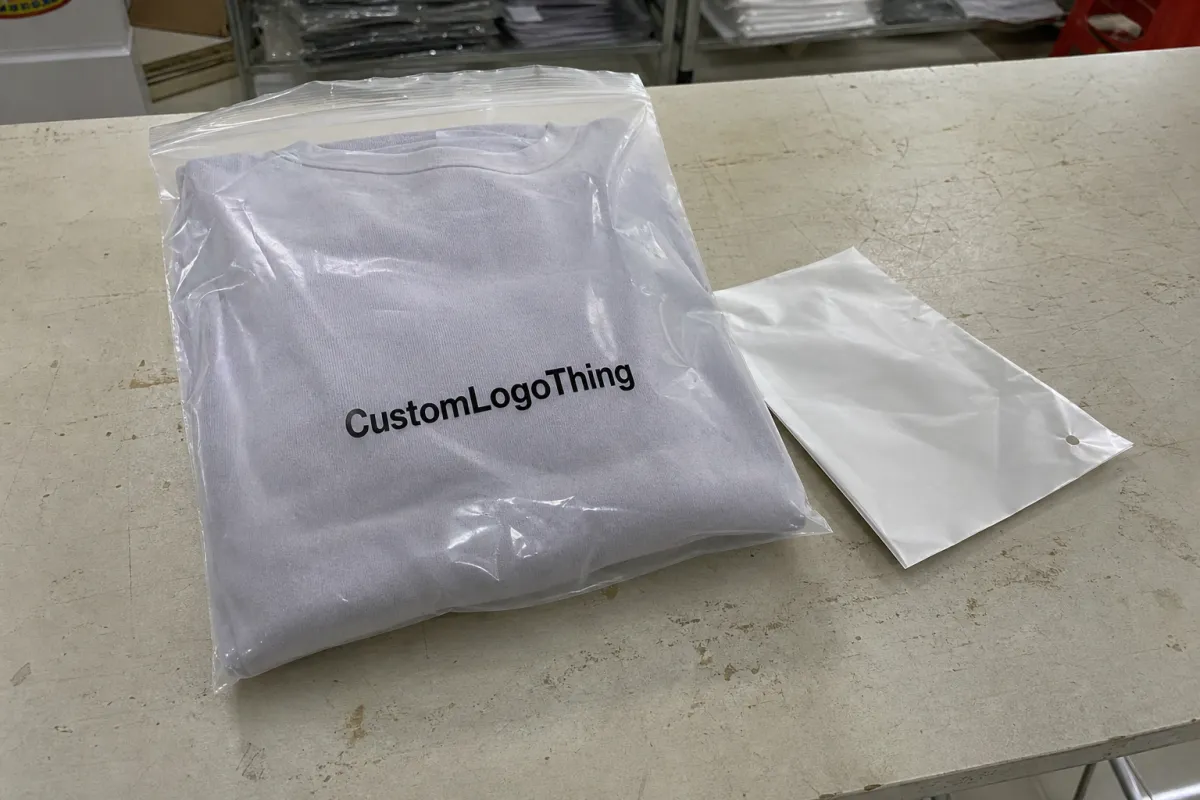
One short bag inventory can ripple across an operation. If a line uses the same bag for multiple SKUs, a stockout does not just stop one style. It can slow packing, create stop-start labor, and leave finished goods sitting longer than planned.
That is why a good apparel poly Bags Reorder Plan starts with the previous approved sample and the previous purchase order. Buyers who work from memory often miss exact width, length, gusset depth, carton pack count, print version, vent holes, or warning language. Those details affect line speed, bag fit, and final appearance.
Practical rule: if the previous run worked, keep the same dimensions, film gauge, print version, closure method, and carton pack count unless there is a clear reason to change one of them.
Teams that manage multiple packaging components usually get better results when they keep bag specs with the rest of the program file. Labels, inserts, carton notes, and shipping instructions should live in the same record set. That avoids a common failure point: the bag reorders correctly, but the carton pack count or warning copy does not match the rest of the job. If your packaging mix includes several repeat formats, the same documentation habits used for Custom Packaging Products can reduce confusion across orders.
Apparel poly bags reorder plan details buyers should lock in
A dependable apparel poly bags reorder plan begins with a clean spec file. The essentials are bag width, bag length, gusset if used, and film thickness. After that come closure style, perforation or venting, print coverage, warning copy, and any retail-facing branding. If one of those changes, the order may no longer be a straight repeat.
The bag can look identical on a screen and still behave differently on the line. A barcode shifted by a quarter inch, a warning block moved to the wrong panel, or a fold pattern that does not match the current garment pack can slow packing. A carton pack count change matters too; going from 100 to 120 bags per carton changes how often the line stops for replenishment.
Save the approved artwork, dieline, carton label copy, and final shipping notes together. When the reorder is due, that file set gives the supplier a reference point and gives the buyer something to check against. It also avoids the most common repeat-order error: using a file that is “close enough” but not current.
For mixed apparel programs, define the largest folded item first. Then set the minimum fit allowance and acceptable pack-out range around that item. If the largest piece fits cleanly with enough slack for easy insertion and a neat retail presentation, smaller garments usually travel well too. If the bag is too tight on the biggest style, the line will show it immediately through slower pack speed, crushed folds, or rejected units.
Presentation matters as much as fit. A bag that clouds the garment view, wrinkles badly, or traps too much air can weaken shelf appearance even if the dimensions are correct. The spec should protect the product and present it clearly.
- Keep constant: dimensions, film gauge, print version, and carton pack count.
- Review carefully: fold method, barcode placement, warning text, and retail appearance.
- Reclassify as revised: any change to fit, handling, or printed copy.
Teams that manage repeat fulfillment across several lanes should also track apparel bags alongside other shipping materials. A reorder that fits the garment but breaks the carton plan can still disrupt output. The same structured record-keeping that helps with Custom Poly Mailers also helps here, especially where timing, pack counts, and printed details need to stay aligned.
Film gauge, dimensions, and closure specs that hold up on the line
Dimensions should be based on the actual folded garment, not a product photo or hangtag mockup. A bag sized around the wrong reference can be too tight for the real fold or too loose to stack neatly in the carton.
Film gauge matters more than many buyers expect. A lighter gauge, such as 1.25 to 1.5 mil, often works for soft knits and tees handled once on the line. A heavier gauge, closer to 1.75 to 2.0 mil, makes more sense for structured apparel, repeated handling, or longer transit. The difference affects durability, feel, and how well the bag holds shape.
Closure and finishing details should get the same review. Open-top bags are simple and fast, but resealable closures can help when retail presentation matters. Tear notches, hang holes, venting, suffocation warning placement, and seal strength all affect how the bag behaves during packing and at the customer-facing end of the process.
Seal quality is another place where “looks fine” can hide a problem. A weak seal can split during boxing or transit; an over-formed seal can make opening awkward. Cloudy film can hide the garment. Too much slack can wrinkle the presentation.
For teams that track broader material standards, check whether the bag or nearby packaging components need to align with sustainability or compliance rules. FSC standards are relevant when paper-based elements are part of the system, and organizations such as packaging.org publish useful packaging guidance. Neither replaces a specification sheet, but both can support better decisions across the pack-out process.
| Option | Typical Use | Pros | Tradeoffs |
|---|---|---|---|
| 1.25-1.5 mil clear bag | Light tees, soft basics, low-abrasion handling | Lower cost, easier pack-out, clean presentation | Less margin for heavier folds or rough transit |
| 1.75-2.0 mil clear bag | Mixed apparel, repeated handling, longer storage | Better durability, more forgiving fit | Slightly higher unit cost |
| Printed retail bag with warning copy | Consumer-facing apparel programs | Clear branding, visible compliance messaging | More setup oversight, more proof review |
Pricing, MOQ, and quote inputs that change unit cost
Pricing on repeat bag orders comes down to a short list of variables: bag size, film gauge, print coverage, number of colors, special features, and total run quantity. Bigger bags use more resin and often more carton space. Printed bags need more setup attention. Custom sizes may require additional tooling or configuration.
MOQ can move as well. A stored size or repeat print setup usually keeps the minimum more manageable. A fresh configuration, new artwork version, or unusual production schedule may raise the minimum because setup time has to be spread across fewer units.
For an accurate quote, buyers should send the prior PO number, exact dimensions, artwork file, carton pack count, delivery location, and whether the order is a straight repeat or a revised version. If the supplier has to guess at any of those items, the price usually gets padded to protect against rework.
A practical planning range helps, but only as a reference point:
- Standard clear repeat order: about $0.08-$0.16 per bag at higher quantities, depending on size and gauge.
- Custom printed bag: often $0.12-$0.28 per bag, depending on ink coverage and setup.
- Smaller run with custom specs: usually higher per unit because setup is spread over fewer cartons.
Land on landed cost, not just piece price. Freight, split shipments, pallet configuration, and the cost of running short on a key replenishment cycle can matter more than a small difference in the quoted unit price.
Buyers with frequent repeat programs sometimes use a standing supplier structure so standard quantities and approval steps stay predictable. That helps keep pricing clear across seasons, especially when volume tiers move up and down.
Production process and lead time for repeat apparel orders
The production flow for a repeat order is straightforward on paper: confirm the spec, review the proof, reserve materials, run the bags, inspect the output, pack cartons, and release freight. In real life, every handoff can add time. A mismatch in artwork, an unclear carton note, or a late approval can push the job back.
Repeat orders move faster when the prior proof and artwork are still valid and the current request does not change the spec. The biggest time savings usually come from eliminating back-and-forth before production starts.
Lead time depends on available film stock, print method, run size, production queue, and final shipping method. A straightforward repeat might be ready in 12 to 15 business days after proof approval. A more complex printed order can take longer if the line is booked or a specific material needs to be sourced.
Buyers should not wait until the last carton is gone before reordering. A simple inventory trigger based on weeks of supply gives more room to absorb delays. If the warehouse has four weeks of usable stock and the order generally needs two weeks plus freight, the buyer still has margin. If the reorder starts after that buffer is gone, the warehouse becomes the emergency plan.
Shipping conditions also matter. Long transit, mixed loads, and rough handling can expose weak bags that looked fine in the plant. Testing frameworks such as the ISTA methods are useful when the finished package needs to survive shipping stress beyond the pack line.
What a dependable packaging partner should verify before you reorder
A reliable supplier does more than accept the order and wait for signoff. They pull the last approved job, compare it against the new request, and flag conflicts before production starts. That check protects the buyer from quiet mistakes, especially when multiple SKUs, seasonal timing, or rush shipping are involved.
The better partner also reviews tolerance ranges, bag fit, artwork version control, and carton markings. Those details sound minor until they create a bad run. A bag can be technically correct and still pack poorly if the fold changed, the print shifted, or the carton count no longer matches the warehouse rhythm.
Communication needs to be precise. A team can be competent and still create trouble if they assume the old print file is current or the previous carton label still applies. Written confirmation of what stayed the same and what changed prevents unnecessary waste.
Reliability is practical, not decorative. The best packaging partner respects the existing spec, checks the current file against the old one, and helps keep late changes from turning into production errors. For apparel programs, that matters because presentation and replenishment timing are tied directly to sell-through.
One useful internal question is whether the supplier makes repeat ordering easier the second time, or only cheaper on the quote sheet. Cost matters. So does the ability to hold the line on specs when the calendar gets tight.
Next steps to place the reorder without delays
Start with the last approved sample, the PO number, quantity history, the artwork file, and any notes from the packing floor. That gives the next request a real foundation instead of a guess. If you have a photo of the folded garment inside the prior bag, include it.
Then separate the non-negotiables from the items that can change. Maybe the bag thickness stays the same while carton pack count shifts. Maybe the print version stays fixed while the delivery date changes. Make those decisions before asking for a quote.
Ask for quantity tiers, lead time, freight estimate, proof timing, and assumptions in writing. That makes the quote easier to evaluate and gives the buying team a cleaner basis for comparison.
A good internal reorder note should include a trigger point based on inventory and consumption, not just a date on the calendar. If the warehouse knows it has six weeks of bag supply and the next order usually needs two weeks plus transit, the buyer can move early enough to absorb a delay without touching production.
For teams that want repeat packaging to stay organized, the most useful habit is to treat the apparel poly bags reorder plan as a living record: last approved spec, current artwork, carton count, fit notes, and reorder trigger in one place. That keeps the next restock accurate and the packing floor moving without avoidable interruptions.
How far ahead should I start an apparel poly bags reorder plan?
Start while you still have several weeks of usable inventory left, not when the last carton is open on the packing floor. Add more buffer if artwork, dimensions, or carton labels may change, because proof approval and production can stretch the timeline. A useful rule is to set the trigger from forecasted pack volume and actual lead time, then work backward to the reorder date.
What details do you need for an accurate apparel poly bags reorder quote?
The most important inputs are the prior PO number, exact bag size, film thickness, print version, and target quantity. Include carton pack count, ship-to ZIP code, and whether the order is a repeat or a revised spec so freight and setup are quoted correctly. If the bag serves more than one SKU, note the largest folded garment and the fit requirement so the quote reflects the right dimensions.
Can the same poly bag spec work for different apparel styles?
Yes, if the folded dimensions, weight, and finishing steps are similar enough that the bag still fits cleanly and packs consistently. Test the largest folded item first, because that is usually the one that exposes tight gussets, short lengths, or handling issues. If one style needs different barcode placement, warning copy, or presentation standards, treat it as a separate spec even if the film looks identical.
What affects MOQ and unit cost on repeat poly bag orders?
MOQ and unit cost are influenced by size, film gauge, print colors, setup requirements, and whether the production run uses a standard configuration. Larger quantities usually lower the per-bag price, but freight, split shipments, and storage costs should still be included in the comparison. A stored spec or repeat print setup can reduce both cost and lead time, especially when the artwork does not need to change.
When does a reorder need a new proof or updated spec?
Any change to dimensions, gauge, artwork, barcode placement, warning text, or carton labeling should trigger a fresh proof review. A new proof is also smart when the garment fold changes, the pack count shifts, or the bag needs to perform differently on the line. If the last order had a quality issue, ask for a recheck even when the file looks the same, because small deviations can still affect fit and speed.

