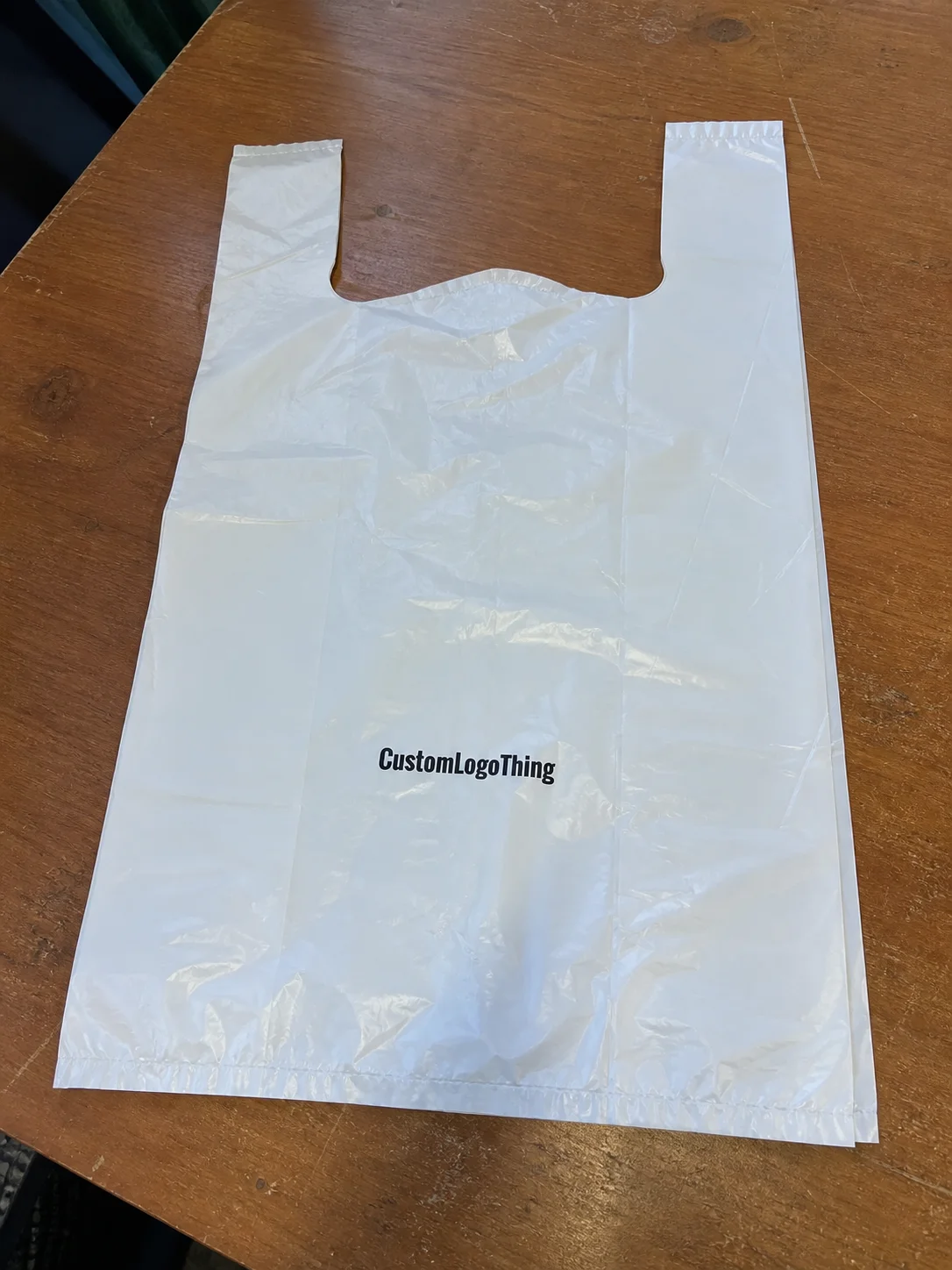
If you are sorting out apparel recycled poly mailers Bulk Order Planning, start with the garment, not the quote. The wrong size creates problems fast: overstuffed seams, weak seals, awkward folds, and mailers that look cheap before they even leave the building. Recycled content matters, but fit and closure performance decide whether the packaging works.
Bulk buying makes sense for apparel brands because poly mailers are light, compact, and fast to pack. They take up less warehouse space than cartons, reduce outbound dimensional weight, and are easier to keep in consistent stock. The tradeoff is that packaging with a low unit price can become expensive if the print setup is sloppy, the size is off, or the supplier cannot repeat the same spec on the next run.
A good buying plan weighs more than price per thousand. It needs the folded product dimensions, the expected monthly burn rate, the return policy, print coverage, and the lead time for reorders. If any of those pieces are missing, the purchase order is more guesswork than planning.
A mailer that splits on the seam is not a bargain. It is a second order, another freight charge, and a customer complaint waiting to happen.
Apparel Recycled Poly Mailers Bulk Order Planning Starts Here
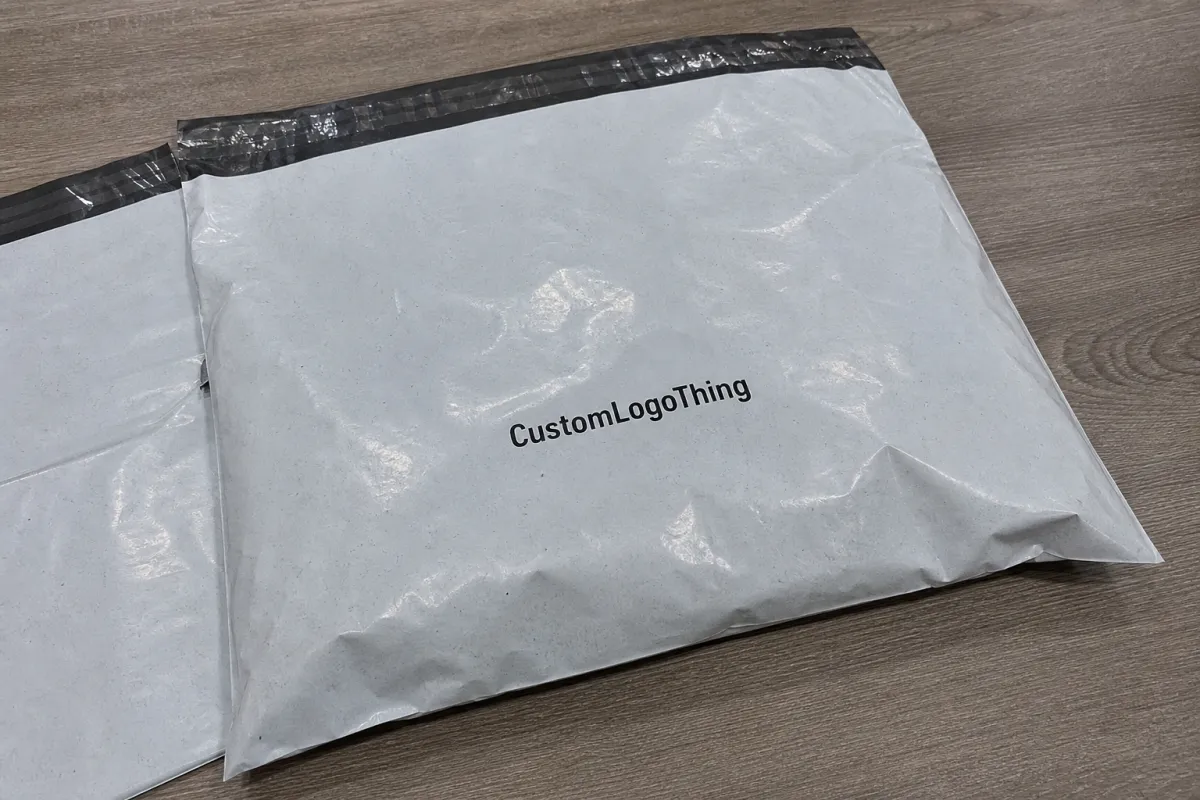
Most packaging mistakes happen before production starts. The buyer locks in a bag size based on a catalog photo, then discovers the folded hoodie needs more depth, or the tee pack fits but the adhesive flap barely closes. Apparel has more variation than people expect. A single shirt, a two-piece bundle, and a heavyweight fleece order all behave differently inside the same mailer.
That is why apparel recycled poly mailers Bulk Order Planning should begin with the actual packed format. Measure the folded garment, including tags, inserts, and any return paperwork that ships inside the bag. If the pack is compressed or tucked under tension, build in extra room for the closure area. A mailer should close with a clean seal, not with the last inch forced shut by hand pressure.
For e-commerce brands, the payoff is consistency. One standard mailer format speeds packing, simplifies replenishment, and keeps the packing table from turning into a puzzle every time a new SKU lands. Subscription programs and promo drops benefit for the same reason. Smaller parcels also lower storage pressure. A pallet of poly mailers is easier to stack and move than a pallet of cartons, and it does not collapse the minute someone leans a second pallet against it.
The hidden cost trap is chasing the lowest quote before the spec is locked. Small runs usually carry heavier setup charges, and a reorder that lands late can force rush production or expedited freight. That is where a cheap unit price stops being cheap. The real landed cost includes the bag, the freight, the storage time, and the cost of running out at the wrong moment.
A useful buying checklist:
- Product format - tee, hoodie, multi-pack, jacket, or mixed bundle.
- Pack method - flat fold, compressed fold, or fold with inserts and documents.
- Branding level - minimal logo, full print, matte finish, or retail-style presentation.
- Returns plan - one-way shipping only, or a return strip and tear-open feature.
- Reorder rhythm - steady monthly volume, seasonal launch, or irregular campaign drops.
If you are comparing broader packaging options, the Custom Packaging Products page and the Custom Poly Mailers catalog are useful reference points before pricing.
Choose the Right Mailer Format for Folded Apparel
Flat mailers are the default for tees, socks, and thin bundles. They keep shipping profile low and pack quickly. Gusseted mailers make more sense for hoodies, fleece, or layered apparel because the side expansion gives the product room without forcing the seal. Return-style mailers are worth considering if the brand expects frequent exchanges, because a second adhesive strip can save a lot of taped-up returns and customer service noise.
Material finish changes the impression. Opaque film hides contents and gives the print a cleaner background. Semi-clear film can work for internal logistics or some promo programs, but it gives up privacy and usually looks less polished. Matte finishes hide scuffs better and feel more premium, while glossy film can look louder but also shows fingerprints and abrasion sooner.
Recycled content is not a magic label. It matters because it supports material recovery goals and can reduce reliance on virgin resin, but the bag still has to function. Recycled films may vary a little more in tint, hand-feel, or clarity from batch to batch. That is normal. What matters is whether the film still meets thickness, seal, and puncture requirements for the apparel being shipped.
For apparel buyers, the practical format choice usually comes down to four questions: how bulky is the product, how often do returns happen, how much print surface is needed, and how much warehouse room is available. If the answer to the first question is "more than a tee," a flat mailer may still work, but only if the fold is tight and the gauge is not too light.
| Format | Best For | Typical Spec Range | Main Tradeoff |
|---|---|---|---|
| Flat mailer | T-shirts, socks, thin bundles | 60-80 micron film, 1.5-2 in seal flap | Least forgiving if the fold is inconsistent |
| Gusseted mailer | Hoodies, fleece, layered apparel | 80-100 micron film, wider side seams | Slightly higher cost and more material usage |
| Return-style mailer | E-commerce programs with frequent returns | Dual adhesive strips, tear strip optional | More print setup and a bit more complexity |
| Semi-clear mailer | Promo packs, internal fulfillment, some retail use | 50-70% opacity depending on film | Less privacy and a less premium look |
The size decision should come from the folded product, not from what happens to be cheapest in the catalog. A one-tee mailer may sit around 10 x 13 inches. Hoodies and jackets often need 12 x 15 inches, 14 x 18 inches, or a gusseted format depending on how tightly they fold. Leave enough room for the flap to seal without stretching the film. If the bag has to be wrestled shut, it is the wrong size.
Specs That Prevent Rips, Stretch, and Sloppy Seals
A serious quote should include more than size and price. Ask for film thickness, recycled content percentage, seal width, closure type, size tolerance, and print area. Those details show whether the bag is built for actual packing or just for a sample display. Thickness matters, but it is not the whole story. A thicker film with weak seams still fails. A lighter film with strong seals can be the better option for lower-weight apparel.
For apparel mailers, the most useful specs usually include these items:
- Film thickness - often 60-120 microns depending on garment weight and handling.
- Recycled content - commonly 30-100%, depending on sourcing and claim structure.
- Seal width - enough contact area to stay closed under compression.
- Puncture resistance - important for zippers, buttons, hang tags, and hardware.
- Print area - enough room for logo, copy, barcode, or compliance marks.
- Size tolerance - tighter tolerances reduce pack-out surprises.
The closure deserves more attention than it usually gets. A weak adhesive strip, bad placement, or dust contamination during packing can open the door to transit failures. That risk increases with heavier garments because they put more pressure on the flap. Side seams matter too. Stretch, stress whitening, or splitting at the fold line usually point to weak film or inconsistent extrusion control.
Print quality has its own pitfalls. Simple logos are easy. Full-coverage artwork, dark backgrounds, and tight color matching are where poor film and bad press control start to show. If the artwork uses a lot of ink, ask for a sample on the real film, not just a digital proof. A render can hide a lot of problems that the actual bag will not forgive.
One practical buyer habit helps a lot: approve samples with the real garment inside. A flat sample sheet tells you almost nothing about fold height, tag pressure, or how the mailer behaves after sitting packed for a day. Check four things: fit, seal, scuffing, and final appearance. If any one of those fails, revise the spec before production.
For transit testing language, it helps to ask suppliers to reference recognized methods rather than vague claims. If they mention drop or compression tests, ask which standard they use and how they verify seal performance after load. The ISTA site is a useful reference if you want to compare the language. The point is not to turn packaging into a lab report. The point is to avoid buying on adjectives.
Cost, MOQ, and Unit Price Drivers for Bulk Orders
Price is driven by a few predictable variables: quantity, size, thickness, print colors, recycled-content target, and any special packing requirement. MOQ matters because setup cost gets spread over the run. A 1,000-piece order usually carries a heavier unit price than a 10,000-piece order, even when the product is similar, because the fixed production costs do not disappear just because the order is small.
Ask for tiered pricing. If a supplier only gives one number, you do not know where the break points are. A proper quote should show several quantity levels so you can see whether the next tier actually saves money or just locks you into too much inventory. That is the difference between purchasing and guessing.
| Order Size | Typical Unit Price Range | What Usually Happens |
|---|---|---|
| 1,000-2,499 | $0.18-$0.32 | Setup costs are heavy, so small changes in art or size matter a lot. |
| 3,000-4,999 | $0.12-$0.24 | Better balance between setup and production efficiency. |
| 5,000-9,999 | $0.08-$0.18 | Often the sweet spot for many apparel brands. |
| 10,000+ | $0.07-$0.14 | Lowest unit cost, but storage and cash flow need to be planned carefully. |
Those ranges move with size, print coverage, and recycled-content requirement. A one-color logo on a light-duty bag prices very differently from a full-coverage matte mailer with return strips. Freight can also distort the quote. A lower unit price means nothing if the shipment is bulky, slow to receive, or expensive to store.
Do not chase the biggest order just because the price drops. If monthly use is 1,500 bags, a giant run can trap cash and warehouse space for months. Model annual volume, lead time, and storage capacity together. For brands with repeat packaging needs, Wholesale Programs usually make more sense than one-off emergency buys, because the replenishment pattern stays predictable.
The cleanest way to compare offers is to calculate landed cost, not just unit cost. That means factoring in freight, carton count, storage time, and any repeat setup fees. The cheapest print quote is often the one with the most expensive follow-up.
Process and Lead Time: From Artwork to Dock Delivery
The production flow is usually straightforward: request quote, confirm size and specs, submit artwork, approve proof, produce sample if needed, run production, inspect quality, and book freight. Delays happen when one of those steps gets skipped or treated like a suggestion. Packaging does not reward rushing through the basics.
A standard run often lands in the 2 to 4 week window after proof approval. Complex print, uncommon film requests, or peak-season congestion can push that out. If the artwork needs corrections, the clock resets. The fastest orders are the ones with final dimensions, final artwork files, and ship-to details ready before the quote is accepted.
Most delays come from the same places:
- Missing dielines - the art team cannot place graphics accurately.
- Slow proof approval - production waits while the file sits unread.
- Late color changes - revisions can push the order back in line.
- Late reorder timing - the buyer waits until inventory is nearly gone.
The last one causes more trouble than people admit. Reorder based on burn rate, not optimism. If the line uses about 2,000 bags a month, waiting until the final carton is open is too late. A safer trigger is the last 25 percent of inventory, or earlier if the brand has seasonal spikes. Launch calendars do not care that someone forgot to count cartons.
If the supplier cannot give a written lead time, there is no lead time yet. There is only a hope. A real production schedule should state when timing starts, what happens after approval, and which documents are needed for freight. A buyer should not have to decode that by email thread.
For teams comparing packaging across multiple product lines, the FAQ page and the catalog are useful for understanding how one mailer spec will affect the next reorder, especially if the brand uses different garment weights throughout the year.
What a Reliable Supplier Should Show Before You Place the PO
A reliable supplier should be able to show written specs, clear MOQ, tiered pricing, a lead-time statement, and sample options. If the quote is vague, the production is likely to be vague too. That is not a harsh rule. It is just how packaging usually works. Consistency matters more than charm.
Quality control is not a bonus feature. It is the reason the order exists. A decent supplier should inspect dimensions, print registration, seal integrity, and carton packing before release. If they cannot explain what gets checked, the buyer is taking their word for it. That is a weak position on any packaging order, especially when one miss can affect thousands of shipments.
For repeat orders, the supplier should also keep records of the previous run. Color consistency, thickness, closure feel, and print placement should not drift just because the next order came in on a busy week. A good reprint process keeps the spec stable. A sloppy one forces buyers to approve the same package twice.
Communication matters because apparel planning rarely stays still. Launches move. Inventory shifts. Retail calendars change. A supplier that answers clearly and keeps clean records saves time on the next reorder. I usually look for a vendor that can talk through recycled-content claims, transit expectations, and any packaging language the brand uses without sounding fuzzy about the details.
Before signing off, I would want these items in hand:
- Written specs for film thickness, size, print, and closure.
- Sample or proof showing the final layout and dimensions.
- Transparent MOQ with tiered pricing at multiple quantities.
- Lead-time statement that starts after proof approval, not after the first email.
- Reorder support so specs stay stable across repeat runs.
If the supplier can explain what is being claimed and what is being measured, that is a good sign. If they cannot distinguish between a marketing claim and a verifiable spec, the risk shifts back to the buyer. Packaging is not the place for fuzzy language.
Next Steps to Lock Size, Print, and Reorder Timing
Before asking for pricing, gather three things: the folded garment dimensions, the target monthly volume, and the artwork files or brand colors that need to match. That is enough to get a useful quote instead of a vague one. If the mailer needs a return strip, say so early. The print and structure choices get cleaner when the supplier knows the use case from the start.
Then request tiered pricing at several quantities. Compare unit cost, freight, and storage together. A slightly higher unit price can still win if it keeps inventory manageable and reduces the chance of rush reprints. Do not approve a sample against a blank table and call it good. Put the actual apparel inside the bag and see how the fold, seal, and finish hold up under handling.
Build a reorder calendar around real consumption, warehouse space, and launch timing. If the order supports a seasonal drop, place the next PO before inventory gets thin. If it supports a steady subscription program, align replenishment with actual usage instead of wishful thinking from someone who has never packed a pallet.
That is the practical version of apparel recycled poly mailers Bulk Order Planning: lock the fit, verify the print, confirm the lead time, and buy the amount that protects both cash flow and continuity. Do that, and the mailers stay invisible, which is exactly what good packaging should do.
What should I confirm before placing an apparel recycled poly mailers bulk order?
Confirm the folded garment size, the required mailer dimensions, print area, adhesive type, and the quantity break you want quoted. Ask for a sample or proof so you can check fit, seal strength, and appearance before production starts.
How does MOQ affect recycled poly mailer pricing for apparel brands?
Lower quantities carry more setup cost per unit because prep, press setup, and production overhead get spread across fewer bags. Higher quantities usually reduce the unit price, but freight and storage still need to be counted before choosing the biggest tier.
What lead time should buyers expect for custom recycled poly mailers?
A standard run often takes about 2 to 4 weeks after artwork approval, with longer timing for complex print or busy seasons. The fastest orders happen when specs, artwork, and ship-to details are final before the quote is accepted.
Which specs matter most for apparel mailers in bulk?
The most important specs are film thickness, recycled-content percentage, seal strength, size tolerance, and usable print area. For heavier apparel, seam quality and puncture resistance usually matter more than a flashy finish.
How can I lower cost without cutting corners on quality?
Keep the bag size tight to the product, limit unnecessary print complexity, and quote several quantities to find the best break. Avoid underordering, because rush reprints and emergency freight usually cost more than buying the right volume up front.