Pet Treat Brands Matte Poly Mailers Reorder Checklist: What to Verify First
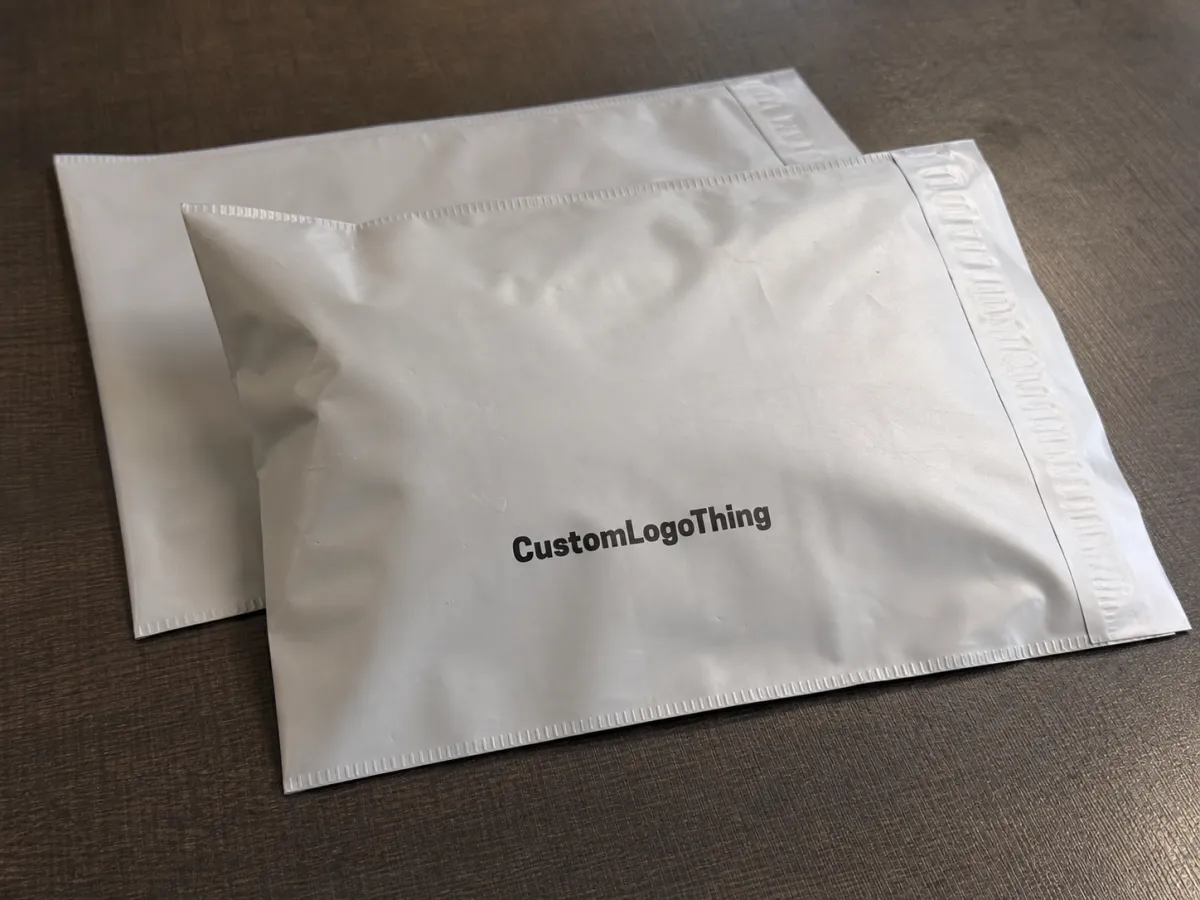
The reorder looked simple until the new batch landed: same logo, close color, wrong feel. For a growing pet company, a pet treat brands Matte Poly Mailers reorder checklist is not administrative clutter. It is the small control system that keeps a rushed packaging buy from turning into a fulfillment problem.
The pattern is familiar. A pet treat brand sells through a seasonal flavor faster than planned, the subscription queue is already loaded, and a creator shipment is scheduled for next week. Someone reorders mailers in a hurry. Then the replacement batch arrives with a slightly glossier finish, a weaker peel-and-seal closure, or a half-inch size change that makes packing two pouches slower than before.
That half-inch matters. A warehouse packer may lose only 4 or 5 seconds per shipment wrestling with a tight mailer, but across 3,000 orders that becomes more than 3 labor hours. If the adhesive is wrong, the cost moves from time to reships, complaints, or carrier damage claims.
Packaging consistency also affects trust. Pet owners may not inspect a shipping mailer the way a retail buyer inspects a stand-up pouch, but they do notice when an order feels different. A premium salmon treat subscription in a flat, opaque matte mailer feels controlled. The same shipment in a wrinkled, oversized, mismatched poly bag feels careless.
Buyer reality: shipping materials are often a small share of total fulfillment cost, yet they touch 100% of direct-to-consumer orders. Visible errors can feel larger than their line-item cost suggests.
Matte Poly Mailers are a practical reorder item because they are lightweight, moisture-resistant, opaque, and compatible with custom branding. They work especially well where the treat itself is already protected by primary packaging, such as a sealed pouch, sachet, jar, or carton.
Before asking for a quote, confirm the previous order number, mailer size, film thickness, print colors, finish, adhesive closure, quantity, delivery address, and required in-hands date. If you use Custom Logo Things for repeat production, send the old invoice and current photos together. That removes a surprising amount of guesswork.
This checklist is for buyers who already know they need custom Matte Poly Mailers and want fewer proofing surprises, cleaner pricing, and a faster path to production.
Why Matte Poly Mailers Fit Pet Treat Shipments
Most pet treats do not rely on the mailer as the primary barrier. The functional packaging is usually a stand-up pouch, sachet, rigid jar, or small box with its own seal, label, and food-contact compliance. The mailer is the branded shipping layer. It protects presentation, controls what the customer sees first, and keeps small orders from being overpacked in cartons.
Matte and gloss behave differently. Gloss can make colors appear brighter, but it reflects overhead light, shows wrinkles more aggressively, and can create glare in unboxing photos. Matte usually reads softer and more premium. It tends to hide minor scuffs better, which matters because pet products are often packed with coupons, sample sachets, packing slips, and loyalty inserts that shift during transit.
Opacity is another quiet advantage. A white, black, or custom-color opaque poly mailer keeps multi-SKU shipments visually controlled. Nobody sees that the order contains three trial packs, a turkey-flavor pouch, a dental chew sample, and a reorder discount card. That is good for privacy and for presentation.
Poly mailers can also reduce dimensional weight compared with rigid boxes. If the shipment is flexible, lightweight, and non-fragile, a mailer often ships flatter. Carriers price many parcels by weight, size, and service level, so reducing empty air can matter more than shaving a few cents from the mailer itself. For brands shipping 2,000 to 10,000 small parcels per month, the effect compounds.
Good use cases include single-pouch orders, sample packs, subscription refills, small-batch flavor launches, loyalty gifts, and influencer kits that do not include fragile containers. For branded options, see Custom Poly Mailers from Custom Logo Things.
There is a caveat. Poly mailers are not universal. If you ship glass jars, brittle biscuits, premium gift bundles, or anything likely to crack under compression, a corrugated box, padded mailer, or insert-supported format may be safer. Testing standards from groups such as ISTA can help teams think through compression, drop, and vibration risk before committing to a shipping format.
The reorder advantage is straightforward: once dimensions, artwork, material, and closure are locked, future runs move faster. The buyer is confirming known variables instead of rebuilding the package from scratch. That is the point of a disciplined pet treat Brands Matte Poly Mailers reorder checklist.
Product Details to Confirm Before Reordering Matte Mailers
A matte poly mailer looks simple from the outside. It is not. The construction includes the outer film, inside color, matte finish, side seals, bottom seal, flap, peel-and-seal adhesive strip, and sometimes a perforated tear strip or second adhesive line for returns.
Start with size. Measure the packed shipment, not the product label dimensions. A 6-inch-wide pouch may become closer to 7 inches across after the zipper top, side gussets, trapped air, and natural product bulge are included. Two pouches stacked together behave differently from two pouches placed side by side. Sample bundles shift, especially if they include loose inserts or mixed pouch formats.
Leave enough room for insertion and sealing. Too tight, and packers slow down. Too loose, and the finished parcel wrinkles, folds, and looks underfilled. A practical approach is to test the packed product in the current mailer, photograph the fit, and mark whether the new run should stay the same, increase slightly, or decrease.
Film thickness affects both perception and performance. Common custom poly mailers often sit around 2.5 to 3 mil, though exact options depend on size, material, and supplier setup. Thicker films can improve perceived durability and puncture resistance. Thinner films may reduce unit cost but can feel less substantial, especially with heavier pouches or sharp pouch corners.
Closure needs a second look on every reorder. A standard self-seal strip is usually enough for direct-to-consumer pet treat orders. Dual adhesive strips help if returns are part of the business model, such as trial kits or mixed product bundles that may come back unopened. Tamper-evident behavior may matter for subscriptions, especially if the brand wants the customer to see that the mailer has not been opened during transit.
Print and artwork items to recheck
Reorders are where old branding sneaks back into production. Confirm logo placement, mailer orientation, brand colors, QR codes, social handles, sustainability icons, certification marks, and seasonal copy. If the mailer says “grain-free launch” or includes a limited promotion, ask whether that message still belongs on the next 5,000 pieces.
Common reorder mistakes include uploading an old logo file, changing a Pantone reference without flagging it, assuming a previous proof reflects current branding, or forgetting a retailer’s shipping requirement. If a retail partner asks for a barcode placement, carton pack count, or no-marketing exterior, that requirement should sit in the reorder notes.
Attach three things to the request: photos of the previous mailer, the original invoice or order number, and fulfillment feedback. A note such as “current size works for one pouch but is too tight for two pouches” is far more useful than a vague request for “same but better.”
| Detail to confirm | Why it matters | Practical reorder note |
|---|---|---|
| Mailer size | Affects packing speed and parcel presentation | Measure packed products, not flat pouch labels |
| Film thickness | Changes durability, hand feel, and unit cost | Confirm mil thickness or ask to match the prior run |
| Adhesive closure | Impacts security, returns, and packing workflow | Specify standard strip, dual strip, or other closure |
| Matte finish | Controls reflection, scuff visibility, and premium feel | Send photos if the current finish must be matched closely |
| Artwork file | Prevents outdated logos, links, and promotional copy | Label files with version names and approval status |
Specifications That Affect Durability, Print, and Fulfillment
Good specs are not paperwork for its own sake. They control protection, print quality, packing speed, freight efficiency, and customer perception. A proper reorder file should let purchasing, marketing, and fulfillment describe the same mailer without three different interpretations.
Core specs to verify include width, length, flap size, film thickness, material color, inside color, matte coating, print method, number of print colors, artwork coverage, adhesive type, carton pack count, and master case weight. If your last order arrived in cartons of 500 and your warehouse racks are set up for that quantity, changing carton count can create avoidable handling friction.
Matte surfaces deserve careful proof attention. Fine lines, muted colors, and low-contrast designs can look different on matte poly than they do on a backlit laptop screen. A pale beige logo on a cream matte mailer may look elegant in a mockup and too subtle in a packing station under fluorescent lighting.
Color control is achievable, but not magical. Custom Printed Poly mailers can deliver strong brand consistency, yet tolerances depend on substrate, ink system, production method, and coverage. A dense black background, a full-coverage pastel, and a small one-color logo do not behave the same. If color is mission-critical, ask how it will be checked and what reference is being used.
Use vector artwork for logos. High-resolution files are needed for imagery. Screenshots are a red flag on reorders because they can introduce jagged edges, color shifts, and unexpected compression artifacts. If the mailer includes a QR code for a loyalty club, reorder incentive, pet care content, or subscription portal, test the scan size and contrast before production. Print it at actual size. Scan it with more than one phone.
Fulfillment labor is often the hidden cost. A mailer that is too tight slows insertion. One that is too large may wrinkle, look sloppy, or invite rough handling because the contents slide around. If packers are adding tape to help the seal, that is a specification problem, not a labor preference.
Environmental claims should be handled carefully. If your brand references recycling, recycled content, or responsibly sourced paper components in nearby packaging, make sure claims align with guidance from authoritative sources such as the U.S. Environmental Protection Agency recycling resources. Mailers and paperboard cartons follow different recovery paths, and customers notice vague claims.
The internal discipline is simple: keep a current approved spec sheet. Include the last proof, dieline or size record, print notes, packaging photos, and fulfillment feedback. That file turns a pet treat brands Matte Poly Mailers reorder checklist into a repeatable buying system.
Pricing, MOQ, and Unit Cost Variables for Reorders
Reorder pricing depends on quantity, size, film thickness, print coverage, color count, finish, setup status, shipping location, and timeline. Anyone promising one fixed price before seeing those variables is simplifying the job too much.
MOQ matters because production has preparation costs. Lower quantities may be possible for some formats, but larger runs usually reduce unit cost because setup, artwork handling, material preparation, and production scheduling are spread across more pieces. A small run can be useful for a test launch. It is usually not the lowest-cost way to feed a stable subscription program.
Typical custom matte poly mailer pricing can vary widely. As a practical planning range, a 5,000-piece custom run might land around $0.18 to $0.35 per unit for common small-to-medium sizes, depending on thickness, print coverage, and freight. Larger runs can move lower per unit. Complex artwork, heavier film, dual adhesive strips, or split shipments can push the number up. Treat these numbers as planning guidance, not a quote.
The cheapest mailer on paper is not always the cheapest mailer in the business. Ordering too few can trigger repeated freight, repeated admin time, and stockout risk. Ordering too many can tie up cash and storage space, especially if the brand is about to change logo, SKU strategy, or fulfillment location.
A better reorder estimate starts with usage. Use this formula:
Average monthly mailer usage × lead time in months + safety buffer = reorder quantity.
If a brand uses 2,000 mailers per month, expects a 6-week production and delivery window, and wants a 25% promotion buffer, the math points to roughly 3,750 mailers. Many buyers would quote 5,000 to compare the unit-cost break against storage space and cash flow.
| Quantity scenario | Likely advantage | Risk to watch | Best fit |
|---|---|---|---|
| 1,000-2,500 pieces | Lower cash outlay, useful for tests | Higher unit cost and faster reorder pressure | Seasonal flavor launch or small influencer batch |
| 5,000-10,000 pieces | Stronger unit economics for steady DTC volume | Requires storage and stable artwork | Subscription refills and core SKU shipments |
| 25,000+ pieces | Best spread of setup and production preparation | Cash tied up if branding changes | High-volume brand with predictable monthly usage |
A strong quote request includes the previous order number, exact quantity, ship-to ZIP code, required delivery date, artwork changes, and whether the buyer wants the same specs or revised specs. For larger programs, Custom Logo Things can also discuss repeat ordering through Wholesale Programs.
Cost drivers pet treat brands often overlook include return strips, heavy ink coverage, custom inside print, special opacity, expedited freight, and split shipments to multiple fulfillment centers. If you are shipping to both a 3PL and an in-house warehouse, say that up front. Freight structure changes the quote.
The goal is not the cheapest mailer. The goal is the lowest-risk reorder that protects margin, brand presentation, and delivery timing.
Process and Timeline: From Reorder Request to Delivery
A clean reorder follows a predictable path: request, spec confirmation, quote, artwork check, digital proof, approval, production, quality review, packing, and shipment. Skip one step, and the risk usually reappears later as a proof delay, print mismatch, or missed arrival date.
Reorders are usually faster than first-time orders when the buyer keeps the same dimensions, material, print, finish, closure, and delivery destination. The supplier is not rebuilding the job from zero. The quote can reference prior specs. The proof can focus on confirmation rather than interpretation.
Several changes can reset the timeline. Changing mailer size may require a new production setup. Adding colors can shift print preparation. Revising the finish, switching from standard self-seal to dual adhesive, uploading new artwork, or requesting a physical sample can all add time. None of that is bad. It just should not be treated as a simple repeat order.
Build in proof review time. Even confident reorders should receive a final proof check because outdated files and small copy changes are common sources of production errors. A QR code can point to an old landing page. A social handle can change. A seasonal message can expire. One missed line can turn 10,000 units into a storage problem.
Lead times vary by quantity, customization, and production capacity. Standard schedules can usually be discussed after specs are confirmed, while rush requests should be raised before quote approval, not after artwork is already in review. If the order has a non-negotiable promotion date, say so in the first email.
Payment and approval matter too. Production generally starts after quote acceptance, artwork approval, and any required deposit or payment terms are complete. A buyer may think the clock started when the request was sent. Production teams usually count from proof approval and commercial clearance.
Identify the true deadline. Is it the supplier ship date, the warehouse arrival date, the promotion launch date, or the subscription packing date? These are not interchangeable. A mailer that ships on Friday may not be usable for Monday packing if receiving, counting, and staging take another 24 to 48 hours.
For fixed pet treat drops, order mailers before final treat inventory arrives. Packaging should not become the bottleneck after the product, photography, ads, and email campaign are already locked. A disciplined pet treat brands matte poly mailers reorder checklist makes that timing visible before the problem becomes urgent.
Action Plan: What to Send for a Fast, Accurate Reorder
Send the right information first, and the quote gets cleaner. Send partial information, and the process becomes a chain of clarification emails. That costs time, especially if purchasing, marketing, and fulfillment are not using the same spec file.
For the fastest response, send five items:
- Previous invoice or order number so the prior run can be identified.
- Current mailer photos, including front, back, seal, and packed product fit.
- Desired quantity, plus whether you want price breaks at higher volumes.
- Delivery ZIP code or full ship-to address for freight planning.
- Required in-hands date, not just the date you hope production finishes.
Then add the second tier of details if available: packed product dimensions, number of treat units per shipment, artwork updates, fulfillment pain points, and whether returns need to be supported. If packers report that the current mailer is too tight for subscription bundles, include that note. If the seal is performing well, say that too.
Mark every spec as either same as last order or change requested. This small discipline separates true reorders from redesigns. It also protects both sides during proofing because the production team can see which variables are locked and which need review.
Ask for price breaks at two or three quantities if storage allows. A quote at 5,000, 10,000, and 25,000 pieces can show whether the unit-cost reduction is worth the cash and warehouse space. Some brands find the middle tier is the practical answer: enough savings without trapping a year of inventory in outdated packaging.
Request written confirmation of production assumptions. Size. Thickness. Finish. Print colors. Adhesive format. Carton count. Delivery destination. A one-page confirmation can prevent a long argument later.
Custom Logo Things is built for buyers who need custom packaging that can be reordered without starting from scratch. If you are comparing related formats, review Custom Packaging Products or ask the team to confirm whether matte poly mailers, padded mailers, or boxes are the better fit for your shipment profile.
A pet treat brands matte poly mailers reorder checklist turns a rushed packaging purchase into a controlled, documented buying decision. The best version is not complicated. It is current, specific, and honest about what is working in fulfillment and what needs to change before the next batch lands.
FAQ
What should be on a pet treat brand's matte poly mailer reorder checklist?
Include the previous order number, mailer size, film thickness, matte finish, print colors, artwork file, closure type, quantity, ship-to address, and required delivery date. Add fulfillment notes too, such as whether the current mailer is too tight, too loose, difficult to seal, or slowing packout. If anything changed since the last run, label it clearly as a requested revision.
How do I know what size matte poly mailer to reorder for pet treats?
Measure the packed shipment, not just the individual treat pouch or box. Allow enough room for easy insertion and sealing, especially when shipping multiple pouches or subscription bundles. If the previous size worked well, send photos and the old order details so the same dimensions can be verified before quoting.
What affects the unit cost of custom matte poly mailers for pet treat brands?
Main cost factors include order quantity, mailer size, material thickness, print coverage, number of colors, closure type, and freight destination. Higher quantities often lower unit cost because setup and production preparation are spread across more pieces. Rush production, split shipments, return strips, or major artwork changes can increase the final quoted price.
Can I change artwork on a matte poly mailer reorder?
Yes, but artwork changes should be flagged before the quote and proof stage. Small changes such as a QR code, social handle, or logo update may still require proof review and production confirmation. Major layout, color, or size changes can shift the order from a simple reorder to a revised custom production run.
How early should pet treat brands reorder matte poly mailers?
Reorder before existing inventory reaches the point where production and shipping delays could interrupt fulfillment. Use average monthly mailer usage, upcoming promotions, subscription packing dates, and safety stock to calculate timing. If a launch date is fixed, confirm packaging first so the mailers do not become the final bottleneck before orders ship.