Apparel Ribbed Winter Beanies Supplier: What Buyers Need to Know Before They Place an Order
Compare materials, pricing, MOQ, lead times, and quality checks with an apparel Ribbed Winter Beanies supplier so the order lands on spec, on budget, and without avoidable surprises.
Buying Ribbed Winter Beanies looks simple until samples start coming back with different stretch, cuff depth, and logo behavior. Those are not cosmetic differences. They affect comfort, sell-through, and whether a reorder can use the same approved spec without surprises.
The right supplier is not just knitting hats. They are controlling yarn, stitch density, sizing, decoration, packaging, and the approvals that keep a seasonal order from drifting. The wrong one sounds confident, but leaves buyers to discover problems after the sample stage.
For brands, teams, outdoor labels, and retail programs, the decision is less about finding a cheap hat and more about balancing cost, quality, and repeatability. On a small product like a beanie, there is nowhere for poor execution to hide.
What an Apparel Ribbed Winter Beanies Supplier Actually Does
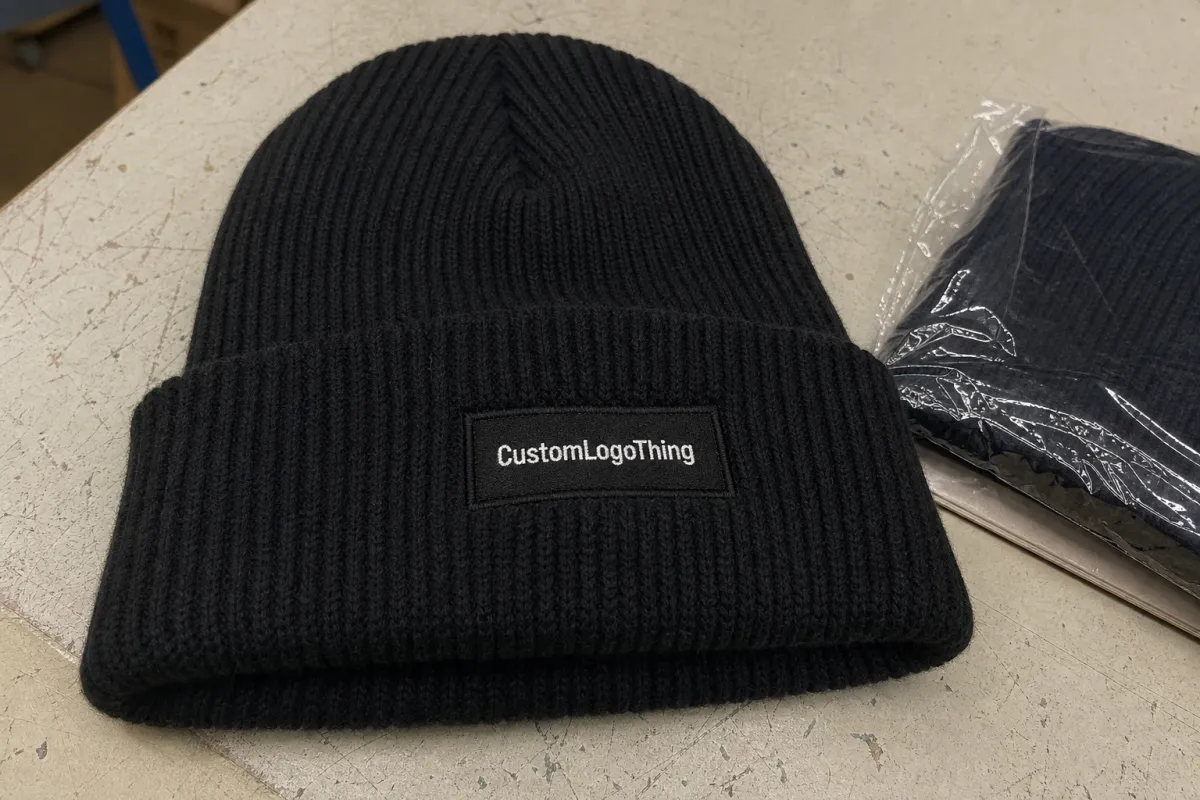
A serious supplier manages yarn selection, stitch structure, sizing, color matching, cuff construction, label placement, packing, and the approval flow that keeps production on track. That work is part textile engineering and part process control.
The first job is translating the spec clearly. A buyer should not have to explain twice whether the beanie needs a folded cuff, double-layer cuff, low-profile body, or taller crown. Those choices change warmth, fit, decoration space, and the machine settings the factory uses.
Rib construction is the core of the product. The knit must stretch comfortably, then recover instead of staying loose and tired. That recovery is what separates a beanie that feels resilient from one that slouches after a few wears.
Suppliers also need to manage the details that affect distribution: carton counts, polybag format, hangtags, barcode placement, and whether goods will survive transit without getting crushed. If the order is going into retail, these are product decisions, not extras.
If the sample looks fine flat on a table but wrong on a real head, the sample failed. Beanies are worn products, not display props.
Packaging discipline matters too. The ISTA framework is a useful reference for transport handling, and FSC is the right benchmark if the program uses paper packaging with sustainability claims. Buyers do not need to turn a beanie order into a certification project, but they do need verifiable specs.
Why Rib Construction Wins or Fails in Wear Tests
Rib knit looks straightforward until samples are compared side by side. The alternating knit and purl columns create stretch, but the stitch ratio affects openness under tension and how quickly the fabric recovers. Two beanies can look nearly identical in a photo and still feel very different in hand.
Yarn choice is the first lever. Acrylic is still the common budget-friendly option because it is predictable, easy to color match, and usually soft enough for everyday use. Wool blends add warmth and a more natural feel, but cost more and may need more careful care labeling. Polyester blends are often chosen for shape retention and repeat wear. Recycled yarn blends can support sustainability claims, but the fiber content should be specific and traceable.
Thickness changes the result. Heavier yarn and tighter stitch density usually make the beanie feel warmer and more premium, but they can also reduce flexibility. Lighter yarn can feel softer and more forgiving, yet it may lose shape faster in retail presentation.
Cuff depth and crown shape are equally important. A shorter cuff creates a cleaner silhouette. A deeper cuff gives more room for decoration and often reads more classic. A taller crown feels relaxed; a shallower one looks neater for uniform or promotional use.
| Yarn Option | Typical Hand Feel | Estimated Price Impact at 1,000 pcs | Best Fit For |
|---|---|---|---|
| 100% Acrylic | Soft, lightweight, easy to color match | $1.40-$2.40 per unit | Promo programs, broad retail, budget-conscious drops |
| Acrylic/Wool Blend | Warmer, denser, more premium in the hand | $2.10-$3.60 per unit | Outdoor brands, winter retail, higher perceived value |
| Polyester Blend | Durable, stable, usually easy to care for | $1.60-$2.90 per unit | Team wear, workwear, repeated use |
| Recycled Yarn Blend | Varies by fiber source, often similar to standard acrylic | $1.80-$3.20 per unit | Sustainability-led programs with documented claims |
Decoration behaves differently on rib fabric than on flat knit. Embroidery is crisp, but large stitch counts can distort softer knits. Woven labels stay lightweight. Patches raise perceived value, but they add structure and can make a low-profile beanie feel stiffer. Heat-applied graphics may work on some ribbed surfaces, but not all.
Pricing, MOQ, and Unit Cost: What Shifts the Number
Price is driven by fiber choice, knit complexity, color count, decoration method, label style, pack-out, and the amount of development work the order needs. A plain acrylic ribbed beanie with a woven label is a different job from a wool-blend version with a patch, hangtag, and retail polybag.
MOQ matters because the factory absorbs setup time, sample development, machine changes, and quality checks before the bulk order starts paying for itself. Smaller runs almost always cost more per piece, and that is the tradeoff for custom work at low volume.
Ask for tiered pricing every time. A quote for 200 pieces alone tells you little. A quote for 200, 500, 1,000, and 3,000 pieces shows where the unit cost actually drops. That matters for seasonal products, because a lower unit price is not useful if the extra inventory sits until next winter.
Common cost drivers include:
- Sampling fees for knit development or logo placement tests
- Color matching for custom Pantone targets
- Private labeling for woven labels, printed tags, or inserts
- Carton upgrades for retail or export requirements
- Freight, customs, and domestic delivery on top of the factory quote
Use the same spec sheet for every quote. Keep yarn content, cuff depth, decoration method, pack-out, and delivery terms identical. A $1.95 quote that excludes labels and freight is not cheaper than a $2.35 quote that includes them.
Production Flow and Lead Time From Sample to Bulk
The cleanest orders move through a sequence: brief, tech pack, sample knitting, revisions, final approval, bulk knitting, finishing, packing, and shipment. Skip a step and the next one usually gets more expensive. Beanies are not complex, but the process is.
- Brief and spec - Define yarn, size, color, logo method, and packaging.
- Sample - Expect 5-10 business days for a standard knit sample, longer if yarn needs sourcing.
- Revision - One adjustment round is normal; repeated rounds usually mean the brief was incomplete.
- Approval - Lock dimensions, color, and logo placement before bulk starts.
- Bulk production - Often 12-20 business days, depending on order size and factory load.
- Packing and shipping - Add several days for cartonization, booking, and transit prep.
The approvals that matter most are dimensions, color match, logo placement, and packing format. If those shift after sampling, the factory may need to re-knit or re-pack. Rush production is possible, but it narrows the room to fix problems and can limit yarn or decoration options.
Seasonal timing changes the quote. A winter order placed during quiet months usually moves faster than one placed during peak gift season, when knitting capacity and yarn lead times stretch. The factory quote is a snapshot of workload and material availability, not a fixed promise.
Shipping can add delay too. Cartonization, booking, customs paperwork, and inland delivery can turn a finished product into a stalled product if logistics are not planned early. It helps to ask what packing routine the supplier uses for transport.
Fit, Yarn, and Cuff Details That Affect Reorder Rate
The first order can sell through for many reasons. The reorder tells the truth. If the fit is off, customers notice faster the second time. A good ribbed winter beanie should stretch across a normal adult head range without feeling tight at the edge or baggy after wear.
For many programs, an unstretched circumference around 18-22 inches and a height near 8.5-10.5 inches is a sensible starting point, but yarn choice and rib tension change the result more than buyers often expect. Fit is not only a comfort issue. It affects how premium the product feels.
Dye lot consistency matters on repeat runs. A small shade shift between cartons is easy to spot on dark colors like charcoal, navy, and forest green. Stitch tension matters too. Tight tension creates a firmer, smaller beanie. Loose tension can feel softer but may reduce recovery.
Decoration must match the fabric. A logo that looks elegant on a thick cuff can feel intrusive on a lighter one. Oversized patches can overwhelm a low-profile beanie. Dense embroidery can pull the rib structure and make the front panel feel stiff.
If the program may reorder, keep the approved spec sheet, fit notes, and packing format in one place. The second order should not depend on someone digging through old email threads to find the right version.
Common Ordering Mistakes That Damage Margin
The first mistake is approving a sample without wearing it. Put it on, stretch it, fold the cuff, and leave it on for a while. If the product will be used outdoors, test it in real use rather than only on a table.
The second mistake is sending a brief that is too vague to control production. “Soft black beanie with logo” is not a specification. One buyer may mean charcoal acrylic with a 2.5-inch cuff and a woven label. The supplier may interpret it as black polyester with a patch.
The third mistake is ignoring landed cost. Packaging, freight, customs, and rework can erase the savings from a cheap factory quote. A buyer may save twenty cents per unit and lose far more once carton relabeling, shipping corrections, or replacement pieces are added.
Classic traps to avoid:
- Skipping a wear test on the sample
- Not confirming whether labels, hangtags, and bags are included
- Ignoring minimums for custom colors or custom yarn blends
- Comparing quotes with different pack-out assumptions
- Choosing a supplier only because the first number looks low
Ask the supplier to state exclusions in writing. If something is not included, it should be clear before the order starts. That is basic, and basic is useful when the product is seasonal, narrow-margin, and easy to misquote.
Quality Checks Worth Making Before Bulk Goes Live
Before bulk knitting starts, lock a short approval checklist: yarn, color, size, logo method, label copy, carton count, and target ship date. The list is not glamorous, but it prevents most production mistakes from starting in the first place.
Pre-production photos are worth requesting. A clear image of the cuff, crown, label, and pack-out can reveal a problem while it is still cheap to fix. Once hundreds or thousands of units are moving, the correction cost rises quickly.
Measurement tolerances should be written down, not implied. If cuff depth can vary within a narrow range but body height cannot, say so. If logo placement needs to sit a specific distance from the edge, say that clearly. Suppliers can work with tolerances. They cannot work with assumptions.
For durability and compliance, the practical references are simple: transport packaging should follow ISTA-style handling logic, paper packaging claims should be documented, and fabric performance should be tied to a named test method if the buyer needs one. The exact standard depends on the program. What matters is that the method is named, repeatable, and shared before production starts.
Keep one folder with the final spec sheet, approved artwork, packaging notes, and supplier contact details. That makes the next reorder faster and reduces the chance that an old version sneaks back into the pipeline.
How to Request a Quote That Compares Cleanly
A useful quote request is short, specific, and boring in the best way. State quantity, target price, yarn composition, knit style, cuff depth, decoration method, packaging, and delivery deadline. Do not bury the important information in a paragraph that reads like a mood board.
Ask every vendor for pricing at multiple quantities and for a written sample-to-bulk timeline. That makes the comparison real. A detailed schedule is more useful than a vague “about two weeks.” It shows whether the supplier understands the order or is just trying to move the inquiry out of their inbox.
Compare two or three vendors using the same spec sheet. Then look beyond unit price. Review sample consistency, tolerance control, communication speed, and what is included in the quote. A good supplier should make the order feel more manageable, not more mysterious.
Practical version: choose the vendor that gives you a spec you can reproduce, not just a sample you can admire. Winter beanies are simple products only after the decisions have been made correctly.
What should I ask an apparel ribbed winter beanies supplier before placing an order?
Confirm yarn blend, knit gauge, cuff depth, and exact size range before discussing price. Ask for MOQ, sample timeline, bulk lead time, and whether rush production is available. Request a written spec sheet so each vendor is quoting the same product.
How much does a custom ribbed winter beanie usually cost at different quantities?
Unit cost usually falls as quantity rises because setup, sampling, and machine time are spread across more pieces. Decoration, labels, packaging, and freight often move the landed cost more than buyers expect. Tiered quotes at 100, 300, 500, or 1,000 units make the break points easier to see.
What is a normal lead time for custom ribbed beanies?
Sampling is often measured in days, while bulk production usually takes longer and can stretch during peak season. Yarn sourcing, decoration complexity, and factory workload all affect timing. A step-by-step timeline is the safest way to spot where delays might appear.
Which decoration works best on ribbed winter beanies?
Woven labels and patches are strong options when you want a clean finish without stressing the knit too much. Embroidery works well for logos, but large stitch counts can feel bulky on softer rib fabric. The right choice depends on comfort, brand style, and how often the beanies will be worn.
How do I compare two ribbed beanie suppliers without getting fooled by price?
Use the same spec sheet, the same quantity, and the same shipping terms for every quote. Compare sample quality, measurement tolerances, and communication speed, not just the lowest number. Check whether setup, labels, packaging, and freight are included in the quoted price.