A swing tag is usually the first physical brand signal a buyer touches. Before the fabric is tested, before the fit is assessed, before the story on the hang card is read, the tag has already set a price expectation. That is why choosing an Apparel Swing Tags Supplier private label partner affects more than print quality. It affects how the garment is interpreted on the rack.
In apparel, a tag carries a lot of load for such a small object. It identifies the product, supports pricing, gives compliance information, and tells the customer whether the line feels basic, premium, or fashion-led. A good private label program makes those functions feel effortless in store. Under the surface, it depends on many decisions that are easy to miss until a tag fails in production.
Why Private Label Swing Tags Change the Rack Story
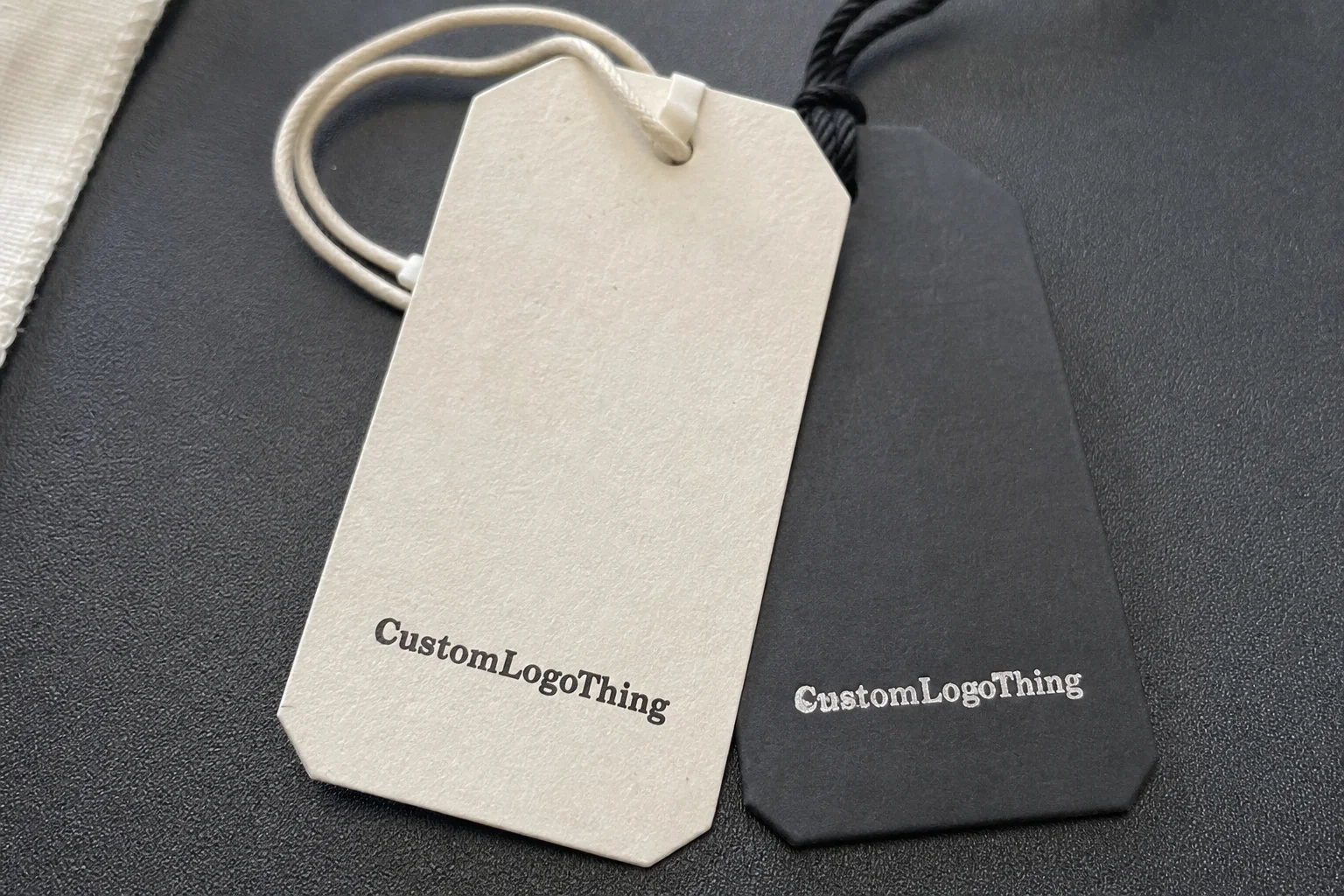
Most people still think of a swing tag as a printed card with a logo and a barcode. That is too narrow. In retail, the tag is part of the product presentation. It stands in for brand value long before someone checks the stitching or lifts the hem. If the card is flimsy, off-colour, or visually disconnected from the garment, the product can read cheaper than it is.
Private label changes that equation because the tag is no longer an afterthought. It becomes part of a repeatable brand system that can stretch across seasonal drops, core basics, outlet inventory, e-commerce packaging, and licensed collections. A well-managed apparel swing Tags Supplier Private Label setup keeps stock weight, logo treatment, barcode logic, and finish consistent while the garments themselves change from line to line.
The best tags do not try to overpower the product. A heavyweight cotton tee may need a restrained uncoated card. A tailored coat may need a denser board with foil, embossing, or a matte laminate to support the price point. The tag should match the garment promise, not compete with it. That distinction matters because customers notice when the presentation and the garment tell different stories.
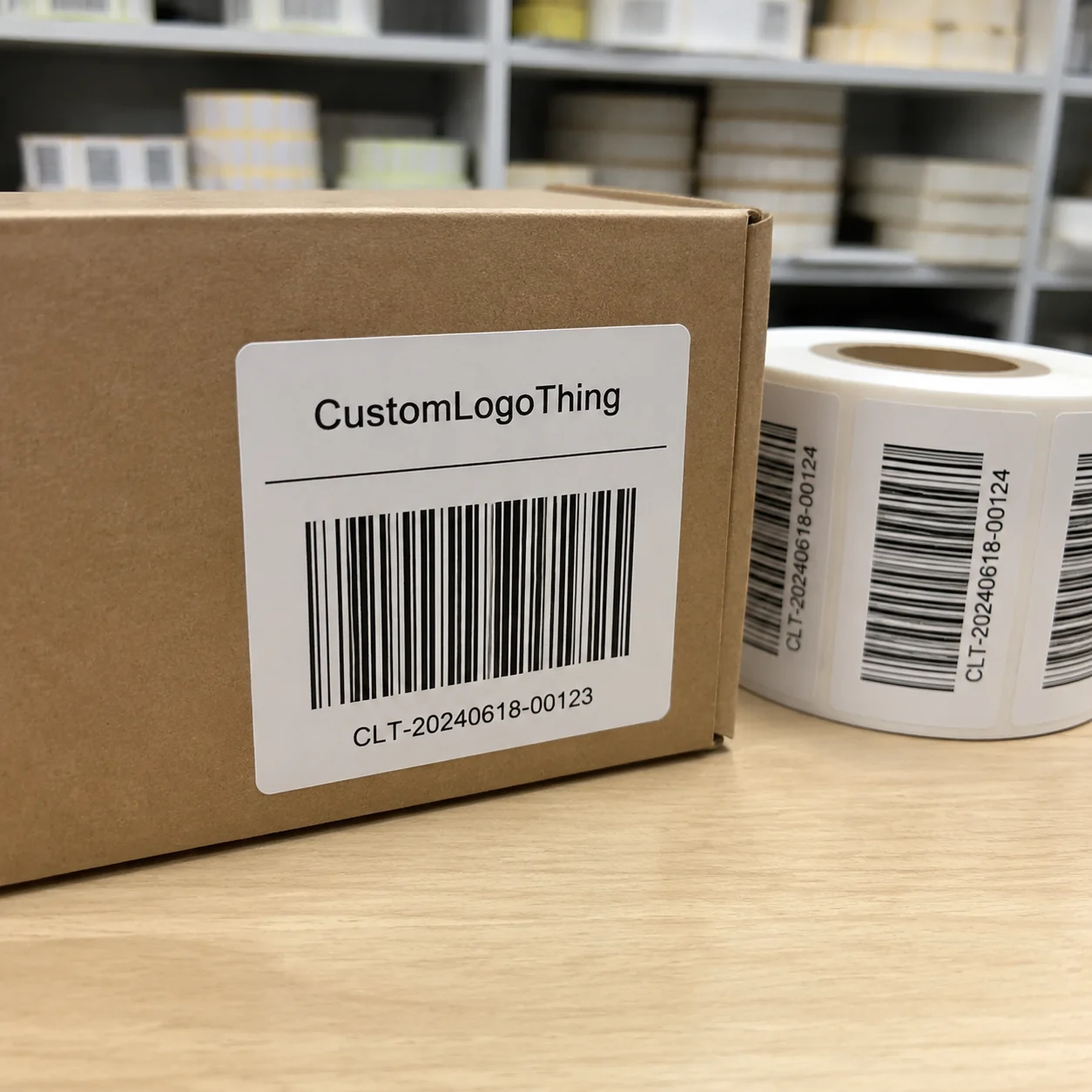
There is a practical side as well. Retail teams need barcodes that scan cleanly, SKU fields that are easy to read, and tag dimensions that work with hooks, clips, and folded packs. A supplier that understands that operational layer saves time later. The order becomes part of a system instead of a one-off print job that has to be rebuilt every season.
A swing tag should frame the garment, not fight it. If the customer understands the price, product type, and brand position in a few seconds, the tag has done its job.
How an apparel swing tags supplier private label program is built
The process usually starts with a brief, and the quality of that brief sets the pace for everything else. A supplier needs the logo files, copy, barcode data, quantity, tag size, stock preference, finish preference, attachment style, and the date the tags must arrive. With those details in place, the work moves into layout, proofing, and production planning. When the brief is incomplete, the schedule quickly fills with avoidable revisions.
A private label program is different from a single print run because it has to support structure. That structure may include multiple SKUs, recurring seasonal layouts, serialized product data, bilingual content, or combinations of retail and e-commerce packing. A capable Apparel Swing Tags Supplier private label partner should be able to keep those variables organised without forcing you to rebuild the artwork each time a new product lands.
Good suppliers also translate brand language into production decisions. A buyer may ask for a “premium feel,” but that can mean very different things depending on the garment and market. For one brand, premium may mean 400gsm board with soft-touch lamination. For another, it may mean an uncoated textured stock with restrained typography and a single foil detail. If a supplier does not ask clarifying questions, the result is often a tag that looks expensive in one area and inconsistent in another.
The tag is also a physical item that has to survive cutting, finishing, packing, shipping, and retail handling. If you need broader trim support across labels and packaging, it helps to work with a supplier that can also handle Custom Labels & Tags so the whole branding system stays aligned.
For buyers who want to sharpen their terminology before requesting quotes, packaging references such as industry packaging resources can help clarify stock types, finishing terms, and production language. That matters more than it sounds. Vague requests usually cost time, and vague requests usually get expensive in revision.
Materials, finishes, and branding details that matter
Material choice changes everything the customer can feel without thinking about it. Coated stock is the default for sharp graphics, strong contrast, and crisp photography. Uncoated stock feels softer and more natural, which suits heritage, organic, and minimal brand directions. Textured paper adds depth. Kraft stock carries an earthy, lower-gloss look that many buyers associate with honesty and less polish.
Board weight matters too. A heavier tag often feels more substantial in the hand, but thick is not automatically better. A 600gsm card on a delicate blouse can feel out of place. On a structured coat, the same card may feel balanced. The right weight depends on the garment, the hang method, and the price point. A good supplier should recommend stock by use case, not by habit.
Finishes change perception quickly. Matte lamination gives a restrained surface and photographs cleanly. Gloss creates more visual punch and brighter colour output. Soft-touch can read as premium, but it also behaves differently during packing and handling. Foil stamping, embossing, debossing, and spot UV should be used with intent. One strong detail usually does more than several competing effects.
Small production details matter more than most buyers expect. Hole diameter affects stringing. Rounded corners reduce scuffing. Cotton cord feels different from nylon loop fasteners, and both feel different from natural twine. Barcode placement needs quiet space around it so scanners can read consistently. If the code sits too close to a fold, a gloss patch, or a dark field, the tag may look finished but fail on the shop floor.
For sustainability claims, ask for documentation rather than assumptions. If a board is claimed as FSC-certified, the paperwork should be traceable. That is one of those areas where precision matters because retailers increasingly expect packaging claims to be verifiable, not decorative. The same caution applies to recycled-content claims, compostable claims, and any language that may be printed directly on the tag.
Cost, pricing, MOQ, and unit-cost tradeoffs
Pricing is driven by a few variables that are easy to list but easy to underestimate: quantity, stock, size, number of print colours, finishing steps, die complexity, stringing, and any mixed-SKU packing. A simple one-colour card on standard board prices very differently from a soft-touch, foil-stamped, custom-cut tag with cord attachment and multiple product versions.
MOQ is usually where the first surprise appears. A lower minimum order quantity sounds attractive, but the unit price rises because setup cost is spread across fewer pieces. That does not make low MOQ a bad choice. It simply means flexibility has a price. For a new collection or an untested product line, a smaller run can be the safer move. For a stable core range, larger quantities usually reduce unit cost enough to matter.
Quotes should be compared on a like-for-like basis. One supplier may include plate setup, cutting, proofing, and basic packing. Another may quote a lower headline number and then add charges for revisions, special packaging, and freight. A clear apparel swing tags Supplier Private Label quote should show what is included and what is not. If those lines are blurry, the final cost will probably be higher than expected.
| Tag Option | Typical Use | Indicative Unit Cost | Notes |
|---|---|---|---|
| Simple coated stock, one-side print | Basics, promo apparel, volume runs | $0.08-$0.16 at 5,000 pcs | Fast to produce; best when the design is clean and barcode placement is simple |
| Uncoated or textured stock, two-side print | Heritage, lifestyle, natural positioning | $0.12-$0.24 at 5,000 pcs | Better tactile feel; colour may print slightly softer than on coated stock |
| Soft-touch with foil or emboss | Premium, fashion, outerwear | $0.24-$0.48 at 5,000 pcs | Higher setup cost; stronger perceived value on the rack |
| Custom shape with stringing and mixed SKU packing | Private label programs with multiple variants | $0.30-$0.70+ at 5,000 pcs | More labour and more risk of delay if artwork is not final |
Those figures are reference points, not a universal rate card. A buyer should match the tag spec to the garment margin and the expected sell-through rate. A $0.35 tag on a $12 accessory is a very different decision from the same tag on a $140 jacket. Price architecture matters. Brand posture matters. The right answer is rarely the fanciest tag available.
Production steps and timeline from proof to delivery
The cleanest production path is simple: brief, artwork setup, digital proof, material confirmation, sample or mockup if needed, final approval, production, finishing, packing, and shipment. Each step depends on the last one being clear. If a dimension is wrong, the barcode is incomplete, or the attachment method is left vague, the schedule shifts almost immediately.
For a straightforward run with final artwork in hand, a realistic lead time is often 7 to 12 business days after proof approval, depending on quantity and finishing. A more customised program with foil, soft-touch, or assembly can move into the 12 to 18 business day range, and sometimes longer if approvals are slow. If a sample is required before production, add time for that review. The clock usually moves slower than the first estimate once revisions start.
Planning should work backward from the real deadline, not the hopeful one. If the tags must land before a buying meeting, warehouse receiving window, or seasonal ship date, build in a buffer for corrections, barcode changes, and freight delays. The gap between a controlled launch and a rushed launch is often only a few extra days on paper.
For buyers coordinating several trims at once, it is often cleaner to align swing tags with woven labels, care labels, and packaging inserts in a single schedule. That keeps receiving simpler and reduces the risk of one item arriving a week early while the rest are still in production.
Quality checks that prevent reprints
The cheapest time to fix a problem is before the run starts. Proof checks should cover size, bleed, safe margins, typography, barcode data, SKU logic, paper choice, finish, and hole position. If a tag will be folded or strung, the fold line and attachment point need to be confirmed on the proof, not assumed from the artwork file.
Scan testing deserves more attention than it gets. A barcode can look correct on screen and still fail if the contrast is weak, the quiet zone is too tight, or the finish reflects too much light. For retail programs, that is not a cosmetic issue. It affects receiving, inventory control, and checkout speed. If the supplier cannot show a scan-safe proof or a validated barcode layout, the risk moves onto the buyer.
Material samples also need context. A tag can look ideal on a desk and still feel wrong on the garment it will be attached to. Compare the sample against the fabric weight, drape, and price point. A premium finish on a basic tee can feel inflated. A basic finish on a luxury coat can feel underdeveloped. The mismatch is usually obvious once the sample is pinned or hung on the actual product.
One practical test is to check how the finished tag behaves in packing. Does the string tangle? Does the corner scuff? Does the hole tear when tugged lightly? These are small issues, but they show up fast in bulk handling. A supplier that knows the work should be able to spot them before production rather than after cartons are sealed.
Common mistakes that slow down tag orders
The most common delay is vague artwork. Missing bleed, low-resolution files, incorrect dimensions, and barcode assets that are not ready for print all slow a job down. These are not minor annoyances; they create rework. Once a proof has to be rebuilt, the calendar starts to slip.
Another problem is under-specifying the application. A tag for luxury outerwear is not the right benchmark for kidswear, basics, or promotional garments. Garment weight, retail environment, and hanging method all matter. If the application is not defined early, the supplier has to guess at the stock, finish, hole size, and attachment style. Guessing tends to produce avoidable waste.
Sampling mistakes are common as well. Buyers sometimes compare a sample without checking whether the stock weight, coating, or cut size actually matches the production spec. That can create false confidence. A tag that looks right on a desk may behave very differently once it is printed at scale, stringed, packed, and handled in transit.
Quote confusion causes its own headaches. A quote is only useful if it states what is included. Ask whether setup, revisions, packaging, and freight are part of the price. If they are not, the landed cost may be meaningfully higher than the first number suggests. A serious apparel swing tags supplier private label proposal should make scope visible without making the buyer do detective work.
Compliance details should also be confirmed early. If the tag needs fibre content, country of origin, care guidance, or retailer-specific markings, those fields belong in the proof stage. It is much cheaper to fix a file than to scrap a run because the legal copy was left until the last minute.
What to prepare before you request quotes and samples
Before asking for quotes, gather the essentials in one place: logo files, target quantity, preferred size, stock preference, finish preference, barcode requirements, attachment style, and the date the tags must be in hand. That package gives the supplier enough information to quote accurately and cuts down on back-and-forth.
Ask each supplier for a side-by-side breakdown. The useful numbers are material option, MOQ, unit cost at different quantities, turnaround time, setup charges, proofing costs, packaging charges, and freight assumptions. Once those items are visible together, the decision becomes much clearer. You are comparing actual landed cost and production fit, not just a headline price.
If the line is new, start with one hero SKU or a pilot order. That gives you a real read on print quality, barcode performance, attachment behaviour, and retail presentation before you commit to a larger program. A pilot often catches the small defects that are hard to see on screen but obvious on a finished garment.
That is the practical value of a strong apparel swing tags supplier private label relationship. The supplier is not only printing cards. They are helping you build a repeatable trim system that supports the brand, the garment, and the way your team ships and sells product. Clear specs, realistic timing, and a disciplined first run usually beat improvisation every time.
Good tags disappear into the selling process in the best possible way. They carry the facts, hold the brand line, and leave the garment to do the rest.
How do I choose an apparel swing tags supplier private label for a new clothing line?
Choose a supplier that can handle proofing, material guidance, and production planning, not just printing. Ask for sample comparisons so you can judge paper weight, finish, and colour accuracy before placing volume orders, and confirm that barcode, SKU, and packing requirements can be handled without a long revision cycle.
What MOQ should I expect from a private label swing tag supplier?
MOQ depends on size, finish, and how much setup the job requires. Simple tags can often be ordered in lower quantities than heavily finished or custom-cut tags. Ask for tiered pricing so you can see how the unit cost changes as run size increases.
Which materials work best for apparel swing tags with private label branding?
Heavier coated stock works well when you want sharp graphics and strong colour contrast. Textured or uncoated papers suit natural, premium, or heritage positioning. Choose the material based on how the tag should feel in hand, not only how it looks on screen.
How long does private label swing tag production usually take?
A simple order moves faster than a custom program with special finishes or assembly. Lead time depends on artwork readiness, proof approvals, and whether samples are required first. Build in extra time for seasonal launches so shipping delays do not affect receiving windows.
What should be included in a quote from an apparel swing tags supplier private label?
The quote should list quantity, size, stock, print method, finish, and turnaround time. It should also clarify setup fees, packaging, proofing, and freight if those are part of the order. A useful quote makes it easy to compare total landed cost, not just unit price.