Beauty Kit Void Fill Paper Bulk: Request a Quote Today
Most beauty damage starts in the empty space around the product, not in the product itself. That is why beauty kit Void Fill Paper bulk deserves a close look from packaging buyers: the carton may arrive intact on the outside while a compact, jar, or serum bottle has been shifting around inside, and one hard stretch in transit can turn a healthy order into a return. Beauty kit void fill paper bulk helps hold items steady, supports a cleaner unboxing, and gives procurement a paper-based alternative to loose plastic fillers without making pack-out more complicated.
Cosmetic sets, sampler boxes, and holiday kits usually fail for the same reason: mixed weights, extra headspace, and fragile finishes all live in the same package. A matte jar can scuff against an insert, a lip gloss sleeve can bend, and a glass dropper can crack if the kit moves hard enough. Beauty kit Void Fill Paper bulk keeps those components from colliding, which is why many buyers compare it with foam peanuts or air pillows and decide the paper option has a stronger case for both protection and presentation.
From the buyer's side, the appeal is straightforward: fewer damage claims, fewer repacks, fewer customer complaints, and less time lost to avoidable fulfillment errors. That matters more than a polished sustainability line. Beauty kit Void Fill Paper bulk works best when it solves a real operational problem first, then supports the brand story after that.
"The cheapest filler becomes expensive the moment it lets a compact rattle loose in the box."
Why beauty kit void fill paper bulk cuts breakage fast
Beauty kits are unusually sensitive to movement because they combine cosmetics, inserts, and display packaging in a compact footprint. A sampler box might include a glass serum, a lipstick, a card insert, and a small accessory. If the empty space is ignored, the whole kit becomes a moving load, and beauty kit void fill paper bulk is one of the fastest ways to stabilize that load without changing the carton size or the product mix.
The most common damage pattern is quiet rather than dramatic. It shows up as scuffed compacts, cracked jars, bent corners, and loose lids. None of those issues looks severe in isolation, yet they still create returns, replacement labor, and margin erosion. Beauty kit void fill paper bulk lowers that risk by limiting side-to-side travel and absorbing the small impacts that happen during conveyor movement, parcel sorting, and last-mile handling.
Presentation matters too, and buyers often underestimate it. Loose plastic fillers can make a kit feel cheap or messy, especially when the products already sit in a premium price band. Paper-based filler gives the pack-out a cleaner visual line. Beauty kit void fill paper bulk can make the box feel deliberate without adding friction to the process. That balance matters for DTC beauty brands, subscription kits, holiday gift bundles, and retail-ready shipments where the first unboxing moment shapes repeat purchase behavior.
Many teams start with the wrong question. They ask which void fill is cheapest per pound. The better question is which fill prevents the highest number of exceptions per thousand shipments. Beauty kit void fill paper bulk usually wins that comparison when the package includes mixed-size items, glass components, or enough unused space that product movement becomes predictable.
The business case is easy to see once a company tracks actual exceptions. If a return costs labor, replacement goods, and outbound freight, then even a small improvement in protective performance can pay back quickly. Beauty kit void fill paper bulk also keeps the warehouse floor cleaner than loose foam or mixed loose fillers, which helps maintain pack-station discipline during peak periods.
For buyers who want proof, a sample run tells the story faster than a sales pitch. Pack the same beauty kit with two different fillers, then ship a short test batch through a normal carrier lane. Measure movement, carton crush, and presentation on arrival. That is the quickest way to see whether beauty kit void fill paper bulk deserves a place in the program. I have seen teams save themselves a lot of second-guessing by doing exactly that, and frankly it cuts through the marketing haze pretty fast.
Beauty kit void fill paper bulk product details and formats
Beauty kit void fill paper bulk is not one fixed format. It usually comes in a few practical versions, each with its own handling profile. Kraft paper, recycled crinkle paper, shredded paper, and pre-expanded paper void fill all show up in beauty packaging, and each one serves a different need. The right choice depends on box size, product fragility, and how much labor the packing line can comfortably absorb.
Kraft paper tends to be the workhorse option. It folds well, builds cushion quickly, and gives packers a familiar, controlled feel. Recycled crinkle paper adds more visual volume and works well for gift-style kits, although it does not always lock products in place as tightly as dense kraft fill. Shredded paper can look decorative, but it can also create more dust and settle faster inside the carton. Pre-expanded paper void fill, by contrast, offers quicker pack-out and more consistent volume, which matters on lines that are moving fast.
There is no universal winner. A rigid skincare duo in a small carton may need compact, higher-density paper fill, while a larger holiday set can tolerate a lighter, more decorative paper format. The product mix matters more than the filler trend. If the kit includes glass, metal closures, or anything with polished surfaces, the material needs enough spring to block movement without scraping the finish. That is the real test, not how the filler looks on a sample table.
One practical detail gets missed a lot: paper filler has to be easy to grab. If the material tangles, compresses oddly, or resists separation, packers slow down and the line starts drifting. Beauty kit void fill paper bulk should support speed, not force a rethink of the whole station layout. The best formats are the ones workers can pull, place, and close in one motion without stopping to fix the load.
Another factor is how the filler behaves after compression. Some paper products spring back well after storage; others arrive a little flattened and need more handling to reach the same fill value. That is not a minor issue in bulk purchasing. If the material is inconsistent from bale to bale or carton to carton, pack-out results will wander, and the waste bin fills up faster than anyone planned.
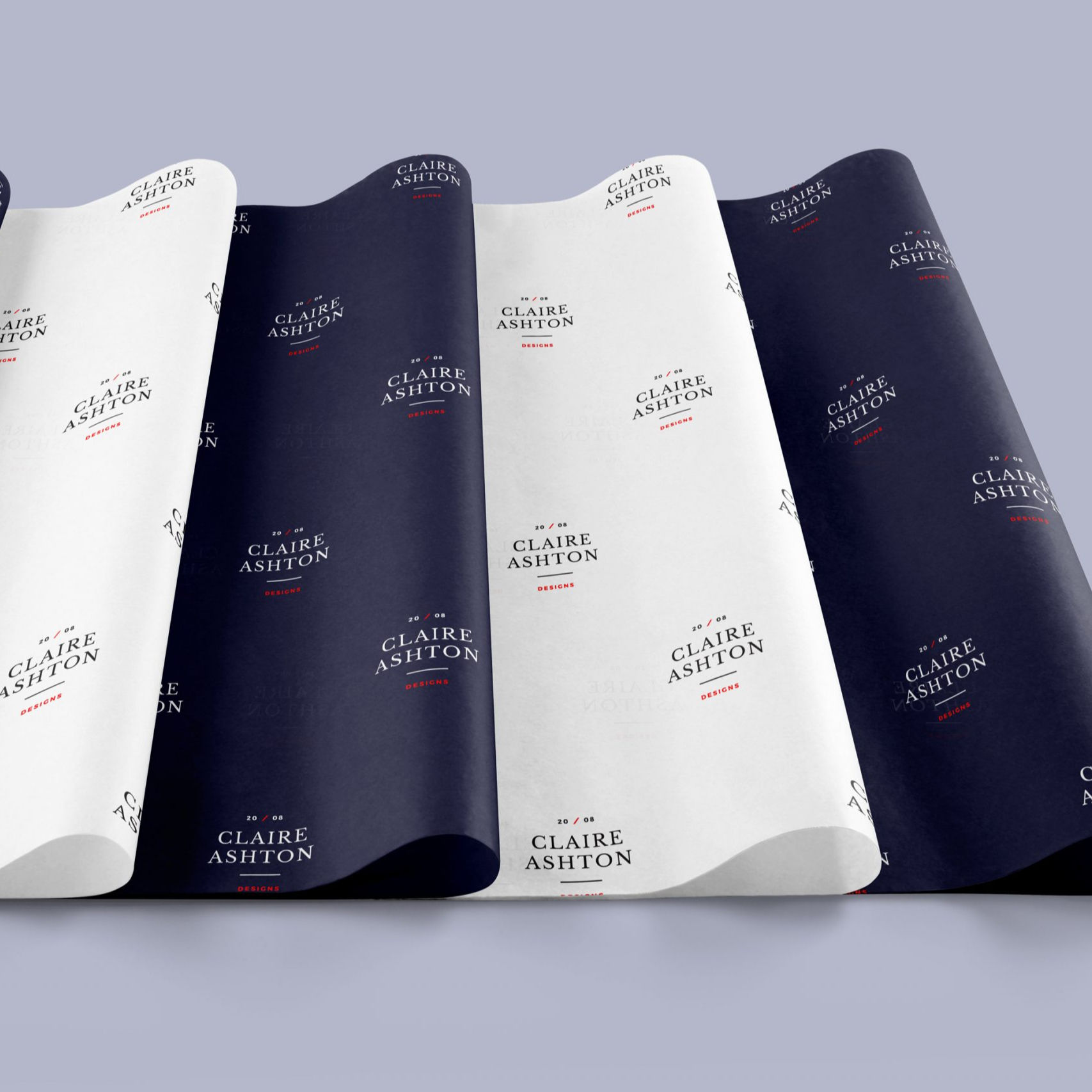
Buyers also compare visual finish. For beauty packaging, the interior matters because it sets the tone before the customer sees the products themselves. A neat, intentionally placed paper fill can feel more premium than a carton stuffed just enough to prevent movement. That does not mean every box needs to look like a gift basket. It means the void fill should support the brand's tone without pretending to be decoration first and protection second.
Beauty kit void fill paper bulk specifications to compare
Spec sheets can get noisy fast, so it helps to separate the details that affect performance from the ones that only look impressive in print. For beauty kit void fill paper bulk, the most useful specs are density, expansion profile, paper grade, recycled content, and dust generation. If a supplier cannot explain those clearly, the sample should be treated with caution.
Density controls how tightly the paper fills space and how much it resists settling during transit. Low-density material may look full on the pack bench but compress too much in a truck. Higher-density material usually holds shape better, though it can take a little more effort to dispense. Basis weight matters too, especially for kraft paper, because thin stock may tear at the edges while heavier stock can feel more stable in the hand.
Expansion profile is another practical metric. Some void fill arrives compressed and expands after feeding, while other formats are already expanded enough to use immediately. Neither approach is automatically better. The right choice depends on the line speed, available storage space, and whether the team wants a more compact incoming format or a ready-to-use material. In a tight back room, compressed bulk can be a nice win. In a high-volume setting, ready-to-use fill may be easier to manage.
Recycled content is often part of the conversation, but it should never be the only conversation. A recycled paper filler that sheds too much dust or collapses under load can create more headaches than it solves. Beauty kit void fill paper bulk should be judged on protection first, then on sourcing claims. That keeps the decision honest. A paper filler can look kinda ideal in a brochure and still miss the mark in a real pack station.
Moisture behavior deserves a mention too. Paper is not a miracle material. In a humid warehouse or a dock area with temperature swings, paper-based filler can lose some stiffness. That does not make it a bad choice, but it does mean buyers should ask how the material is packed, stored, and shipped. I have seen perfectly good packaging underperform simply because it sat too close to a damp wall. Small storage issues turn into large performance problems faster than people expect.
For teams doing formal comparison testing, a simple checklist helps:
- How much movement remains after pack-out and shake testing?
- Does the filler hold product off the carton walls?
- How much dust or debris appears during dispensing?
- Does the material recover after compression in storage?
- Can the packing team use it at the planned line speed?
Those questions reveal more than a glossy sample ever will. Beauty kit void fill paper bulk should be chosen by actual carton behavior, not by assumption.
Beauty kit void fill paper bulk pricing, MOQ, and quote terms
Bulk pricing for beauty kit void fill paper bulk usually depends on three things: format, order volume, and freight distance. Paper type also matters, especially when recycled content, specialty crinkle patterns, or custom packing configurations are involved. A supplier can quote a low unit price and still end up expensive once pallets, delivery zone, and handling charges are included. Procurement teams know that game well enough, so the cleaner move is to ask for landed cost wherever possible.
MOQ can vary more than buyers expect. Some suppliers will start with smaller pallet quantities for standard paper fill, while others want a full truckload or a minimum production run for custom formats. If the project is tied to a product launch or seasonal beauty kit, lead time and MOQ should be discussed together. Splitting those topics tends to cause trouble later.
Quote terms should be specific. Ask whether the price includes compression, pallet wrap, carton labeling, and warehouse pickup. Ask whether freight is prepaid or third-party. Ask how long the quote stays valid. Paper pricing can shift with fiber costs and transport conditions, so a quote that looks fine today may need a refresh if the order sits for a month or two. That is not unusual; it is just part of buying bulk packaging with real-world market inputs.
There is also a difference between sample pricing and production pricing. Samples help verify performance, but they rarely reflect the economics of recurring orders. A buyer who plans to use beauty kit void fill paper bulk every week should ask for a tiered quote based on annual usage, not a one-off shipment. That is how the numbers start making sense.
For a clean quote request, the buyer should share carton dimensions, kit weight, product fragility, current filler type, monthly volume, and whether the package ships direct-to-consumer or through retail distribution. Without that context, a supplier is guessing. And guessing in packaging leads to filler that is too small, too fluffy, too messy, or too expensive for the job.
If the order is tied to a launch window, say so. A supplier can sometimes adjust production scheduling or reserve stock when the timeline is real, but only if the need is clear up front. Otherwise, the default assumption is normal lead time, and that can put a beauty launch in a tight spot.
Process and lead time for beauty kit void fill paper bulk
The process usually starts with a sample review, then moves into a short pack-out test, then into order confirmation once the material behaves the way it should. That sequence sounds simple, but it saves a lot of trouble later. A buyer who skips testing often ends up revisiting the filler after the first damage report comes in. Nobody wants that shuffle in peak season.
Lead time depends on whether the paper fill is a standard item or a custom run. Standard beauty kit void fill paper bulk can move faster because the material already exists in the right format. Custom colors, special cuts, or branded packaging add time. So do large orders that need coordinated freight or special pallet counts. The cleanest planning method is to work backward from the shipping date and build in enough time for sample approval, production, and transit.
In my experience, the hidden delay is rarely the machine time. It is usually the approvals. Someone wants one more carton sample. Someone else wants a photo of the inside pack. Another person needs to compare the material against an existing SKU. All of that is understandable, but it adds up. If the team knows the launch date is fixed, those review steps should be assigned early instead of drifting into the final week.
Quality control should cover a few basic points: uniform cut, consistent fill response, proper bale or carton count, and clean appearance on arrival. If the filler arrives damaged or underfilled, pack-out performance drops right away. Beauty kit void fill paper bulk should be checked before it reaches the line, not after the first box is already closed and ready to ship.
Storage matters during the gap between delivery and use. Keep the material dry, off the floor, and away from direct moisture exposure. That sounds like warehouse common sense, and it is, but paper packaging is unforgiving when storage slips. A dry, tidy storage area preserves the spring and shape of the filler far better than a corner near the dock door. It is a small discipline that pays off every day.
Why buyers choose our beauty kit void fill paper bulk
Buyers usually settle on beauty kit void fill paper bulk after a few rounds of trial and error. They have tried loose plastic fill, paper shreds, maybe even mixed filler systems, and the result was either too messy, too expensive, or too weak under transit abuse. The paper option sticks when it proves it can do three things at once: protect the product, keep the pack line moving, and preserve the look of the kit.
That balance is not theoretical. In packout audits, the best filler is the one workers trust enough to use consistently. If the material is awkward, it gets rationed. If it sheds too much, it gets blamed. If it fills space unevenly, it gets replaced. Beauty kit void fill paper bulk earns its place when none of those complaints keep showing up. That is the practical standard, and it is usually a better test than a polished sales deck.
Many beauty buyers also want a filler that feels aligned with the rest of the package architecture. Paper sits naturally with corrugate, molded inserts, and kraft tape, so the interior package reads as intentional rather than improvised. That is a small visual detail, but it matters. A customer opening a premium skincare set should not feel like the contents were tossed into a box and padded at the last second. The fill should support the product story, not fight it.
There is also a trust element. Paper filler is familiar, easy to explain, and easier to audit than some mixed-material options. That helps teams working with retail partners or internal sustainability reviews, especially when they need a simple sourcing story backed by actual packaging performance. Still, honesty matters here: paper is not the perfect choice for every SKU, and it does not erase the need for good carton design. If the box is oversized by a mile, even the best filler will have to work harder than it should.
What buyers tend to like most is predictability. Once a paper filler is tuned to the carton, the packout behaves the same way from day to day. That consistency makes training easier and helps reduce variance across shifts. People underestimate how valuable that is until the holiday rush starts and the packing bench gets crowded. Then the difference shows up fast.
Next steps to order beauty kit void fill paper bulk
Before placing an order, lock down the carton size, kit weight, and target presentation standard. Those three inputs will tell you whether you need a denser kraft format, a more decorative crinkle option, or a faster-dispensing paper void fill. If the package includes glass or polished components, test for surface scuffing as well. A filler can pass the movement test and still mark up a premium finish, so both checks matter.
Then run a short validation batch using the actual product mix. Do not rely only on one empty-carton sample. Real kits have inserts, sleeves, closures, and odd shapes that change the way filler settles. Beauty kit void fill paper bulk should be evaluated with the full load, closed and shipped under normal carrier conditions. That is the quickest route to a decision that holds up after launch.
Finally, ask for a quote that reflects real usage. Include monthly volume, destination ZIP codes or regions, and whether the order needs staged releases. This keeps the proposal grounded in the way the operation actually runs. If the supplier can only price by the carton and not by the lane, the final number may be off enough to matter. That is where a lot of packaging budgets get quietly nicked.
The clearest takeaway is simple: choose the paper filler that proves it can stop movement, protect finishes, and keep packout easy at your actual line speed. If beauty kit void fill paper bulk does those three jobs in your test run, it belongs in the program. If it does only one of them, keep looking.
FAQs
What is beauty kit void fill paper bulk used for?
It is used to fill empty space inside beauty kits so products do not shift, scuff, or break during shipping. It is especially useful for mixed-item boxes with glass, compact cases, or loose inserts.
Is paper void fill better than plastic air pillows for beauty kits?
Not always, but paper often performs better for premium presentation and carton stability. Air pillows can work in some lighter shipments, yet they may not hold irregular beauty items in place as well as a denser paper fill.
How do I choose the right paper format?
Match the filler to the product mix. Kraft paper suits heavier or more fragile kits, crinkle paper suits gift-style presentation, and pre-expanded void fill can help on fast packing lines. The carton test tells the truth better than the spec sheet alone.
Does recycled paper filler create more dust?
It can, depending on the cut and finish. Some recycled options are very clean, while others shed more during handling. Ask for a sample and check the pack station after a short run.
What details should I include in a quote request?
Share carton dimensions, product weight, fragility level, monthly volume, storage conditions, and shipping lanes. Those details help the supplier recommend a fit that is actually usable instead of just sounding good on paper.
Can beauty kit void fill paper bulk replace custom inserts?
No, not by itself. Paper void fill supports the insert system, but it usually should not replace a well-designed internal fit for fragile or premium products. In strong packaging builds, the insert and the filler do different jobs.
Before you buy, test the filler with the actual beauty kit, not a mock-up, and check for movement, scuffing, and packout speed. That small discipline will tell you more than a stack of product claims ever will.