Custom Logo Things
Wine Club Void Fill Paper Material Guide for Buyers
Learn how the right wine club Void Fill Paper material guide choices shape protection, sustainability, cost, and fulfillment speed so you can spec with more confidence.
Wine shipments usually fail for a simple reason: the bottle had room to move before it met a hard impact. A carton can feel sturdy in hand, the outer shipper can be corrugated cardboard, and the labels can leave the pack table spotless; then a small shift in transit changes everything. That is the real reason a wine club Void Fill Paper Material guide deserves attention. It is not just about stuffing open space. It is about stopping motion, protecting glass, and giving the parcel a pack-out that looks deliberate from the first touch. For subscription sellers, the wine club void fill paper material guide also carries a brand message whether anyone labels it that way or not.
Buyers who manage wine clubs usually spot the warning signs quickly. Crushed necks. Scuffed labels. A bottle that clicks against another when the carton is tipped. A premium delivery opened to find loose filler that feels hurried instead of considered. I have stood at more than one packing table where the issue was not the carton at all, but the way the void fill collapsed after the first jostle. The value of a wine club Void Fill Paper material guide is that it turns those symptoms into a repeatable spec, not a hope that the next batch will behave better.
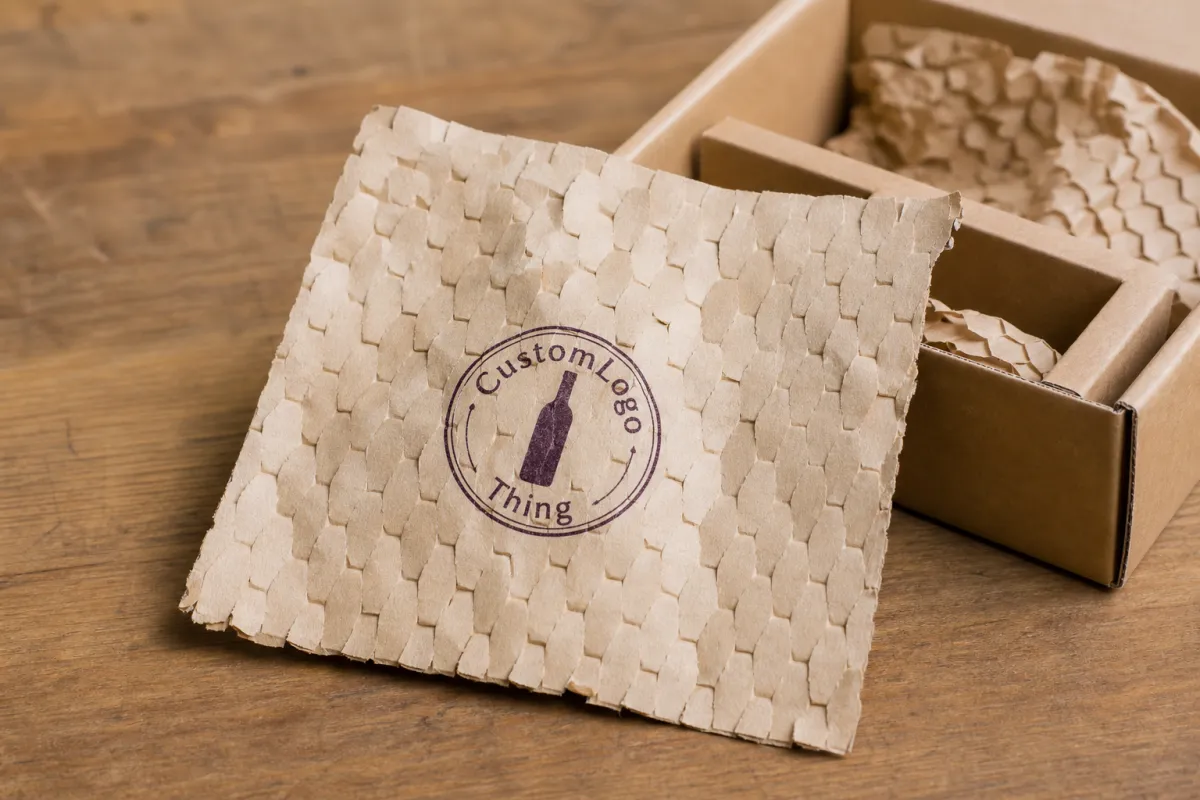
Void fill paper is a cushioning medium made from kraft paper or recycled paper grades that fills gaps, limits movement, and softens some of the shock that reaches the bottles. Used well, it works with dividers, inserts, and the shipper itself so the whole pack behaves as one unit. Used poorly, it turns a premium carton into a rattling box. This wine club void fill paper material guide focuses on the tradeoffs buyers actually live with: protection, sustainability, cost, setup speed, and fit for recurring club shipments.
Wine Club Void Fill Paper Material Guide: Why It Matters
A wine bottle does not need a dramatic drop to get damaged. A little movement, repeated long enough, often does the work. The glass slides, the shoulder rubs a divider, the neck carries more load than it should, or the carton settles and leaves empty space above the bottle. Weak fill lets that happen. Proper fill makes the bottle and the shipper act like a single, stable piece. That is the central lesson behind any wine club void fill paper material guide.
Packaging buyers often run into trouble by comparing materials as if every shipment had the same shape and weight. A three-bottle club with mixed Burgundy and Bordeaux formats behaves very differently from a six-bottle pack made up of standard Bordeaux bottles. A sparkling bottle adds weight, a magnum stretches the footprint, and both can punish weak fill much faster than a lighter bottle with a smaller profile. If the paper cannot hold compression, vibration opens the box up and the rest of the system starts working against you. A careful wine club void fill paper material guide starts with the bottle mix, not the brochure.
Recurring shipments make the details matter even more because repeatability becomes the whole game. One week the pack team is fast and tidy; the next week a new person is on the line learning by feel. Paper that is forgiving, easy to dispense, and consistent to form reduces operator variation. That consistency affects protection and economics at the same time, which is why the wine club void fill paper material guide should be treated as an operations tool rather than a one-time sourcing exercise.
Practical rule: a box that does not move is usually cheaper than a box that only looks padded. The difference shows up in reships, customer emails, and the time your team spends explaining what went wrong.
The brand side matters as well. Premium wine does not need showy packaging theater, yet it does need order. Cleanly packed void fill tells the customer the shipment was handled with care. That impression arrives before the wine is opened, which gives packaging more influence than many buyers expect. A good wine club void fill paper material guide protects the bottle first and the reputation right behind it.
Paper also gives many clubs an easier sustainability story to explain. Some teams want recycled materials, some want FSC certified options, and many want packaging that can go through normal curbside recycling if it is kept clean and dry. Paper often supports that message more naturally than air-based fillers. Even so, biodegradable packaging is not a magic label. A material can break down eventually and still be a poor shipping choice if it does not keep bottles stable. A strong wine club void fill paper material guide keeps those questions separate, because the box has to arrive intact before anyone gets to admire the sourcing story.
How the Wine Club Void Fill Paper Material Guide Works in Transit
The physics are simple, which is part of the appeal. Paper void fill works by occupying the open space around the bottles so the contents cannot gather momentum inside the shipper. If the load stays immobilized, the carton absorbs far less abuse from conveyor drops, truck vibration, and side-to-side settling. That is the practical core of the wine club void fill paper material guide: reduce movement, reduce damage.
Several paper forms are common, and they behave differently in the box. Crumpled kraft paper gives a quick, flexible cushion that can be packed by hand. Paper rolls make sense when the team needs control over volume and pack speed. Machine-dispensed paper tends to give the most consistent result in larger club programs because the operator is not estimating each wad by eye. In a wine club void fill paper material guide, those distinctions matter far more than the generic word "paper." If the wrong format is chosen, the line can still look busy while the shipper performs badly.
Compression is the hidden variable that decides whether a pack holds up. A soft fill can look generous at pack-out and still flatten once the carton is stacked or tipped. Denser forms, especially those made from stronger kraft paper, hold shape better around the shoulder and base of the bottle. That difference can separate a shipment that passes parcel handling from one that only looks secure at the warehouse table. A useful wine club void fill paper material guide pays attention to retained structure, not just volume.
Compared with bubble wrap or air pillows, paper often brings a different balance. Air-based materials can be light, but light does not always equal protective. Odd bottle shapes, heavier glass, and mixed-format club packs usually benefit from firmer support. Paper also nests well with dividers and inserts. It can sit under the bottles, between necks, around shoulders, and above the load to stop vertical shift. A good wine club void fill paper material guide should show where the paper sits, not just confirm that it exists.
Presentation plays a role too. Premium clubs are selling an experience, and a neat paper pack-out often looks more intentional than loose plastic-based filler. Customers may never know the material spec, yet they can tell when the box was packed with care. That is why the wine club void fill paper material guide belongs in the technical file and the customer-experience playbook at the same time.
For brands that care about compliance and validation, recognized methods help anchor the discussion. The ISTA standards are widely used to simulate transit hazards, giving buyers a shared language for drop, vibration, and distribution tests. That is a much better basis for decision-making than arguing about whether a carton felt secure on a table shake. A strong wine club void fill paper material guide should sit comfortably beside ISTA-style validation.
Key Factors for Choosing Wine Club Void Fill Paper Material
The first decision is the bottle profile. A Bordeaux bottle, a Burgundy bottle, a sparkling bottle, and a magnum do not ask for the same compression or the same fill pattern. Wider shoulders need tighter side support. Heavier glass needs stronger support underneath. Longer formats can create leverage in the carton if the top fill is weak. A useful wine club void fill paper material guide begins with those physical differences and builds outward.
The second decision is the shipping environment. A club shipping regionally in mild weather faces a different set of risks than one sending product across hot, humid lanes or through long parcel routes. Heat can change the feel of some paper forms, humidity can alter how kraft behaves, and long transit chains create more chances for the carton to settle. That is why the wine club void fill paper material guide should be tested in your real lanes rather than copied from a generic e-commerce shipper.
The third decision is operational fit. Manual pack stations, semi-automated lines, and high-speed dispensers all want different paper formats. A paper choice that saves a few cents per unit but slows the line by 20 seconds per order can become expensive quickly. In practice, the best wine club void fill paper material guide balances material strength with the way people actually pack under pressure. If the crew is gonna fight the filler every afternoon, the savings disappear fast.
Brand story matters too. Some wineries want a rustic, farm-forward look. Others want a polished premium presentation with minimal visible filler. Paper can support both, but the spec changes. Recycled kraft with visible fiber may suit a natural brand. A cleaner white or higher-finish paper can read more premium. If a wine club wants to highlight post-consumer waste content or FSC certified sourcing, those claims should be documented rather than implied. A responsible wine club void fill paper material guide makes room for proof.
Compatibility with the rest of the pack is just as important. If the carton uses corrugated partitions, the paper should support the divider system rather than fight it. If the bottles sit inside sleeves, the void fill should not crush those sleeves or force bottles out of alignment. When the whole system works together, you need less material to get the same result. That is why a sharp wine club void fill paper material guide always looks at the full packaging stack, not just the filler.
One more factor gets overlooked often: what happens after delivery. Buyers like paper because it feels closer to curbside-friendly packaging, and often it is, but local rules vary. The EPA recycling guidance is a useful reminder that clean, dry material gives consumers the easiest path. Sticky labels, wine residue, tape overload, and mixed materials can all change the outcome. A good wine club void fill paper material guide acknowledges that reality instead of promising universal recycling behavior.
There is also a difference between "paper" and "paper performance." A lighter sheet may look efficient on a quote and still fail once the bottles settle. A denser sheet may cost more up front and still reduce replacements, service tickets, and lost repeat orders. That tradeoff is the reason buyers keep coming back to a wine club void fill paper material guide instead of choosing filler by instinct.
Process and Timeline: How to Evaluate, Sample, and Launch
Start with a pack-out audit. Measure the carton dimensions, bottle weights, bottle mix, current damage rate, and average pack speed. Note where the current system fails: side-to-side shift, neck contact, top void, or crushed corners. A good wine club void fill paper material guide is easier to build when the problem is described in numbers instead of feelings.
Ask for samples in the exact box sizes you use. Paper that performs nicely in a catalog sample can behave differently once it is forced into your actual shipper. If the club uses a 2-bottle, 3-bottle, and 6-bottle program, test all three. If the pack includes mixed formats, test the heaviest bottle first rather than the average one. Small details like that are common reasons a wine club void fill paper material guide breaks down in the field.
Run a short line trial and watch the labor, not only the material. How many seconds does it take to form the fill? Does the operator need to compress the paper twice? Does the dispenser jam? Does the team overfill because they are nervous about damage? A wine club void fill paper material guide should include a simple pack sequence and a target fill amount, otherwise every shift invents its own version of the process.
Validation should be boring and repeatable. A practical sequence looks like this:
- Review the spec and sample one or two candidate papers.
- Pack real bottles into the real carton.
- Shake, tip, and compress the shipper by hand.
- Run a small pilot through the normal warehouse flow.
- Check for shifting, label scuffing, and carton closure issues.
- Confirm replenishment timing before the next club wave.
If the shipment profile is severe enough, add formal transit testing. Many teams use ISTA-style methods for parcel distribution, and some also look at ASTM compression behavior for shipper integrity. The point is not to collect acronyms. The point is to confirm the system survives real movement. That is why a wine club void fill paper material guide becomes stronger when it connects directly to test data.
Lead time planning is the part buyers often underestimate. A paper change can be approved in a day, but a club ship date waits for no one. If the new format requires a different roll width, a dispenser change, or palletized replenishment, build that into the timeline early. Many teams get the sample dialed in and then stall on stock planning. A wine club void fill paper material guide should show not only what to buy, but when to reorder.
One practical rhythm works well for many recurring clubs: one week for specs and sampling, one week for line trials, one cycle for pilot shipments, then rollout after the first return and damage window closes. That may sound cautious, though it is still faster than dealing with a wave of broken bottles and customer credits. A disciplined wine club void fill paper material guide pays for itself in fewer surprises.
Cost and Pricing: What Drives Wine Club Void Fill Paper Unit Cost
Price starts with the paper itself, though not only with the paper itself. Basis weight, recycled content, roll size, sheet count, and whether the format is pre-converted all affect the quote structure. A simpler sheet may look cheaper on paper. A denser or pre-engineered form may look pricier. The wine club void fill paper material guide only works financially if it compares comparable units: same carton, same bottle count, same pack time.
Labor is usually the hidden cost center. A roll that saves two cents per order but adds fifteen seconds to pack time can erase the savings quickly. A slightly higher-priced paper that dispenses cleanly can lower touch time and reduce errors. From a buyer's point of view, that is why the wine club void fill paper material guide needs a landed-cost view rather than a single line-item view.
Damage reduction matters as well. If the current system creates a few extra breakages per thousand shipments, those costs appear in replacements, customer service time, and retention risk. The cheapest filler is not always the least expensive solution. In recurring wine subscriptions, one broken bottle can trigger a refund, a support ticket, and a badly timed cancellation. A practical wine club void fill paper material guide has to account for that downstream cost.
| Paper Option | Typical Material Cost | Labor Impact | Best Fit | Notes |
|---|---|---|---|---|
| Manual crumpled kraft paper | $0.02-$0.05 per bottle | Higher | Low-volume clubs, flexible pack stations | Good for small runs, but fill consistency depends on operator skill |
| Dispenser-fed recycled kraft paper | $0.03-$0.07 per bottle | Medium | Growing clubs that need repeatable pack speed | Often a strong balance of cost, speed, and compression retention |
| Pre-converted machine paper | $0.05-$0.10 per bottle | Lower | High-volume fulfillment or tighter labor targets | Usually the easiest to standardize when the shipper volume is stable |
Those ranges are not universal, and they should not be treated like a catalog promise. They are typical planning numbers for club shipper programs, assuming standard bottle weights and normal carton sizes. Freight, storage, and minimum order quantities can move the real number. For some buyers, a lower unit cost is offset by a large minimum buy or by the need to hold extra pallets. A solid wine club void fill paper material guide should include minimums, not only unit pricing.
MOQ structure matters especially for subscription brands because inventory timing carries real weight. If you commit to a large paper buy and then change bottle formats, the inventory can turn into a burden. If you buy too little, you risk a stockout before club week. That is why the most useful wine club void fill paper material guide ties price to replenishment planning and not just to the first purchase order.
There is also a sourcing premium or discount based on recycled content and certification. Some buyers are willing to pay a small bump for FSC certified content or higher post-consumer waste percentages if the packaging story is part of the brand promise. That can be sensible, especially when the consumer-facing message matters. Even then, the wine club void fill paper material guide should keep values and function in the same frame. Paper that tells a good story but fails in transit is not a bargain.
One last cost detail deserves attention: storage. Bulk rolls or converted paper take room, and room has a price. If the warehouse is tight, a smaller footprint may be worth a slightly higher material cost. That becomes especially true during peak club periods, when staging space starts to matter as much as the paper itself. A practical wine club void fill paper material guide includes storage footprint because the box is only one part of the equation.
Step-by-Step Selection Guide for Wine Club Programs
Step 1: define the pack goal. Decide whether the main objective is pure protection, premium presentation, or a balance of both. A 2-bottle shipment to a loyal club member may tolerate a different filler feel than a 6-bottle mixed case going to a new subscriber. The right wine club void fill paper material guide starts with the shipment type and the damage tolerance, not with the supplier quote.
Step 2: match the format to the workflow. If the team packs by hand and order volume stays modest, manual crumple may be enough. If order counts spike on club week, dispenser-fed or machine-converted paper can keep pace better. This is where a good wine club void fill paper material guide saves time: it prevents the warehouse from buying a material that fits the box but not the line.
Step 3: test fill density with real bottles. Load the heaviest bottle mix you ship, close the carton, and tip it gently from side to side. Shake it enough to hear whether anything moves. If the bottles can shift, the spec is not ready. A dependable wine club void fill paper material guide should define the fill needed to stop movement when the box is handled roughly.
Step 4: compare suppliers on the same setup. Give two or three suppliers the same carton size, the same bottle mix, and the same pack-out instructions. Ask them to quote material, lead time, and replenishment terms. When everyone is tested under the same conditions, the numbers are easier to trust. That is one reason buyers rely on a wine club void fill paper material guide instead of generic sales language.
Step 5: write the rollout spec. Include fill quantity, pack sequence, QC checks, pallet counts, and reorder triggers. Add photos if the team is large or if seasonal help is common. A written spec keeps the process from drifting. Over time, that may be the most valuable part of the wine club void fill paper material guide because it keeps the system repeatable when the people change.
Step 6: set a review window. After the first club shipment, review damage claims, customer feedback, and line speed. If the carton arrives with loose paper but no movement, that may be acceptable. If the paper is overcompressed and hard to pack, you may have a labor problem. The best wine club void fill paper material guide leaves room for refinement after the real world has had its say.
Packaging works as a system, not as a single material choice. The paper, the corrugated cardboard, the dividers, the tape, the bottle mix, and the transit lane all interact. Change one, and the others may need to move with it. Buyers who treat the wine club void fill paper material guide as part of a broader packaging spec tend to get steadier results than buyers who only shop the filler line by line.
For brands that want a more formal buying process, a one-page scorecard works well. Rate each sample on fill retention, pack speed, operator comfort, appearance, and damage performance. A 1-to-5 scale is enough. If two options are close, the cheaper one is not always the better one. The stronger wine club void fill paper material guide usually wins because it is tied to measurable outcomes rather than taste alone.
Common Mistakes, Expert Tips, and Next Steps
Common mistake: overstuffing the carton. More material is not the same thing as more protection. If the paper is packed too tightly, it can create pressure points, distort bottle position, or make closure difficult. That is a sign the wine club void fill paper material guide has been driven by fear instead of testing.
Common mistake: choosing paper that is too light for the bottle weight. Light fill can look efficient in a sample photo and still fail once the carton is handled roughly. Heavy glass needs enough structure to keep the load in place. That is why the best wine club void fill paper material guide tests the heaviest bottle, not the average one.
Common mistake: ignoring storage conditions. Paper stored in damp areas or near dust can pack inconsistently, and operators notice that immediately. Clean, dry storage keeps the material predictable and the line less frustrating. If you want curbside-friendly behavior after delivery, the same rule helps there too: paper kept clean is easier to recycle. That is a simple but important detail in any wine club void fill paper material guide.
Expert tip: build a one-page QC sheet. Confirm bottle position, top fill, side fill, carton closure, and label visibility before the box leaves the floor. A short checklist is faster than a long debate after a damaged shipment. The most useful wine club void fill paper material guide is usually the one people actually use.
Expert tip: align sustainability claims with proof. If the paper is FSC certified, say so only if chain-of-custody documents are in place. If it contains post-consumer waste, record the percentage. If the brand wants to position the system as biodegradable packaging, be precise about what that means in your market and what local recycling instructions say. A careful wine club void fill paper material guide avoids vague claims that can backfire later.
Expert tip: brief suppliers with real packaging photos and failure samples. A picture of a crushed bottle or scuffed label is more useful than a generic request for "more padding." Suppliers can tune the paper grade, the roll format, or the conversion style much faster when they see the actual failure mode. That practical exchange is exactly why the wine club void fill paper material guide should be shared with procurement, fulfillment, and customer service together.
Next steps should stay simple. Pull one current shipment apart and measure the voids. Ask two suppliers for samples in the exact box sizes you use. Run a pilot on the heaviest bottle mix. Compare damage, labor, and customer presentation side by side. Then lock the spec. The wine club void fill paper material guide is most valuable when it ends with a decision, not a stack of samples.
If you are building or refreshing a club shipper program, the smartest move is not chasing the lowest paper price. It is choosing the fill that keeps the bottle stable, the line moving, and the customer experience clean. That is the real promise of the wine club void fill paper material guide: fewer surprises, fewer claims, and a shipping system that behaves the way your brand says it should. The practical takeaway is straightforward: test the heaviest bottle in the real carton, write down the exact fill amount that stops movement, and lock that spec before the next club wave hits.
What is the best wine club void fill paper material for heavier bottles?
Choose a denser kraft or machine-dispensed paper that holds compression around the shoulders and base of the bottle. Test with the heaviest bottle in your club, not the average bottle, so the spec is built for the worst-case load. If the bottle can move when the carton is tipped, increase fill density before comparing suppliers. That is the safest way to apply the wine club void fill paper material guide in a mixed-format club.
How much wine club void fill paper do I need per shipment?
Start with real pack-out tests and record the amount needed to stop side-to-side and vertical movement. Use box size, bottle count, and bottle shape as the baseline, then adjust for heavier or oddly shaped bottles. Write the amount into a packaging spec so operators are not guessing during peak ship weeks. The wine club void fill paper material guide works best when it turns that amount into a repeatable instruction.
Is wine club void fill paper cheaper than bubble wrap or air pillows?
Compare landed cost, not just material price, because labor and damage rates often decide the real winner. Paper can be more cost-effective when it speeds packing and reduces recycling complaints from customers. Air-based materials may look cheaper upfront, but they can lose value if they underperform with glass. A good wine club void fill paper material guide compares all three pieces at once: material, labor, and breakage risk.
How long does it take to switch to a new wine club void fill paper setup?
A basic switch can move quickly if your boxes are standard and the paper format matches existing pack flow. Plan time for sample testing, a line trial, and a pilot shipment before a full rollout. Lead time usually depends more on approval and replenishment planning than on the paper itself. That is another reason the wine club void fill paper material guide should include a timeline, not just a material choice.
Can wine club void fill paper material be recycled everywhere?
Not always; recycling rules vary by city and contamination rules. Dry, clean paper is the easiest to recycle, so storage and handling matter. Avoid coatings and mixed-material designs if curbside recyclability is a core buying requirement. A realistic wine club void fill paper material guide should reflect local recycling behavior instead of assuming every municipality works the same way.