Toy Retailer Void Fill Paper Unit Cost for Bulk Orders
toy retailer Void Fill Paper unit cost looks small on a quote, then starts to matter the minute cartons show up with crushed corners, rubbed graphics, or a product that has slid just enough to need repacking. A cheap roll can feel like the safe choice on paper, but once labor, claims, and customer service headaches get counted, it is kinda amazing how fast the “lowest price” turns into the priciest option in the room.
That pressure shows up quickly in toy shipping. Mixed-SKU cartons, seasonal spikes, and gift-ready packing all ask more from void fill than a simple line item can explain. A practical toy retailer Void Fill Paper unit cost review looks at usable fill per carton, packer speed, freight on the finished order, and how often the material forces rework at the bench.
At Custom Logo Things, the goal stays simple: help you choose a paper spec that protects product, feeds cleanly, and keeps total landed cost honest. A roll that saves a few cents on purchase but slows the line or raises damage rates is not the lower-cost answer. The sections below break down grades, specifications, bulk-order economics, and the details that make a quote easier to compare.
Toy Retailer Void Fill Paper Unit Cost: Why Damage Claims Matter
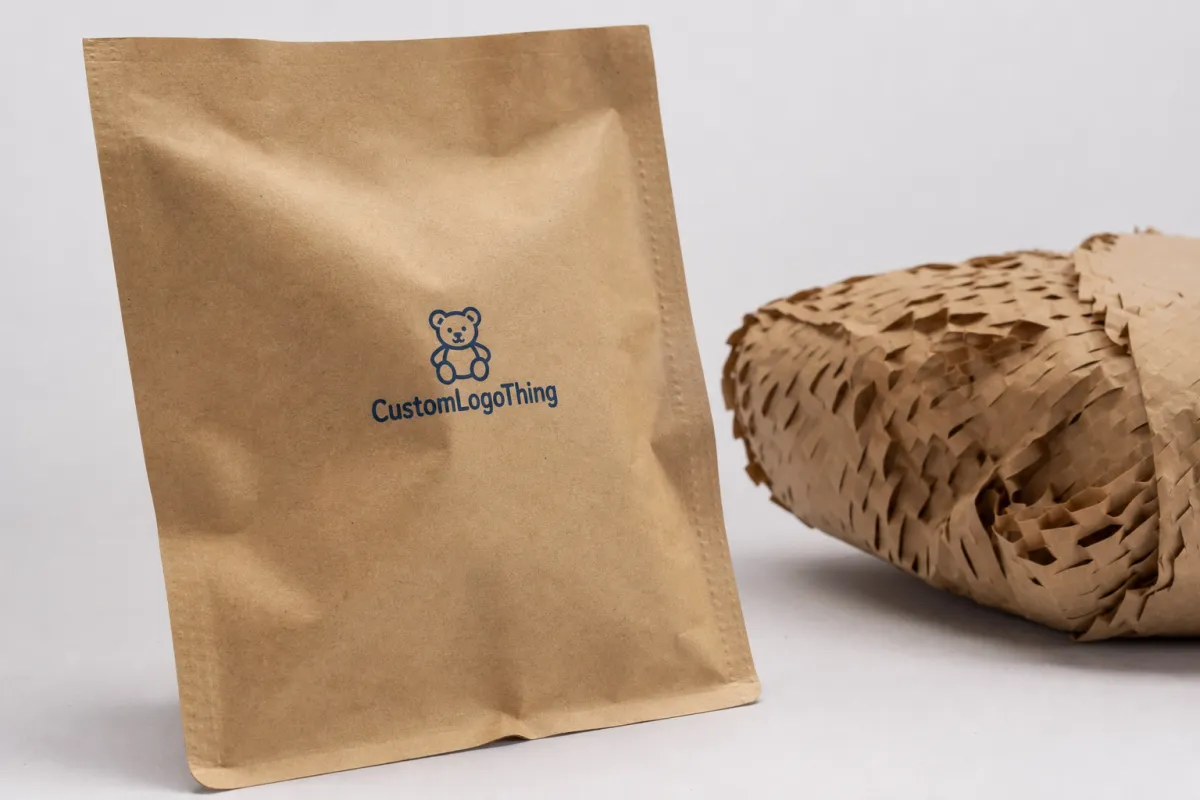
toy retailer void fill paper unit cost should be measured against the cost of a successful shipment, not the cost of a roll sitting in receiving. Narrow unit pricing can hide the real drain: longer pack times, flap damage, repacks, and the steady slowdown that appears when fill material behaves differently from one shift to the next.
Toys make that problem more visible than many other categories. Printed cartons scuff quickly, window boxes crush when voids stay open, and shaped gift sets can shift in transit unless the fill locks them in place. I have seen a slightly higher toy retailer void fill paper unit cost pay for itself because it cut customer service calls and replacement shipments; one damaged order can wipe out the savings from a cheaper roll before lunch.
A packaging buyer should compare usable fill per carton, not roll price alone. One paper may cost less per roll and still require more sheets to create the same cushion. Another grade may look expensive up front and still win overall because it expands better, springs back better, and needs less handling at the bench. That is why the best toy retailer void fill paper unit cost is the one that fits carton profile, labor rate, and the damage level your operation can live with.
A roll that looks cheap on paper can become the most expensive item in the packing room if it feeds badly, overfills boxes, or leaves too much movement for transit.
Seasonal peaks make the choice sharper. During high-volume toy shipping periods, an inconsistent paper spec can slow the line, force temporary labor, and push teams toward rushed substitutions that do not hold up once the cartons leave the building. The right way to think about toy retailer void fill paper unit cost is as a system number, not a product number, because the material only saves money when it performs well from the first box to the last.
Toy Retailer Void Fill Paper Unit Cost: Paper Grades and Yield
Paper grade changes the economics more than many buyers expect. A recycled kraft sheet with moderate loft may cost less per roll, but if it compresses too quickly, the packer has to use more of it to keep the toy carton stable. A higher-loft grade can cost more at purchase and still improve toy retailer void fill paper unit cost because each carton uses fewer pulls, fewer hand motions, and less overstuffing.
Yield is the key word. Width, roll length, caliper, and crumple behavior all shape how much void fill a packer actually gets from each unit. A 15-inch roll and an 18-inch roll may sit close on price, yet if your box mix is irregular and the team has to chase corners and top voids, the wider roll may pack faster and waste less. That kind of detail moves toy retailer void fill paper unit cost in a real operation.
Consistency across shifts matters just as much. A paper that behaves the same from pallet one to pallet ten trims training time because packers do not have to guess how much to use. Stable behavior keeps the fill pattern tighter, which means fewer “just add a little more” moments that quietly push usage higher. For a retailer trying to control toy retailer void fill paper unit cost, stable yield usually matters more than a rock-bottom purchase price.
Toy shipments rarely fit a universal spec. Plush items, board games, action figures in printed cartons, and bundled gift sets do not need the same fill behavior. A carton that only needs corner support can be overpacked if you choose a dense, high-volume paper, while a larger mixed-SKU box may need a stronger sheet that holds shape during long parcel routes. The right toy retailer void fill paper unit cost comes from matching grade to box size, product weight, and fragility level.
Paper Specifications for Toy Shipments
Before a buyer can compare toy retailer void fill paper unit cost, the paper spec has to be clear. The main details to review are basis weight, width, roll diameter, core size, tensile strength, and recycled content. Those numbers tell you whether the paper will fit the dispenser, how it will feed, and how much structure it adds once it is crumpled inside the carton.
Basis weight is especially useful because it gives a feel for the material without guesswork. A lighter sheet can work well for lower-risk products and tighter budgets, while a heavier sheet can protect display boxes and gift-ready packaging better. If the paper is too light, the packer may use more of it and erase the savings in toy retailer void fill paper unit cost. If it is too heavy, you may pay for protection you do not need.
Dispenser choice also changes the math. Hand-fed use works for low volume or short runs, but higher order counts usually benefit from a bench dispenser or a semi-automated fill system that keeps feed consistent. That choice affects both labor and material use, so a correct toy retailer void fill paper unit cost calculation should include the device the line actually uses. A paper that runs smoothly in a dispenser can save more in packing speed than a cheaper roll ever could.
Toy cartons need enough cushion to prevent movement without making the package feel overstuffed. That balance gets harder with irregular shapes like craft kits, building sets, and seasonal gift bundles. A practical way to sort the options is to map the spec to the job it has to do:
- Hand packing: moderate loft, easy tear, and clean crumple behavior for smaller runs.
- Bench dispensers: consistent width and roll tension for steady output at higher volume.
- Long parcel routes: stronger sheet structure that keeps void fill in place through handling.
- Mixed-SKU cartons: wider rolls or higher-yield grades that cover uneven spaces more efficiently.
Storage and handling are easy to miss, yet dry paper performs better and feeds cleaner. Keep rolls wrapped, keep them off the floor, and avoid damp receiving areas. Moisture changes crumple response, and once the material starts feeding inconsistently, toy retailer void fill paper unit cost rises because operators compensate by using more paper. For sourcing tied to sustainability or chain-of-custody requirements, it helps to review references from ISTA and FSC before locking a spec.
Pricing, MOQ, and Unit Cost Breakpoints
The most useful price is not the unit price on the quote. It is the delivered price divided by the number of cartons the paper will actually support. That is the cleanest way to judge toy retailer void fill paper unit cost across different grades, because freight, pallet count, and usage rate all shape the final number.
MOQ changes the picture fast. Stock paper often comes with a lower MOQ, sometimes a pallet or two, while custom widths, special roll lengths, or branded packaging usually require larger commitments. If the supplier has to slit a nonstandard width or change the roll configuration, setup charges can appear, and tooling fees may be added for custom conversion work. Those charges are not always large, but they matter when the buyer is trying to hold down toy retailer void fill paper unit cost on a bulk order.
Bulk pricing usually improves at pallet or truckload levels because the supplier can run longer production sequences and spread freight more efficiently. That is why one quote can look only slightly better than another until you compare landed cost. A pallet discount can be real, but only if it does not create waste, overfill, or a paper grade that slows packing. The best toy retailer void fill paper unit cost breakpoint lowers total spend without forcing extra labor or more claims.
| Paper Spec | Common MOQ | Typical Delivered Roll Price | Estimated Cartons Per Roll | Approx. Cost Per Carton | Best Fit |
|---|---|---|---|---|---|
| 15-inch recycled kraft, standard loft | 24-48 rolls | $18-$24 | 300-450 | $0.04-$0.08 | Light toy cartons and lower-risk shipments |
| 18-inch recycled kraft, balanced loft | 48 rolls | $22-$32 | 350-550 | $0.04-$0.09 | General retail packing and mixed-SKU boxes |
| 18-inch premium high-loft paper | 72 rolls | $28-$42 | 400-650 | $0.05-$0.10 | Fragile cartons, gift sets, and longer transit lanes |
| 20-inch heavy-duty recycled paper | 72 rolls to truckload | $30-$46 | 450-700 | $0.05-$0.11 | Large boxes, awkward shapes, and high-compression voids |
Here is the kind of calculation that makes the decision easier. If a pallet costs $1,248 delivered and the paper reliably fills 420 cartons, the paper-only toy retailer void fill paper unit cost is about $0.07 per carton before labor. If a higher-loft roll costs more but cuts fill time enough to save 20 to 30 seconds per carton, the total cost can still come out lower. That is why paper price, labor, and damage rate belong in the same comparison instead of separate conversations.
One more buying threshold deserves attention: freight class and pallet density. A supplier quote that looks competitive on the paper itself can still lose if the rolls ship inefficiently or the pallet count pushes the order into a more expensive delivery pattern. In those cases, the landed toy retailer void fill paper unit cost may jump even though the invoice price looks fine. Ask for breakpoints at one pallet, several pallets, and truckload volume so you can see where the economics actually improve.
Process and Timeline for Bulk Orders
A good ordering process starts with the carton, not the paper. The supplier needs average box dimensions, fill target, shipment volume, and product fragility before a useful recommendation can be made. Share that information up front, and the quote for toy retailer void fill paper unit cost becomes easier to compare because the vendor can estimate yield instead of guessing.
The fastest buyers usually send five pieces of information together: carton dimensions, average toy weights, current damage or repack data, dispenser type, and any recycled-content requirement. That gives the converter enough context to suggest a spec that will actually run on the line. It also cuts back-and-forth on setup charges, since custom widths, roll lengths, and core sizes can be reviewed in one pass. Better input usually means a cleaner toy retailer void fill paper unit cost comparison.
For planning, it helps to break the timeline into checkpoints. Sample creation and review come first, then order approval, then production, then freight booking. If the spec is stock and the roll width already exists, lead times are often shorter. If the order needs a custom slit width or a special pack configuration, build in more time so the line is not waiting on a critical component. That matters during seasonal toy peaks, where a delayed toy retailer void fill paper unit cost decision can force rushed freight or a temporary substitute.
Repeat orders move faster because the spec is already locked. If artwork is not changing, the core size is fixed, and the pack-line setup stays the same, production can usually move without the extra trial steps that slow down first-time orders. Buyers do well to document the exact roll width, paper grade, pallet count, and approved dispenser behavior. A clean record keeps future toy retailer void fill paper unit cost comparisons honest, because you are comparing the same material behavior instead of a moving target.
Why Choose Us for Retail-Ready Void Fill
Custom Logo Things focuses on practical manufacturing discipline, not inflated claims. Consistent widths, dependable roll quality, and repeatable feed behavior matter because they keep the packing room steady from shift to shift. That consistency gives a buyer more confidence in toy retailer void fill paper unit cost, since the real savings only show up when the material performs the same way every time it is pulled from the roll.
The goal is not to overspec paper that adds cost without adding value. A toy retailer does not need the heaviest paper on the market for every shipment; it needs the right paper for the box, the product, and the transit lane. A careful toy retailer void fill paper unit cost review helps here, because the best spec is the one that protects product without making the carton feel overpacked or the line feel slowed down.
Support matters too. Buyers often need help turning box data into a usable estimate, and that is where a packaging partner should stay practical. We can help you think through fill targets, expected yield, and the difference between a nominal roll price and a real delivered number. A good toy retailer void fill paper unit cost conversation should leave you with a clearer comparison, not more confusion.
Sustainable packaging fit is another real advantage. Many retailers want recycled options, and many consumers notice whether the fill material feels like part of the product experience or just waste. Recycled paper choices, documented sourcing, and specs that align with retailer expectations all help here. None of that replaces performance, though. The paper still has to protect the shipment, and that is why toy retailer void fill paper unit cost should always be judged alongside protection, feedability, and customer experience.
In a retail shipping operation, the best packaging is the one that quietly does its job: stable cartons, clean pack-outs, and fewer reasons to reopen the box.
Next Steps: Quote, Sample, and Compare Results
Before you request pricing, gather the numbers that actually shape toy retailer void fill paper unit cost: carton dimensions, average toy weights, monthly volume, current damage or repack data, and the fill method you use now. With those details, the quote will reflect your operation instead of a generic assumption about how much paper a box might need.
Then compare two or three paper specs side by side. That comparison should include roll price, expected yield, freight, MOQ, and any setup charges tied to a custom width or special roll configuration. If one option looks cheaper on invoice but uses more material or slows the pack line, the toy retailer void fill paper unit cost can end up higher after a month of real shipping.
A sample run on the actual packing line is worth the time. Paper can look fine on a quote and still feed differently in the hands of your team, especially if the dispenser, operator technique, or carton mix is unusual. A short test gives practical proof of protection, feed behavior, and packer preference before a larger order goes out. That is usually the cleanest way to validate toy retailer void fill paper unit cost without betting a whole season on guesswork.
A simple decision path keeps the buying process efficient: Request a Quote, verify MOQ, confirm lead time, approve a sample, and release the spec that gives the best landed cost. If the paper protects the product, feeds smoothly, and keeps the line moving, the number is probably right. If not, the lowest quoted price is only a distraction, and the real toy retailer void fill paper unit cost still needs work.
How do I calculate toy retailer void fill paper unit cost per carton?
Start with delivered paper cost, then divide by the number of cartons you expect to pack from that unit based on average fill need. Include waste, overfill, and setup loss so the number reflects real packing conditions rather than ideal lab math. If the paper grade changes labor time, fold that into the comparison too, because a faster fill can lower total cost even if the roll price is higher.
Which paper spec lowers toy retailer void fill paper unit cost without hurting protection?
The best spec is usually the lightest or narrowest paper that still holds the toy box in place and prevents shifting during transit. Match the grade to carton size and product fragility, because overbuilt paper adds cost with little return in protection. Test yield and feedability together so you do not trade material savings for slower packing.
What MOQ should I expect for toy retailer void fill paper?
Stock paper often has lower MOQ, while custom widths, roll lengths, or branded options usually require larger quantities. Freight can influence the practical MOQ, since pallet or truckload buys often deliver a better landed unit cost. Ask for breakpoints so you can see how pricing changes at each order level and where the order becomes most efficient.
Does cheaper void fill paper really save money for toy retailers?
Not always, because cheaper paper can create higher damage rates, slower packing, or inconsistent fill that costs more overall. Compare total landed cost against your current return, repack, and freight data to see the real savings. A lower roll price only helps if the paper still protects products and keeps the line moving.
How fast can I get a quote and sample for toy retailer void fill paper?
A complete quote is usually faster when you provide carton dimensions, target use, volume, and any recycled-content requirement up front. Sample timing depends on whether you need stock material or a custom spec, plus how quickly you can review and approve the sample. Once the spec is set, production timing is mainly driven by order size, plant schedule, and freight booking.
For toy buyers comparing options, toy retailer void fill paper unit cost should always be measured against carton protection, labor, freight, and the reality of bulk ordering. That is the clearest way to pick a paper that actually lowers total spend instead of just looking cheap on the quote.


