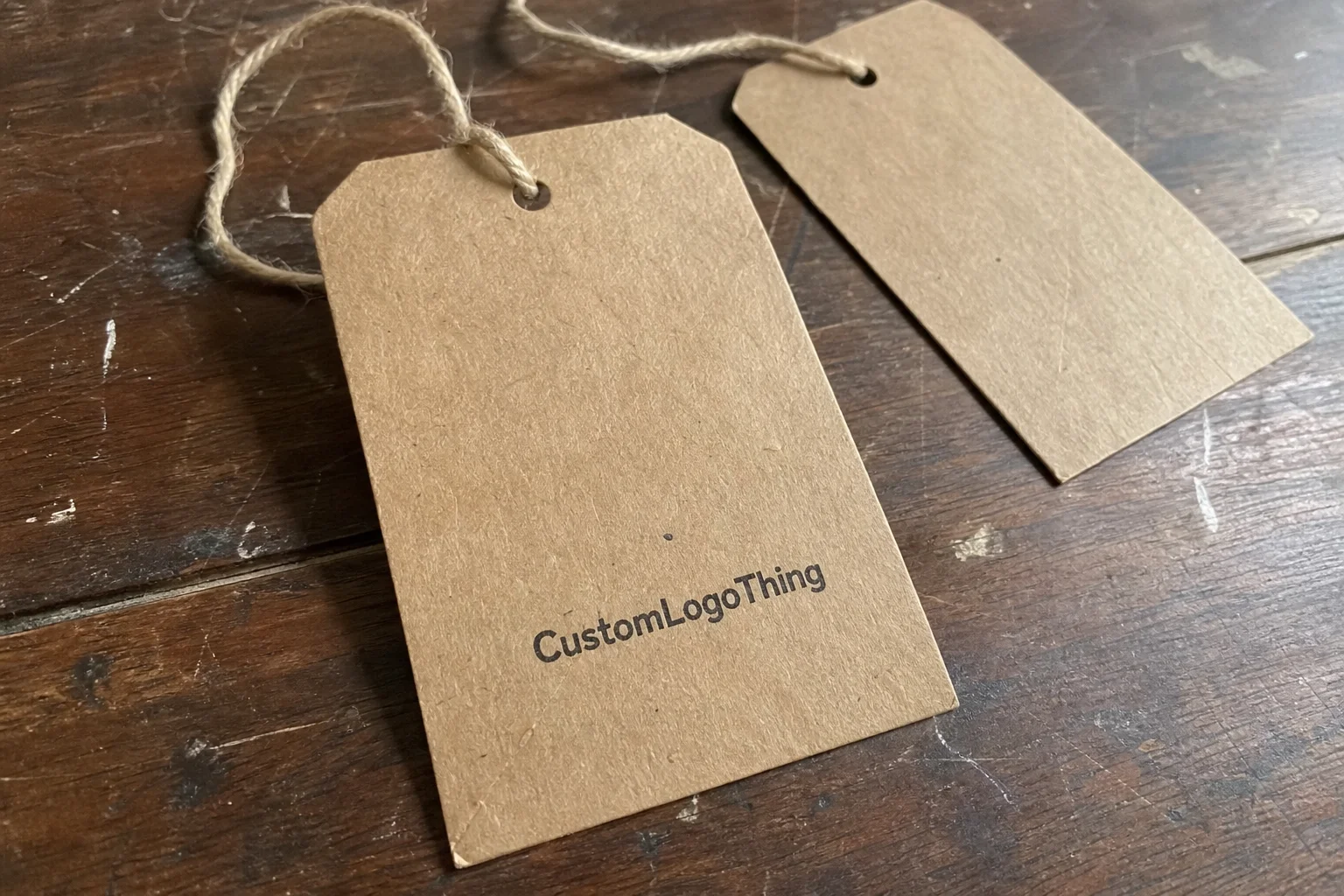
The beauty Recycled Poly Mailers Material Sample guide matters because recycled-content claims do not tell you how a mailer actually behaves. Two bags can both say “recycled” and still feel completely different in hand. One is crisp, quiet, and secure. The other looks fine on a quote sheet and starts failing the minute a fulfillment team touches it five times in a row.
Beauty packaging is picky. Skincare teams care about the seal. Cosmetic teams care about print sharpness and color. Operations cares about whether the bag opens cleanly, tears too early, or slows the packing line. A PDF can’t tell you that. A physical sample can.
If you are comparing Custom Poly Mailers or a broader mix of Custom Packaging Products, the sample is where the real decision starts. It shows the hand feel, the closure, the opacity, and the print quality before any production money is locked in. That is a lot cheaper than finding out after the first shipment goes out.
Beauty Recycled Poly Mailers Material Sample Basics That Actually Matter
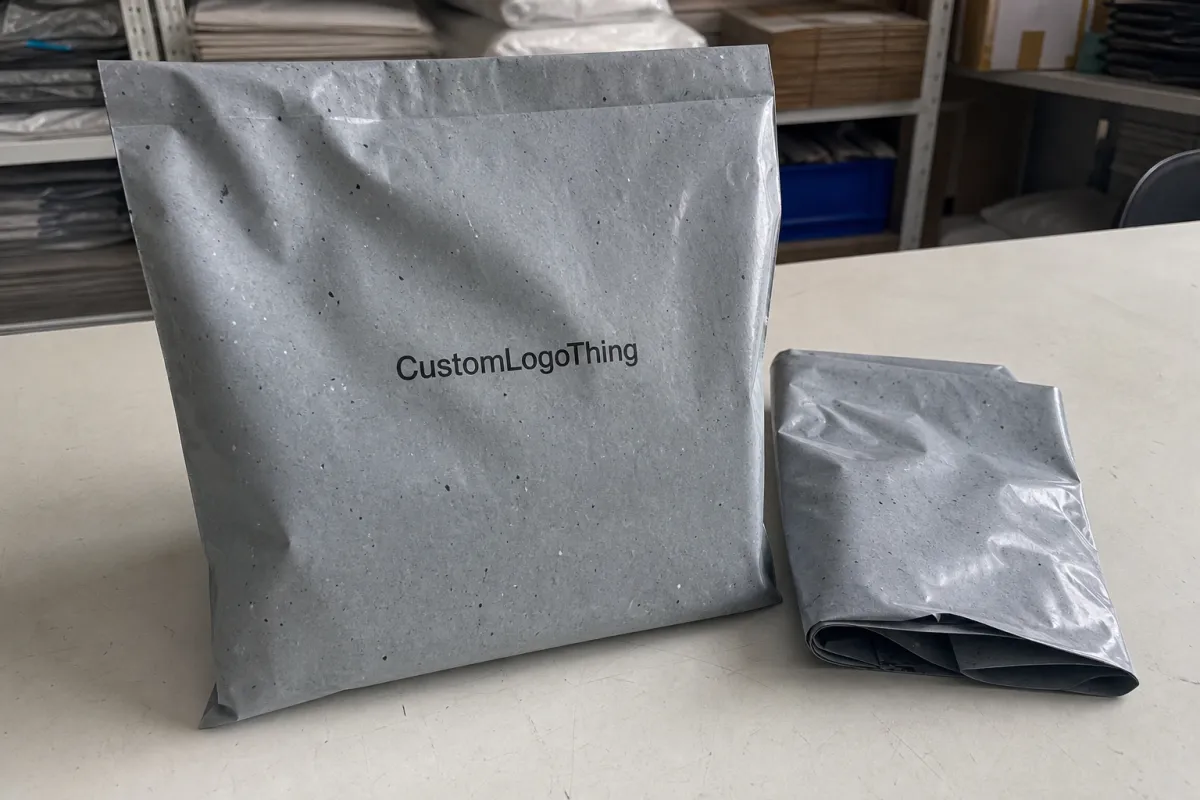
A material sample is not just a random swatch. It is either a film sample or a finished mailer that lets you check the parts that affect the order: film feel, opacity, seal strength, surface finish, and the recycled-content story behind the bag. That matters because recycled materials are not one neat category. A supplier may use post-consumer waste in one blend, post-industrial waste in another, or a mix of both. The claims sound similar. The results often do not.
Beauty brands usually care most about three things: appearance, protection, and packing speed. A premium skincare set can tolerate a softer matte bag if the print looks clean and the seal holds. A heavy kit with glass jars or multipiece inserts needs a thicker film and stronger welds. A subscription brand mailing hundreds of units a day needs a mailer that opens fast and closes consistently without staff having to fight it.
That is why the right sample depends on the product, not just the brand. A 2.5 mil bag may work well for lightweight flat packs, sachets, or folded apparel add-ons. A 3 mil to 4 mil film usually makes more sense for heavier beauty sets, boxed kits, or parcels with sharp corners. Go thinner and you may save pennies. Go too thin and the savings disappear into damage, rework, and replacement cost.
Sample evaluation is also where you catch supplier behavior. A careful vendor sends the actual size, closure style, and finish you asked for. A careless one sends something “close enough.” That is a bad habit, not a minor miss. If the sample does not match the spec sheet, the production order is already at risk.
For beauty teams, I usually treat the sample as proof of three things: that the film is suitable for the product, that the print can carry the brand without looking cheap, and that the supplier understands the level of consistency the category needs. If a bag feels flimsy empty, it will not suddenly feel premium once a serum set goes inside. It will feel worse.
How the Sample Reveals Film, Seal, and Print Performance
The first thing to check is the film itself. Recycled Poly Mailers can vary in thickness, stretch, stiffness, noise, and gloss. A quieter film often feels more premium. A stiffer film may hold shape better, but it can also feel less refined. That tradeoff shows up quickly in a sample, which is why the hand test still matters. No spreadsheet can tell you whether the bag feels sharp or cheap.
Next, test the seal. Open and close the adhesive strip several times. Look at the liner peel. Check whether the adhesive grabs quickly or needs pressure and patience. Then press the flap down and leave the bag alone for a few minutes. If the seal curls back or loses bite, that is not a “maybe.” That is a problem.
Side seals and bottom welds deserve their own check. Hold the bag up to light if needed and look for uneven edges, thin spots, or weak corners. Those defects tend to show early on a sample. If they are not visible on the sample, they still might appear in production if the factory is rushing, but at least you have a baseline to challenge against.
Print quality matters more in beauty than in many other categories because packaging is part of the product story. Check registration, image sharpness, and how white ink sits on the film. On matte finishes, inspect scuff resistance. On gloss finishes, check fingerprints and glare. Some artwork looks expensive in a mockup and flat on a bag because the ink density was never strong enough to begin with. That is a common disappointment and an avoidable one.
I also recommend checking the bag under the kind of light your warehouse or packing station actually uses. Bright office lighting can flatter almost any sample. Harsh fluorescent light can expose every weak edge and every muddy color shift. The same goes for handling. Shake the sample, stack it with other parcels, and rub the surface lightly against cardboard. Beauty mailers get handled by tired people on fast lines, not by designers wearing cotton gloves.
A sample that looks polished on a desk can still fail in a tote, on a conveyor, or after a warm truck ride.
If your team needs a more formal reference for shipping abuse, ISTA standards from ISTA are a useful benchmark. And if recycled-content language is part of the sales story, the EPA’s materials guidance at EPA sustainable materials is a practical reminder that material claims need definition, not hand-waving. “Recycled” is not precise enough by itself.
Cost, MOQ, and Quote Drivers for Recycled Mailers
Pricing on recycled mailers usually comes down to five variables: bag size, film thickness, recycled content percentage, print coverage, and closure style. Add custom color work or specialty finishes and the quote moves again. A plain stock-style sample is usually cheaper than a fully printed custom version because the factory is doing less setup and less color control.
Sample cost and production cost are not the same thing. People still mix them up, which causes unnecessary friction later. A supplier may charge for a sample and credit it back on the order. Another may treat the sample as a separate cost. Both are normal. What matters is whether the quote spells out what is included, what triggers a revision fee, and whether freight is part of the number or lurking in a separate line item.
| Option | Typical Sample Cost | Typical Production Range | Best For | Main Watchout |
|---|---|---|---|---|
| Stock-style recycled mailer sample | $15-$40 plus shipping | $0.18-$0.30 per unit at 5,000 pieces | Basic material feel and closure testing | May not match your final print or exact size |
| Custom printed sample | $40-$120 plus shipping | $0.24-$0.42 per unit at 5,000 pieces | Beauty branding, color checks, and finish approval | Artwork revisions can add time and fees |
| Lower-MOQ custom run | Usually bundled with setup | $0.30-$0.55 per unit at 1,000-3,000 pieces | Launches, testing, and seasonal campaigns | Unit cost climbs fast at small volumes |
| Heavier premium recycled film | $50-$150 plus shipping | $0.35-$0.65 per unit depending on print | Premium kits, heavier SKUs, or rough shipping lanes | Looks better, costs more, and usually needs a bigger MOQ |
MOQ is where many beauty brands get squeezed. Smaller runs almost always cost more per unit. If the order also needs custom print, a specific recycled resin blend, or tighter color control, the minimum can rise again. That is not the supplier being difficult. It is setup time, waste allowance, and material planning.
Compare every quote line by line. Plate or tooling charges. Sample fees. Freight. Artwork revision fees. Production assumptions. Lead time. A quote can look attractive until the “small” extras show up. That is usually where budget plans go to die.
For beauty packaging, landed cost is the number that matters. A mailer that is two cents cheaper but causes reprints, damaged returns, or slower packing is not cheaper. It is just hiding the cost somewhere else.
Process and Timeline: From Sample Request to Approval
The cleanest process is straightforward. First, request the full spec. Then confirm dimensions, thickness, print area, seal type, and recycled-content target. After that, receive the sample, test it with the actual product, revise if needed, approve, and move to production. Skip one of those steps and the bag usually reminds you later.
Timing depends on whether you need a stock sample or a custom one. A stock sample can arrive in 2-5 business days if inventory is already on hand. A custom sample usually takes 7-14 business days, sometimes longer if the artwork changes or the film needs a different build. Production often runs 12-20 business days after approval. Busy factories push that out. Beauty launch calendars do not care why.
The usual delays are boring, which is exactly why they happen so often: missing measurements, low-resolution artwork files, late changes to matte versus gloss, and too many people giving feedback without a final owner. If there is one thing that speeds sampling up, it is a single decision-maker who can say yes, no, or revise once and move on.
A good sample request should also mention how the mailer will be used. Is it for lightweight sample bundles, fragile glass, subscription kits, seasonal drops, or a mixed pack with inserts? That context changes the film choice. A supplier that understands the load can recommend the right thickness, closure width, and print method instead of just quoting the cheapest option.
If your pack includes fragile or high-value items, ask for testing that reflects actual shipping conditions rather than a desk check. That can mean drop checks, vibration checks, or compression checks based on ISTA-style thinking. If the brand uses paper-based secondary packaging, confirm whether the corrugated cardboard or kraft paper components are FSC certified. Mixed sustainability claims get messy fast unless the documentation is clean.
Speed matters, but clarity matters more. A slightly slower sample process that ends with the right spec is better than a fast approval built on assumptions. Nobody gets bonus points for approving the wrong bag quickly.
Common Sampling Mistakes That Cost Beauty Brands Money
The biggest mistake is approving by photo alone. A recycled mailer can look clean on a screen and still feel thin, noisy, or undersealed in hand. Photos are useful for early review. They are not a final decision tool. A polished mockup can hide a lot.
The next mistake is ignoring the actual pack-out. A flat skincare pouch behaves differently from a rigid bottle set. A mailer that handles 6 oz of sachets may fail once jars, inserts, and a branded card start pressing against the seam. Measure the final filled package, not the idealized version sitting in a deck.
Pretty sample. Weak seal. Expensive lesson.
Price chasing causes plenty of damage too. The lowest quote may exclude freight, sample credit, or a print detail that matters to your brand. It may also rely on thinner film, a smaller adhesive strip, or fewer quality checks. The upfront savings disappear fast once defects, labor, and replacement units get involved.
Humidity and friction are not edge cases. They are shipping. A sample that sits fine in a climate-controlled office may scuff in a warehouse, curl in warm transport, or lose surface clarity after contact with other parcels. Beauty packaging often gets handled with taped bundles, gloves, or slightly oily hands from other materials on the line. The sample should survive that reality, not a showroom version of it.
There is also a sustainability mistake that shows up constantly. Brands assume every recycled claim means the same thing. It does not. Post-consumer waste content, post-industrial regrind, and paper-based packaging with FSC certified inputs are different material decisions. Even biodegradable packaging belongs to a different conversation. The spec needs to say exactly what is being bought, or the claim becomes noise.
Another easy miss: approving a sample that looks premium but is hard to run on the packing line. If the adhesive liner tears strangely, the flap grabs too soon, or the film sticks to itself in a stack, the mailer becomes a labor problem. Those issues show up in production reports later, usually after someone has already signed off because the bag looked nice.
Expert Tips for Smarter Sample Comparisons
Compare samples side by side using the same product, same lighting, and the same packing person. If one sample is loaded with a heavier item or judged under brighter light than another, you are not comparing mailers. You are comparing conditions. That is how teams accidentally pick the wrong option and defend it with confidence.
A simple scorecard keeps the conversation honest. Rate each sample on feel, opacity, closure performance, print quality, sustainability proof, and landed cost. A 1-to-5 scale is enough. If one bag wins on look but loses badly on seal strength, it should not win the order. Attractive failure is still failure.
Ask for documentation if recycled-content claims matter to your brand. That may include supplier declarations, resin details, or traceability paperwork that supports the percentage being quoted. If the package includes paper inserts or a paper outer layer, check whether those components are FSC certified. If corrugated cardboard shippers or kraft paper wraps are part of the system, keep the material story consistent. Mixed claims are easy to detect and annoying to explain.
I also recommend building a benchmark set instead of judging one sample in isolation. Four reference points usually cover the field:
- Current supplier so you know what is being replaced.
- Budget option so you see the cost floor.
- Premium option so you understand what better presentation costs.
- Backup option so the order does not depend on one supplier’s schedule.
That is where the beauty Recycled Poly Mailers material sample guide becomes useful instead of decorative. It turns vague preferences into a real comparison. Once the best sample is approved, capture the final spec in writing: size, thickness, recycled-content target, closure type, print notes, and approved artwork. Then lock the decision. Revisiting the same debate three more times usually just burns time.
The goal is not a perfect mailer. It is a mailer that fits the product, holds up in transit, looks right for the brand, and can actually be produced at a cost that makes sense. That is a much better standard than “looks nice in the mockup.”
How do I choose the right recycled poly mailer sample for beauty products?
Match the sample to the real product size, fill weight, and shipping method first. Then test opacity, seal strength, and print clarity under packing conditions that reflect your warehouse. Compare at least one budget option and one higher-spec option so the tradeoff is visible instead of guessed.
What should I test on a beauty recycled poly mailers material sample?
Check the hand feel, thickness, closure quality, and whether the bag resists tearing at the seam. Load it with the actual product, shake it, stack it, and handle it the way a fulfillment line would. Also watch for print scuffs, color shifts, and any finish that makes the package feel less premium than the brand needs.
How many samples should I request before approving a quote?
Request at least two if you are comparing recycled content levels, finishes, or prices. Add a backup sample if the mailer will carry fragile beauty items or higher-value kits. If the first sample is close, ask for one revision before approving production so the final spec is not locked in too early.
What drives recycled poly mailer pricing the most?
Size, thickness, recycled-content percentage, print coverage, and closure style usually move the price most. MOQ changes unit cost quickly, and lower runs almost always cost more per bag. Shipping, plate charges, and sample fees can change landed cost more than the base quote, which is why every line needs a close read.
How long does the sample and approval process usually take?
Stock samples can be quick, while custom samples and artwork revisions take longer. The biggest delays come from unclear specs, slow feedback, and too many approval layers. A tight review process usually shortens the timeline, which is rare, useful, and worth protecting.