Beer embroidered baseball caps Unit Cost Review is the right starting point if you are buying for a taproom, a brewery launch, a distributor program, or a merch table that has to earn its space. A beer icon on a cap can look crisp and premium, or it can look like a souvenir from a convenience store rack, and the gap usually comes down to three things: stitch density, blank quality, and how disciplined the artwork is before production starts.
From a buyer’s perspective, a cap is not just a cap. It is a small retail product with a price ladder, a minimum order, a quality-control burden, and a reorder question attached to it. If the first run lands well, the piece can become a quiet revenue line. If it feels flimsy or the logo lands poorly, the merch table starts working against the brand instead of for it.
That is why price alone is a weak way to judge these orders. A cap that costs a little more but holds shape, keeps the embroidery clean, and matches the proof closely can support a better shelf price and a better impression. In this category, buyers usually remember feel, fit, and finish more than they remember a six-cent savings.
Why embroidered beer caps sell fast at the shelf
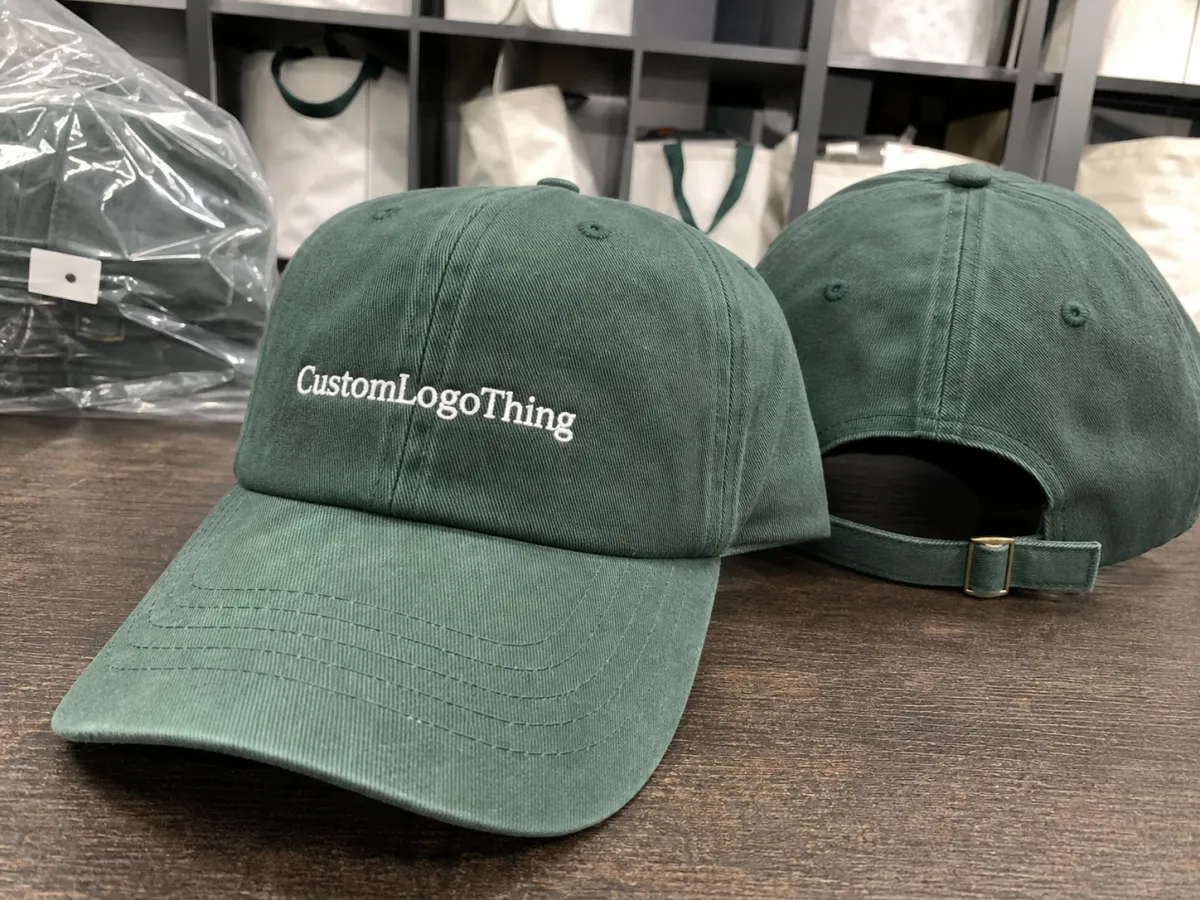
Beer-themed caps work because people understand them quickly. A brewery name, a hop cone, a can graphic, or a simple mug mark reads in seconds. That matters at a bar counter, in a taproom gift corner, or at a crowded festival booth where nobody is standing around inspecting embroidery like a collector would.
Different buyers use the same product for different jobs. Staff hats need consistency and hard-wearing construction. Event giveaways need a low enough price to fit the budget. Retail merch needs a cleaner finish because customers are paying with expectation, not just goodwill. Distributor gifts sit in the middle: branded enough to be useful, restrained enough to avoid looking cheap.
That is where the business case gets interesting. The right cap can sit in a sweet spot between utility and branding. A buyer may not know the term “unit economics,” but they know whether the product sells, whether it reorders cleanly, and whether it survives a few months of wear without collapsing.
Practical rule: if the cap reads clearly from three feet away, the buyer usually forgives a lot. If the logo looks fuzzy, crowded, or off-center, even a low price starts to feel expensive.
For brands that care about sourcing and product standards, quality control has to apply to hats the same way it applies to cartons, labels, and gift packs. If the decoration is right but the crown collapses or the brim warps in transit, the product still fails. Retail buyers usually notice that faster than the supplier does.
Embroidery details that change the final look
Flat embroidery is the default for most beer caps because it keeps the cost in check and the logo readable. It works well for text, simple icons, and brewery marks with moderate detail. A clean one-color or two-color design usually holds up better than a busy illustration, especially on a curved front panel where the stitch line has to do extra work.
3D puff embroidery gives a cap more presence, but it is not suitable for every logo. Bold initials, short words, and simple shapes are the best candidates. Tiny beer mugs, thin outlines, and fine interior details tend to get lost once foam backing enters the build. Puff has volume, not precision. If the artwork depends on precision, flat stitch usually wins.
Patch decoration changes the equation again. A woven or embroidered patch can handle slightly finer detail than direct stitch, and it adds a layered, more retail-ready feel. The tradeoff is extra setup and another quality-control step. The patch needs clean edge cutting, consistent placement, and secure attachment. If any of those slip, the cap can look unfinished even if the embroidery itself is good.
Mixed decoration is common in brewery programs. A flat-embroidered wordmark on the front, a small side hit, or a patch on the front panel with a clean rear mark can create depth without making the cap feel overdesigned. The trick is restraint. Too many decoration zones turn a simple cap into a crowded ad.
Stitch count quietly drives cost and appearance at the same time. More stitches mean more machine time, but they also increase the risk of distortion if the shape is dense or the fabric is soft. Small text is the most common mistake. If the letters are too small, the result is not a sharp logo. It is a blur of thread that only looks legible in a mockup.
Color count matters too, although not always in the way buyers expect. More thread colors can lift visual appeal, but each color change adds handling time and raises the chance of registration issues if the art is complicated. Beer artwork usually works best when simplified into strong shapes, limited gradients, and clean outlines. That is especially true for caps with limited embroidery space.
Placement changes the whole feel of the product. Center-front embroidery is the standard because it reads immediately. Side embroidery works well for staff hats or repeat buyers who want something quieter. Back-strap marks are useful when the adjustment area does not swallow the design. Under-brim decoration is a niche choice; it can look sharp in photos, but it rarely carries the sale on its own.
If the design cannot be recognized at arm’s length, it probably needs to be simplified before anyone asks for pricing.
Artwork cleanup is usually cheaper before digitizing than after. A crowded file, a thin outline, or a logo scaled too small can send the job into revisions that eat time and margin. The machine will stitch what it is given. That does not mean the result will be readable.
Cap specs to confirm before you request quotes
Before any serious quote, lock the cap specification. Structured or unstructured crown, curved brim or flat brim, five-panel or six-panel build, and crown height all affect the look, fit, and unit cost. These are not cosmetic footnotes. They determine how the embroidery sits, how the cap holds its shape, and how premium the finished piece feels when someone picks it up.
Fabric choice is the next major lever. Cotton twill is the safest all-around option for brewery merch because it feels familiar and embroidery-friendly. Washed cotton gives a softer, worn-in look that often sells well for lifestyle brands. Polyester blends are practical when durability and shape retention matter more than a broken-in feel. Performance fabrics are less common for beer merch, but they make sense for staff hats in hot environments or outdoor service settings.
Closure style seems minor until sizing becomes a problem. Snapbacks cover the widest audience and keep ordering simple. Strapbacks feel a little more refined. Buckles can support a more premium retail look. Fitted styles are cleaner on the head, but they complicate inventory because sizing has to be managed across multiple options. That is why most promotional and retail runs stay with adjustable closures.
You should also confirm the details that affect embroidery quality and comfort:
- Front panel height: tells you how much artwork can sit cleanly on the crown.
- Embroidery field size: determines whether the logo needs simplification.
- Sweatband construction: matters for staff use and repeat wear.
- Thread color standard: should match brand references, not a screen approximation.
- Backing and trim: affect how the interior feels and how the cap wears over time.
Buyers often underestimate how much these choices affect perception. A cap can look fine in a mockup and still feel off in hand if the crown collapses, the brim curves too sharply, or the embroidery sits too low on the panel. That is why the spec sheet matters as much as the quote. One documents what the product should be; the other only tells you what it costs to make.
Fit testing is also worth doing whenever the order is meant for retail. A hat that feels too shallow, too stiff, or too loose will not stay on heads for long. Brewery customers are not forgiving about comfort if the price is high enough to feel like a real purchase.
Beer embroidered baseball caps unit cost review: what drives price
The unit cost on beer Embroidered Baseball Caps usually falls into tiers rather than one single number. Small runs carry the highest cost per piece because setup charges, digitizing, and proofing are spread across fewer caps. Larger orders reduce the per-unit number as those fixed costs get absorbed across more quantity. That is normal, and it is why a quote for 100 pieces can look dramatically different from a quote for 1,000.
For a standard embroidered cap, these are useful working ranges before freight:
| Order size | Typical cost per piece | Best for | Notes |
|---|---|---|---|
| 100-300 pcs | $3.20-$6.50 | Staff use, testing a design, small brewery drops | Setup burden hits harder and bulk pricing is limited |
| 500-1,000 pcs | $2.40-$4.20 | Seasonal merch, distributor gifts, event programs | Usually the best balance of cost and flexibility |
| 2,000+ pcs | $1.85-$3.20 | Retail programs, regional rollouts, repeat replenishment | Lowest unit cost, but more cash tied up in inventory |
Those numbers move quickly once the spec changes. A dense front logo with four colors will cost more than a clean wordmark. A premium blank can add 30 to 90 cents immediately. A woven patch, specialty label, or retail insert can move the number again. That is the honest version of unit cost: the decoration choice matters, but so does the blank under it.
The main cost drivers are straightforward:
- Blank grade: basic cotton twill costs less than washed cotton or specialty fabric.
- Stitch count: more stitches usually mean more machine time and more labor.
- Color changes: extra thread transitions slow the run and increase handling.
- Decoration size: larger embroidery areas usually cost more.
- Setup charges: digitizing and proof prep are often fixed, so they hit smaller orders harder.
- Tooling: special patch shapes, molded details, or nonstandard closures can add fees.
- Packaging: polybags, hangtags, and retail cartons raise landed cost.
There is another layer that gets missed in quick quote comparisons: freight. A low product price can turn into a mediocre landed cost once shipping is added. Buyers should ask for line items that separate product cost, sample cost, and freight. If those pieces are blended together, the quote is harder to compare and easier to misunderstand.
Useful buying move: ask for pricing at three quantities, not one. The breakpoints show where the price starts to flatten and where the MOQ is quietly inflating the number. That comparison usually tells you more than the headline unit price ever will.
For transit risk, the roughness of the route matters. Caps are not fragile like glass, but crushed crowns and bent brims still happen when cartons are overpacked or handled too many times. If the run is going into retail, ask how the hats will be packed inside the master cartons and whether the shape will survive the route intact.
Production steps and lead time from proof to shipment
A clean custom cap order follows a predictable path. First comes artwork review, where the logo is checked for stitchability, line weight, and size. Then digitizing turns the art into a stitch file. After that, a proof or mockup is created. Once that is approved, bulk production starts. The factory then inspects, packs, and ships the order.
The process sounds simple because the process is simple. The delays usually come from missing files, unclear color references, or last-minute revisions. If the logo is only available as a low-resolution JPG, expect a slower start. If the brand team keeps changing the wording, expect the schedule to slip. Production only begins moving once the art stops moving.
Typical timing looks like this:
- Artwork review and digitizing: often 1-3 business days for clean files.
- Proof approval: another 1-3 business days depending on buyer response speed.
- Sample or mockup revision: same-day for simple art, longer for complex layouts.
- Bulk production: often 12-18 business days for standard runs.
- Freight: depends on route, method, and destination country.
Rush work is possible, but it is rarely free. Faster schedules usually require fewer revisions, tighter artwork control, and a higher unit cost. If someone promises a fast run with no tradeoff, the quote is probably hiding the tradeoff somewhere else.
Best practice: if the design has small text, layered patches, or more than one decoration location, request a pre-production mockup or stitch sample before bulk starts. That small delay is cheap compared with fixing a full run that misses the mark. A sample also exposes thread tension issues, border finish problems, and any shape distortion that a digital proof will never show.
Quality control matters most at two points: after digitizing and before packing. At the digitizing stage, the team should check whether the design is readable at the actual size, not just on a screen. At packing, they should check that thread tails are trimmed, embroidery is centered, and the crown keeps its shape. Those checks are not glamorous. They save money.
For buyers with internal approval chains, timelines usually slip when the proof is circulated too widely. A fast yes from one decision-maker is better than four slow opinions. It sounds obvious, but it is one of the most common reasons a cap order misses a launch date.
Why buyers order again
Reorders happen when the first run is predictable. That sounds plain, but plain is profitable. If the stitch quality stays consistent, the thread colors match the proof, and the sizing feels the same on the second order, the merch program becomes easier to manage. Easy to manage is what buyers remember after launch energy fades.
Repeat business usually comes down to a few concrete things: the cap should hold shape after wear, the embroidery should not pucker, the color should stay close to the approved sample, and the closure should feel secure. If any of those drift, the next order becomes a rescue job instead of a replenishment order.
Good buyers also care about quote structure. They want the blank cap cost, the digitizing fee, the embroidery labor, and the freight estimate separated out. That makes it easier to compare options and decide whether the premium version is worth it. Usually, the answer becomes obvious once the numbers sit side by side.
There is a broader merchandising lesson here. The best cap program is not the cheapest single run. It is the one you can reorder without drama. Stable quality lowers reject risk, repeat matching is easier, and the buyer spends less time fixing avoidable surprises. That is real savings, even if it does not show off in a spreadsheet.
If the cap is meant to support retail, hospitality, or distributor gifting, consistency matters more than clever copy. A good beer cap should feel like part of the brand system, not like a random promotional object pulled from a budget line at the last minute.
Next steps to get an accurate quote without wasting time
If you want a useful quote, send the right inputs the first time. The fastest path is a logo file, preferred cap style, target quantity, embroidery size, color count, delivery country, and whether you want retail packaging or bulk packing. That is enough for a serious estimate. Anything less and you will spend time answering follow-up questions before pricing can be trusted.
Ask for a unit-cost ladder at multiple quantities. Good quotes should show where the price drops, not hide the breakpoints. If your team is debating 300 versus 500 pieces, the difference between those numbers may decide the whole project. You should see that clearly before anyone signs off.
If the artwork is complex or the beer brand uses small text, request a pre-production mockup or stitch sample. That is not overcautious. That is normal buying discipline. A mockup catches spacing issues, stitch direction problems, and logo scaling mistakes before they become expensive.
Then compare the full picture: sample cost, freight, MOQ, unit cost, and any setup charges. One cheap quote can look attractive until shipping and revisions appear. Another quote can look higher on paper and still win once the landed cost is counted properly. Buyers who check the full stack usually make better decisions.
For procurement teams and brewery owners who care about margin, the real question is whether the beer embroidered baseball caps Unit Cost Review supports a product people will wear, reorder, and buy without hesitation. If the answer is yes, move forward. If the answer is no, simplify the spec before spending more.
Final check: send the logo, quantity, cap style, and delivery location together, then approve the proof only after the last details have been checked. That is how you keep the quote honest and avoid paying for preventable mistakes.
What is the typical MOQ for beer embroidered baseball caps?
Most custom runs start around 100 to 300 pieces, but the actual MOQ depends on cap style, embroidery complexity, and whether a stock blank is used. Lower MOQs usually carry a higher unit price because setup charges and digitizing get spread across fewer caps.
How much does one beer embroidered cap usually cost?
Unit cost usually falls into tiers rather than one flat number. Simple designs on standard blanks cost less, while dense embroidery, premium fabric, or multiple decoration locations push the price up. For many orders, stitch count and blank grade matter more than the logo concept itself.
How long does production usually take for embroidered beer caps?
Sampling and proof approval often take a few days, while bulk production commonly takes one to three weeks depending on order size and workload. Rush jobs are possible, but they usually require faster approvals and may increase the unit cost.
Can I change the beer logo or wording after the proof is approved?
Small changes are sometimes possible before production starts, but every revision can affect digitizing, stitch count, and schedule. Once bulk production is underway, changes are expensive or impossible, so the final proof needs real attention.
What should I ask for before approving the quote on beer embroidered baseball caps?
Ask for the cap blank type, embroidery size, color count, MOQ, sample cost, freight estimate, and production timeline in writing. Request a mockup or stitch file preview so you are not approving a mystery object with a logo on it.


