Corporate Gifting Embroidered Baseball Cap Samples to Review
The same embroidered logo can look sharp on one cap and oddly flat on another. In a corporate gifting Embroidered Baseball Caps Material Sample guide, that difference usually comes down to a few physical variables: crown height, fabric weight, stitch density, visor stiffness, and how the closure finishes the back. Small changes in the cap body can shift the entire impression of the gift.
For a procurement lead, HR manager, or brand team, the cap is not just apparel. It is a signal. A good sample says the gift was chosen with care. A poor one makes the whole program feel last-minute, even if the rest of the box is well executed.
The fastest way to misjudge a cap is to approve it from a mockup alone. Screens hide texture, make thread sheen look cleaner than it is, and smooth over fit issues that only show up on an actual head. A sample exists to expose those gaps before the bulk order locks them in.
Why a sample can change the whole gifting decision
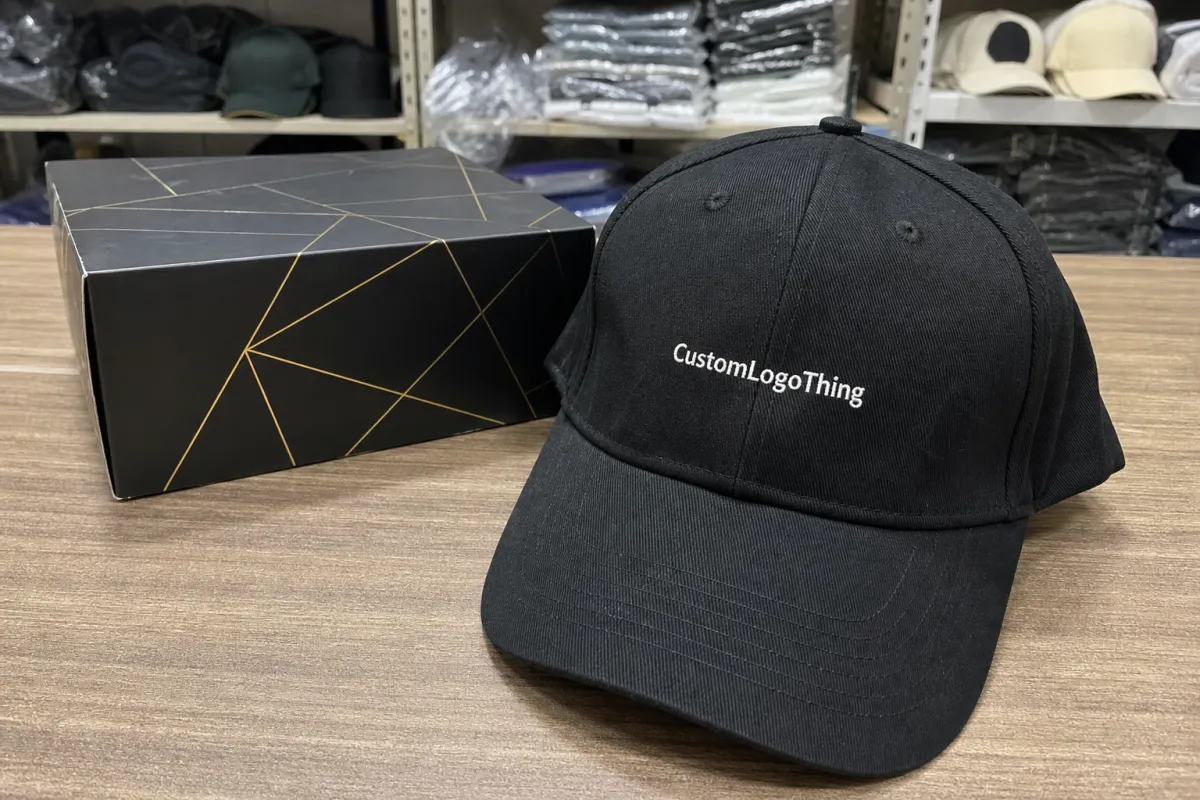
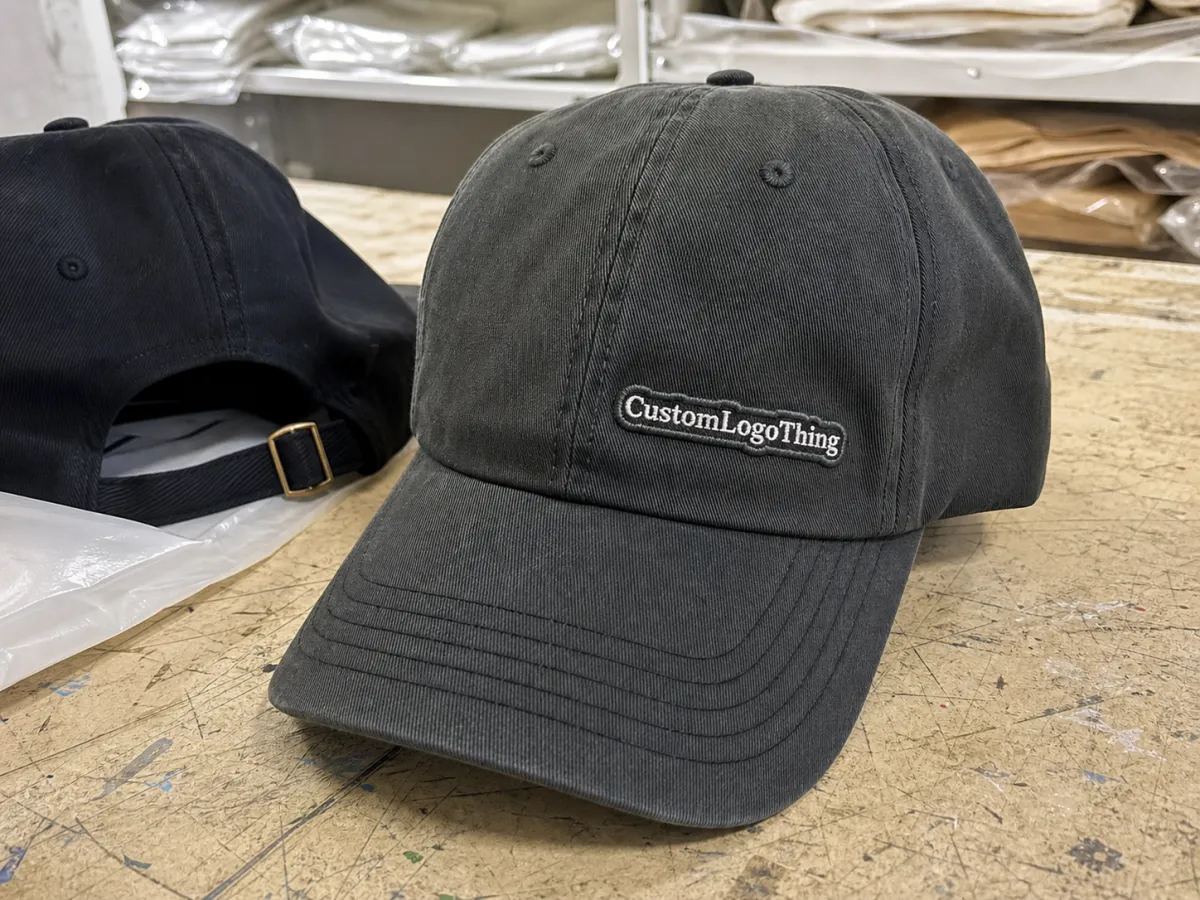
Embroidery is useful because it is unforgiving. It does not flatter a weak base. If the crown is too low, the logo crowds seams. If the fabric is too soft, the stitch sinks into the weave instead of sitting on top. If the visor feels floppy, the cap loses the crisp profile that most corporate gifts depend on.
That is why sample review is less about picking “a nice hat” and more about checking whether the product can carry the brand. A structured cotton twill cap creates a different message from an unstructured washed cotton cap. Polyester performance fabric sends yet another signal: more active, more technical, less formal. The logo may be identical, but the meaning changes with the base.
Recipients notice those differences quickly. Executives tend to notice shape first. Event audiences notice comfort after a few minutes of wear. Teams wearing the cap for field work care about breathability, sweat management, and whether the closure holds up after repeated use. That reaction happens long before anyone reads a spec sheet.
There is also a packaging effect that buyers often miss. If the cap is one item in an onboarding box or holiday kit, the material quality influences the whole set. A well-made cap can make kraft paper, corrugated inserts, and recycled tissue look intentional instead of plain. If the packout uses FSC certified board, post-consumer waste content, or other responsible materials, the cap still needs enough visual weight to match that claim. Otherwise the box feels mismatched.
That is the practical purpose of a sample: it tells you whether the cap works in context, not in theory. If it only looks good on a desk, it is not approved yet.
A sample should answer one question clearly: would this still look right in the hands of the people receiving it?
How material samples are compared before approval
Start with the right set of samples. Ask for the base fabric swatch, the finished cap mockup, and a stitched proof. A blank cap tells you about handfeel and shape. A stitched proof tells you how the logo behaves on that shape. Reviewing only one of those leaves too much to guess.
I prefer to compare samples in three conditions: daylight, office lighting, and on a phone camera. Color shifts are real, and they are larger than most teams expect. Navy can read almost black under warm LEDs. White thread can look crisp outdoors and slightly gray indoors if the base fabric shows through. A phone photo adds another test: if the logo still reads after compression and glare, it is probably clear enough for the real world.
A short scorecard helps the room stay honest. The most useful fields are handfeel, drape, color match, logo clarity, fit, and perceived value. You do not need a long worksheet. You need a consistent way for marketing, procurement, and brand to react to the same piece of product for the same reasons.
Compare front, side, and back views. The front tells you whether the logo scale works. The side reveals the crown profile and visor curve. The back shows whether the closure feels finished or cheap. That last angle matters more than teams usually admit, because many giveaways fail in the details people notice after the logo has already done its job.
As a rule, two strong contenders are enough for most approvals. One preferred sample, one backup, and one control sample make the differences easier to read. A pile of near-identical options does not create better insight; it creates fatigue. By the time the meeting ends, people are voting on momentum, not quality.
Packaging should be part of that same comparison. If the cap will ship inside a presentation box, check the whole unboxing sequence. A neatly folded cap inside corrugated board, protected by kraft paper or a recyclable insert, often feels more considered than the cap alone would suggest. If biodegradable packaging is part of the brief, test whether it still protects the brim and crown during transit. Good intentions do not survive shipping on their own.
For sustainability claims, clarity matters more than adjectives. Say whether the mailer uses recycled content, whether the insert includes post-consumer waste, and whether any component is intended to be compostable. Buyers now ask for specific proof. A useful external reference is the FSC standard, especially if the packaging is meant to support a responsible sourcing story.
Fabric, structure, and embroidery details that alter the finish
Fabric is the first decision that changes how the whole cap feels. Cotton twill is familiar, breathable, and usually easy to embroider. Polyester holds shape better and can look cleaner over time. Blends try to split the difference. Brushed cotton softens the hand. Performance fabric can wick moisture and works better for field teams, outdoor events, or summer programs where comfort matters as much as appearance.
None of those is automatically best. A cap for executive gifting is not the same object as a cap for a product launch or a volunteer day. A heavier cotton twill may feel more grounded and substantial in a boardroom setting. A lightweight performance fabric may make more sense for a team that will actually wear it at an event site. The right material depends on the audience and the job the cap has to do.
Structure changes the result just as much as fabric. A structured crown holds the logo high and defined. An unstructured crown slouches more naturally and reads relaxed. Mid-profile caps are usually the safest option for corporate gifting because they leave enough room for embroidery without looking oversized. Low-profile caps can feel modern, but they are less forgiving with detailed logos. Curved brims are easier for broad audiences. Flat brims can work, but they skew more trend-led and are harder to justify for general gifting.
There are also small material details that change perceived quality fast. A 280-320 gsm twill often feels sturdier than a very light cap fabric. A brim with enough board stiffness keeps its arc instead of collapsing after a few wears. A sweatband that feels rough in the hand will probably feel worse after thirty minutes on a warm day. Those things sound minor until the recipient puts the cap on and notices them immediately.
Embroidery has its own set of tradeoffs. Thread sheen can make the logo look polished, but too much shine can make it seem synthetic. Stitch density affects coverage: too sparse, and the base fabric shows through; too dense, and the logo becomes stiff. Underlay matters because it controls how the stitches sit on the crown panels. Small text is the biggest risk. If the artwork contains thin strokes, gradients, or tiny copy, a patch or simplified artwork is often better than forcing a direct stitch that will not read clearly at arm’s length.
Closure choice also influences value. A plastic snapback is familiar and inexpensive. A metal buckle or fabric strap feels more finished. In bulk, the price gap may be only a dollar or two, but the perception gap can be much larger. For gift programs, those details often matter more than the unit difference suggests.
In practical buyer terms, a more expensive cap is not always the better investment. But a cap that keeps its shape, shows the embroidery cleanly, and feels comfortable after a long wear test usually earns its place. That matters in onboarding kits and executive boxes, where the cap has to carry more brand weight than a generic giveaway ever would.
Process and timeline from request to final approval
A clean approval path usually moves through a predictable sequence: inquiry, quote, material selection, artwork proof, digitizing, stitched sample, revision if needed, and final sign-off. If one of those steps is skipped, the bulk run usually pays for it later. The most expensive mistakes are rarely dramatic; they are usually the result of one overlooked detail that nobody rechecked.
Digitizing deserves more attention than it gets. Vector art can look perfect on screen and still stitch poorly on a curved cap panel. Thin lines, tiny type, tight corners, and layered effects often need cleanup before the logo can be translated into thread. If the cap includes a side or back logo, that location should be proofed separately. Every extra placement adds setup time and introduces another possible point of mismatch.
For timing, a basic blank sample may move in a few business days. A stitched sample with art cleanup, custom thread colors, or a different closure usually takes longer. Then add shipping. A small delay at the sample stage can ripple into the whole launch calendar if the gift kit has a fixed event date.
Internal review is often slower than production. Procurement wants pricing. Brand wants color fidelity. Leadership wants confidence that the cap feels appropriate. That is normal. The easiest way to keep the process moving is to send each group the same physical sample, the same spec note, and the same reference image. Vague feedback multiplies revisions. Clear feedback usually cuts them.
If the cap ships as part of a broader kit, packaging should be treated as part of the approval too. A good supplier should be able to show how the brim is protected, whether the cap sits securely in corrugated cardboard, and how kraft paper, tissue, or an insert supports the presentation. Think about the shipment as a stress test, not just a display. ISTA test logic is useful here even if the order never goes to a formal lab.
One practical rule keeps the project from drifting: the physical sample, the artwork file, and the production spec must all match. If one of those three differs, someone will be forced to interpret the gap later. That is how errors get into final cartons.
Cost, MOQ, and quote tradeoffs buyers should check
Cap pricing is usually a stack of smaller charges rather than one clean number. Expect a sample fee, digitizing, embroidery setup, the base cap cost, freight, and sometimes a revision charge. Rush service can add more. So can artwork changes after approval. If the order needs multiple samples, the “small” line items can become a meaningful part of the budget.
MOQ has a strong effect on unit price. Lower quantities spread setup cost over fewer caps, so the per-piece price climbs. Higher quantities reduce the price quickly if the spec stays fixed. That is why a 50-piece order can look expensive next to a 500-piece order even when the cap body is identical.
| Sample path | What you see | Typical cost | Best for | Main watch-out |
|---|---|---|---|---|
| Blank base sample | Fabric, structure, closure, brim shape | $8-$18 plus freight | Early material screening | No embroidery behavior to judge |
| Stitched production proof | Actual logo on final cap spec | $18-$40 plus freight | Most corporate gifting approvals | Complex artwork may still need one revision |
| Premium pre-production sample | Close to final bulk result and packaging | $30-$65 plus freight | High-visibility gifts and executive kits | Costs more, but reduces approval risk |
Specialty materials change the quote faster than many buyers expect. Performance fabrics, brushed finishes, custom inner labels, multiple logo locations, and upgraded closures all add cost. Split shipments and revision rounds do the same. A small change in email can become a real budget item once the factory has to resample.
For many programs, finished embroidered caps sit somewhere around $5-$18 per unit at moderate to higher volumes, depending on fabric, decoration complexity, and trim. Lower quantities and premium details push that higher. In other words, price is not just a factory number. It is a reflection of how much control you want over the final result.
Packaging can be a smart place to add polish without overspending. A cleaner corrugated mailer, better insert geometry, or higher-quality kraft paper can make the cap feel more deliberate without adding much to the order total. Keep the environmental language accurate, though. A biodegradable claim only works if the full packout supports it.
Common sample mistakes that lead to disappointing caps
The biggest mistake is approving from photos alone. Images flatten texture, hide stitch problems, and make color matching look easier than it is. A navy cap can look identical in a mockup and completely different in person because the fabric grain and thread sheen are doing real work that a screen cannot show.
Fit mistakes happen just as often. Teams choose a profile that looks elegant on a display stand, then discover it sits awkwardly on different head sizes. If the audience includes both field staff and senior managers, one fit is unlikely to suit everyone. Try the sample on more than one person. The cap should feel secure without pinching.
Another trap is comparing unlike samples. A premium sample should not be judged against a lower-spec production target. A metal closure should not be compared to a snapback if the closure changes the whole feel. Before anyone scores the cap, make sure the options are actually equivalent in construction and decoration method.
Color drift deserves special attention. Thread color can shift against different fabrics, and dark base materials can mute logos more than expected. White embroidery on black twill can look bold, but if the stitch density is too low, the base color may show through. Too much stitch density creates the opposite problem: the logo becomes stiff and shiny. Both issues are avoidable, but only if you compare the real sample under more than one light source.
The final mistake is confusing a desk-friendly sample with a gifting-ready product. A cap that sits nicely in a showroom may fail after someone puts it on, turns their head, and wears it through a full event day. That is the real test. Not the mockup. Not the presentation photo. The wear experience.
Bottom line: a sample should tell you whether the cap works as a branded object, not just as a piece of apparel.
Expert tips and next steps for a clean approval
A short scorecard keeps the approval from turning into a vague debate. Four fields are usually enough: fabric, fit, embroidery quality, and price. If packaging is part of the order, add a fifth line for presentation. That structure keeps the conversation tied to the factors that actually change the result.
Two close alternatives usually beat a long list. One preferred choice, one backup, and one control sample create a useful comparison without overwhelming the room. Most teams make better decisions when the differences are visible and material. Too many near-duplicates only stretch the discussion and make it harder to remember why one sample won.
Use the real logo file, real brand colors, and real packaging context during review. If the cap will ship beside notebooks, drinkware, or apparel, place it with those items before signing off. A cap that looks great alone can feel mismatched beside the rest of the kit. Context changes the reading.
Put the approval in writing. Record the fabric name, profile, closure type, thread colors, logo placement, and any packaging instructions tied to the job. That note becomes the reference point once production starts. No factory should have to guess what “the good sample” meant after the meeting ends.
A clean approval usually comes from disciplined comparison, not from taste alone. That is the real value of a corporate gifting Embroidered Baseball Caps material sample guide: it turns a small physical test into a better buying decision, fewer corrections later, and a cap that feels intentional the moment it is received.
- Confirm the winning sample in daylight and office light.
- Lock the cap spec, embroidery file, and packaging note together.
- Keep one labeled physical sample or reference photo.
- Verify freight timing if the cap ships inside a boxed kit.
FAQ
What should a corporate gifting embroidered baseball cap sample include?
Ask for the exact fabric, crown profile, visor style, closure, and stitch specification that production will use. Review the sample with the final logo file and brand colors, not as a blank cap. If the gift will ship in a box or kit, request packaging context as well.
How many material samples should I review before placing a bulk cap order?
Two to three strong options is usually enough: one preferred choice, one backup, and one control sample. Too many nearly identical caps slow the decision and make comparison harder. Focus on meaningful differences in fabric, fit, and embroidery behavior.
What affects embroidered cap sample pricing the most?
Fabric choice, embroidery complexity, digitizing, and freight are the biggest cost drivers. Rush timing and revision rounds can add more cost than the cap itself. Higher-end closures, specialty materials, and extra logo locations often raise the quote.
How long does the sample and approval process usually take?
Simple samples can move in a few days, but custom embroidery and revisions take longer. Build in time for artwork cleanup, production, shipping, and internal sign-off. If the launch date matters, ask for a timeline that separates sample creation from final bulk production.
What is the safest way to choose between two cap materials for gifts?
Compare both samples in daylight, office light, and on camera so you can see the real finish. Test comfort, shape retention, and logo clarity on different head sizes before deciding. Choose the material that still feels appropriate after a full day of wear, not just in a staged photo.